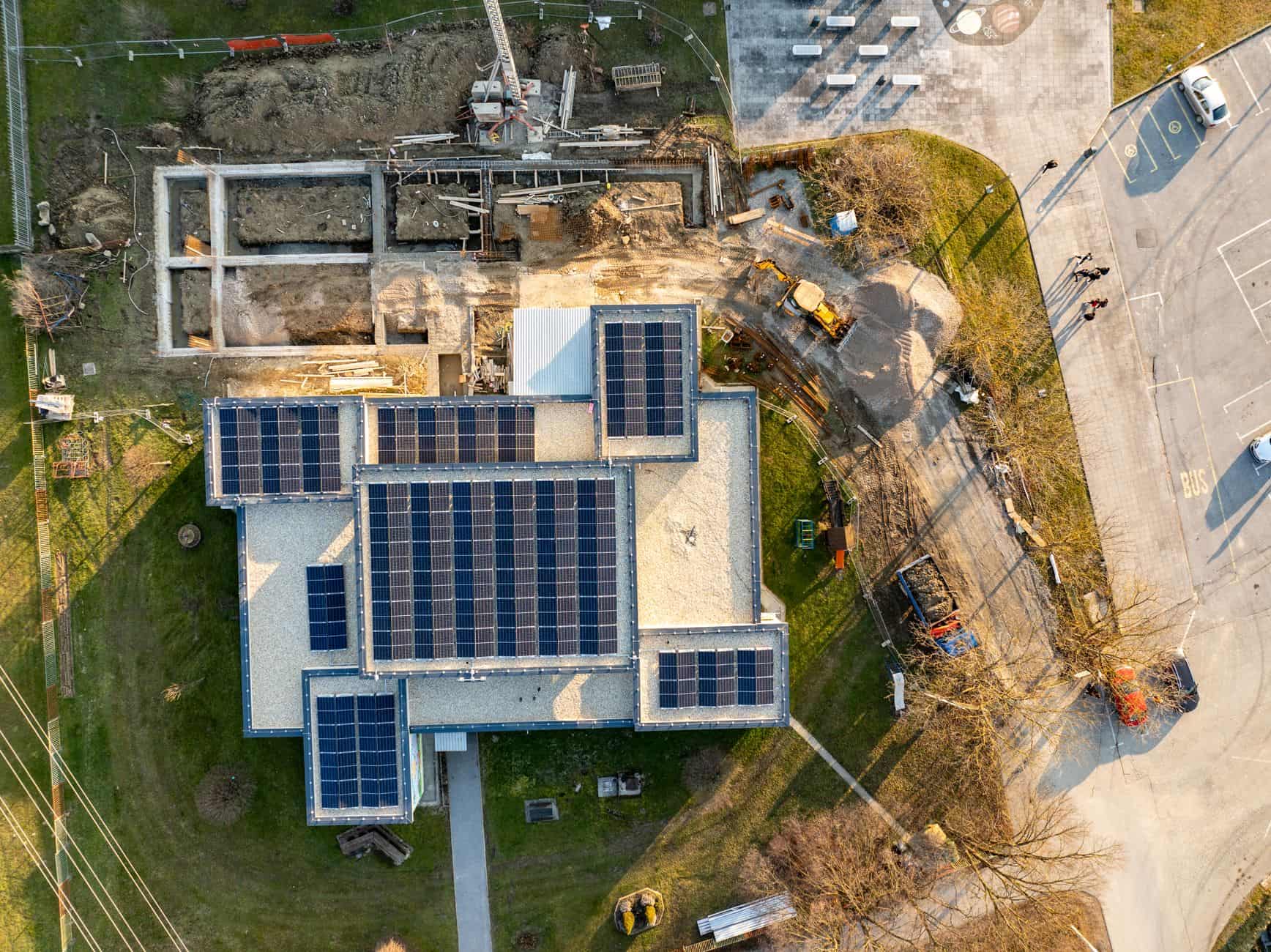
Stalled Solar Law Threatens Israeli Projects
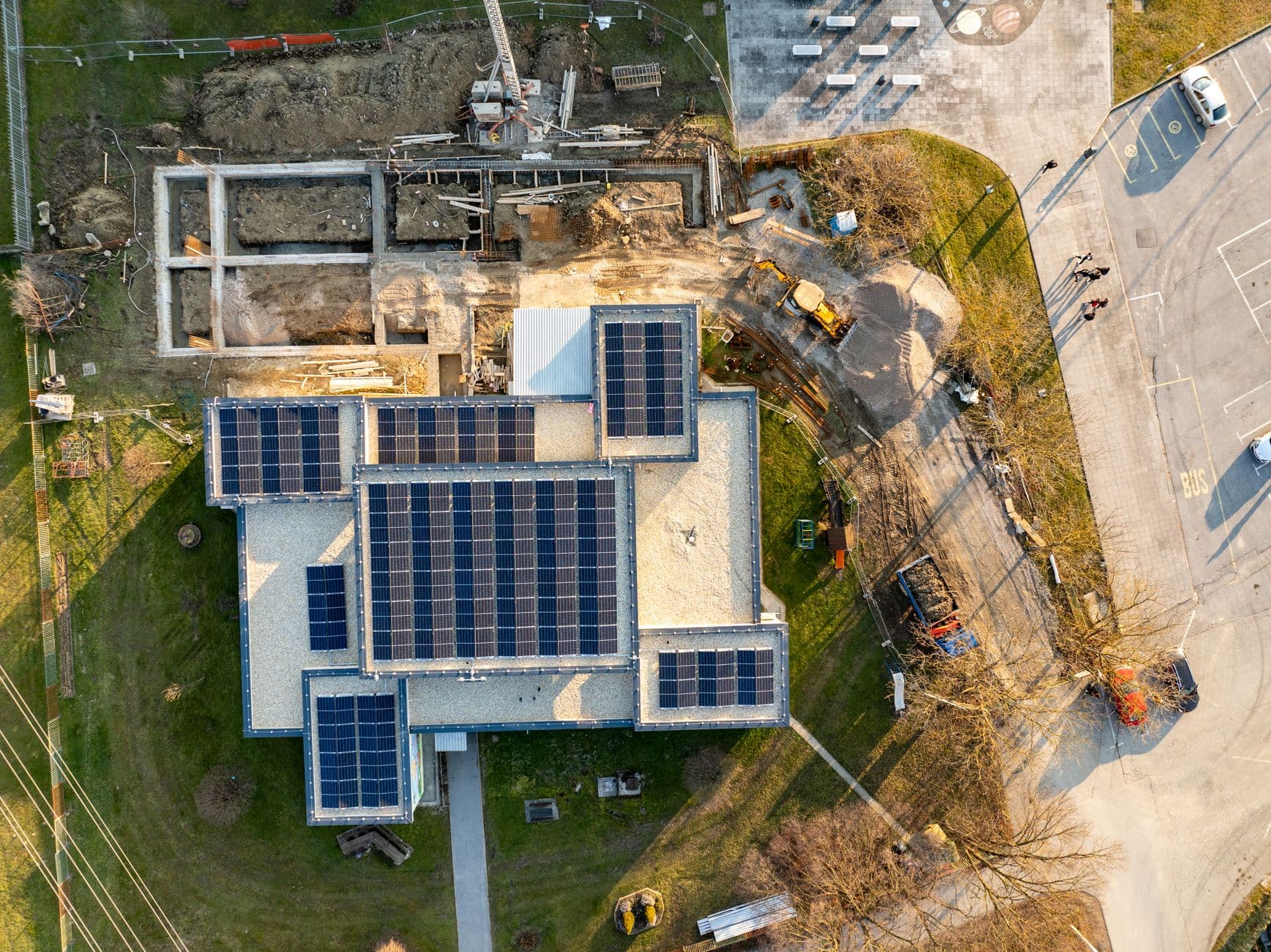
Law Delay Could Sink Projects – The solar‑energy law that has been stuck in the Knesset could cancel dozens of pending solar farms and add significant extra costs for developers.
The bill, originally drafted to streamline land‑use permits and set clear feed‑in tariffs, also aimed to guarantee grid‑connection for larger projects. Because it has not passed the final reading, developers must rely on ad‑hoc approvals that can take months, inflate financing costs and, in worst‑case scenarios, render projects financially unviable. Industry observers note that the uncertainty is already delaying the start‑up of a notable amount of solar capacity slated for 2024.
What the Stalled Law Intended – It would have created a fast‑track licensing regime and fixed tariffs for rooftop and utility‑scale installations.
The legislation aimed to replace the fragmented permitting process with a single‑window system overseen by the Electricity Authority. It also codified the current feed‑in tariffs – ₪0.48/kWh for residential, ₪0.41/kWh for commercial and ₪0.54/kWh for municipal customers – guaranteeing developers a predictable revenue stream for 25 years. By locking in these rates, the law would have encouraged banks to lend at lower interest rates, because the cash‑flow risk would be dramatically reduced.
Both The Times of Israel and Calcalist note that the current ad‑hoc system forces developers to negotiate each step – land lease, environmental impact assessment, grid connection – with separate ministries, often leading to contradictory requirements and costly redesigns.
Financial Impact – Delays increase financing costs and postpone revenue.
A typical 1 MW utility‑scale solar farm in the Negev costs roughly ₪2.2 million per MWp to install, based on the commercial average of ₪2,200/kWp. When approvals are delayed, financing costs accrue for the period of uncertainty, adding to the overall project budget. The Ministry of Energy’s impact assessment indicates that the combined effect of higher financing costs, postponed feed‑in revenue and contractual penalties could raise total expenses across the sector by a substantial amount.
Market Reaction – Investors are becoming more cautious and the pipeline is slowing.
Since the law stalled, several major investors have signalled a pause on new commitments. The Israeli Renewable Energy Association reports a noticeable dip in new project proposals compared with the previous year. Meanwhile, some foreign funds that had earmarked capital for Israeli solar projects are reallocating to markets with clearer policy frameworks, such as Spain and the United Arab Emirates.
What It Means for Homeowners – The ripple effect reaches rooftop owners too.
Even residential rooftop owners feel the pressure. The law would have guaranteed a stable ₪0.48/kWh tariff for 25 years, making the economics of a 15 kW home system clear. Without that guarantee, banks are more cautious, and loan terms have lengthened, raising the effective cost of a typical system.
Using the verified Israeli figures, a 15 kW rooftop in central Israel would generate about 25,500 kWh/year (1,700 kWh/kWp × 15 kW). At the residential tariff, that equals ₪12,240 of annual revenue. With a typical turnkey cost of ₪3,150/kW, the upfront outlay is ₪47,250. Extending the loan term increases the annual payment, which reduces the net cash flow and lengthens the simple payback period compared with the baseline scenario.
Why the Law Is Stuck – Political gridlock and competing interests.
The bill has been caught in a tug‑of‑war between environmental NGOs, who argue the tariffs may be too generous, and large landowners who fear the fast‑track process could limit their ability to negotiate higher lease fees. A coalition of agricultural lobbyists has also raised concerns about land‑use conflicts, especially in districts where solar farms compete with high‑value crops. Parliamentary committees have yet to reach a compromise on the tariff levels and the scope of the “fast‑track” mechanism.
What It Means for Israel – A setback for the 30 % 2030 renewable target.
Israel’s official goal is 30 % renewable electricity by 2030 (up from the interim 20 % by 2025). Solar is expected to supply the bulk of that increase, given the country’s high insolation. Delays in the law could slow the addition of new solar capacity, which would require the government to rely more heavily on other generation sources, potentially raising emissions and electricity prices.
The Way Forward – Possible compromises and timeline.
Analysts suggest a two‑track approach: keep the fast‑track licensing for larger projects while allowing a separate, simplified tariff schedule for rooftop and small‑scale installations. If the Knesset can pass a trimmed‑down version, the sector could recover momentum and stay on track for the 2030 target.
In the meantime, developers are turning to Power Purchase Agreements (PPAs) with large industrial customers who are willing to lock in prices even without the statutory tariff, a trend highlighted in The Jerusalem Post.
Bottom Line – The stalled law is more than a bureaucratic hiccup; it translates into extra costs for developers, slower ROI for homeowners, and a tangible risk to Israel’s renewable‑energy ambitions.
Stakeholders are urging the Knesset to act quickly, because every month of delay pushes the payback horizon further and makes Israel’s clean‑energy transition more expensive.
*For readers interested in crunching their own numbers, try our solar ROI calculator or explore the latest market data on our data page.*
FAQ
Why is the solar law important for developers?
It would have created a fast‑track licensing system and guaranteed feed‑in tariffs, cutting permitting time and financing risk.
How much could the delay cost the solar sector?
Industry estimates put the added expense at roughly NIS 1‑2 billion across all pending projects.
Will rooftop solar owners be affected?
Yes – longer loan terms push the simple payback for a typical 15 kW home system from about 4 to over 5 years.
What is Israel’s renewable‑energy target?
Israel aims for 30% renewable electricity by 2030, up from an interim 20% goal for 2025.
When might the law finally pass?
Analysts hope a trimmed‑down version could be approved by the end of 2024 if political compromises are reached.
Share this post
More from Policy
6
Solar Reward Tariffs End 2026 – Grab the Deal Now
Israel’s Ministry of Energy guarantees the highest residential solar feed‑in tariff only until the end of 2026, urging homeowners to install rooftop panels now and lock in a premium rate.
Israel's Solar Rules Shift – What Changes?
Israel will soon mandate solar panels on new buildings and adjust tariffs, keeping residential feed‑in rates around ₪0.48/kWh and preserving strong economics for rooftop solar.
Greece Opens Balcony Solar Up to 800W
Greece has approved a new framework that lets households install balcony‑mounted solar panels up to 800 W and tiny stand‑alone batteries, without feeding electricity back into the grid.
Germany’s First 4.5 GW Capacity Auction Explained
Germany’s Federal Network Agency opened a 4.5 GW capacity auction, offering 15‑year payments for dispatchable generation and long‑duration storage, with a maximum bid price of €244,000 per MW per year.
Agrivoltaics Law Falls, Yet New Rules Emerge
Israel’s bill to allow solar farms over active cropland was rejected in the Knesset, but new detailed regulations now pave the way for agrivoltaic projects to move forward.
42 Israeli Authorities Get Solar Canopy Grants
42 Israeli municipalities have been granted funds to install solar canopies on sports fields, shading roughly 3,000 dunams and contributing significantly to the 2030 renewable‑energy goal.