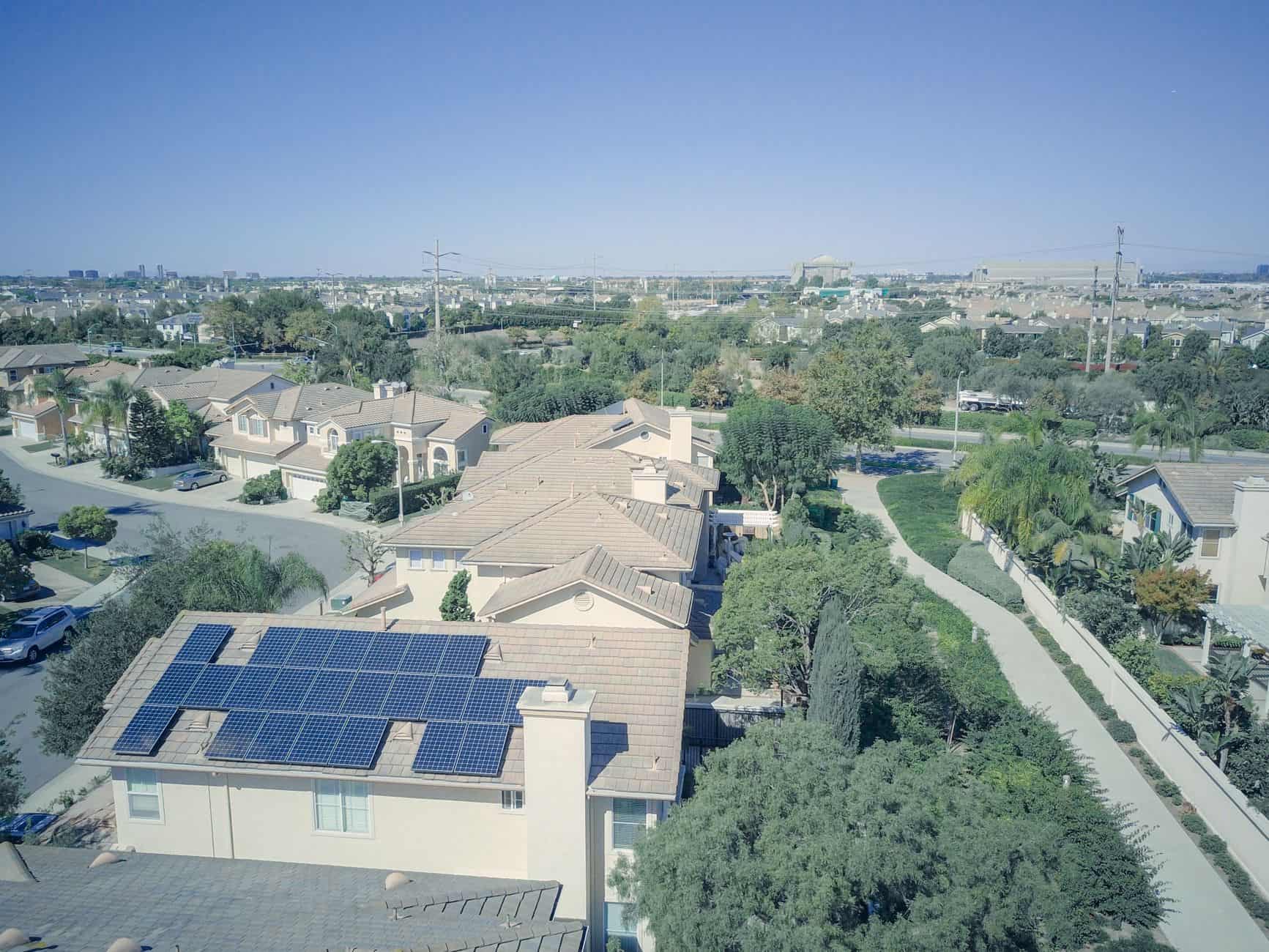
Greece Opens Balcony Solar Up to 800W
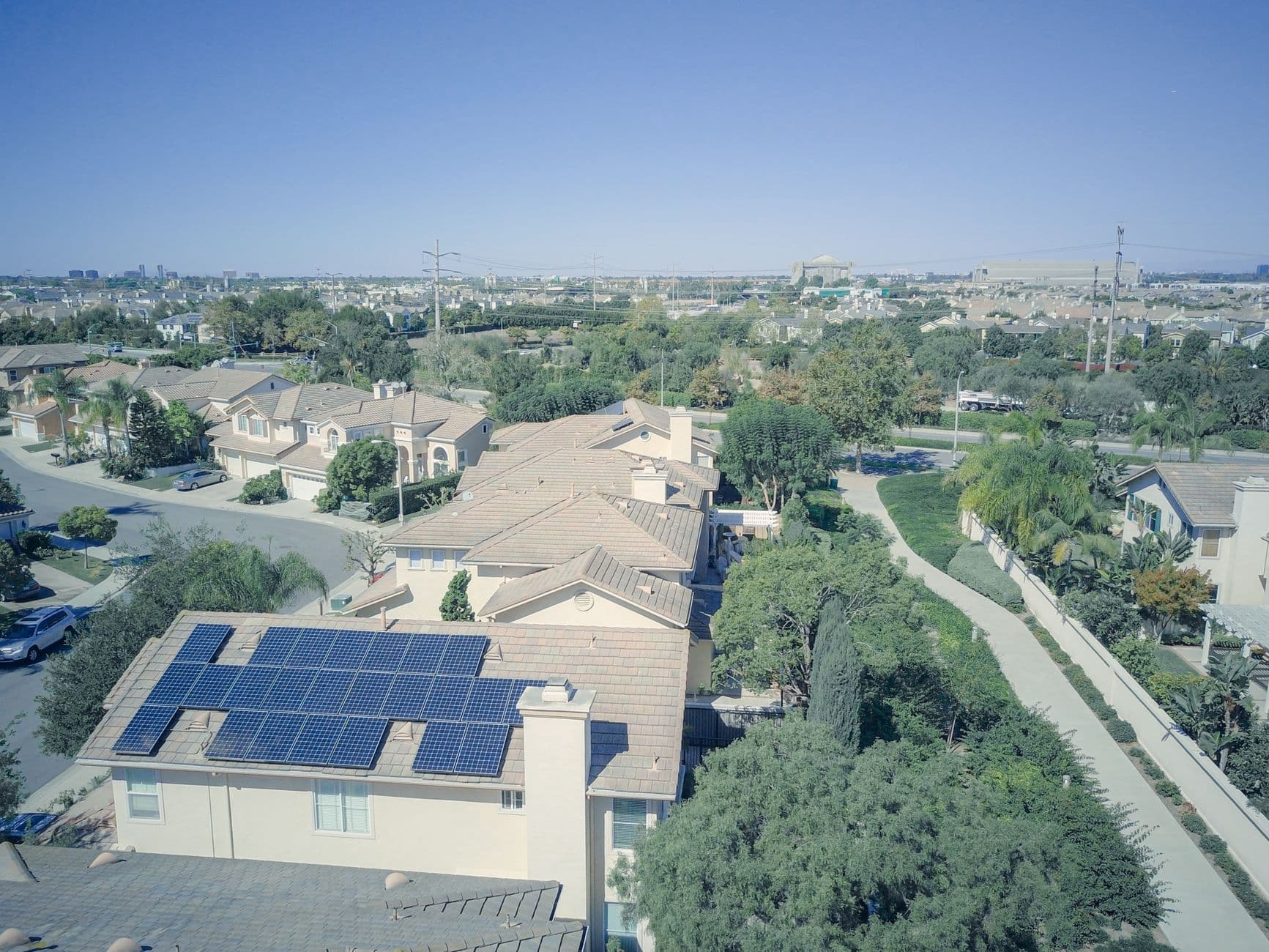
Greece finally allows 800 W balcony solar panels – a first for the EU
Greece’s Ministry of Environment and Energy has approved a new self‑consumption framework that lets households install balcony‑mounted photovoltaic (PV) modules of up to 800 W. The rule also creates a legal path for tiny, stand‑alone battery units that must be used only for the owner’s own consumption and are barred from feeding electricity back into the grid. The reforms, which finished a public consultation earlier this month, are part of a broader push to modernise Greece’s self‑consumption market and bring it in line with the EU’s RED III directive. PV Magazine
What the new rules actually change – safety, registration and collective schemes
The balcony‑solar allowance comes with three concrete conditions:
- No grid injection – the 800 W panels can only power the host unit; any excess must be curtailed.
- Safety‑first design – installations must meet new grid‑protection standards to avoid back‑feeding faults.
- Notification‑only registration – owners will register the system on a new digital platform managed by the Distribution Network Operator DEDDIE, as outlined by the YPEN legal brief. Beyond individual balconies, the proposal also eases the creation of collective self‑consumption projects in apartment blocks, permits third‑party developers to design and finance systems on behalf of residents, and even allows participants with different retailers to join the same scheme. These points are echoed in the coverage by CE Energy News and the explanatory piece on the Athens Times.
Smart meters and a digital registry – the data backbone
A key pillar of the reform is the accelerated rollout of smart electricity meters for every self‑consumption system. The ministry will also launch an electronic self‑consumption registry to digitise approvals, clearances and performance data, cutting bureaucracy and improving transparency for grid operators. According to the European‑wide smart‑meter study, Greece lags behind its neighbours with only about 11 % of consumers equipped with smart meters in 2024, underscoring why the new rollout is critical (Balkan Green Energy News).
How big is Greece’s self‑consumption market today?
- 37,400 self‑consumption installations have been commissioned since 2020, totalling roughly 1,070 MW of capacity.
- In 2025 Greece added 1.9 GW of new solar, pushing the national PV stock to about 11.5 GW. These figures come from the ministry’s own data and are corroborated by industry analysis in the BayWa r.e. blog, which notes that the residential self‑consumption segment is expected to shrink by about 10 % in 2024‑25 as the market adjusts from net‑metering to net‑billing (BayWa r.e.).
Greece’s reforms in the EU context – why 800 W matters
The 800 W ceiling aligns Greece with the EU RED III targets that encourage “renewables acceleration areas” and small‑scale self‑consumption. Mordor Intelligence projects Greece’s total solar capacity to reach about 22.7 GW (22.66 GW) by 2031, a CAGR of roughly 12.4 % (12.37 %) (Mordor Intelligence). By allowing balcony‑mounted modules, Greece removes a historic legal grey zone that has kept many renters and high‑rise dwellers out of the rooftop market, potentially unlocking several hundred megawatts of new capacity.
What it means for Israel – could we see balcony panels too?
Israel already enjoys high solar irradiance, especially in the south and the Arava, where yields reach 2,200 kWh / kWp / year. Using the central‑Israel average of 1,700 kWh / kWp / year (the typical figure in the verified Israeli facts), an 800 W balcony system would generate:
- Energy output: 0.8 kW × 1,700 kWh / kW ≈ 1,360 kWh per year.
- Revenue at the residential feed‑in tariff (₪0.48/kWh): 1,360 kWh × ₪0.48 ≈ ₪653 per year.
- Installation cost (₪3,150/kWp): 0.8 kW × ₪3,150 ≈ ₪2,520.
- Simple payback: ₪2,520 / ₪653 ≈ 3.9 years. That payback mirrors the typical 10 kWp home system example used by Israeli regulators, showing that even a modest balcony panel could become financially attractive for renters or owners of small apartments. If Israeli policymakers followed Greece’s lead and introduced a notification‑only registration for such micro‑systems, the administrative barrier would disappear, encouraging a wave of urban solar that complements the country’s goal of 30 % renewable electricity by 2030.
Outlook – opportunities and hurdles
The balcony‑solar rule is a clear win for energy democracy, but its success hinges on two practical factors:
- Smart‑meter penetration – Greece must speed up its smart‑meter rollout to give owners real‑time data and enable accurate net‑billing.
- Storage integration – The new allowance for stand‑alone batteries (typically under 10.8 kWh) could smooth daily mismatches, but the market still needs clear incentives, as highlighted in the European residential‑storage outlook (MarketsandMarkets). If these pieces fall into place, the 800 W balcony panels could add several hundred megawatts of distributed generation, reducing Greece’s reliance on fossil‑fuel imports and bringing the country closer to its 60 % RES target for the power system.
What it means for Israel
Israel’s dense urban fabric, high electricity prices and strong feed‑in tariff make balcony‑mounted PV an attractive niche. A typical 800 W unit would pay for itself in under four years and keep generating clean power for the next two decades, cutting household bills by roughly ₪650 per year and avoiding about 680 kg of CO₂ annually (0.5 kg / kWh × 1,360 kWh). For renters, the low upfront cost (≈ ₪2,500) and the fact that the system does not need grid connection could be a game‑changer, especially if municipalities adopt a digital self‑consumption registry similar to Greece’s. Israeli homeowners can already use our solar ROI calculator and browse market data on our data page to model their own balcony‑solar projects.
The Greek balcony‑solar reform shows how modest regulatory tweaks can unlock hidden rooftop potential. Israel’s policymakers may soon face the same question: should we let balconies shine?
Sources & further reading
- Balcony Solar in Greece — The Legal Grey Zone Nobody Talks About
- For the first time, Greece allows households and businesses to install balcony solar and standalone battery systems
- A key feature of the proposal is the introduction of small balcony...
- Enhanced Energy Production: Balcony Power Plant 800 Watts From...
- Balcony Solar Panels in Greece: Rules & Process
FAQ
What size of balcony solar panel is now allowed in Greece?
Up to 800 W of photovoltaic capacity can be installed on a balcony under the new self‑consumption rules.
Can balcony solar panels feed electricity back into the Greek grid?
No. The new rule explicitly prohibits any export; the panels must serve only the host’s own consumption.
Will the new Greek framework allow home battery storage?
Yes, it creates a legal category for stand‑alone residential batteries that must be used exclusively for self‑consumption.
How many self‑consumption systems does Greece already have?
Around 37,400 installations covering roughly 1,070 MW have been commissioned since 2020.
How fast is Greece rolling out smart meters?
Only about 11 % of Greek consumers had smart meters in 2024, so the rollout is a priority under the reform.
Could Israel adopt a similar balcony‑solar rule?
Yes – an 800 W balcony system in central Israel would generate about 1,360 kWh/year, worth roughly ₪653 annually, and would pay back in under four years.
Share this post
More from Policy
6
Germany’s First 4.5 GW Capacity Auction Explained
Germany’s Federal Network Agency opened a 4.5 GW capacity auction, offering 15‑year payments for dispatchable generation and long‑duration storage, with a maximum bid price of €244,000 per MW per year.
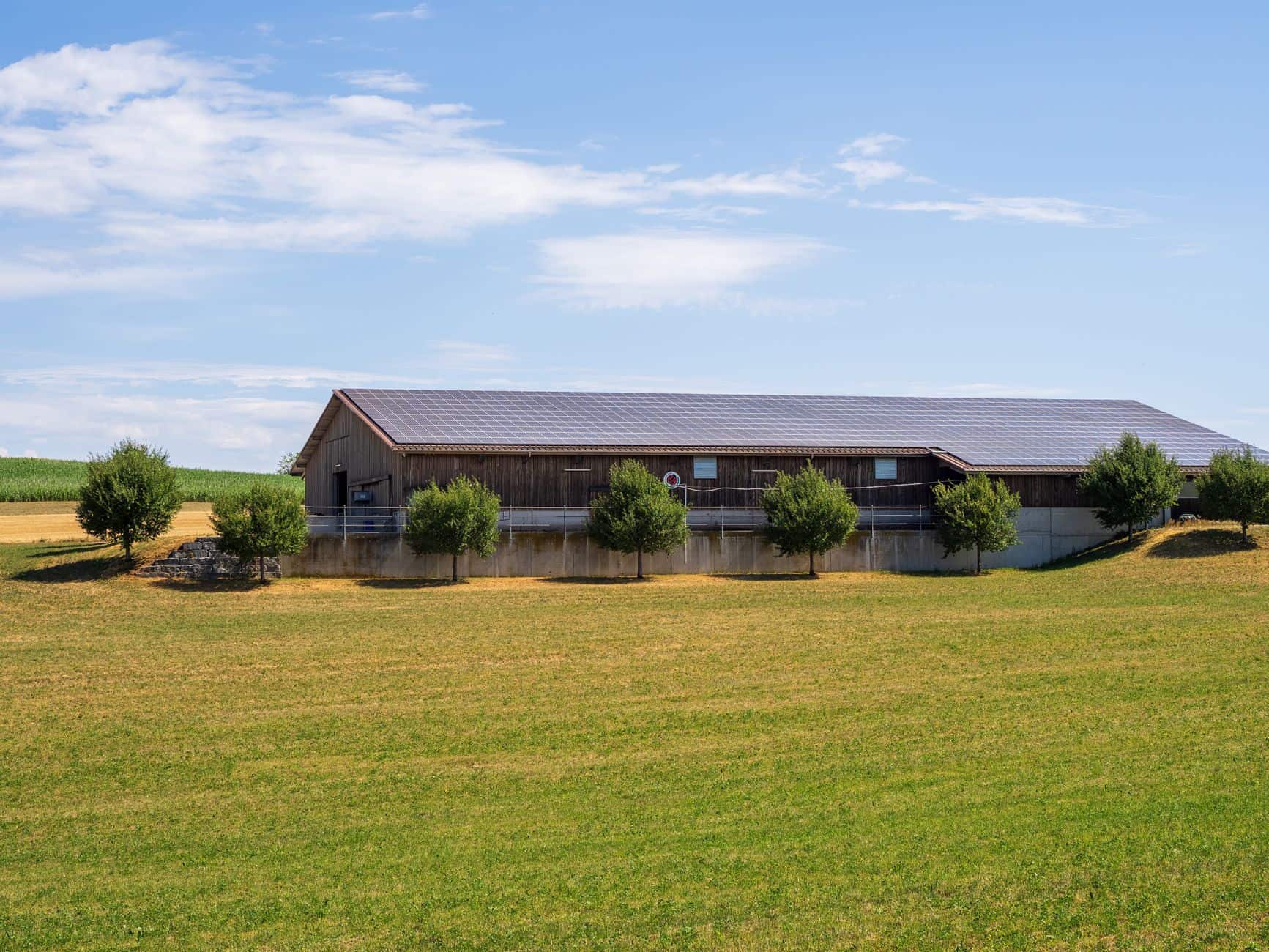
Agrivoltaics Law Falls, Yet New Rules Emerge
Israel’s bill to allow solar farms over active cropland was rejected in the Knesset, but new detailed regulations now pave the way for agrivoltaic projects to move forward.
42 Israeli Authorities Get Solar Canopy Grants
42 Israeli municipalities have been granted funds to install solar canopies on sports fields, shading roughly 3,000 dunams and contributing significantly to the 2030 renewable‑energy goal.
Italy’s RECs Reach 303 MW – Impact
Italy now has 3,630 active renewable energy communities delivering 303 MW, backed by €768 million in PNRR grants and a €5.7 bn funding scheme.
EU Electrification Plan to Double Power Use
The EU’s Electrification Action Plan aims to double electricity’s share in final energy use to 46% by 2040, cutting annual fossil‑fuel imports by €240 bn and reshaping the market with price‑parity, grid upgrades and ETS reforms.
Inclusion Must Move Past Token Gestures
Inclusion in solar must move beyond token gestures to practical tools, gender‑neutral hiring and real leadership roles, a shift already shown to boost innovation and resilience worldwide.