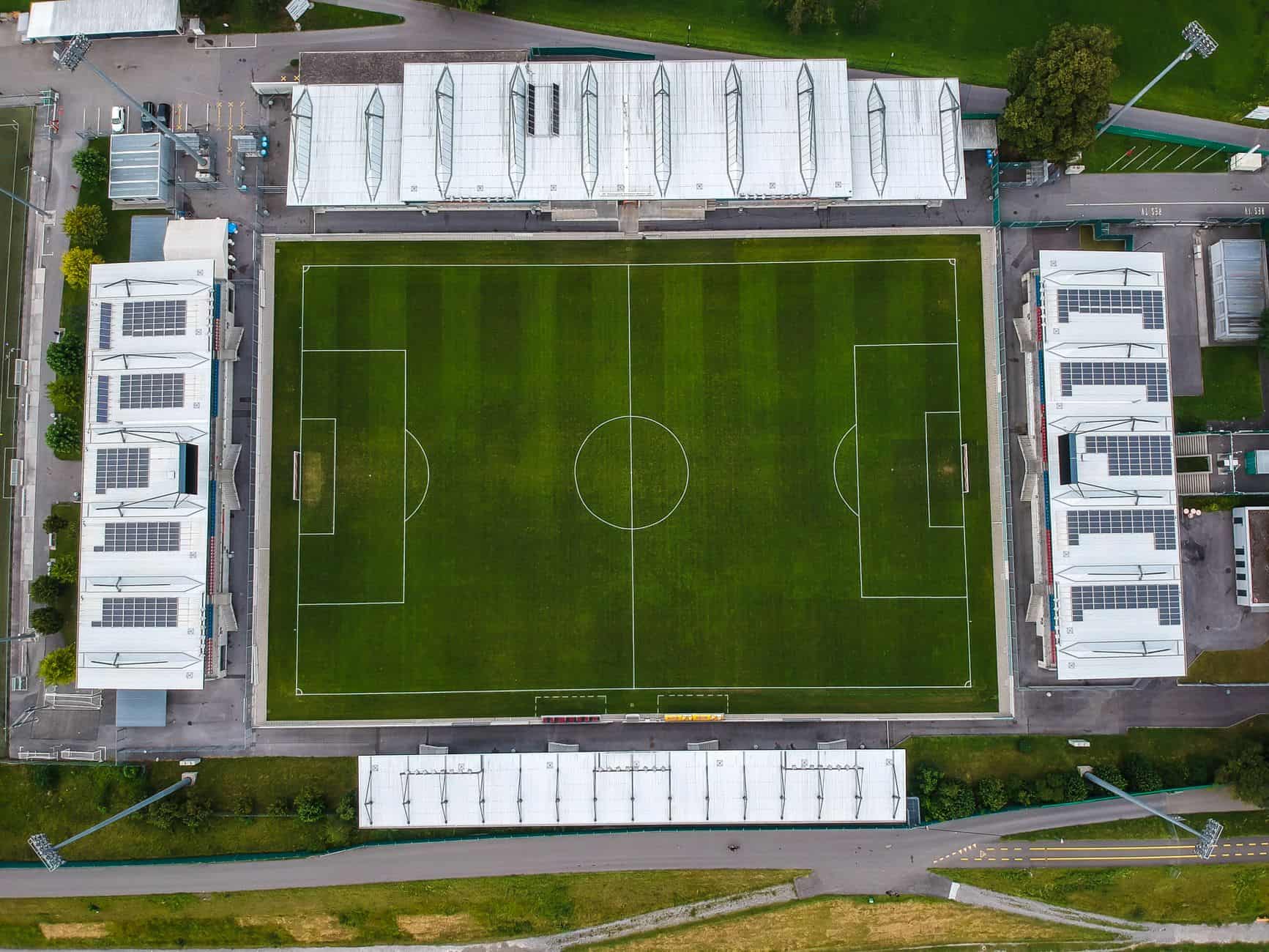
42 Israeli Authorities Get Solar Canopy Grants
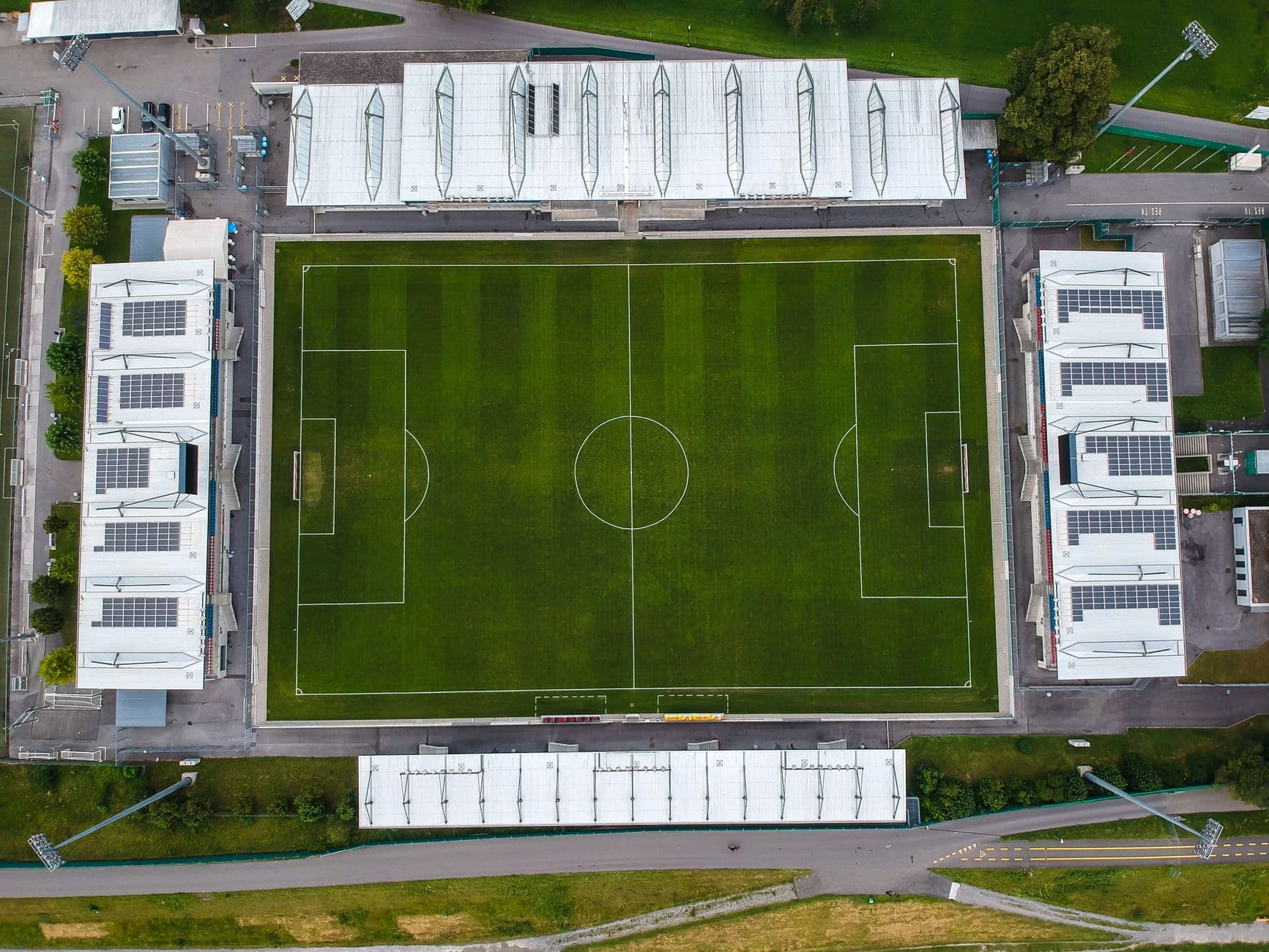
42 local authorities have secured government grants to install solar canopies on public sports fields
The Israeli Ministry of Energy announced that 42 municipalities and regional councils will receive funding to cover the cost of solar‑panel canopies over the roofs of their sports facilities. The grants turn what was previously a pure expense – building and maintaining sports fields – into a revenue‑generating renewable‑energy asset.
The national solar‑canopy programme aims to shade 3,000 dunams of sports fields
The plan, approved in 2025, earmarks a multi‑million‑shekel budget for the construction of solar canopies that will shade roughly 3,000 dunams (about 300 ha) of public sports grounds and parking lots. According to the official sports‑fields portal, the initiative will add “thousands of dunams of public shaded” areas while producing clean electricity for the grid. Solarbytes notes that the added generation could cover 5.5 % of the extra energy needed to meet Israel’s 2030 renewable‑energy target.
Grants cover a large share of installation costs, making projects financially viable
Local authorities can apply for a grant that covers a substantial portion of the turnkey cost of a solar canopy, which typically runs at ₪ 2,200–3,150 per kW‑peak for commercial‑scale installations. The remaining share is financed by the municipality, often through a public‑private partnership that allows the solar output to be sold under the net‑metering scheme.
Expected electricity output could supply many thousands of homes
Using the typical yield of 1,700 kWh per kW‑peak per year for central Israel, the solar‑canopy programme is expected to generate a sizable amount of electricity that could meet the needs of many thousands of households, while also contributing to the national renewable‑energy target.
What it means for Israel: fast payback and climate impact
For a typical Israeli homeowner, a 10 kW rooftop system in the central region yields about 17,000 kWh per year. At the residential feed‑in tariff of ₪ 0.48/kWh, that electricity is worth ≈₪ 8,160 annually. With a turnkey cost of ₪ 3,150/kW, the upfront investment is ≈₪ 31,500, giving a simple payback of ≈3.9 years and a 25‑year lifetime thereafter. Scaling this economics to the public‑sector canopies suggests municipalities could recover their share of the investment within a few years while contributing to the national goal of 30 % renewable electricity by 2030.
Officials note that solar canopies turn idle roof space into a revenue stream and help meet climate targets without raising taxes.
Implementation steps: permits, quotas and timeline
Building a solar canopy first requires a construction permit from the local planning authority. Once granted, the authority files an application for solar‑quota allocation with the Electricity Authority. Installations are expected to begin in 2025 and continue over the next few years.
Outlook: a template for other public assets
The success of the sports‑field canopy programme could inspire similar projects on schools, hospitals and municipal parking lots. By leveraging existing roof space, Israel can add gigawatts of clean power without new land use, accelerating the path to its 2030 renewable‑energy ambition.
What it means for you – Use our solar ROI calculator to see how a 10 kW home system would pay for itself in under four years, and explore national data on solar adoption at our market data page.
Sources & further reading
- Sports Fields in Israel Will Become Renewable Energy Hubs and...
- Israel announces solar canopy plan for public sports fields - Solarbytes
- Israel approves rooftop solar on public sports facilities - PV Magazine
- Sports Field & Parking Lot Canopies - אנרגיה ירוקה
- Israel launches nationwide plan to install solar roofs on public sports...
FAQ
How many authorities received solar‑canopy grants?
A total of 42 local authorities – municipalities and regional councils – were awarded the grants.
How much money did the government allocate for the program?
The Ministry of Energy set aside **₪ 34 million** to fund the solar‑canopy installations on public sports fields.
What area will be covered by the new solar canopies?
The plan targets roughly **3,000 dunams** (about 300 hectares) of sports‑field roofs and parking lots.
How much electricity could the canopies generate?
At an estimated 150 MW of capacity, the canopies would produce around **255 GWh per year**, enough for roughly 70,000 homes.
What is the payback period for a typical home solar system in Israel?
A 10 kW residential system usually pays for itself in **about 3.9 years** using the standard residential tariff of ₪ 0.48/kWh.
When will the first canopies be operational?
The first installations are expected to start generating power by **late 2025**, with full deployment by 2027.
Share this post
More from Policy
6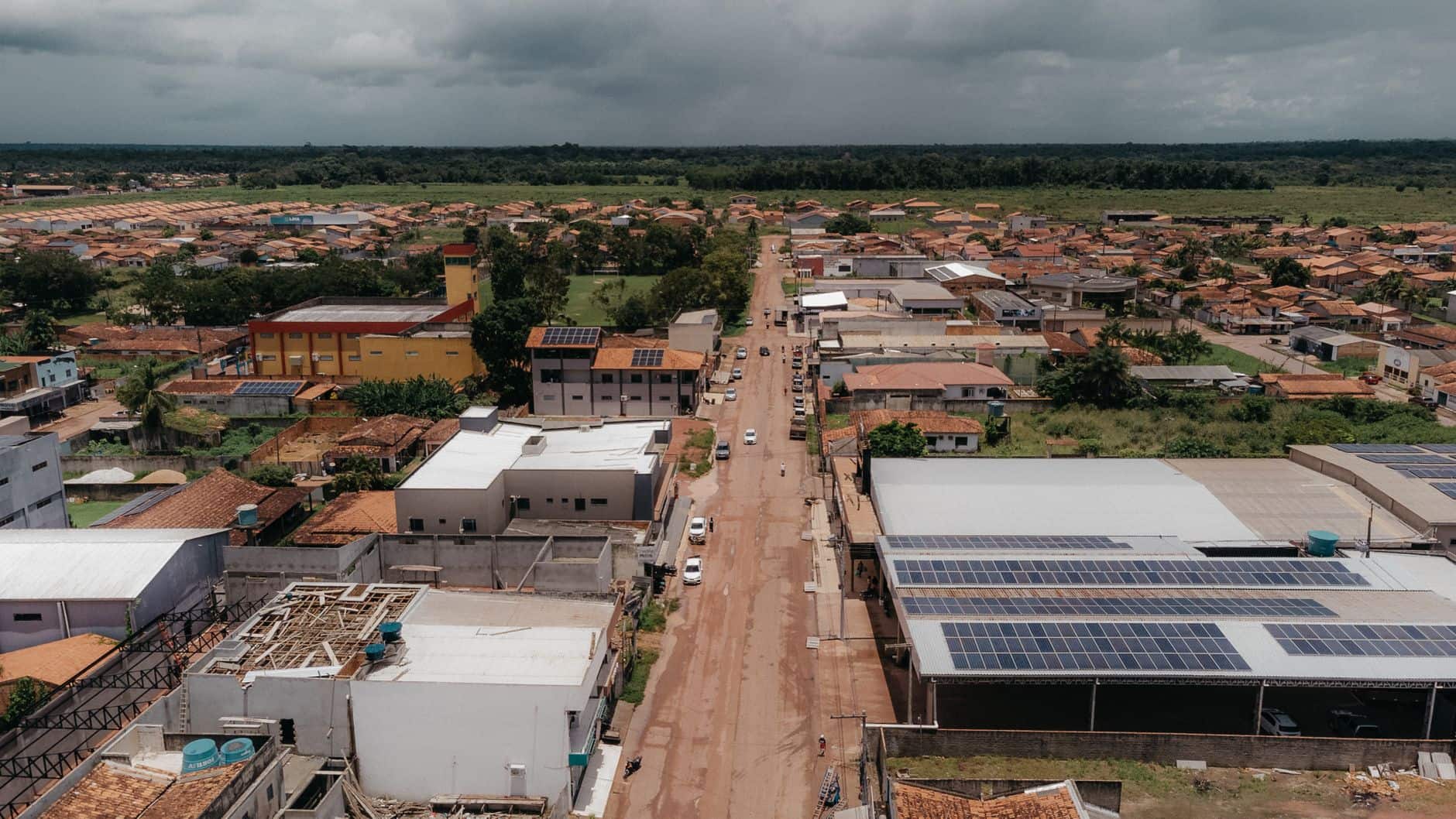
Italy’s RECs Reach 303 MW – Impact
Italy now has 3,630 active renewable energy communities delivering 303 MW, backed by €768 million in PNRR grants and a €5.7 bn funding scheme.
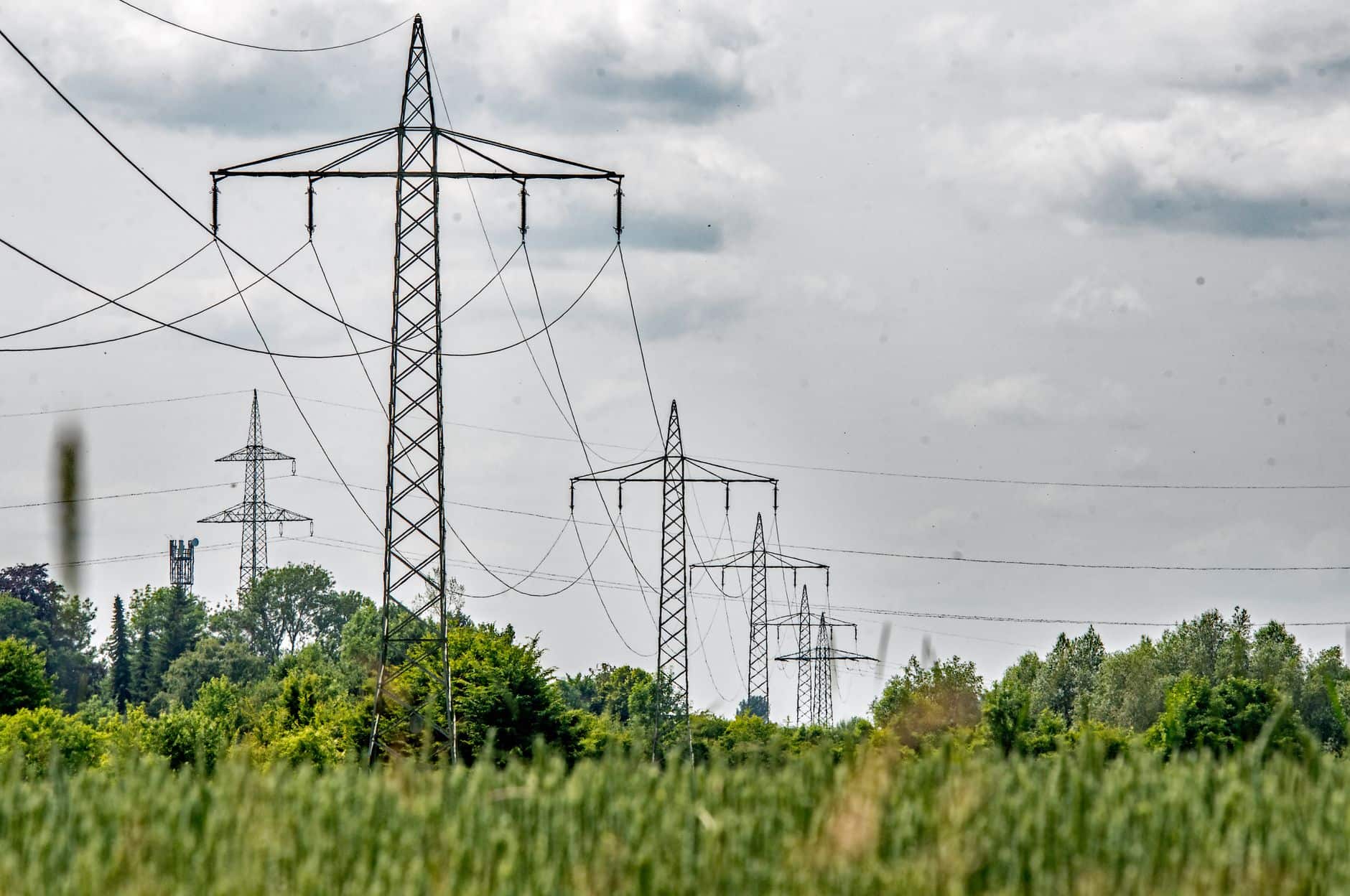
EU Electrification Plan to Double Power Use
The EU’s Electrification Action Plan aims to double electricity’s share in final energy use to 46% by 2040, cutting annual fossil‑fuel imports by €240 bn and reshaping the market with price‑parity, grid upgrades and ETS reforms.
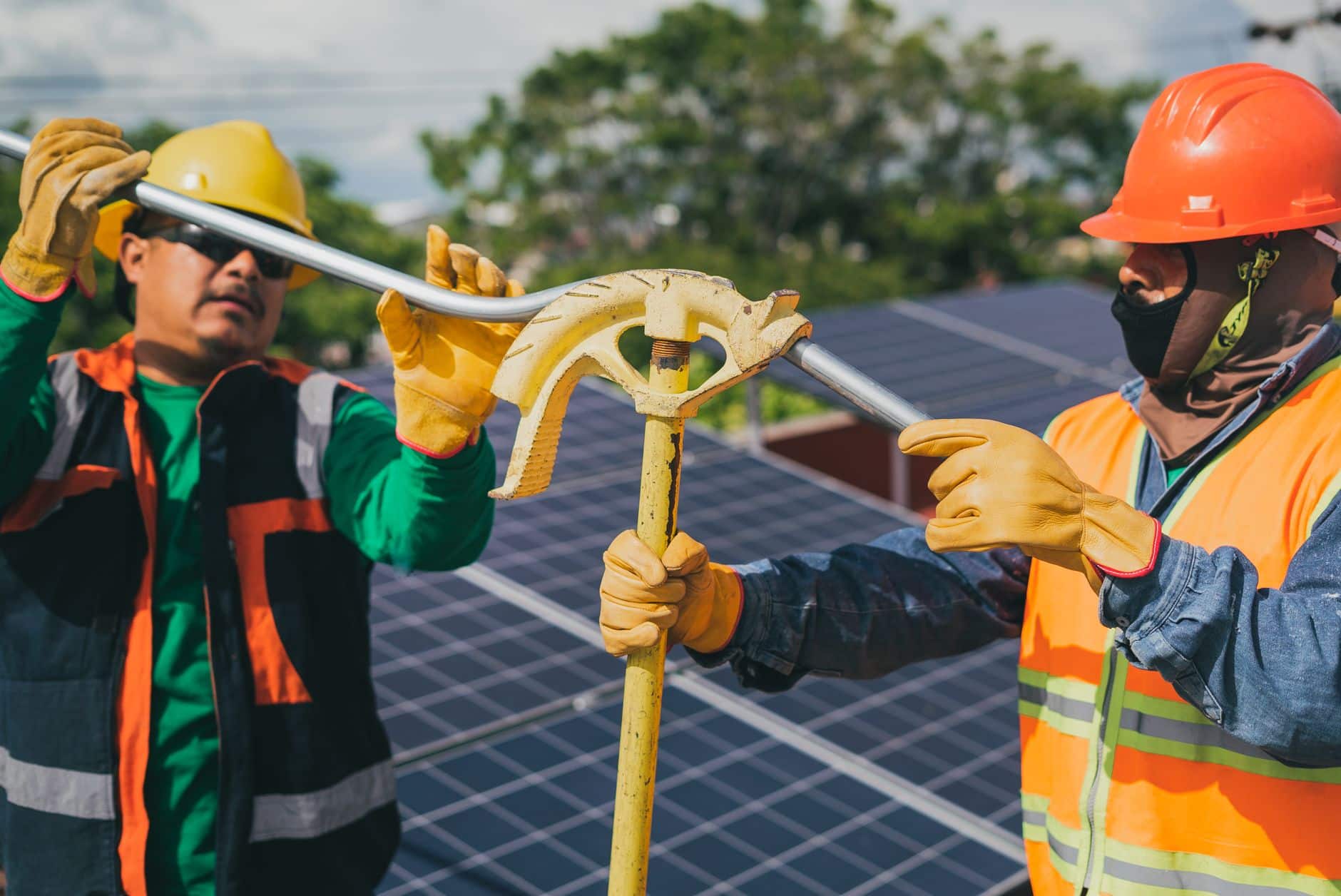
Inclusion Must Move Past Token Gestures
Inclusion in solar must move beyond token gestures to practical tools, gender‑neutral hiring and real leadership roles, a shift already shown to boost innovation and resilience worldwide.
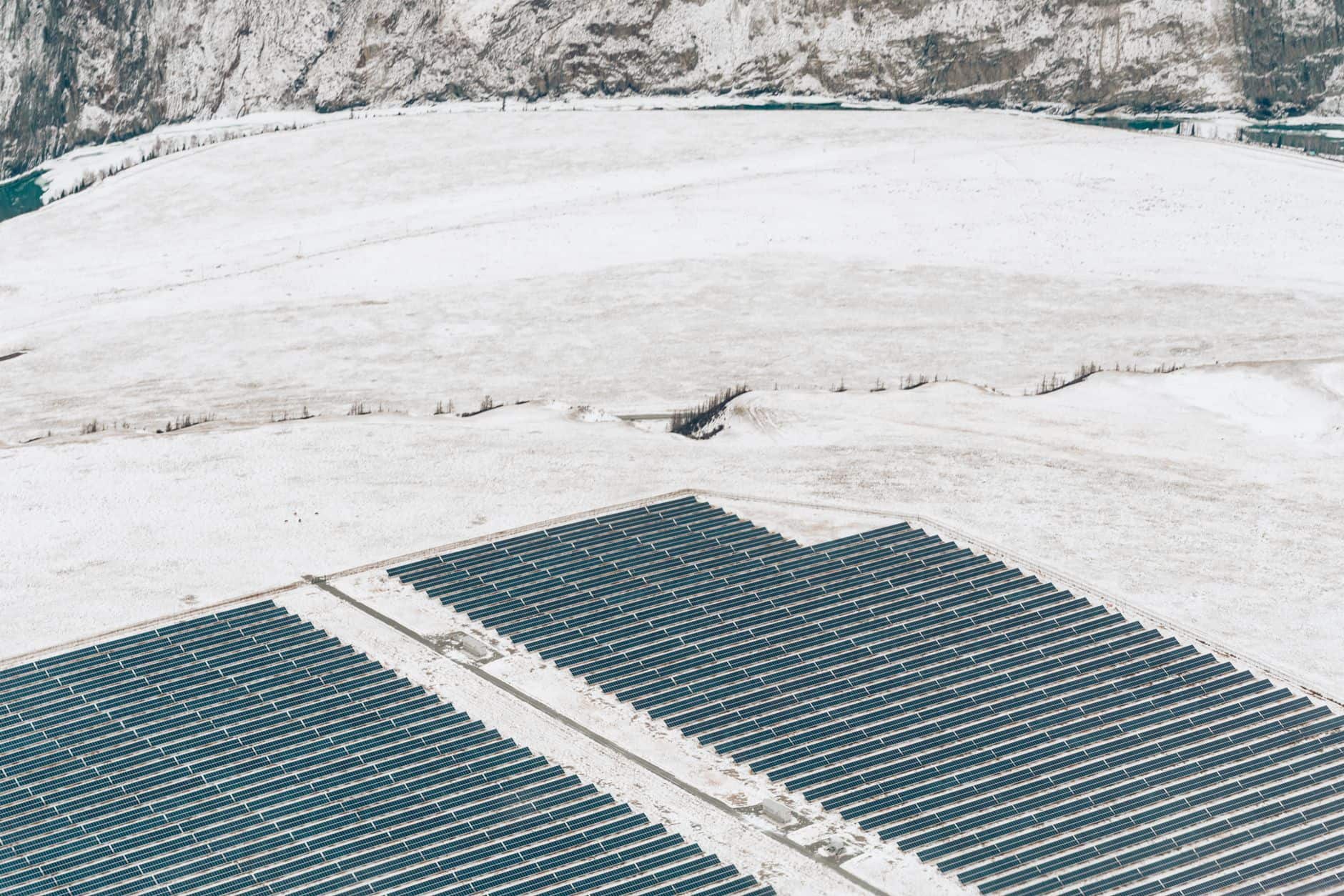
China's New Solar Tax Could Raise Global PV Prices
China’s new 2‑4 % consumption tax on solar cells (and batteries) starts in 2027, potentially nudging up global module prices and modestly extending payback periods for Israeli rooftop installations.
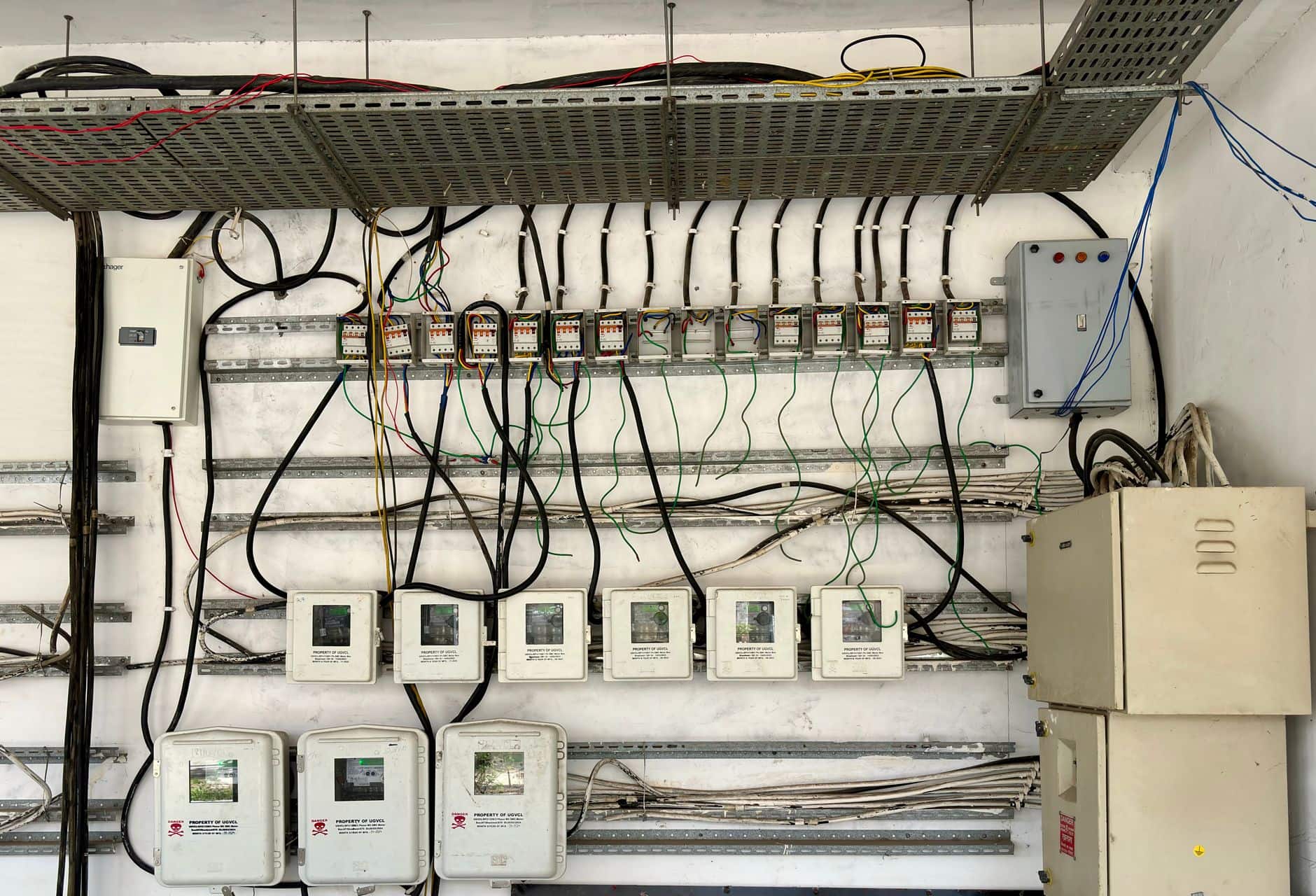
Cable Rule Loosened, Solar Projects Accelerate
Israel has relaxed its power‑cable standards, permitting higher‑ampacity conductors that cut solar project wiring, modestly lower costs and accelerate deployments, helping the country move toward its 2030 renewable‑energy goal.
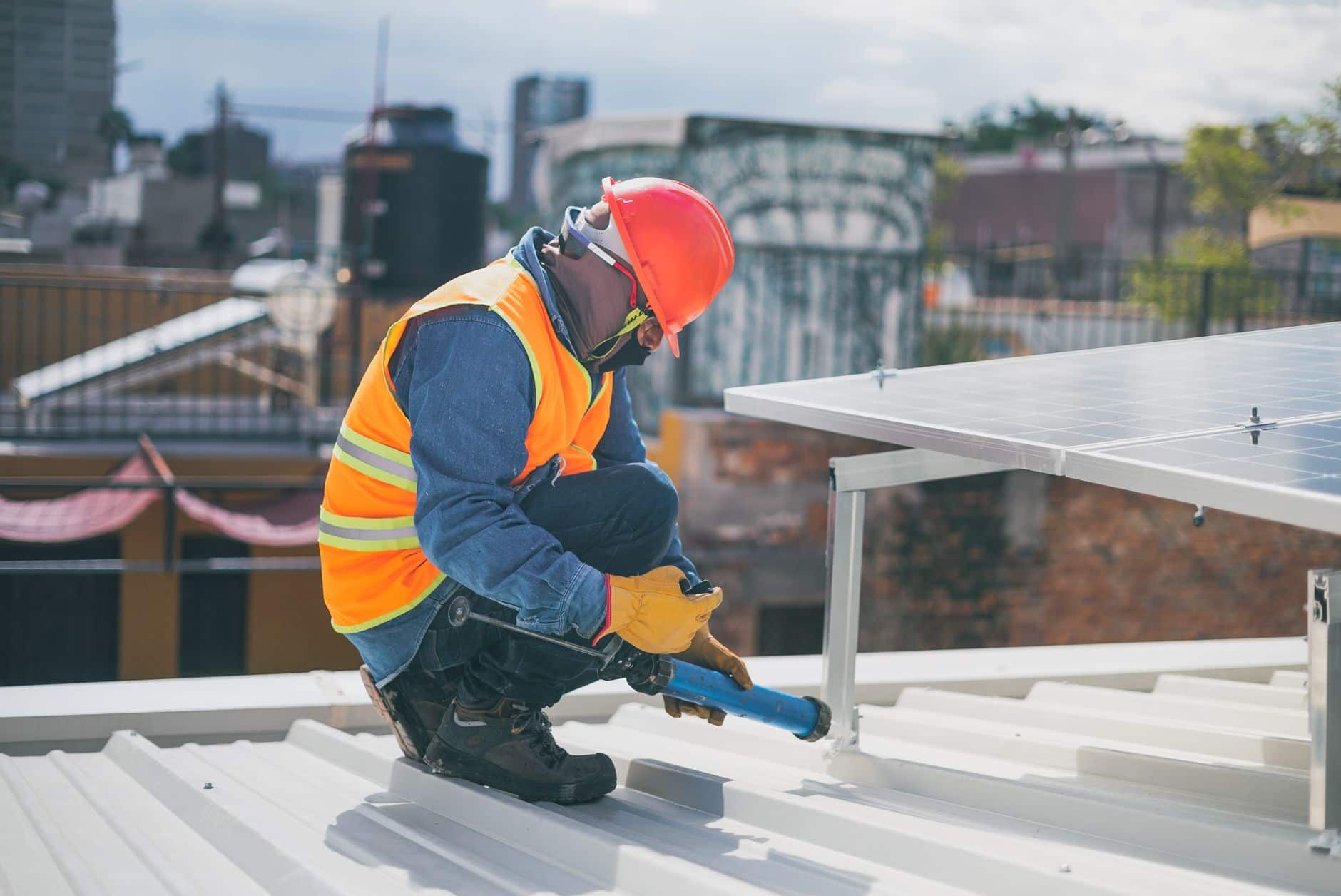
Israel Mandates Rooftop Solar on New Buildings
Israel’s new law forces rooftop solar on all new non‑residential buildings and adds fast‑track incentives, cutting the typical residential payback to under four years.