Solar Panels on Gabion Walls Unlock New Space
Solar panels can now cling to gabion walls
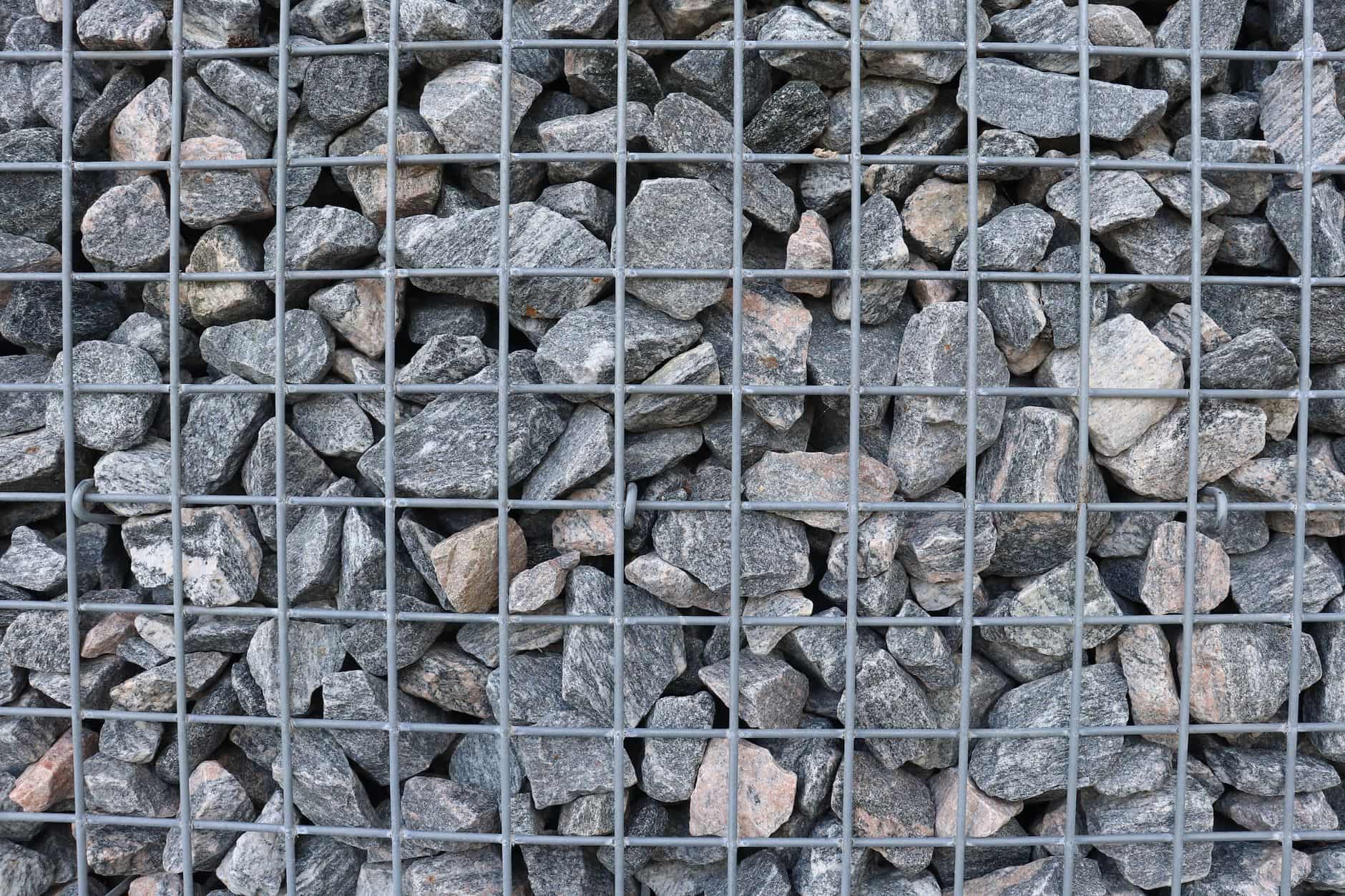
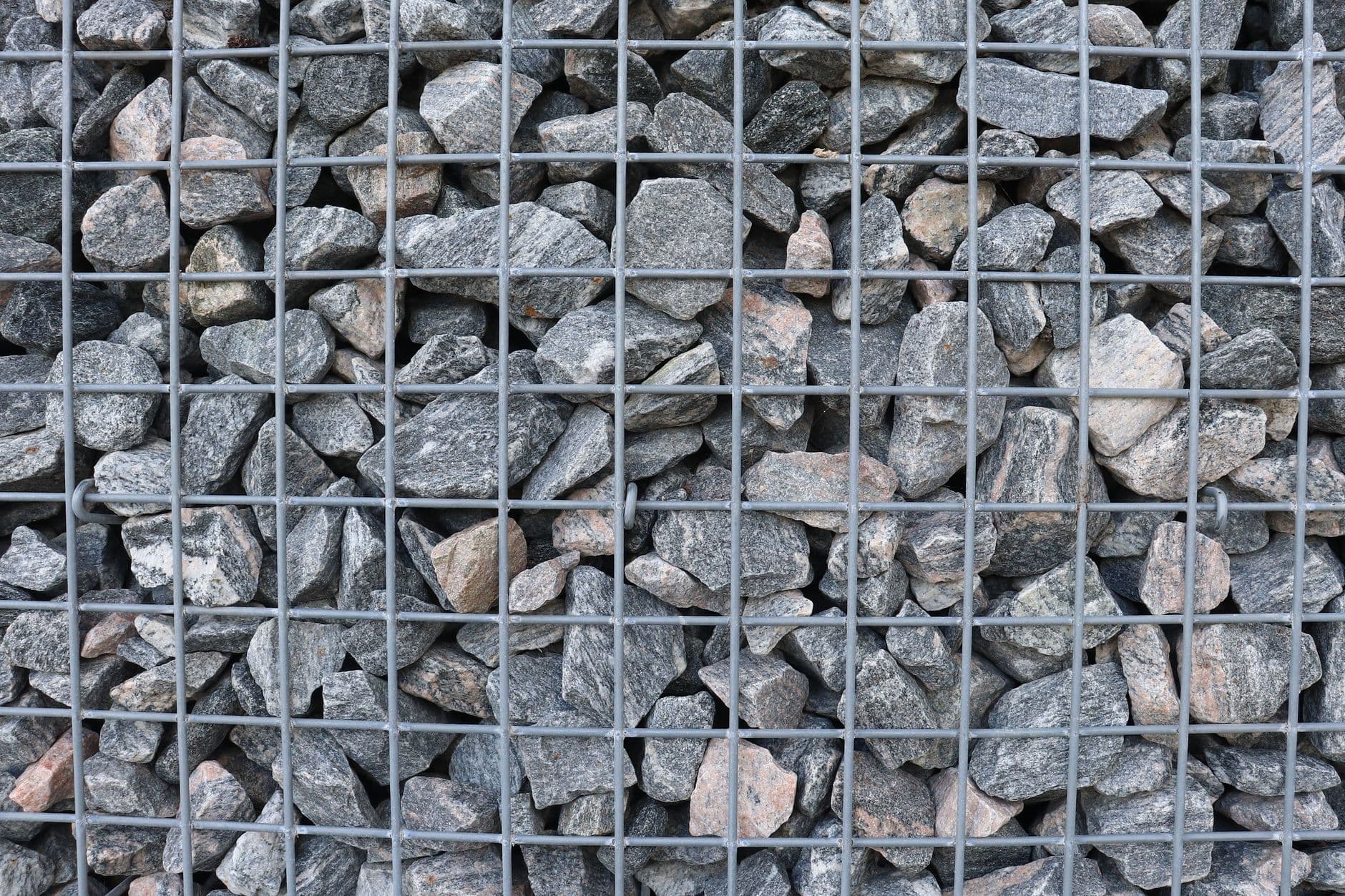
A mounting system developed by Wi Solar, Karl Ditandy and Diconal makes it possible to attach photovoltaic modules to irregular gabion structures. The clamps adapt to the uneven geometry of stone‑filled wire mesh, allowing a nine‑module test array to be installed on a former garden‑show site in Bingen, Germany. The field test proved the concept works in real‑world conditions, according to Sven Endris, owner of Wi Solar.
How the clamp overcomes irregular geometry
Gabion baskets are built from loosely packed stones, so their mesh openings shift by millimetres and protruding rocks can block standard mounting points. The new design uses elongated holes in both axes, letting the clamp slide vertically and horizontally to match the exact position of each opening. This flexibility keeps module spacing tight – a key factor for maximizing energy yield – while still providing the structural rigidity needed to survive high wind pressures.
Proven at Intersolar Europe
The system was unveiled at the recent Intersolar Europe trade show in Munich, where Diconal highlighted its potential for noise barriers, retaining walls, slope‑stabilisation structures and privacy screens. A prototype was quickly built, tested and refined in collaboration with Wi Solar and Karl Ditandy, who originally sought a way to turn their gabion products into solar‑friendly platforms.
Why gabion‑mounted solar matters
Traditional ground‑mounted farms require a substantial land area, whereas installing solar modules on existing gabion walls can generate comparable capacity with little additional land use. A residential system mounted on a gabion wall therefore frees up the space that would otherwise be needed for a ground‑mount installation.
What it means for Israel
Israel’s dense urban fabric and extensive network of noise barriers and retaining walls make gabion‑mounted PV especially attractive. Using the typical central‑Israel yield of 1 700 kWh/kWₚ·yr, a 10 kW system on a gabion wall would produce about 17 000 kWh per year. At the residential feed‑in tariff of ₪0.48 /kWh, that translates to roughly ₪8 160 of annual revenue. With a typical turnkey cost of ₪3 150/kWₚ, the installation would cost about ₪31 500, delivering a simple pay‑back of just under 4 years – identical to a conventional rooftop system but without consuming roof space.
For municipalities that already maintain gabion retaining walls, the incremental cost is mainly the mounting hardware, potentially cutting the pay‑back period further. Moreover, the added generation helps Israel move toward its 30 % renewable electricity target for 2030 while preserving valuable land for housing and agriculture.
Looking ahead
As the climate‑resilient design of gabion walls gains acceptance, more developers are likely to bundle solar‑ready gabion sections into new infrastructure projects. The modular clamp system can be scaled from a few panels on a noise barrier to larger installations along highways, offering a versatile pathway to increase solar capacity without expanding the land footprint.
Sources: PV‑Magazine, Intersolar Europe, SolarPower World.
FAQ
Can solar panels really be attached to gabion walls?
Yes – a new clamp system lets modules snap onto the irregular mesh of stone‑filled gabions, and a nine‑panel pilot in Germany proved it works.
What types of structures can use this mounting system?
The system is designed for gabion noise barriers, retaining walls, slope‑stabilisation structures and privacy screens that are at least three metres high.
How does the mounting clamp handle uneven gabion geometry?
It features elongated holes that allow the clamp to shift both vertically and horizontally, accommodating millimetre‑scale variations and protruding stones.
Is the gabion‑mounted system wind‑rated?
The design is engineered to resist high wind‑induced pressure and suction forces, meeting the same safety standards as conventional mounting frames.
Could Israel benefit from gabion‑mounted solar?
Yes – existing gabion walls could host PV without using roof or ground space, offering a pay‑back of under four years for a typical 10 kW home system.
What is the expected energy output of a 10 kW system on a gabion wall in central Israel?
Around 17 000 kWh per year, based on the regional yield of 1 700 kWh/kWₚ·yr.
Share this post
More from Technology
6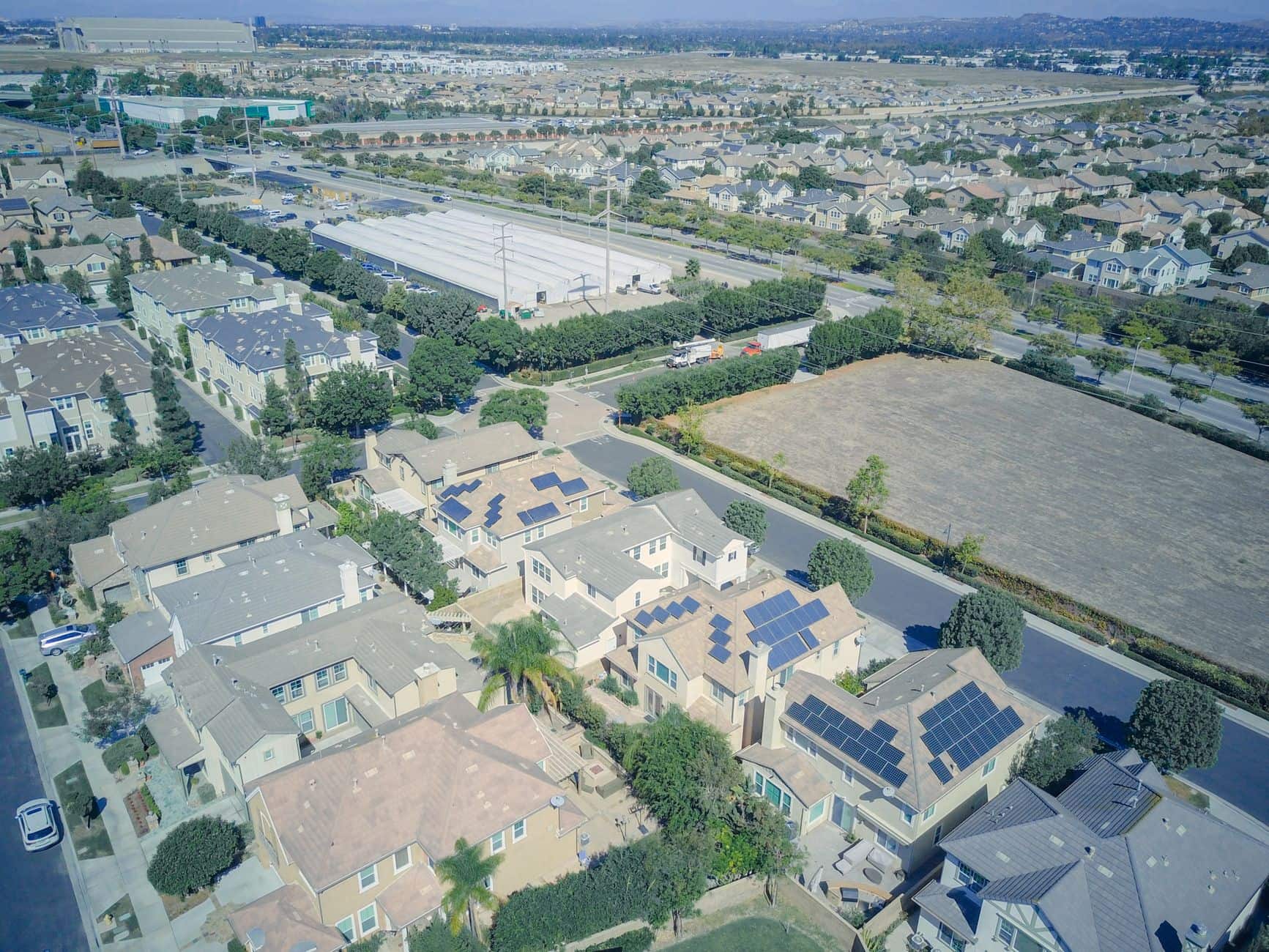
Wildfire Smoke Slashes Great Lakes Solar Output
Wildfire smoke in Ontario reduced solar irradiance across the Great Lakes by up to 10 %, with clear‑sky irradiance dropping over 6 % and soiling losses compounding the effect.
Offshore Wind Generates First Green Hydrogen
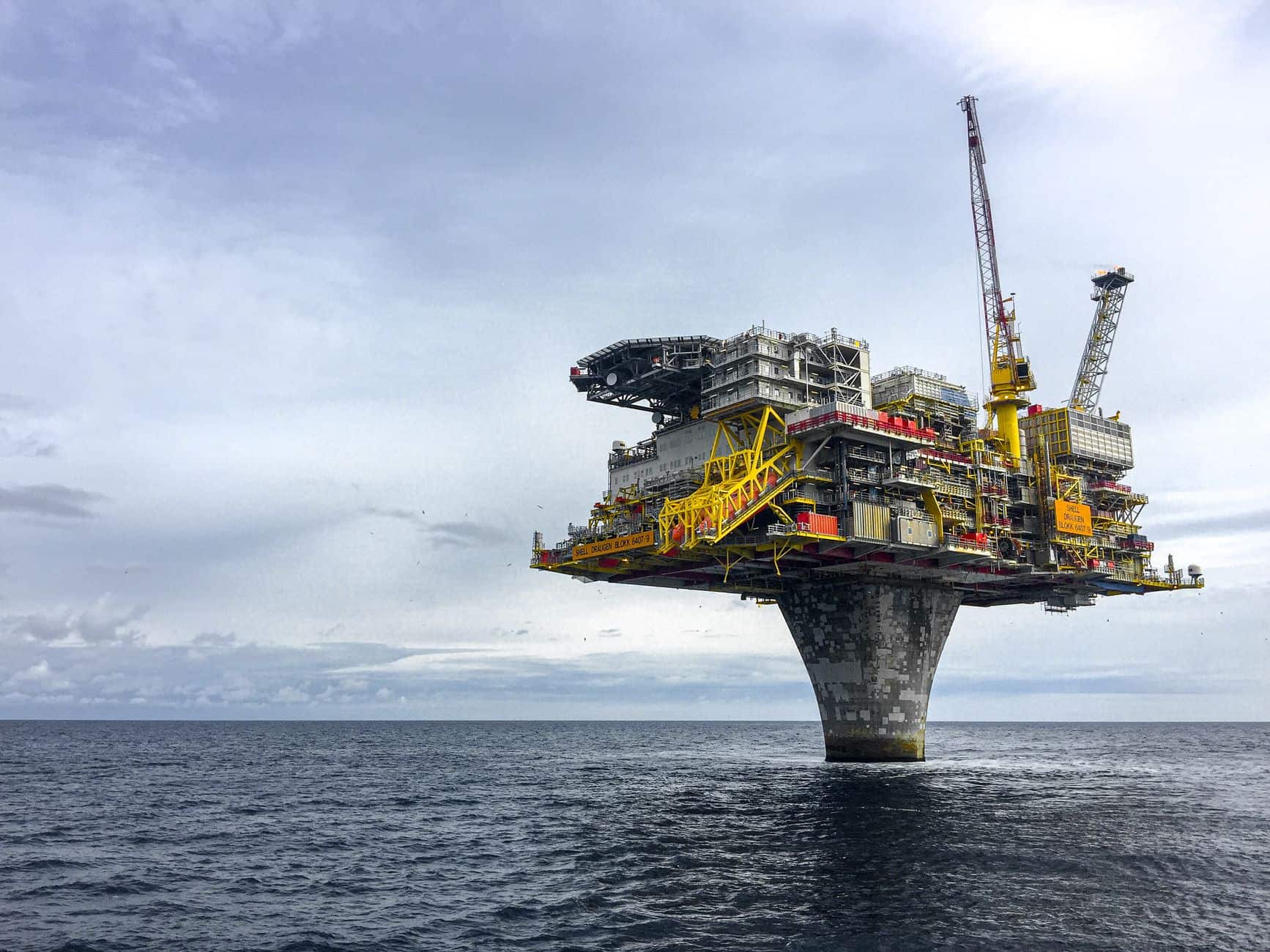
The PosHYdon pilot has become the world’s first offshore platform to generate green hydrogen using wind‑powered electrolysis, marking a new era for renewable‑fuel production at sea.
Cylindrical Solar Tubes Find New Life in Urban BIPV
Japanese researchers showed that cylindrical CIGS solar tubes stay cooler and capture sunlight more uniformly than flat panels, making them a promising BIPV option for urban façades.
Philippines Solar & EV Boom Cuts Power Bills
The Philippines is rapidly adding rooftop solar and electric‑vehicle fleets, cutting power bills and offering a template that Israel can follow.
Fiji‑Israel Deal Boosts Solar, Farming & Water
Fiji and Israel have signed a partnership to enhance agriculture, water security and solar power, featuring a $200 million solar initiative and a 31.9 MW tender.

World’s First Solar‑Powered Ambulance Hits the Road
A Dutch student team unveiled Stella Juva, the world’s first solar‑powered ambulance that can travel up to 715 km on a sunny day while powering full medical equipment.