Germany’s First 4.5 GW Capacity Auction Explained
Germany launches a 4.5 GW capacity auction
Germany’s Federal Network Agency opened the first 4.5 GW auction under the new Electricity Supply Security and Capacity Act (StromVKG), with bids due by 8 September. Successful projects will receive capacity payments for keeping the plant or storage unit available for 15 years — a direct answer to the government’s need for firm, dispatch‑able power as renewables grow.
How the auction is structured: payments, timeline and regional split
The auction is the first of six rounds planned through 2031. Two 4.5 GW rounds will focus on long‑duration capacity, followed by a >2 GW round for conventional generation and three more rounds from 2029 onward. At least one‑third of the volume must be awarded to projects in the “grid‑technical north”; bids for the “grid‑technical south” are penalised by a €16,000/MW deduction. The maximum allowed bid price is €244,000 per MW of reduced capacity per year, where “reduced capacity” reflects statutory reduction factors that differ by technology.
Strict technical rules for battery storage and local‑content requirements
Battery Energy Storage Systems (BESS) can only bid if they can discharge continuously for a minimum of 10 hours. A reduction factor of 0.58 applies to 10‑hour systems and 0.85 to 20‑hour systems – the same factor used for combined‑cycle gas turbines (CCGT). Batteries must also meet 100 % technical availability (CCGTs are allowed 85 %) and a round‑trip efficiency of at least 92 %, a hurdle that could exclude many flow‑battery concepts. In addition, key components such as cells and inverters must be sourced from the EU or countries with a free‑trade agreement, and every project must be able to provide instantaneous reserve power.
Industry reaction: criticism and cost impact
The design has drawn fire from storage developers who say the technical thresholds make long‑duration batteries effectively uncompetitive, even though the tender is formally technology‑neutral. Analysts note that the €244,000/MW ceiling is relatively generous; several studies have estimated that it could increase electricity costs for consumers by slightly more than €0.01/kWh. The generous price signal is intended to attract enough firm capacity to cover periods when wind and solar are low.
EU state‑aid uncertainty and legal questions
Developers must submit bids even though the European Commission has not yet cleared the StromVKG under EU state‑aid rules. Critics argue that launching the scheme without prior Commission consultation forces investors to commit before the legal framework is settled. Some legal experts suggest the levy‑financed model may sidestep traditional state‑aid scrutiny, but the final outcome remains unclear.
What it means for Israel’s solar and storage market
While Germany is paying up to €244 per kW·year to guarantee firm capacity, a typical 1 kW rooftop PV system in Israel’s central region produces about 1 700 kWh annually, worth roughly ₪816 at the residential tariff. In other words, the German capacity payment per kW is of the same order as the entire yearly revenue of an Israeli rooftop panel.
For an Israeli homeowner, a 10 kW system costs about ₪31 500 and generates ~17 000 kWh/year, earning ~₪8 160 at the residential tariff of ₪0.48/kWh – a payback of just under 4 years. By contrast, a 1 MW battery that wins the German auction would receive €244 000 per year, which would dwarf the annual cash flow of a comparable‑size solar‑plus‑storage installation in Israel. The German model therefore signals a policy direction where large‑scale storage is heavily subsidised to back up renewables, a contrast to Israel’s market‑driven leasing approach.
Looking ahead, if Germany’s capacity market succeeds in attracting enough long‑duration storage, it could set a benchmark for other European nations and eventually influence Israeli policymakers who are debating how to secure firm capacity as the country pushes toward its 30 % renewable target for 2030. For now, Israeli investors can watch the German auction as a case study in how generous capacity payments can accelerate storage deployment – but they must also weigh the higher cost to consumers and the regulatory uncertainties that still loom.
Key dates: Bids close 8 Sept 2026; winners announced 3 Nov 2026; second auction deadline expected 10 Nov 2026.
Sources: PV Magazine, Ember – Germany’s battery opportunity, Timera Energy – What StromVKG means for the power system, ESS‑News – Germany opens first 4.5 GW capacity auction.
Sources & further reading
FAQ
When must developers submit bids for Germany’s first capacity auction?
Bids are due by 8 September 2026, with the winners to be announced on 3 November 2026.
What types of projects can participate in the auction?
Both new dispatchable generation (e.g., CCGT) and long‑duration battery storage that can discharge for at least 10 hours are eligible.
How much can a bidder ask for per MW of capacity?
The maximum bid price is €244,000 per MW of reduced capacity per year.
Why are battery storage projects considered less competitive?
They must meet 100 % technical availability, a 92 % round‑trip efficiency, and a 10‑hour minimum discharge, which are stricter than for gas turbines.
Is the StromVKG already approved by the EU?
No, the European Commission’s state‑aid clearance is still pending, so developers are bidding before the legal review is complete.
How does the German capacity payment compare to Israeli rooftop solar earnings?
Germany’s €244 per kW · year payment is roughly the same magnitude as the annual revenue of a 1 kW Israeli rooftop PV system (about ₪816, or €220).
Share this post
More from Policy
6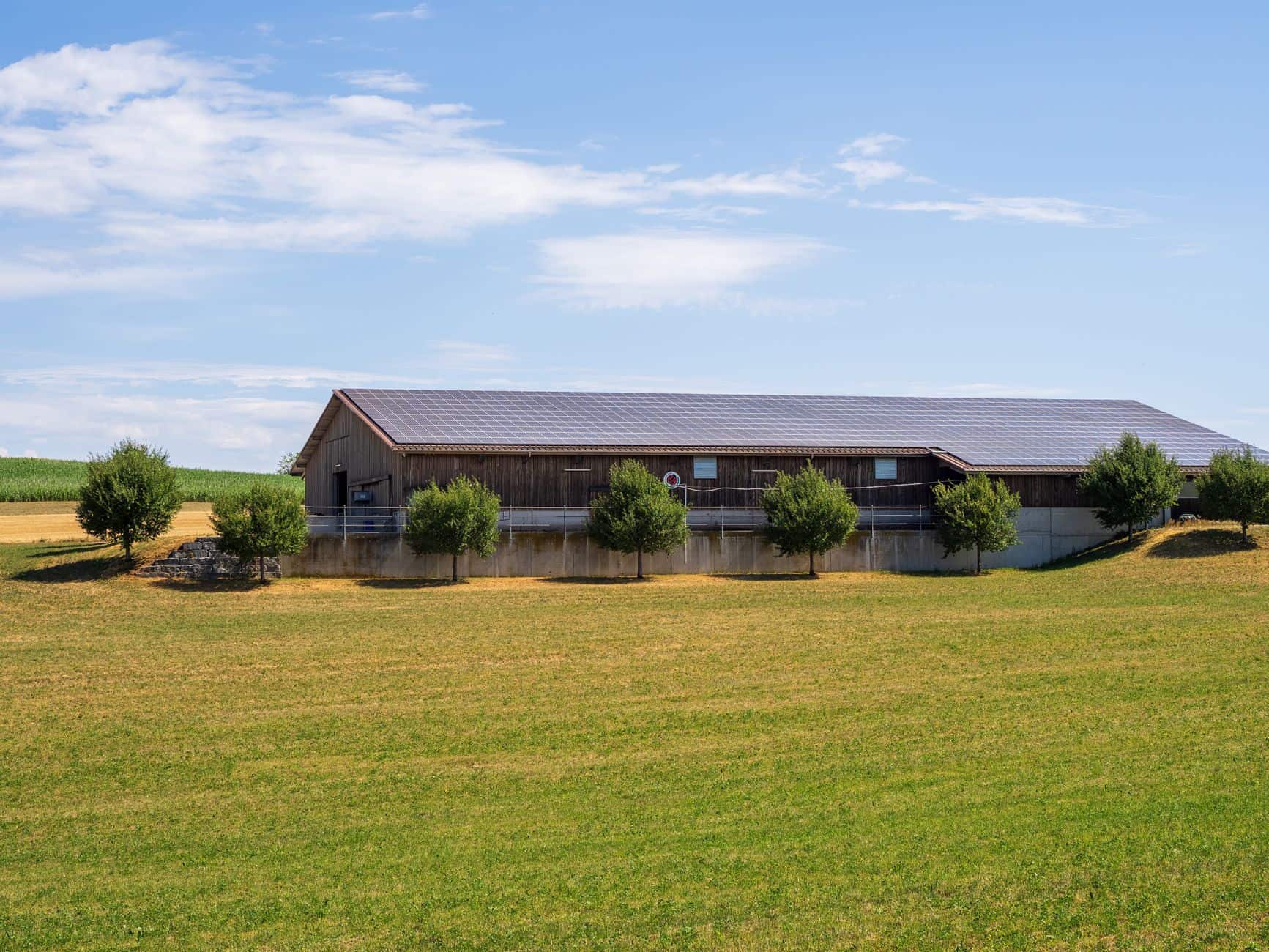
Agrivoltaics Law Falls, Yet New Rules Emerge
Israel’s bill to allow solar farms over active cropland was rejected in the Knesset, but new detailed regulations now pave the way for agrivoltaic projects to move forward.
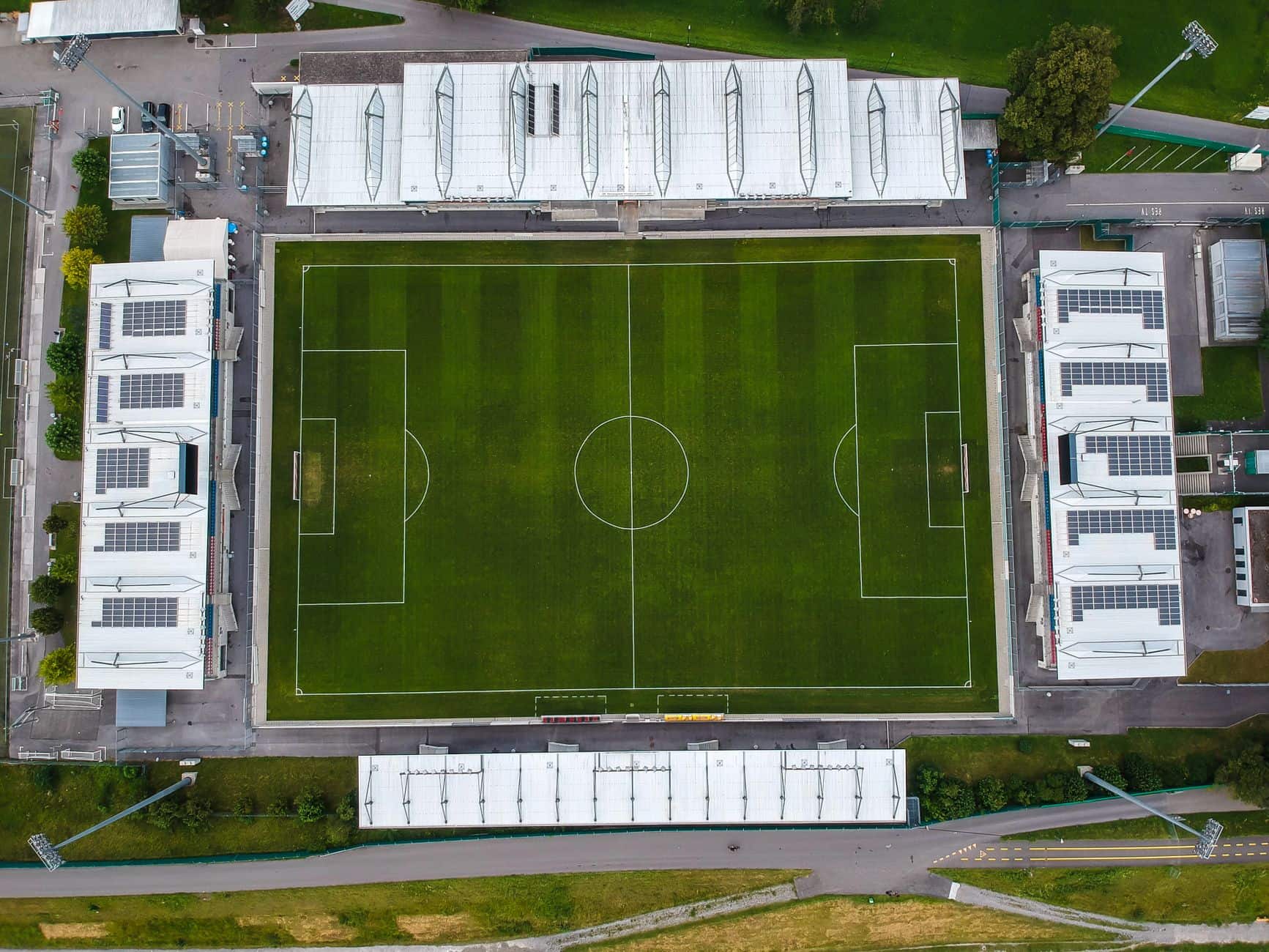
42 Israeli Authorities Get Solar Canopy Grants
42 Israeli municipalities have been granted funds to install solar canopies on sports fields, shading roughly 3,000 dunams and contributing significantly to the 2030 renewable‑energy goal.
Italy’s RECs Reach 303 MW – Impact
Italy now has 3,630 active renewable energy communities delivering 303 MW, backed by €768 million in PNRR grants and a €5.7 bn funding scheme.
EU Electrification Plan to Double Power Use
The EU’s Electrification Action Plan aims to double electricity’s share in final energy use to 46% by 2040, cutting annual fossil‑fuel imports by €240 bn and reshaping the market with price‑parity, grid upgrades and ETS reforms.
Inclusion Must Move Past Token Gestures
Inclusion in solar must move beyond token gestures to practical tools, gender‑neutral hiring and real leadership roles, a shift already shown to boost innovation and resilience worldwide.
China's New Solar Tax Could Raise Global PV Prices
China’s new 2‑4 % consumption tax on solar cells (and batteries) starts in 2027, potentially nudging up global module prices and modestly extending payback periods for Israeli rooftop installations.