Agrivoltaics Law Falls, Yet New Rules Emerge
Law that would let solar panels sit over crops was rejected by the Knesset
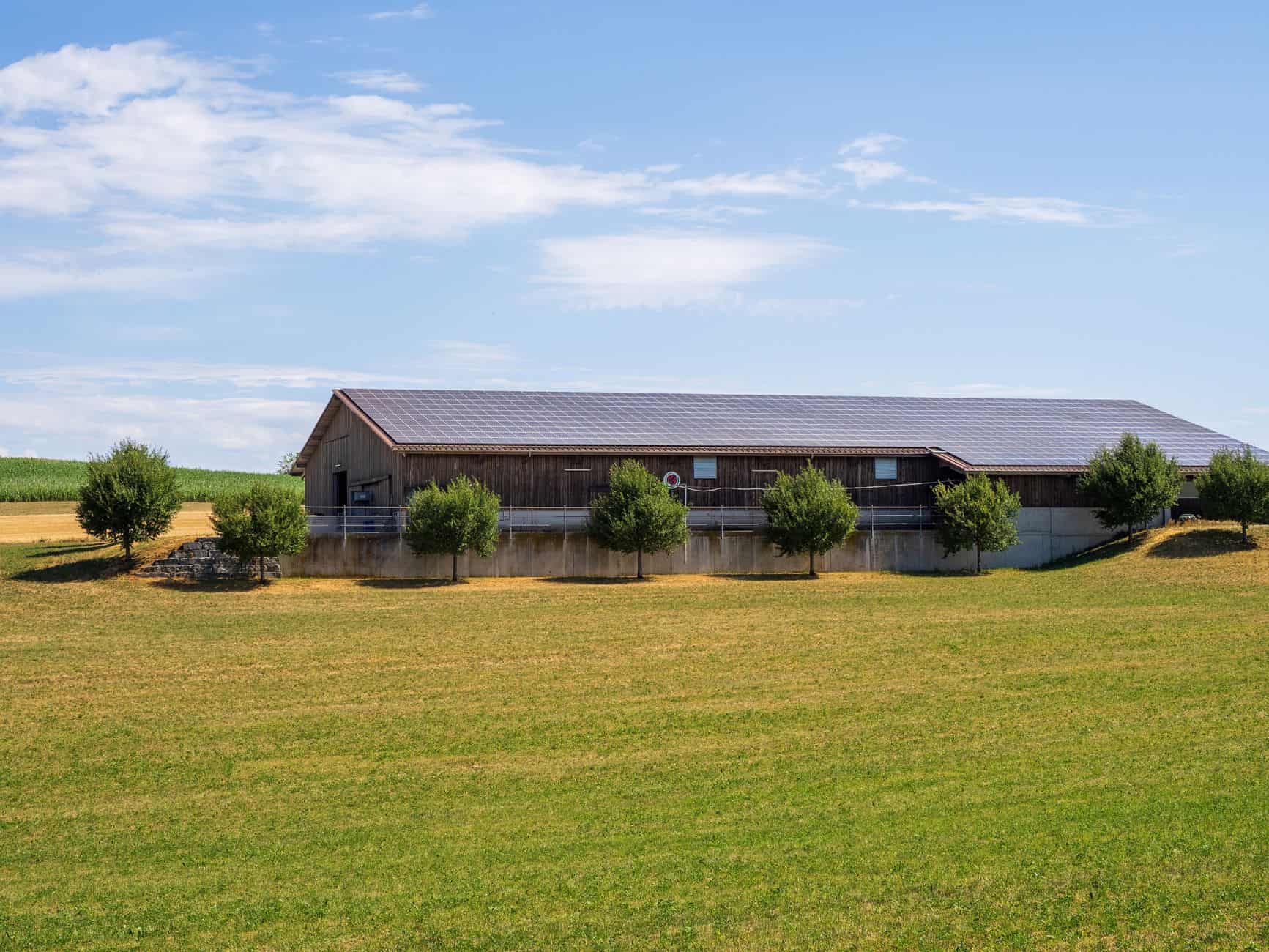
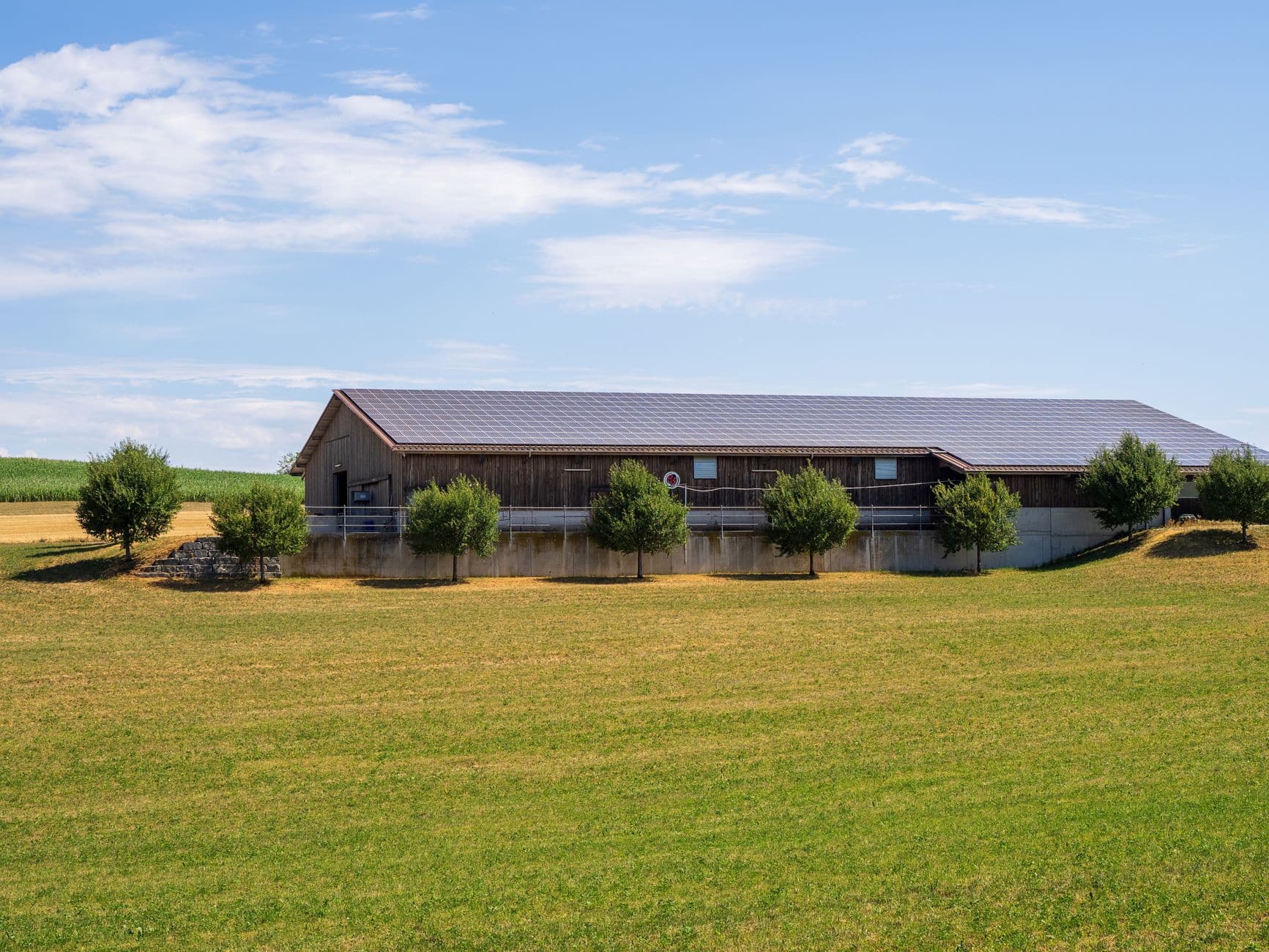
The bill to enable agrivoltaics – solar farms built on top of active agricultural land – was voted down in a split Knesset vote, ending the immediate push for a dedicated basic law on the issue. Law‑makers raised concerns about land‑use, farming continuity and grid integration, leading to its defeat despite backing from parts of the Ministry of Energy.
Agrivoltaics: why the idea matters
Agrivoltaics combines food production with solar power, letting panels generate electricity while crops grow underneath. Research discusses how shading can affect water use efficiency and crop yields, while the electricity offsets fossil‑fuel generation. The concept has been piloted in Israel since 2022, with small‑scale farms reporting notable benefits (https://www.sciencedirect.com/science/article/pii/S0264837726002486).
What caused the bill to fall?
The vote split along party lines: religious parties and several agricultural lobbyists opposed the bill, fearing loss of arable land and insufficient protection for farmers. MK Moshe Gafni (UTJ) expressed concerns that large‑scale solar could displace crops (https://main.knesset.gov.il/EN/Pages/default.aspx). Meanwhile, the Ministry of Energy argued the legislation was needed to meet Israel’s 30 % renewable electricity target for 2030, but critics said the draft lacked concrete limits on panel coverage and minimum crop yields.
New regulatory framework sidesteps the failed law
Even though the basic‑law proposal collapsed, the government moved forward with detailed agrivoltaic regulations. In February 2026 the National Planning and Building Council approved an outline plan that sets limits on solar coverage and panel height per crop type, and includes provisions to maintain a substantial share of the original agricultural output (https://www.pv-magazine.com/2026/02/24/israel-approves-rules-for-agrivoltaics/). A separate “national land‑use plan” was also signed, creating a fast‑track licensing pathway for projects that meet these standards (https://israelscienceinfo.com/en/the-israeli-government-has-approved-the-first-ever-national-land-use-plan-dedicated-to-agrivoltaic-installations/).
Economic outlook: a quick Israeli pay‑back example
Using typical Israeli figures – a commercial installation cost of ₪2,200 per kW, an average annual yield of 1,700 kWh per kW in the central region, and the commercial feed‑in tariff of ₪0.41 per kWh – a 1 MW agrivoltaic plant would:
- Generate about 1.7 GWh of electricity per year (1 MW × 1,700 kWh/kW).
- Earn roughly ₪697,000 annually (1.7 M kWh × ₪0.41/kWh).
- Require an upfront investment of ≈₪2.2 million (1 MW × 2,200 ₪/kW).
- Reach a simple pay‑back in ≈3.2 years, well before the typical 25‑year system life. This illustrative calculation shows that, even with modest yields, agrivoltaic projects can be financially attractive while preserving farming activity.
What it means for Israel
The failure of the basic‑law proposal does not halt Israel’s renewable ambitions. The new regulations give developers a clear path to combine solar power with food production, helping the country inch toward its 30 % renewable electricity goal for 2030. For farmers, the rules protect a minimum share of agricultural output, meaning they can earn both crop revenue and electricity sales. At the national level, every megawatt of agrivoltaics adds clean power to the grid without consuming additional land, easing the pressure on Israel’s limited arable area and supporting the Energy Ministry’s target of 20 % renewables by 2025.
Looking ahead
The next steps involve issuing the first licences under the new framework, monitoring pilot performance, and possibly tightening the coverage limits if farming impacts emerge. Industry observers anticipate growing interest as the government signals willingness to fast‑track projects that meet the new standards. If early deployments prove profitable and environmentally sound, the political momentum could revive a more comprehensive agrivoltaic law in the next Knesset session.
What it means for Israel (stand‑alone section)
Using the representative Israeli numbers, a typical 10 kW rooftop system in the central region would produce ≈17,000 kWh/year, worth ≈₪8,160 at the residential tariff of ₪0.48/kWh, and pay for itself in about 3.9 years after a ₪31,500 installation cost. Scaling this to a 1 MW agrivoltaic farm (as shown above) yields a similar pay‑back horizon, demonstrating that agrivoltaics can be as economically viable as rooftop solar while preserving farmland. Homeowners and farmers alike can therefore view solar not just as an energy solution but as a dual‑income asset.
For a deeper dive into your own solar ROI, try our calculator and explore the latest market data on our data page.
Sources & further reading
- The politics of land in Israel's solar transition: Top-down and bottom...
- PDF Executive Summary: Agrivoltaics in Israel: Current Status and...
- Will the sun bring peace? Profiling the optimal mechanism for the...
- Knesset website - homepage
- The Negev “Hydrogen Valley”: A Strategy for Energy and... - INSS
FAQ
Why did the agrivoltaics law fail in the Knesset?
Law‑makers said the draft lacked clear limits on land use, panel coverage and guaranteed crop yields, leading to opposition from agricultural and religious groups.
What are the new rules for agrivoltaic projects?
The 2026 regulations cap solar coverage at 30 % of a field, set panel height limits per crop, and require at least 70 % of the original agricultural output to be maintained.
Can agrivoltaics be profitable for Israeli farmers?
Yes. A 1 MW system can earn about ₪697,000 a year at the commercial tariff and recoup its roughly ₪2.2 million cost in just over three years.
How does agrivoltaics help Israel meet its renewable targets?
By generating clean power on existing farmland, agrivoltaics adds capacity without consuming new land, supporting the 30 % renewable electricity goal for 2030.
Is there any risk to crop yields?
The regulations require a minimum agricultural yield (typically 70 % of pre‑project output) and limit shading, aiming to protect farmers’ production.
Share this post
More from Policy
6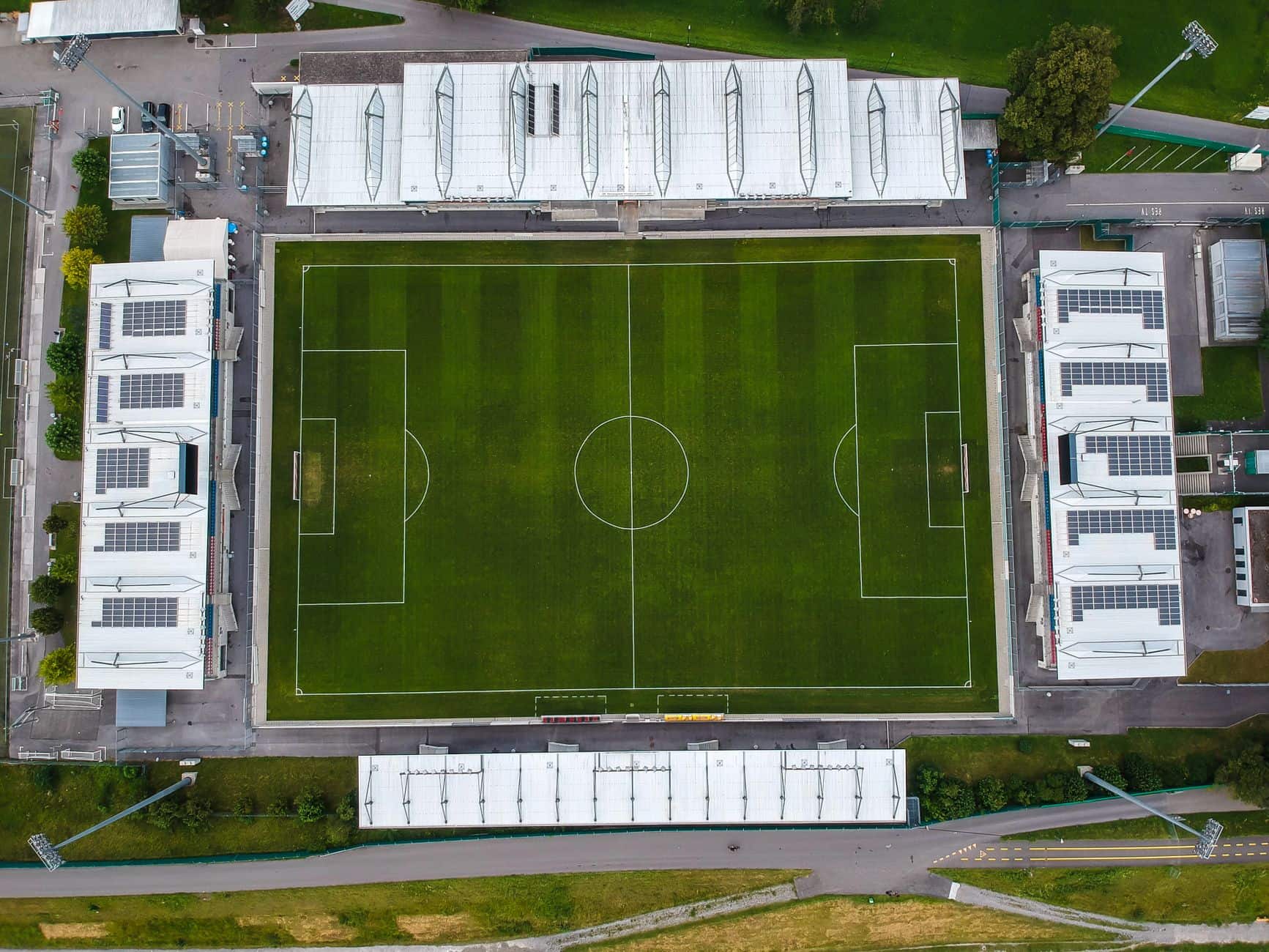
42 Israeli Authorities Get Solar Canopy Grants
42 Israeli municipalities have been granted funds to install solar canopies on sports fields, shading roughly 3,000 dunams and contributing significantly to the 2030 renewable‑energy goal.
Italy’s RECs Reach 303 MW – Impact
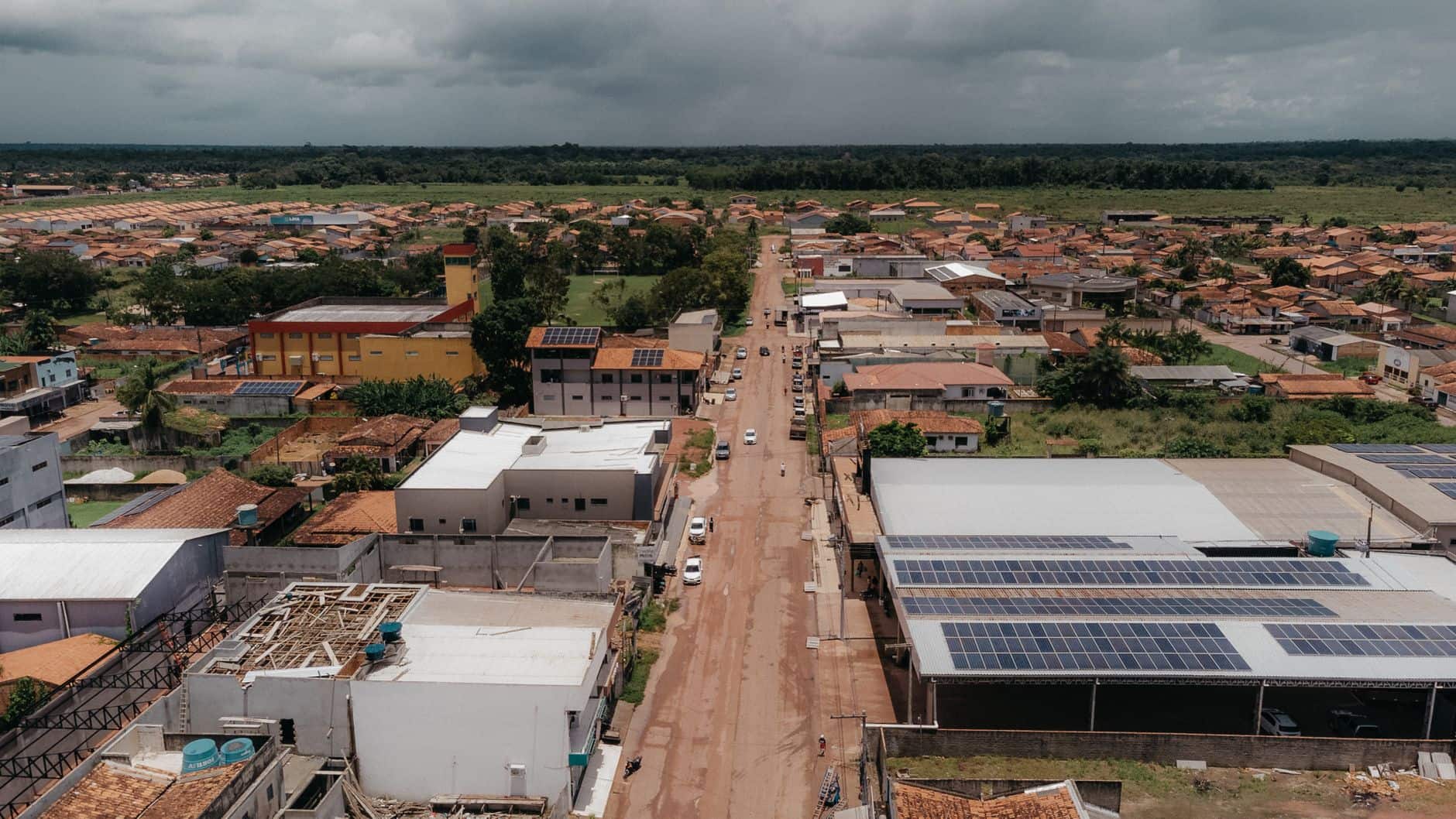
Italy now has 3,630 active renewable energy communities delivering 303 MW, backed by €768 million in PNRR grants and a €5.7 bn funding scheme.
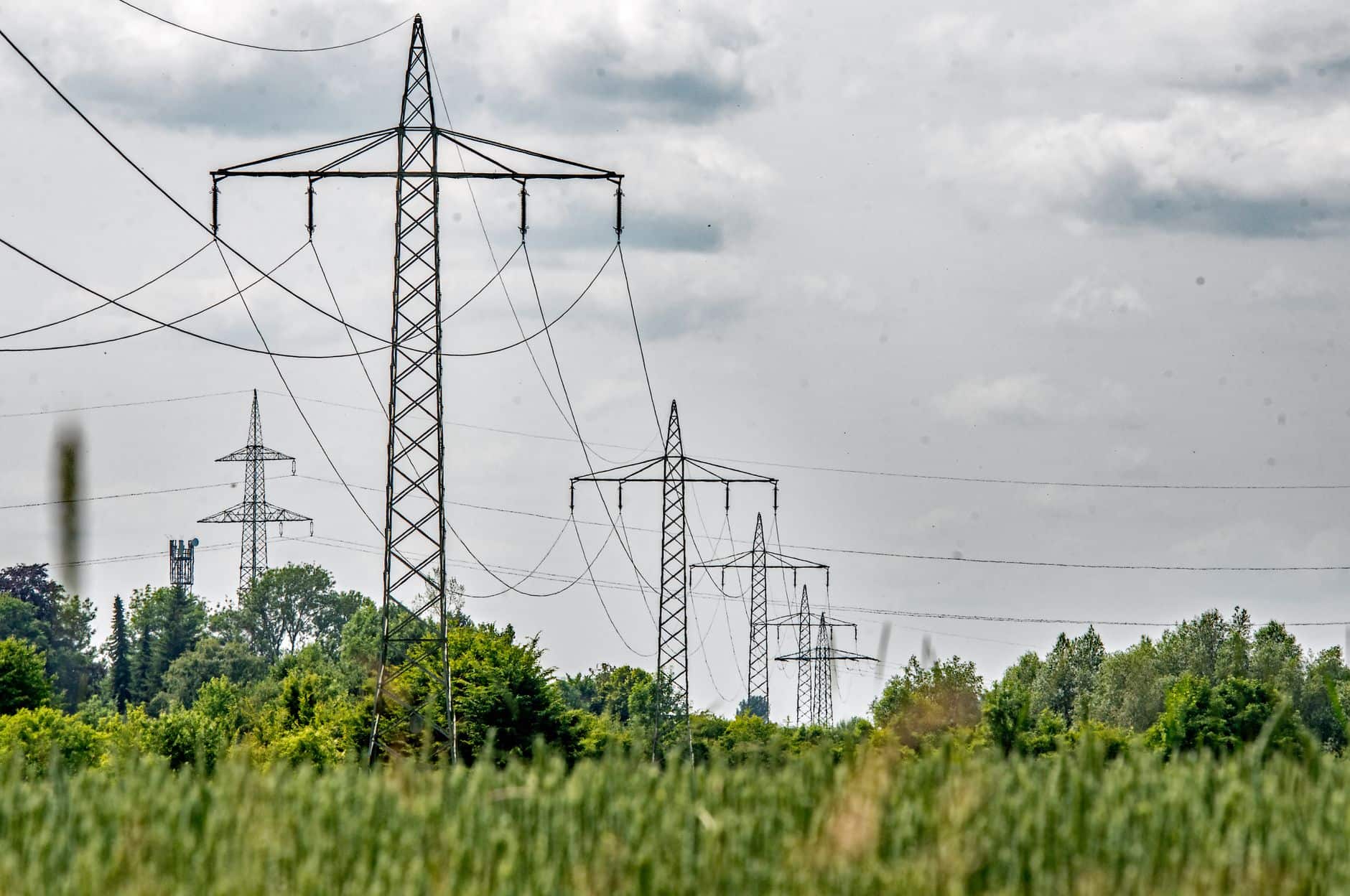
EU Electrification Plan to Double Power Use
The EU’s Electrification Action Plan aims to double electricity’s share in final energy use to 46% by 2040, cutting annual fossil‑fuel imports by €240 bn and reshaping the market with price‑parity, grid upgrades and ETS reforms.
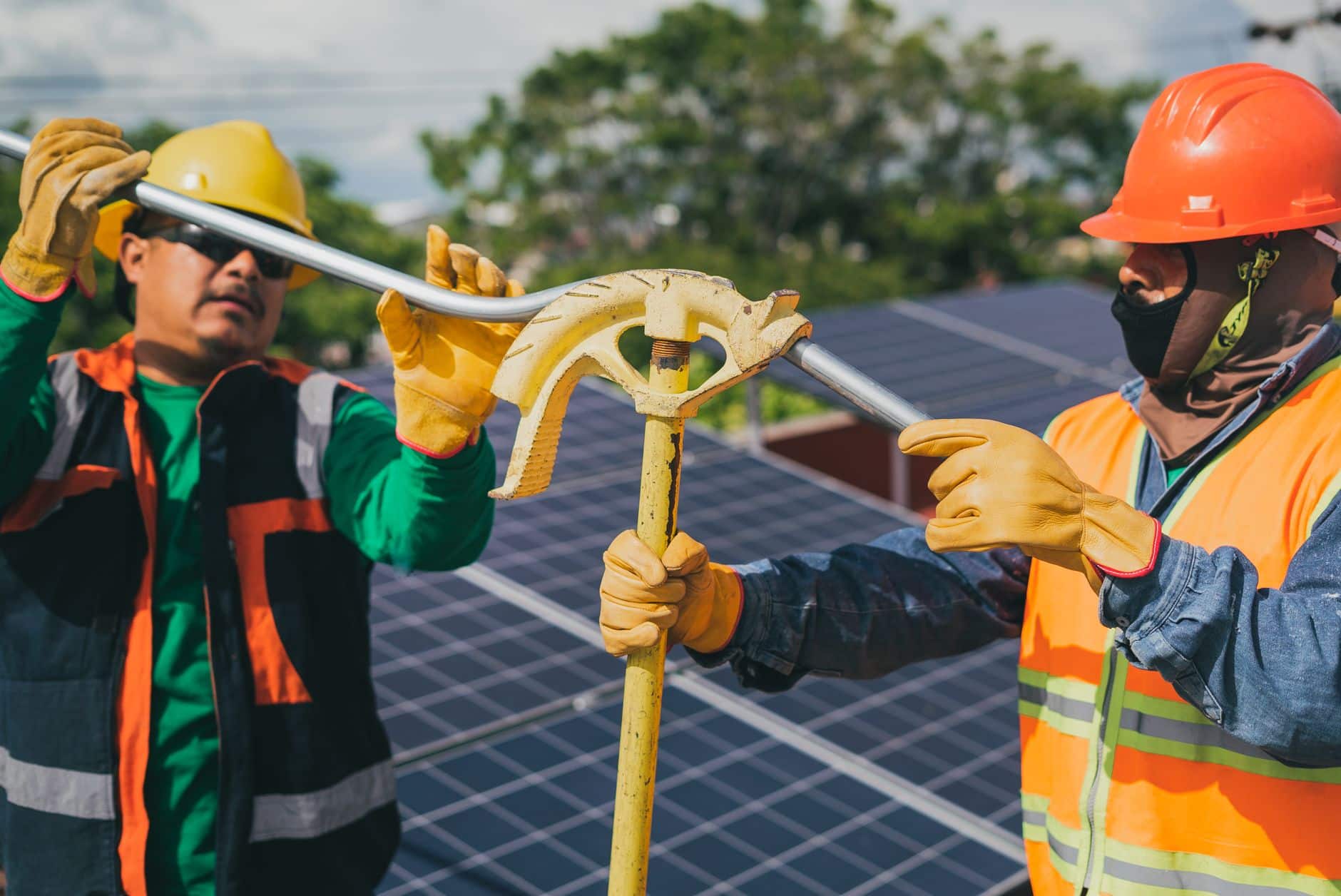
Inclusion Must Move Past Token Gestures
Inclusion in solar must move beyond token gestures to practical tools, gender‑neutral hiring and real leadership roles, a shift already shown to boost innovation and resilience worldwide.
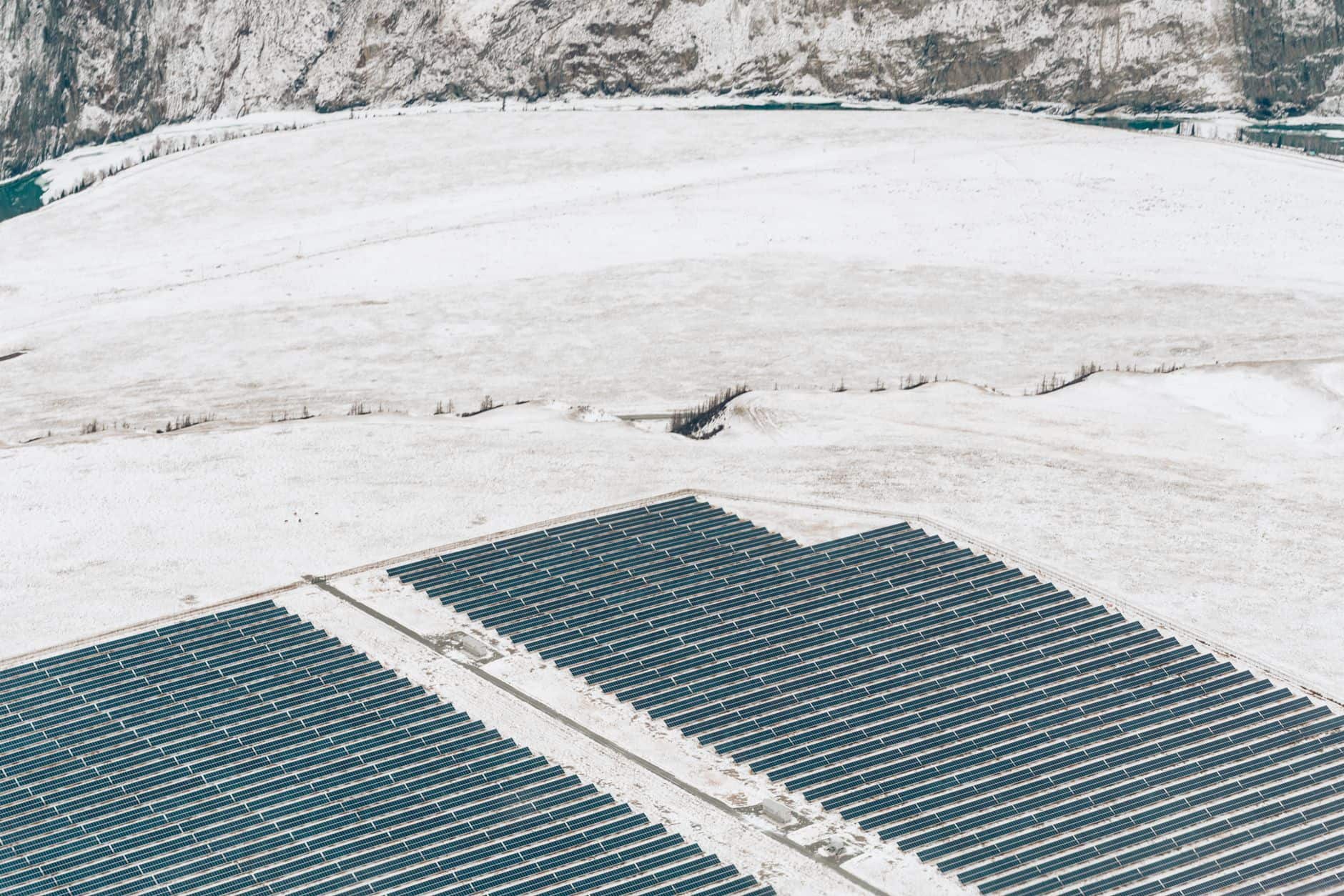
China's New Solar Tax Could Raise Global PV Prices
China’s new 2‑4 % consumption tax on solar cells (and batteries) starts in 2027, potentially nudging up global module prices and modestly extending payback periods for Israeli rooftop installations.
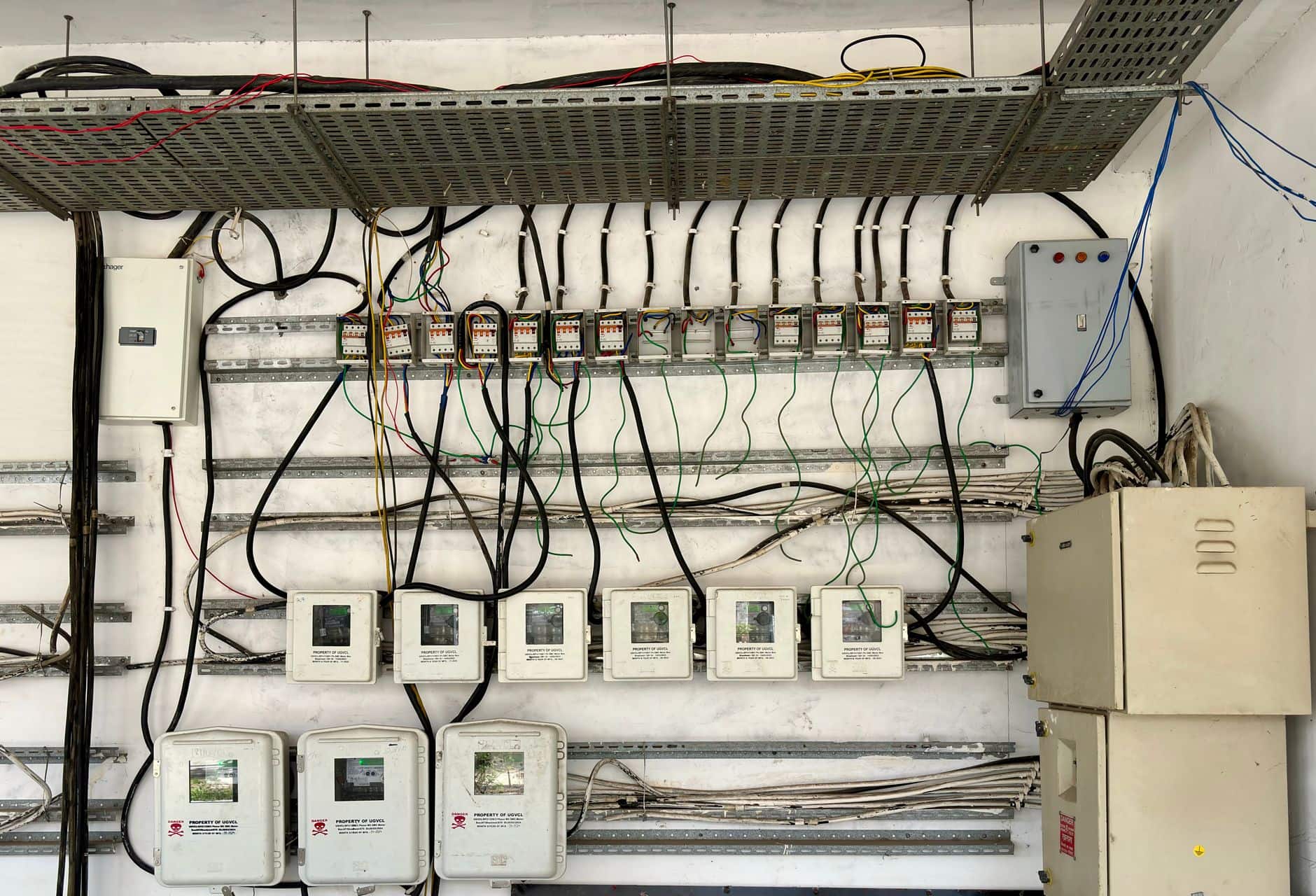
Cable Rule Loosened, Solar Projects Accelerate
Israel has relaxed its power‑cable standards, permitting higher‑ampacity conductors that cut solar project wiring, modestly lower costs and accelerate deployments, helping the country move toward its 2030 renewable‑energy goal.