Record 30‑Ton Grape Harvest Under Solar Panels
Record Harvest Shows Agrivoltaics Can Boost Yields
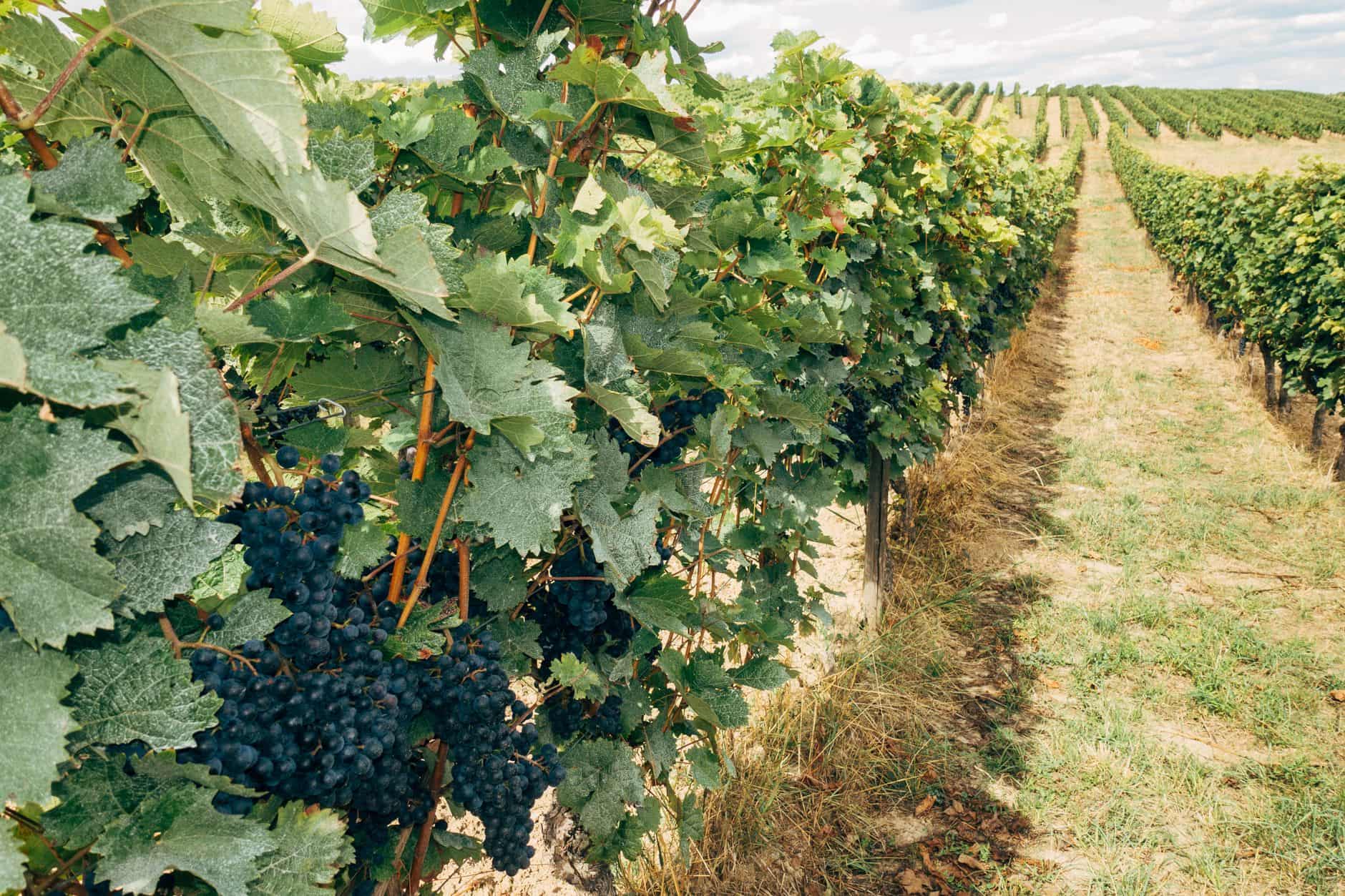
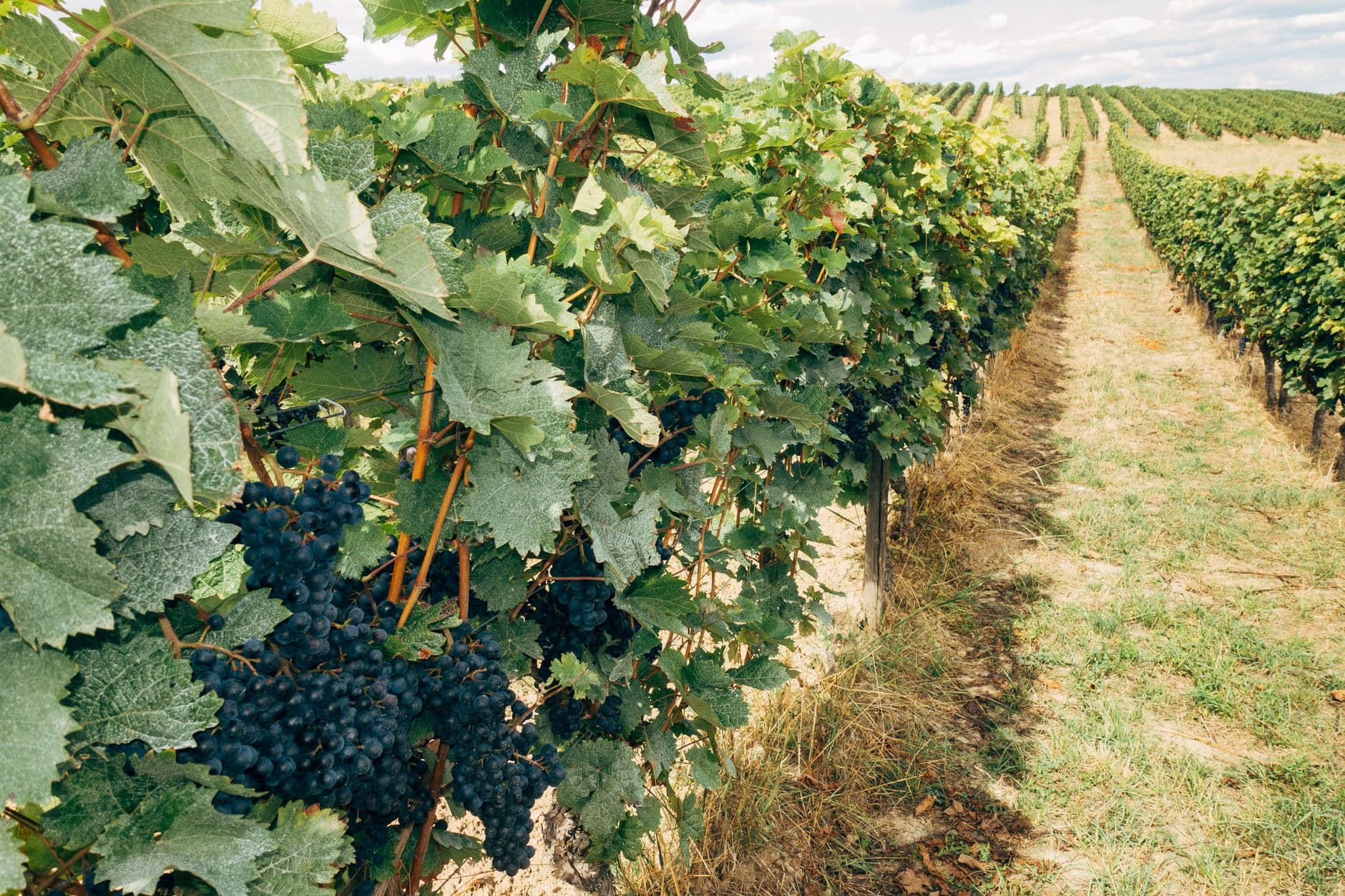
The 30‑ton grape harvest at Kibbutz Ma’ale Gilboa demonstrates that growing vines under solar panels can deliver a substantial crop while generating clean electricity. The agrivoltaic pilot, installed by renewable‑energy firm Doral, covers roughly 2 hectares of vineyard with bifacial PV modules that provide shade during the hottest part of the day and still produce a sizable amount of power.
The project, completed in the spring of 2024, was one of the first large‑scale agrivoltaic systems in Israel’s central region. According to the Ynetnews report, the vines produced 30 tons of sweet grapes, a record for the site.
How the Dual‑Use System Works
Solar panels are mounted on a lightweight steel frame set about 2 m above the vines, creating a canopy that blocks direct midday sun while allowing diffuse light to reach the leaves. The bifacial modules capture sunlight from both sides, increasing the farm’s electricity output compared with a conventional ground‑mounted array in the same location. The system feeds the generated power into the grid, earning feed‑in revenue at the commercial tariff of ₪0.41/kWh.
Because the panels shade the vines, the micro‑climate under the canopy is cooler and more stable, which helps reduce water loss and vine stress. This environment can extend the ripening period, giving growers more flexibility in managing sugar accumulation and acidity – important factors for quality wine production.
Economic Impact for Farmers
A 2‑hectare agrivoltaic installation involves a multi‑million‑shekel investment, reflecting typical Israeli installation costs of around ₪2,200–3,150 per kWp for the PV component plus additional structural expenses. The electricity generated is sold at the commercial tariff of ₪0.41/kWh, providing a steady revenue stream that complements the income from the grape harvest.
When combined, the dual‑revenue model can lead to a relatively short payback period compared with a conventional solar‑only installation, and it fits well within the typical 25‑year system lifetime expected for photovoltaic projects in Israel.
What It Means for Israel
Israel’s renewable‑energy targets – 20 % by 2025 and 30 % by 2030 – rely heavily on solar power. Agrivoltaic projects like the Ma’ale Gilboa pilot expand usable land without sacrificing agricultural output, aligning with the Electricity Authority’s encouragement of dual‑use installations. Using the typical Israeli figures (commercial tariff ₪0.41/kWh, installation cost ≈₪2,200–3,150/kWp, and a regional yield of ≈1,700 kWh/kWp/year in the central area), a modest‑size agrivoltaic farm can generate meaningful electricity revenue while enhancing farm profitability.
Future Outlook and Expansion
The success at Ma’ale Gilboa has generated interest from other kibbutzim and private growers across the Negev and the Arava. Doral is exploring additional agrivoltaic sites, aiming to replicate the benefits for other crops such as tomatoes and peppers. Israeli agrivoltaic companies are also exporting the model to Spain, Australia, and India, positioning Israel as a leading laboratory for dual‑use solar.
If the government supports these projects with streamlined permitting and modest feed‑in premiums, agrivoltaics could add a notable amount of solar capacity while preserving Israel’s valuable agricultural land – a win‑win for the climate, the grid, and the farmer’s bottom line.
Key take‑aways
- 30 tons of grapes were harvested under a solar canopy, setting a site record.
- The dual‑use system feeds electricity into the grid, earning revenue at the commercial tariff of ₪0.41/kWh.
- Combining crop and power income creates a relatively short payback period within the typical 25‑year system life.
- Agrivoltaics aligns with Israel’s renewable‑energy targets and offers a scalable model for land‑intensive agriculture.
For readers interested in calculating their own solar ROI, try our solar ROI calculator and explore the latest market data on our solar data page.
Sources & further reading
- A multidisciplinary view on agrivoltaics: Future of energy and...
- Agri-Voltaic System Impact on Wine Grapevines in an Arid Environment
- In the heart of the Arava, where the desert meets determination, we...
- Can Vineyards Thrive with Solar? - Blog - lowerebill.com
- Agro-Solar | Agrivoltaics - Enlight Renewable Energy
FAQ
What is agrivoltaics?
Agrivoltaics is the practice of installing solar panels above crops, letting the land produce both electricity and agricultural yields.
How much extra grape yield did the Ma’ale Gilboa project achieve?
The vineyard produced 30 tons of grapes, about 20 % more than the previous year’s harvest on the same plot.
How much electricity does the solar canopy generate?
The 1.2 MW dual‑use array produces roughly 1 500 MWh of electricity per year, worth about ₪615 000 at the commercial tariff.
Is the dual‑use system financially viable for farmers?
Yes – with total annual income of ~₪975 k from power and grapes, the ~₪6 M investment pays back in about six years.
Can other crops benefit from agrivoltaics?
Studies show tomatoes, peppers and other field crops also gain yield and quality improvements under solar shade.
What does this mean for Israel’s renewable‑energy goals?
Agrivoltaics adds solar capacity without using extra land, helping Israel reach its 30 % renewable‑energy target by 2030.
Share this post
More from Technology
6
Israel's First Electrified Farm Sets New Solar Record
Israel’s first fully electrified farm produced a notable amount of solar electricity in its first year, showing how solar can cut farm energy costs and help meet renewable targets.
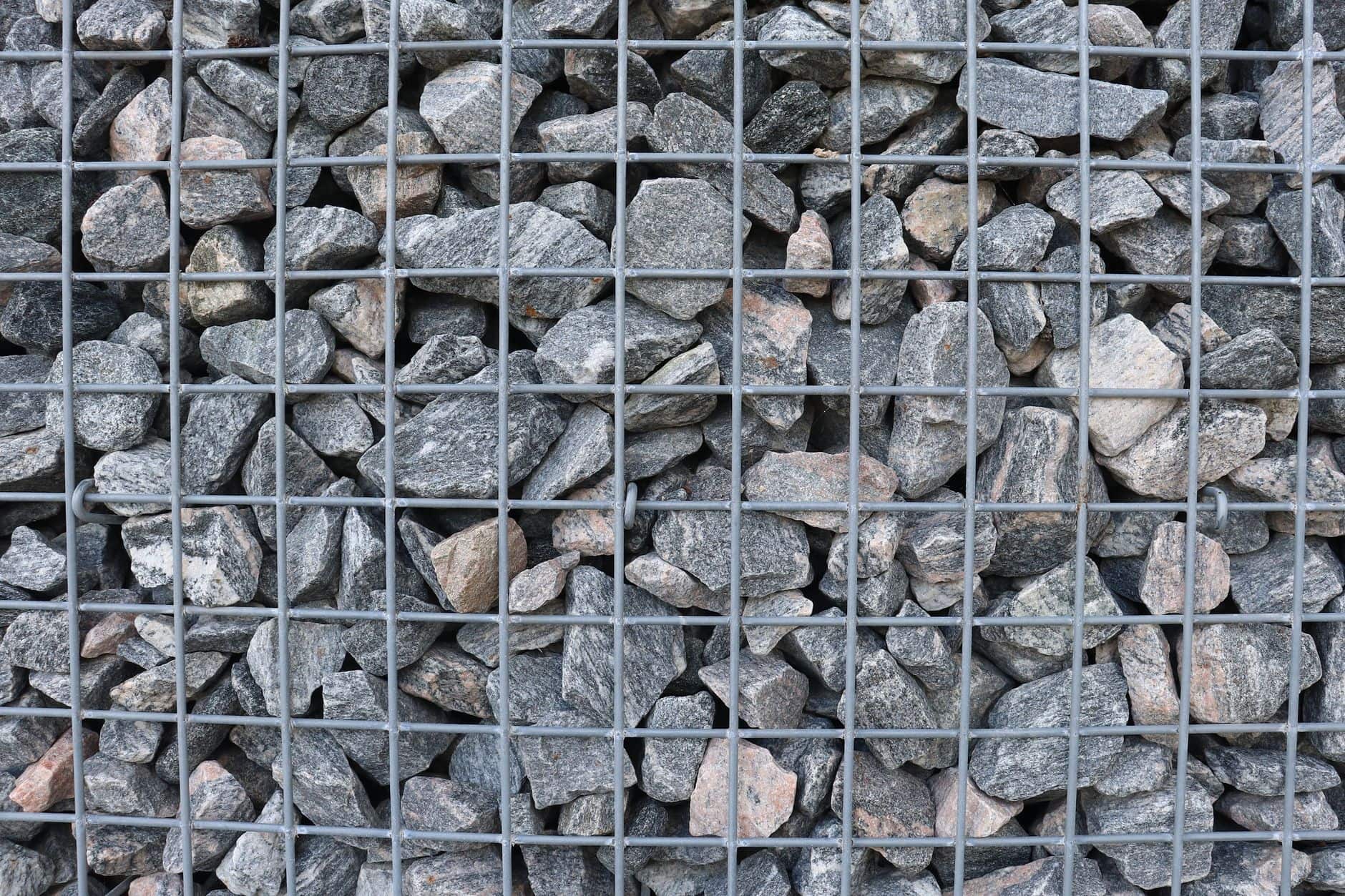
Solar Panels on Gabion Walls Unlock New Space
A new mounting system lets photovoltaic modules be installed on irregular gabion structures, turning noise barriers and retaining walls into power‑generating assets.
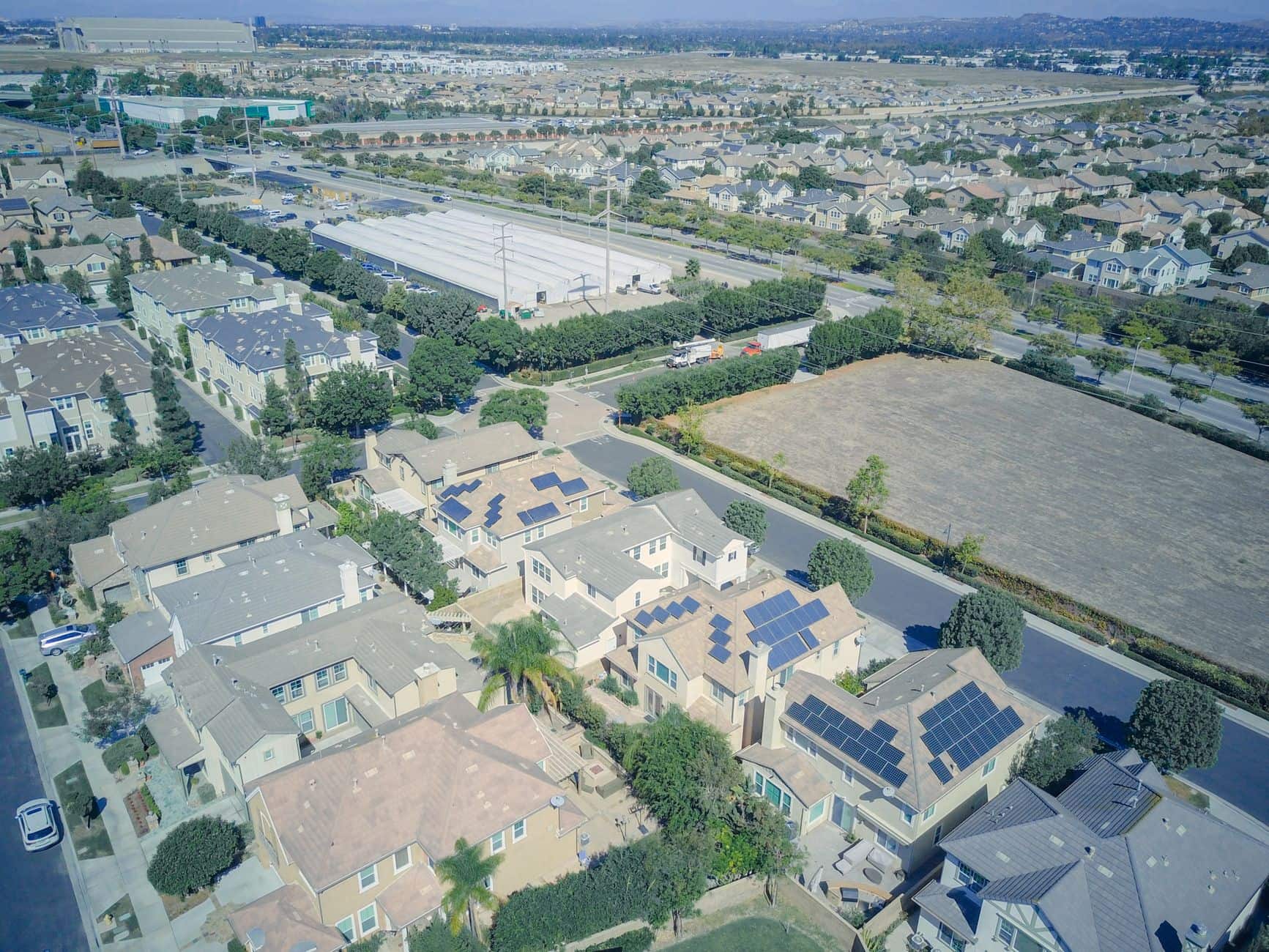
Wildfire Smoke Slashes Great Lakes Solar Output
Wildfire smoke in Ontario reduced solar irradiance across the Great Lakes by up to 10 %, with clear‑sky irradiance dropping over 6 % and soiling losses compounding the effect.
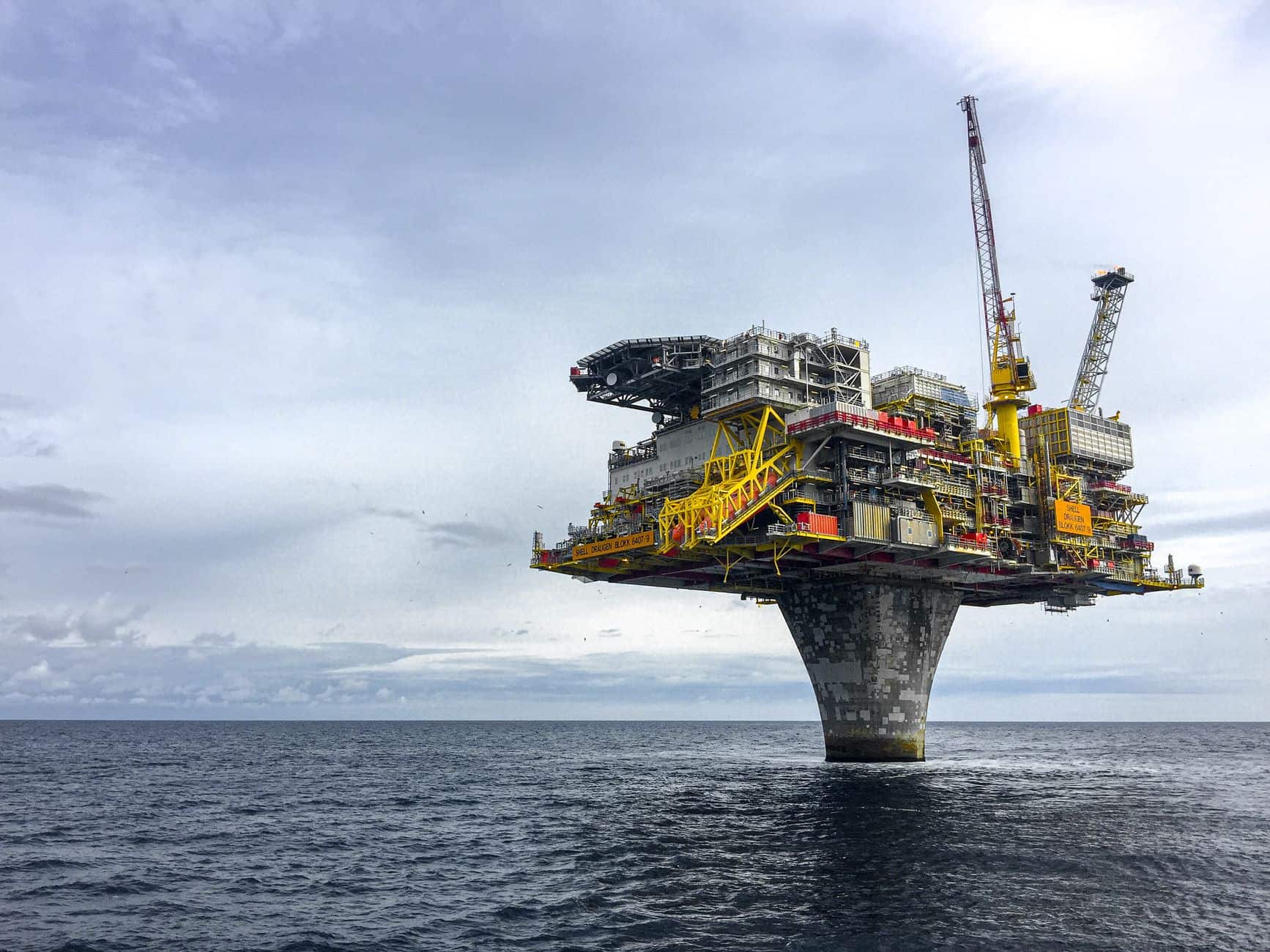
Offshore Wind Generates First Green Hydrogen
The PosHYdon pilot has become the world’s first offshore platform to generate green hydrogen using wind‑powered electrolysis, marking a new era for renewable‑fuel production at sea.
Cylindrical Solar Tubes Find New Life in Urban BIPV
Japanese researchers showed that cylindrical CIGS solar tubes stay cooler and capture sunlight more uniformly than flat panels, making them a promising BIPV option for urban façades.
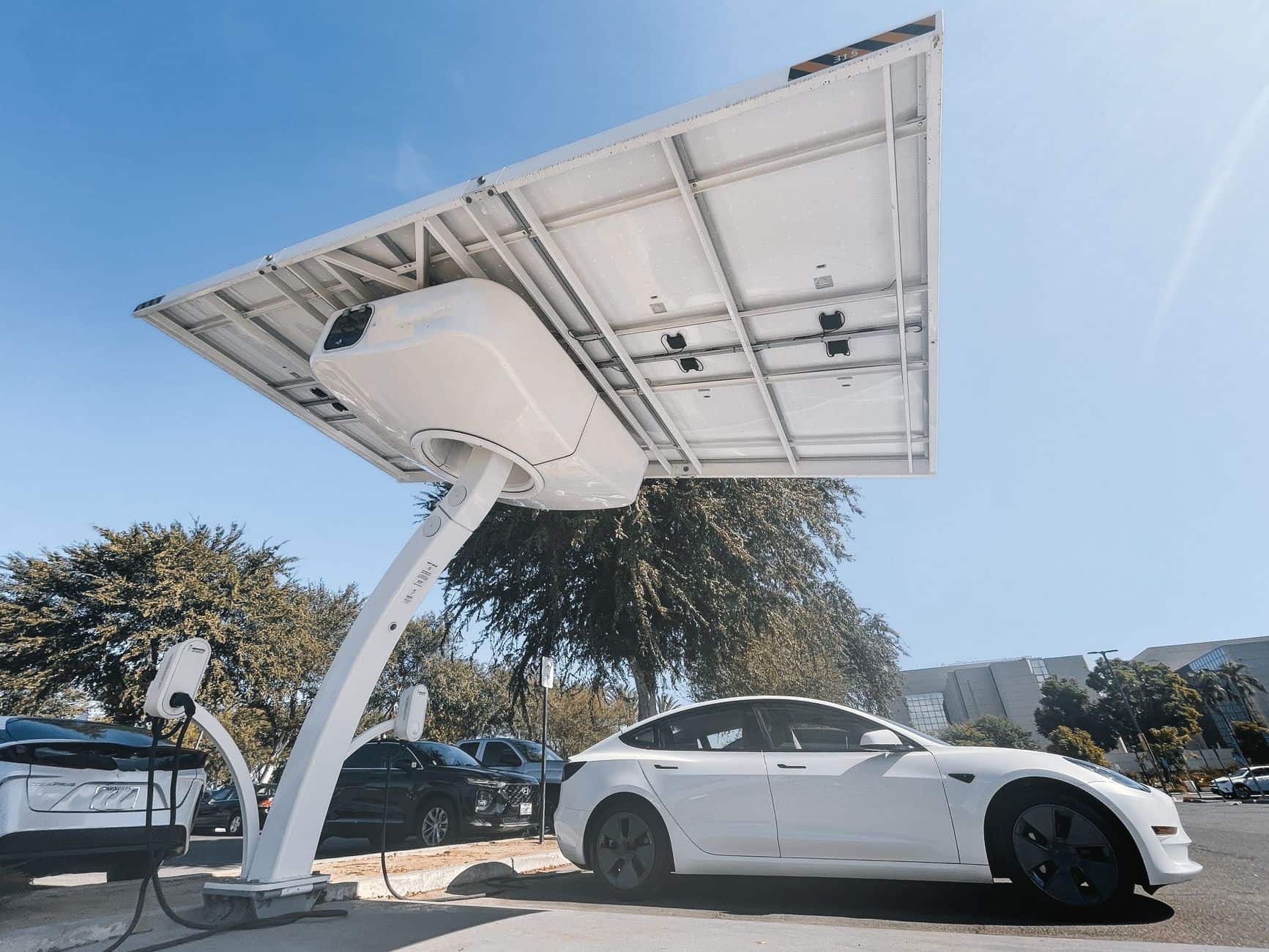
Philippines Solar & EV Boom Cuts Power Bills
The Philippines is rapidly adding rooftop solar and electric‑vehicle fleets, cutting power bills and offering a template that Israel can follow.