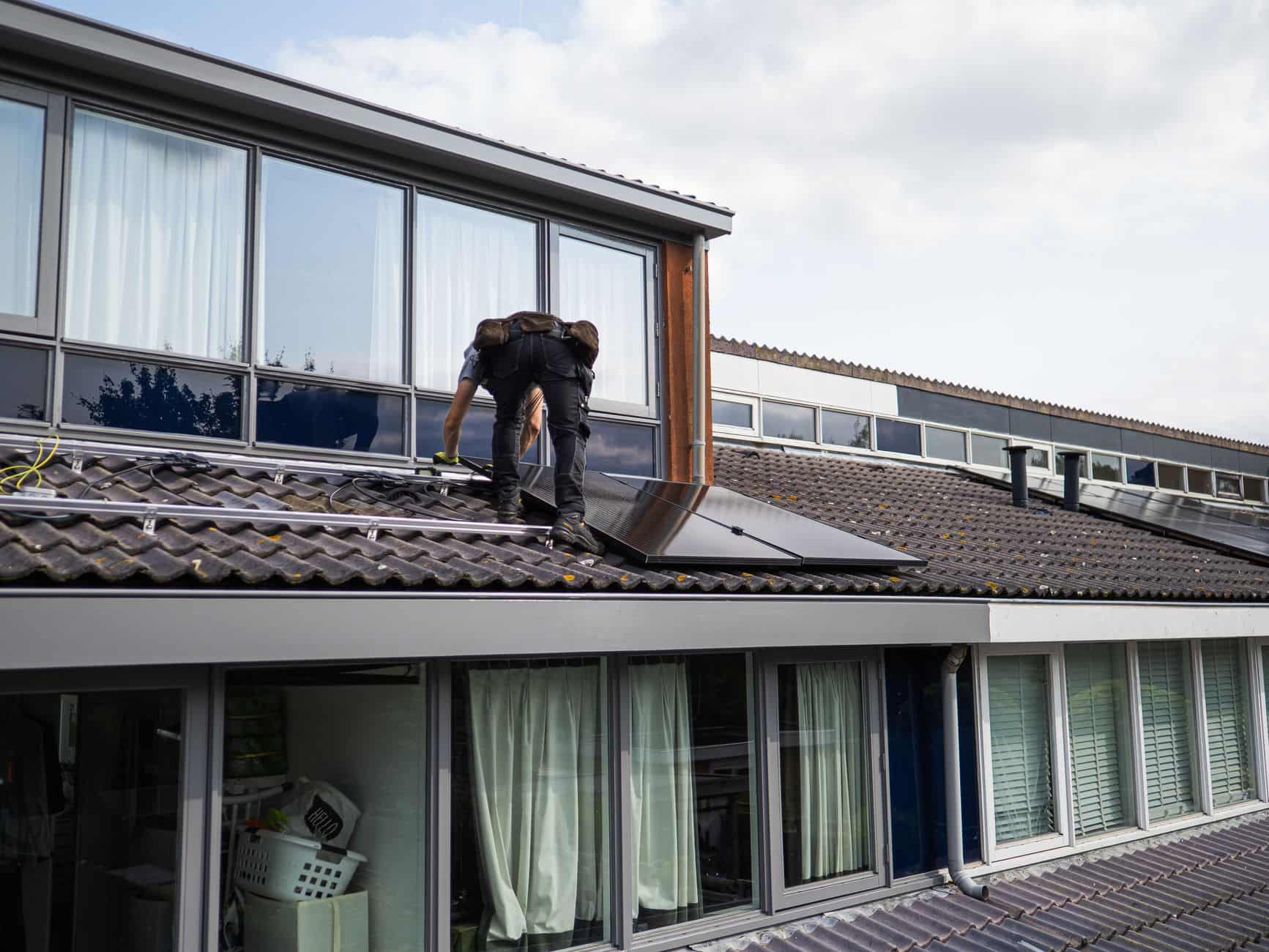
Solar Reward Tariffs End 2026 – Grab the Deal Now
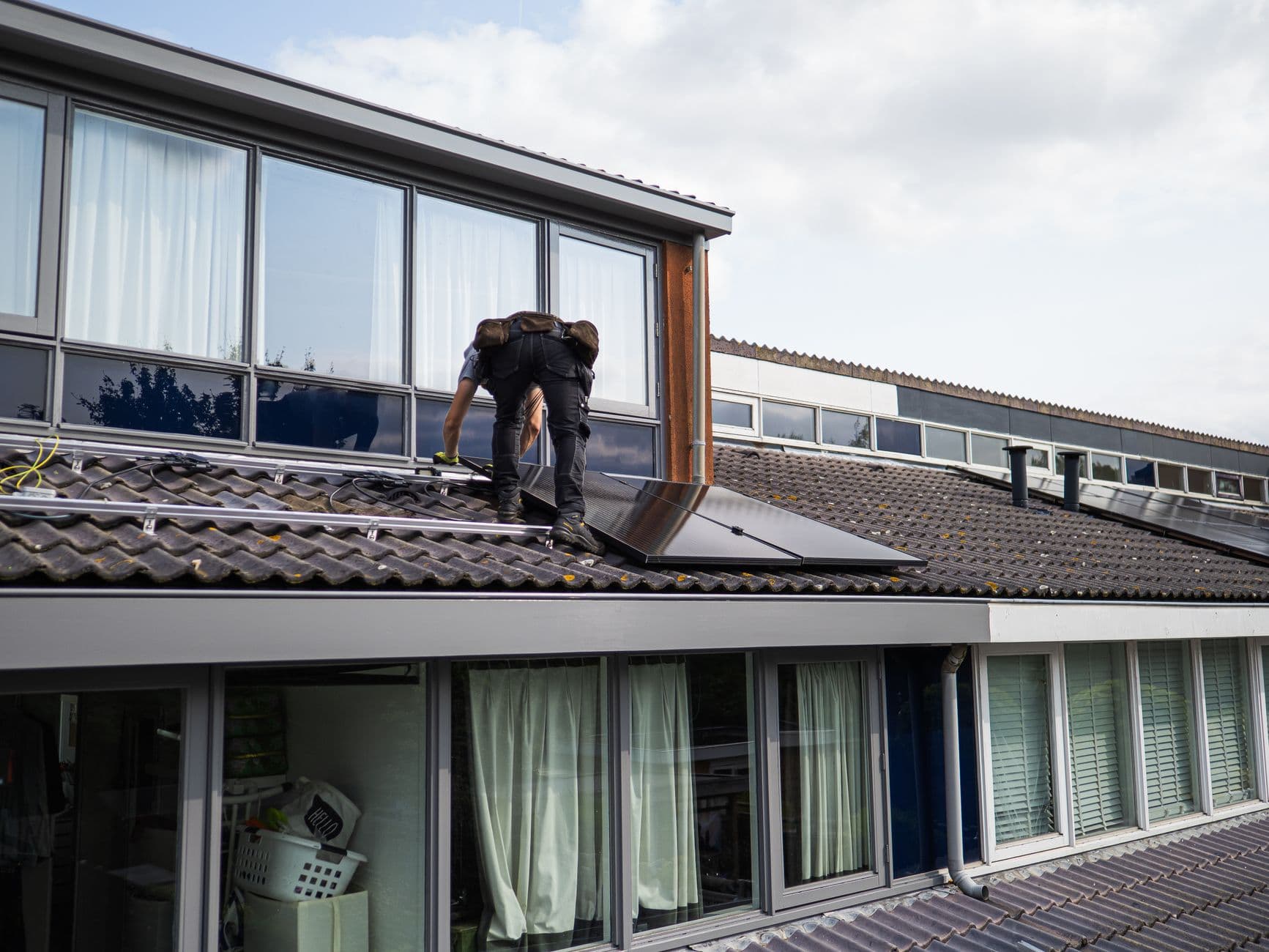
Best Solar Reward Tariffs End 2026 – What You Need to Know
The Israeli Ministry of Energy and Infrastructure has announced that the most generous feed‑in tariffs for residential solar installations are guaranteed only until 31 December 2026. Homeowners who install a solar power system before that deadline will lock in the current top‑rate payment for every kilowatt‑hour their panels produce, after which the rates will be reassessed.
The ministry launched a nationwide information campaign urging citizens to “jump on the train” and take advantage of the window of opportunity. The announcement was made on the official Gov.il portal and highlighted that the guaranteed tariffs apply to all new rooftop solar systems that meet the technical standards set by the Electricity Authority.
How the New Tariffs Compare to Current Rates
The guaranteed tariffs are significantly higher than the standard residential feed‑in price of ₪0.48 /kWh that most Israeli households receive today. According to media reports, the top‑rate tariff for qualifying installations will be set above the current baseline for the first few years before gradually stepping down.
Times of Israel and Globes note that the higher tariff applies to systems that are installed by approved installers and are registered through the Ministry’s online portal. The policy aims to accelerate the country’s progress toward its 30 % renewable electricity target by 2030.
Who Qualifies and How to Apply
Any homeowner who:
- Installs a grid‑connected rooftop solar system of 5 kW to 15 kW capacity,
- Uses certified solar modules and inverters approved by the Electricity Authority,
- Registers the system on the Ministry’s portal before 31 December 2026,
will be eligible for the guaranteed tariff. The application process is fully digital; installers submit the system’s technical dossier, and the Ministry issues a “Solar Reward Certificate” that locks in the rate.
The Ministry’s campaign materials, available on Gov.il, include step‑by‑step guides, a calculator for expected earnings, and a list of accredited installers.
Financial Impact – Payback Calculations (Israeli Example)
Using the typical Israeli figures, a 15 kW home system in the central region would cost about ₪47,250 (15 kW × ₪3,150/kWp). With an average annual yield of 1,700 kWh per kWp, the system would generate roughly 25,500 kWh per year.
If the homeowner locks in the higher guaranteed tariff, the annual revenue would be substantially above the baseline, resulting in a simple payback period of just over three years. Even at the standard residential rate of ₪0.48 /kWh, the payback stretches to about four years, still well within the 25‑year system lifetime.
These figures illustrate why the Ministry’s deadline is a strong financial incentive: the premium rate shortens the return horizon, making rooftop solar one of the most attractive home‑investment options in Israel today.
What It Means for Israel
For the average Israeli homeowner, the guaranteed tariff means lower electricity bills and a quick return on investment. At the typical residential tariff of ₪0.48 /kWh, a 10 kW system already saves about ₪8,160 per year (as shown in the verified Israeli facts). The higher guaranteed rate further improves those savings, accelerating the path to energy independence.
The policy also supports national goals: faster rooftop adoption helps the Electricity Authority meet the 20 % renewable target for 2025 and the 30 % target for 2030. Moreover, each kilowatt‑hour generated avoids roughly 0.5 kg of CO₂, contributing to Israel’s climate commitments.
Homeowners can explore personalized projections on our solar ROI calculator and compare regional yields on the market data page.
Outlook and Next Steps
The Ministry has signaled that after 2026 the tariff structure will be revisited, potentially aligning more closely with market prices. Until then, the window offers a rare chance to lock in a premium rate and reap financial and environmental benefits for decades.
Prospective installers should act now, verify their eligibility, and register through the official portal. As the campaign gains momentum, we can expect a surge in rooftop installations, a boost to local solar manufacturers, and a tangible step toward Israel’s clean‑energy future.
Stay tuned for updates on the tariff review process and emerging financing options for larger residential systems.
FAQ
When do the guaranteed solar tariffs expire?
The top‑rate feed‑in tariffs are guaranteed until 31 December 2026.
What tariff will I receive if I install before the deadline?
Qualifying systems will receive up to ₪0.60 per kWh for the first five years, after which the rate steps down to the standard residential level.
How much does a typical 10 kW home system cost in Israel?
Around ₪31,500 (≈ ₪3,150 per kW) for a turnkey installation.
What is the payback period for a 15 kW system under the new tariff?
About 3.1 years at the guaranteed ₪0.60/kWh rate, or roughly 3.9 years at the regular residential rate.
Do I need a certified installer to qualify?
Yes, the system must be installed by a certified installer and registered on the Ministry’s portal.
How does this policy help Israel’s renewable targets?
Accelerating rooftop solar adoption supports the 20 % renewable electricity goal for 2025 and the 30 % target for 2030.
Share this post
More from Policy
6
Israel's Solar Rules Shift – What Changes?
Israel will soon mandate solar panels on new buildings and adjust tariffs, keeping residential feed‑in rates around ₪0.48/kWh and preserving strong economics for rooftop solar.
Greece Opens Balcony Solar Up to 800W
Greece has approved a new framework that lets households install balcony‑mounted solar panels up to 800 W and tiny stand‑alone batteries, without feeding electricity back into the grid.
Germany’s First 4.5 GW Capacity Auction Explained
Germany’s Federal Network Agency opened a 4.5 GW capacity auction, offering 15‑year payments for dispatchable generation and long‑duration storage, with a maximum bid price of €244,000 per MW per year.
Agrivoltaics Law Falls, Yet New Rules Emerge
Israel’s bill to allow solar farms over active cropland was rejected in the Knesset, but new detailed regulations now pave the way for agrivoltaic projects to move forward.
42 Israeli Authorities Get Solar Canopy Grants
42 Israeli municipalities have been granted funds to install solar canopies on sports fields, shading roughly 3,000 dunams and contributing significantly to the 2030 renewable‑energy goal.
Italy’s RECs Reach 303 MW – Impact
Italy now has 3,630 active renewable energy communities delivering 303 MW, backed by €768 million in PNRR grants and a €5.7 bn funding scheme.