Israel's Solar Rules Shift – What Changes?
New Mandatory Solar on New Buildings – Immediate Impact
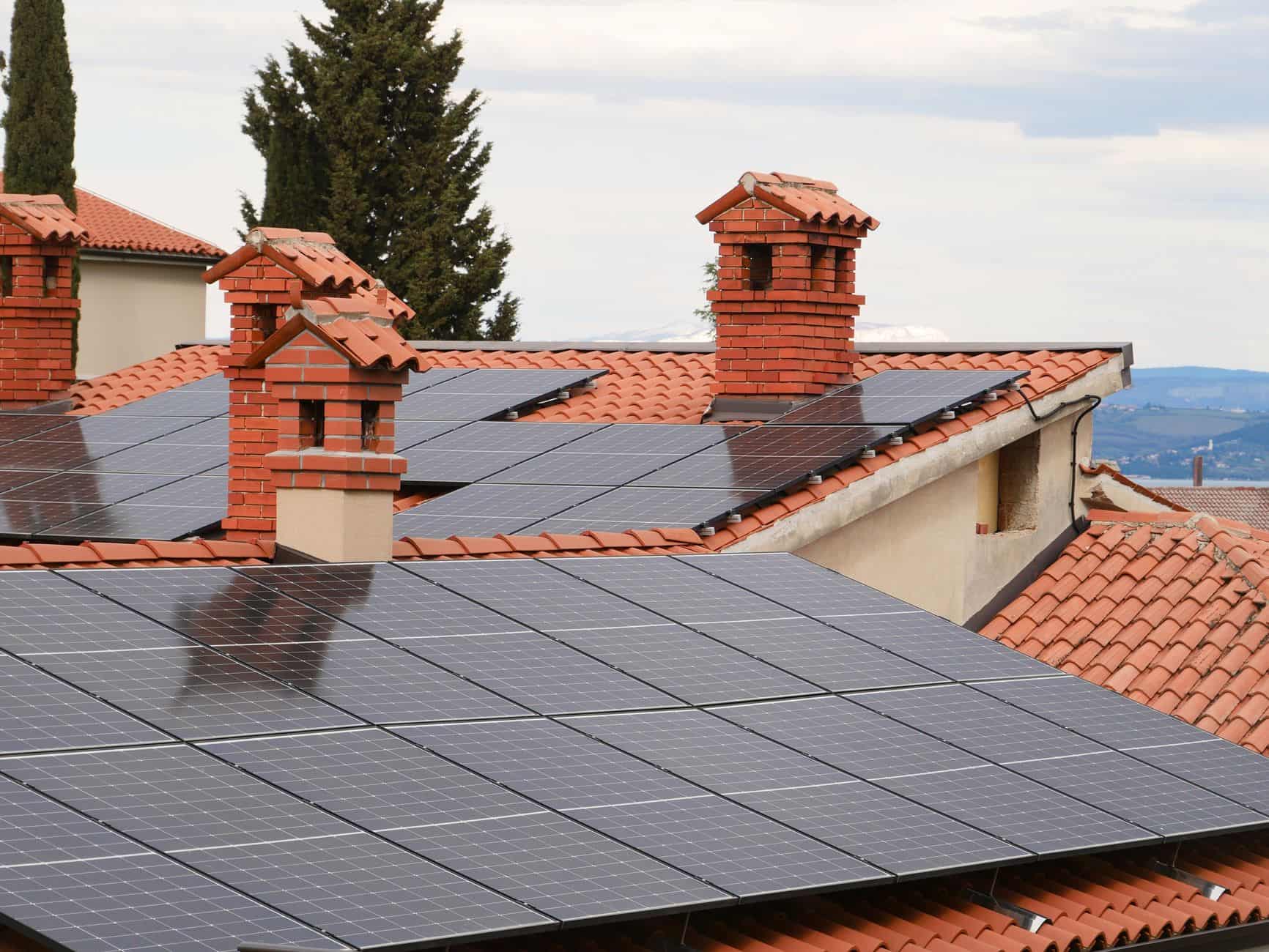
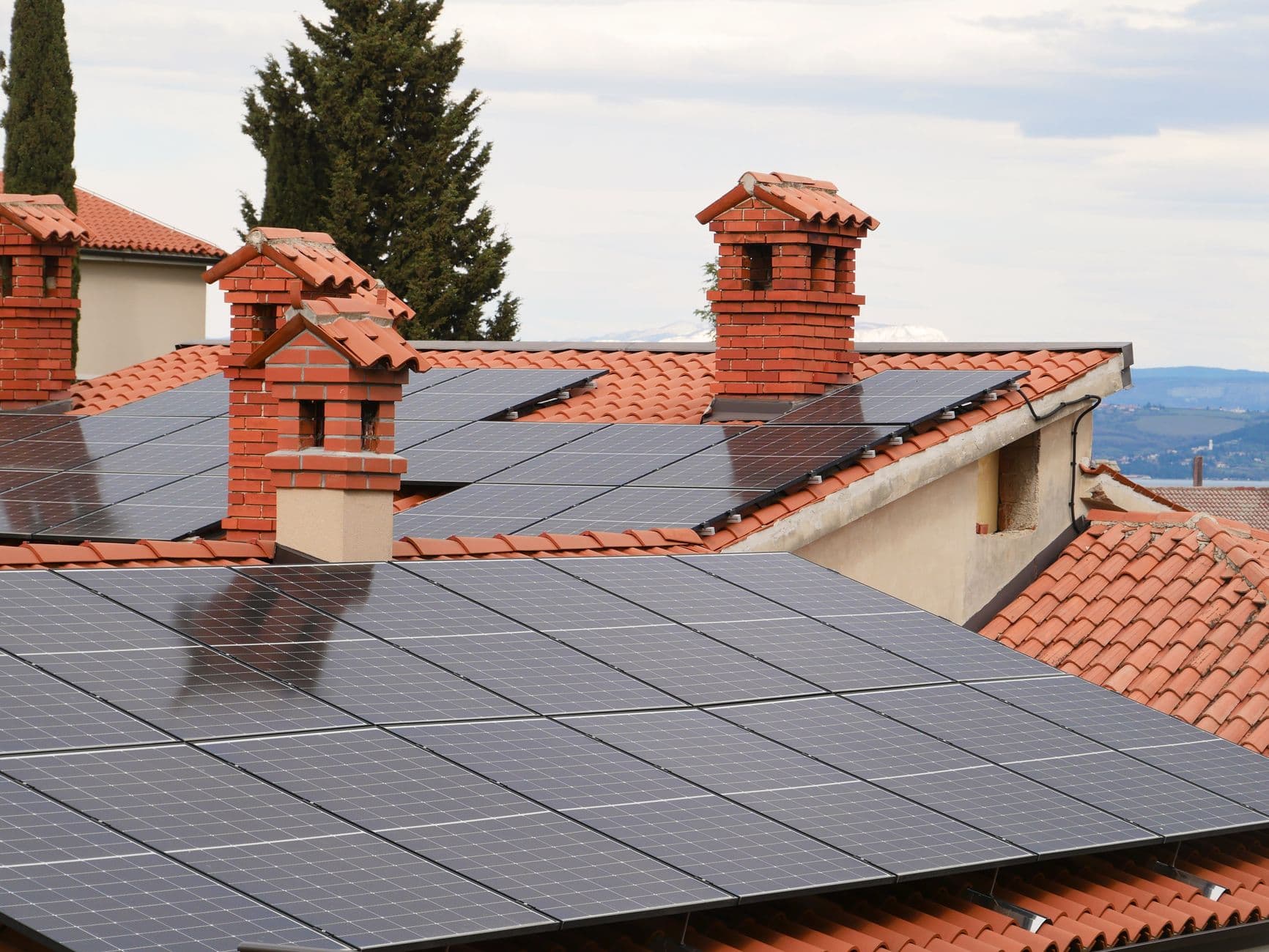
Israel will soon require solar PV systems on the roofs of all new non‑residential buildings larger than 250 m², and on new homes with roof areas over 100 m² starting December 2025. The regulation, driven by the Ministry of Energy, the Planning Administration and the Electricity Authority, aims to boost rooftop generation to help meet the 30 % renewable‑energy target for 2030.
Upcoming Tariff Revisions – How Profitability May Change
A new net‑metering tariff scheme is being introduced that will adjust feed‑in prices for surplus solar electricity. Residential rates are expected to remain near the typical level of about ₪0.48 /kWh, while other categories may see different rates. This shift is intended to encourage self‑consumption and manage costs for the grid operator.
Incentives and Compensation Adjustments – What’s Staying, What’s Gone
The Ministry of Energy still offers a modest compensation of about ₪0.14 /kWh for leased‑customer solar, but the larger subsidies that previously covered a bigger share of installation costs are being reduced. According to a recent Globes report, the net cost to the Israel Electricity Corp. of installing panels on 100 000 homes would be about NIS 51 million per year, a figure the authorities expect to balance over time.
What It Means for Israeli Homeowners – Payback Example
A typical 10 kWp rooftop system in the central region produces roughly 17 000 kWh per year (1750 kWh/kWp × 10 kWp). At the residential feed‑in tariff of about ₪0.48 /kWh, that translates to roughly ₪8 160 of annual revenue. With a turnkey installation cost of about ₪3 150 per kWp, the upfront expense is around ₪31 500. Dividing cost by yearly revenue gives a simple payback of ≈ 3.9 years, after which the system generates profit for the remaining 21‑year lifespan.
Outlook – Toward the 30 % Renewable Goal
These policy moves are expected to accelerate rooftop capacity, which grew from 30 MW in 2015 to over 200 MW in 2023, now representing about 15 % of Israel’s total solar output. By mandating installations on new construction and tweaking tariffs to favor self‑consumption, the government aims to close the gap between the current solar share and the 30 % target for 2030.
What It Means for Israel (Local Perspective)
For an average homeowner in the central district, the new rules mean that a future rooftop system will likely be mandatory, and the economics remain attractive: a 10 kWp system pays for itself in under four years and then saves several thousand shekels annually. Over a 25‑year life, the avoided electricity purchases are substantial, far outweighing the modest NIS 51 million annual cost to the utility spread across 100 000 homes. Readers can run their own numbers with our solar ROI calculator or check the latest market data on our data page.
Sources & further reading
- Revisiting Israel's Solar Policy after 2023 Israel-Gaza war
- New buildings must have solar panels - Globes
- For the first time, the state will require the installation of solar...
- Israel's Bold Move: Mandatory Solar Panels On New Building Roofs
- Revisiting Israel's Solar Policy after 2023 Israel-Gaza war - Energy-Box
FAQ
When will solar panels become mandatory on new Israeli roofs?
The requirement takes effect on 12 December 2025 for new homes over 100 m² and for non‑residential buildings larger than 250 m².
How will the new net‑metering tariff affect homeowners?
Residential feed‑in stays around ₪0.48/kWh, but surplus rates for larger generators will drop, encouraging self‑consumption.
Will subsidies for rooftop solar disappear?
Subsidies are being reduced; the main incentive now is the modest ₪0.14/kWh lease‑customer rate and the long‑term savings from self‑use.
Is installing solar still financially worthwhile?
Yes – a 10 kWp system typically pays back in about 3.9 years and then saves roughly ₪8 000 per year.
How does this help Israel reach its 30 % renewable goal?
Mandating new‑roof installations and improving self‑consumption economics are key steps toward hitting the 30 % target by 2030.
Share this post
More from Policy
6
Greece Opens Balcony Solar Up to 800W
Greece has approved a new framework that lets households install balcony‑mounted solar panels up to 800 W and tiny stand‑alone batteries, without feeding electricity back into the grid.
Germany’s First 4.5 GW Capacity Auction Explained
Germany’s Federal Network Agency opened a 4.5 GW capacity auction, offering 15‑year payments for dispatchable generation and long‑duration storage, with a maximum bid price of €244,000 per MW per year.
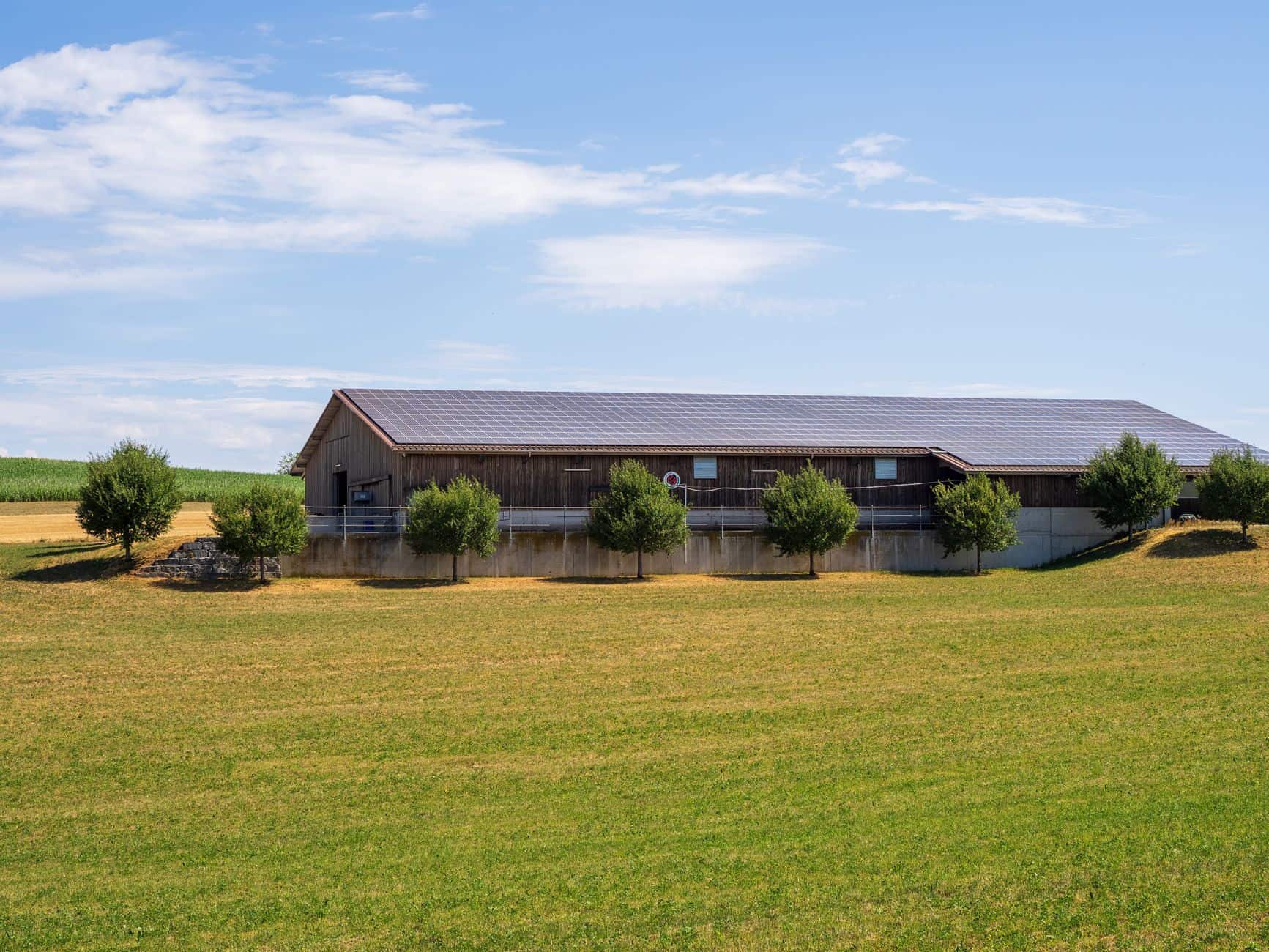
Agrivoltaics Law Falls, Yet New Rules Emerge
Israel’s bill to allow solar farms over active cropland was rejected in the Knesset, but new detailed regulations now pave the way for agrivoltaic projects to move forward.
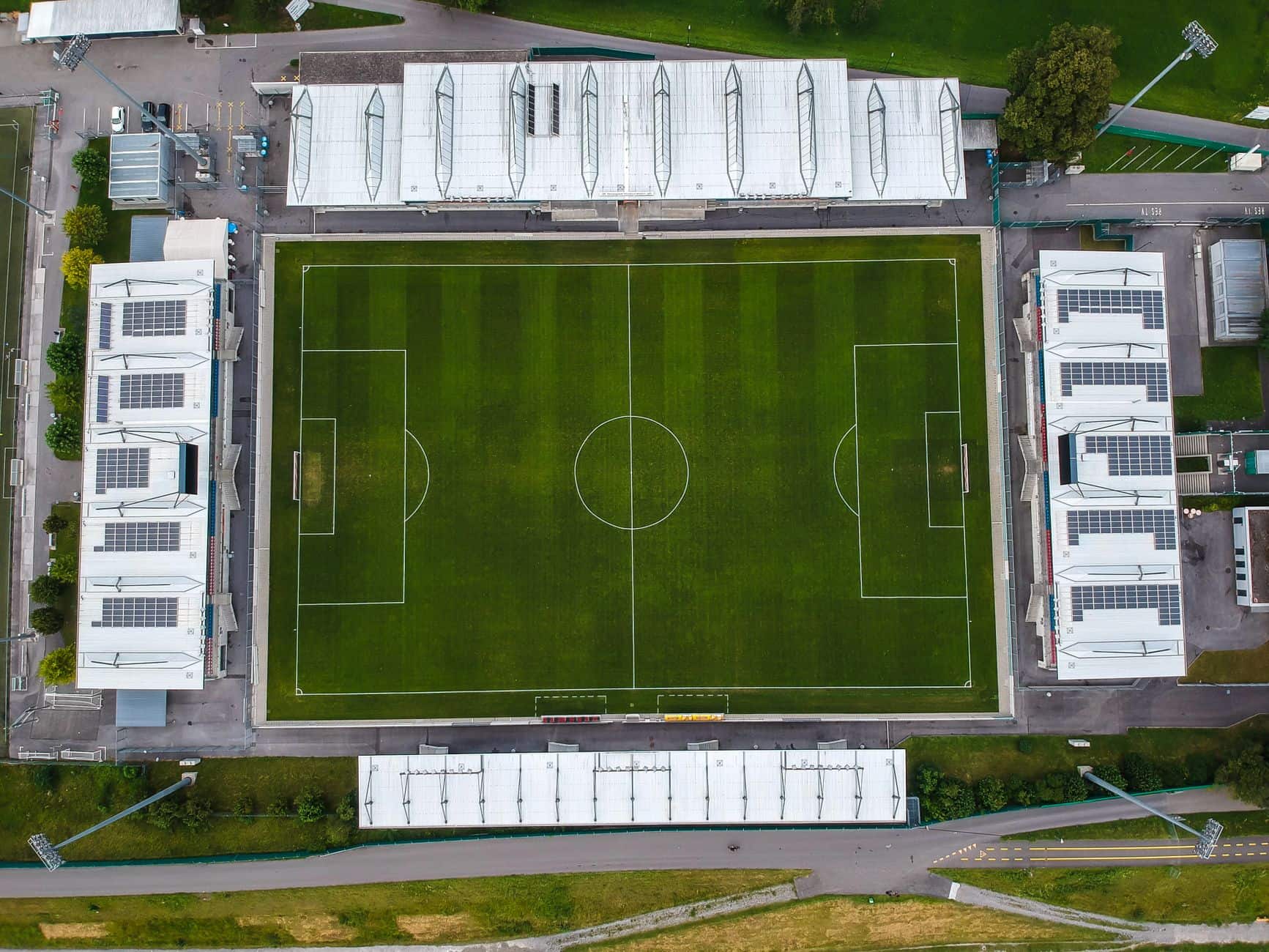
42 Israeli Authorities Get Solar Canopy Grants
42 Israeli municipalities have been granted funds to install solar canopies on sports fields, shading roughly 3,000 dunams and contributing significantly to the 2030 renewable‑energy goal.
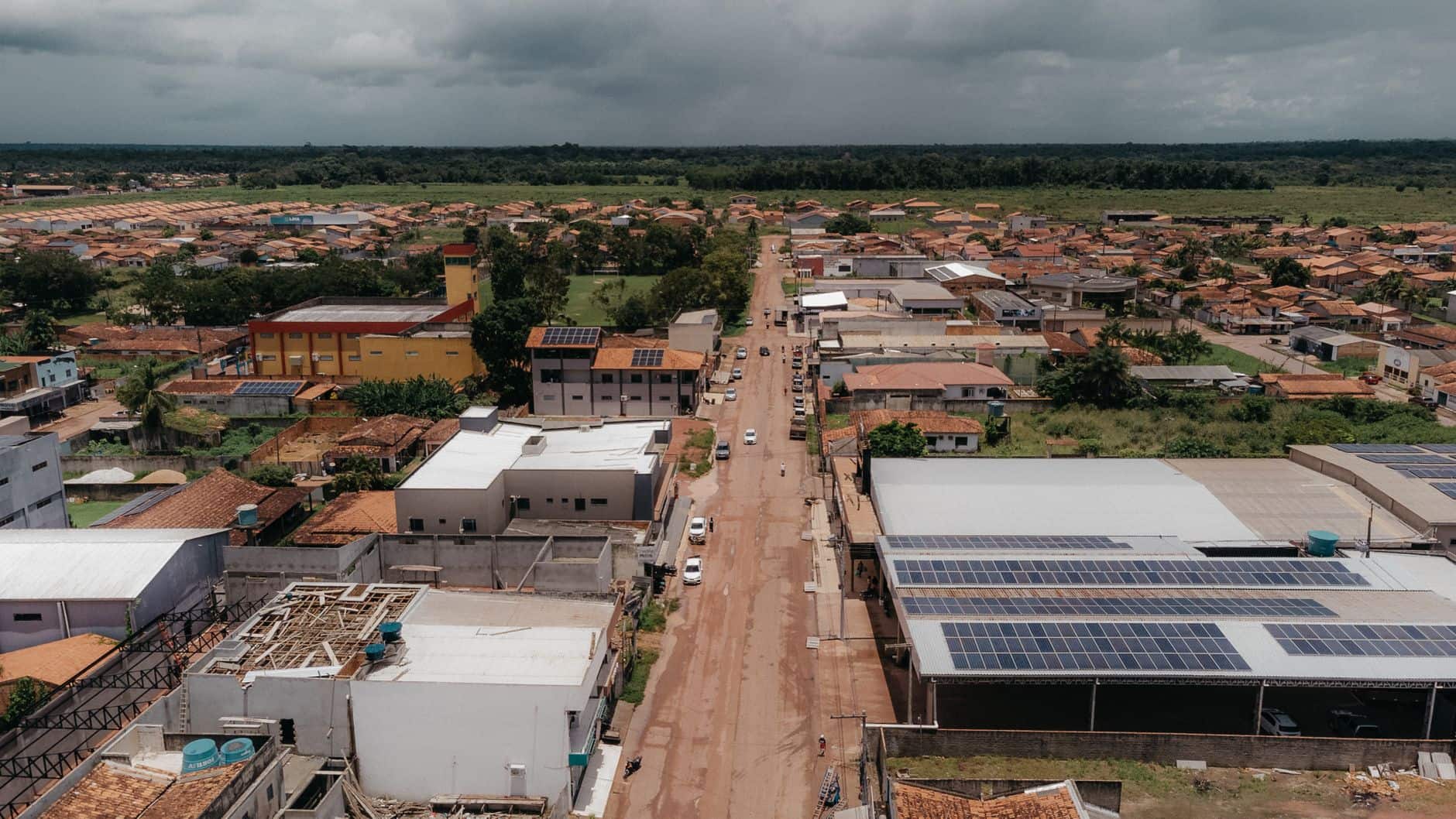
Italy’s RECs Reach 303 MW – Impact
Italy now has 3,630 active renewable energy communities delivering 303 MW, backed by €768 million in PNRR grants and a €5.7 bn funding scheme.
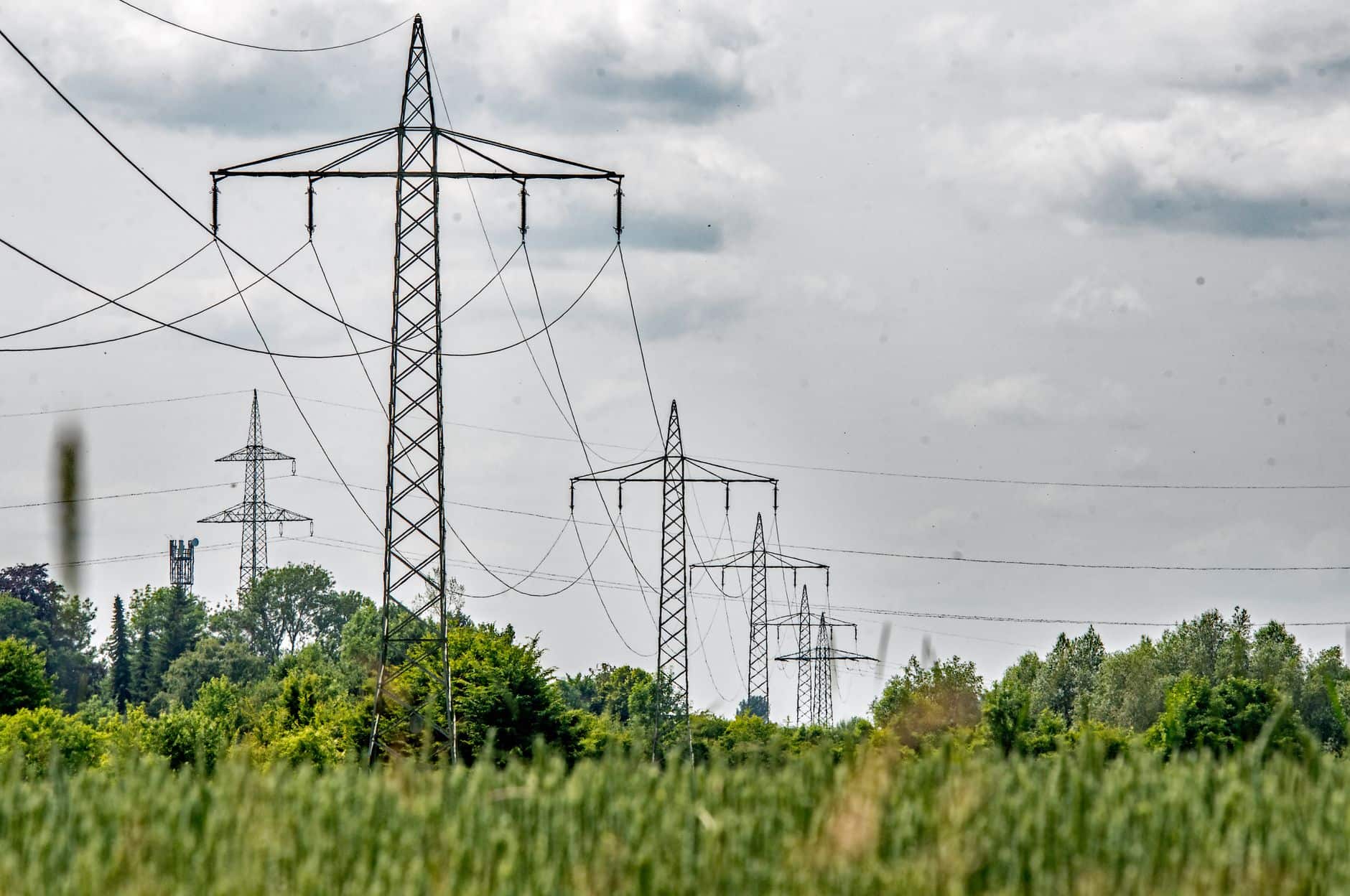
EU Electrification Plan to Double Power Use
The EU’s Electrification Action Plan aims to double electricity’s share in final energy use to 46% by 2040, cutting annual fossil‑fuel imports by €240 bn and reshaping the market with price‑parity, grid upgrades and ETS reforms.