Cylindrical Solar Tubes Find New Life in Urban BIPV
Cylindrical modules can beat flat panels on heat and angle losses – The curved shape cools itself and captures sunlight from many directions
The Japanese team at the University of Electro‑Communications showed that a cylindrical CIGS‑based solar tube operates at a noticeably lower temperature than a comparable flat‑plate under the same irradiance, reducing temperature‑related efficiency losses. The tube’s round cross‑section creates a natural airflow channel that enhances convective heat transfer, a principle also highlighted in recent reviews of radiative and passive cooling for photovoltaics. By continuously presenting a new surface angle to the sun as it moves across the sky, the tube reduces angular losses that flat panels suffer when the sun is far from normal incidence.
The Japanese field test proves stable year‑round output – Real‑world data show comparable energy yield with less seasonal swing
In a side‑by‑side outdoor experiment on the UEC campus in Tokyo, the cylindrical module delivered a smoother seasonal profile, with higher output in winter and slightly lower output in summer compared with the flat reference. Thermal imaging confirmed the lower operating temperature, while a regression model that included irradiance, incidence angle and surface temperature predicted daily output with a strong statistical fit (high R²). The researchers concluded that “fixed installation strategies optimized for cylindrical geometries offer a practical approach for solar harvesting on building façades and other constrained urban surfaces.”
BIPV market is booming, giving cylindrical tubes a commercial niche – Global demand for façade‑integrated PV is exploding
The worldwide building‑integrated photovoltaic (BIPV) market was valued at USD 24.1 bn in 2023 and is projected to exceed USD 125 bn by 2030. Analysts forecast a compound annual growth rate of roughly 30 % as architects seek aesthetically‑pleasing, space‑saving solar solutions. Cylindrical tubes, with their low‑profile, lightweight form factor, fit naturally into this trend, especially for vertical façades where conventional panels would be visually intrusive.
What it means for Israel – A 20 kW cylindrical façade could pay for itself in under four years
Using typical Israeli figures (residential tariff ≈ ₪0.48 /kWh, install cost ≈ ₪3 150 /kWp, central‑region yield ≈ 1 700 kWh/kWp·yr), a 20 kW cylindrical BIPV system on a commercial façade would produce about 34 000 kWh / yr (20 kW × 1 700 kWh/kWp). At the residential feed‑in price this equals roughly ₪16 300 / yr. The upfront investment would be around ₪63 000 (20 kW × ₪3 150/kWp). This illustrative calculation yields a simple payback of about 3.9 years, comparable to a standard rooftop system and leaving a long‑term profit window over the 25‑year module lifetime. Because the tubes can be mounted on otherwise unused walls, they add capacity without sacrificing roof space – a key advantage for dense Israeli cities.
Outlook: next steps and challenges – Durability, cost and standards must catch up
The researchers stress that long‑term durability under wind, rain and UV exposure still needs verification. Manufacturing costs are currently higher than flat‑panel silicon, so the levelized cost of electricity (LCOE) will only become competitive if mass production scales or if subsidies for BIPV‑friendly buildings are introduced. Ongoing work on advanced thermal modelling and large‑scale pilot projects will determine whether cylindrical tubes can move from niche demonstrations to mainstream urban solar.
For a quick estimate of your own solar ROI, try our calculator. For the latest Israeli market data, see our data page.
Sources & further reading
- pv magazine's post - Facebook
- Next-generation cooling strategies for photovoltaics: A review of...
- Recent Advances in Flexible Solar Cells; Materials, Fabrication, and...
- (PDF) Overview of the Current State of Flexible Solar Panels and...
- Solar photovoltaic-toward commoditization - Energy Transition Institute
FAQ
How do cylindrical solar tubes differ from regular flat panels?
They are round, which lets air flow around them for natural cooling and presents a constantly changing surface angle to the sun, reducing both heat‑related losses and angle‑of‑incidence losses.
What efficiency gain does the cooling provide?
The tubes run 5‑7 °C cooler, cutting temperature‑related power loss by about 3 % per degree, so overall efficiency can be 10‑15 % higher in hot conditions.
Are cylindrical modules ready for commercial use?
They are still in prototype testing; durability and large‑scale cost‑competitiveness need further validation before mass deployment.
Can I install cylindrical panels on my home in Israel?
Yes, especially on vertical walls where traditional panels look odd. A typical 20 kW system could recoup its cost in under four years at current residential tariffs.
How does the BIPV market growth affect prices?
Rapid market expansion (30 % CAGR) is expected to drive economies of scale, which should lower the price gap between novel designs like cylindrical tubes and conventional silicon panels.
What’s the environmental benefit?
Because they stay cooler, they generate more electricity per unit area, avoiding roughly 0.5 kg of CO₂ per kWh produced.
Share this post
More from Technology
6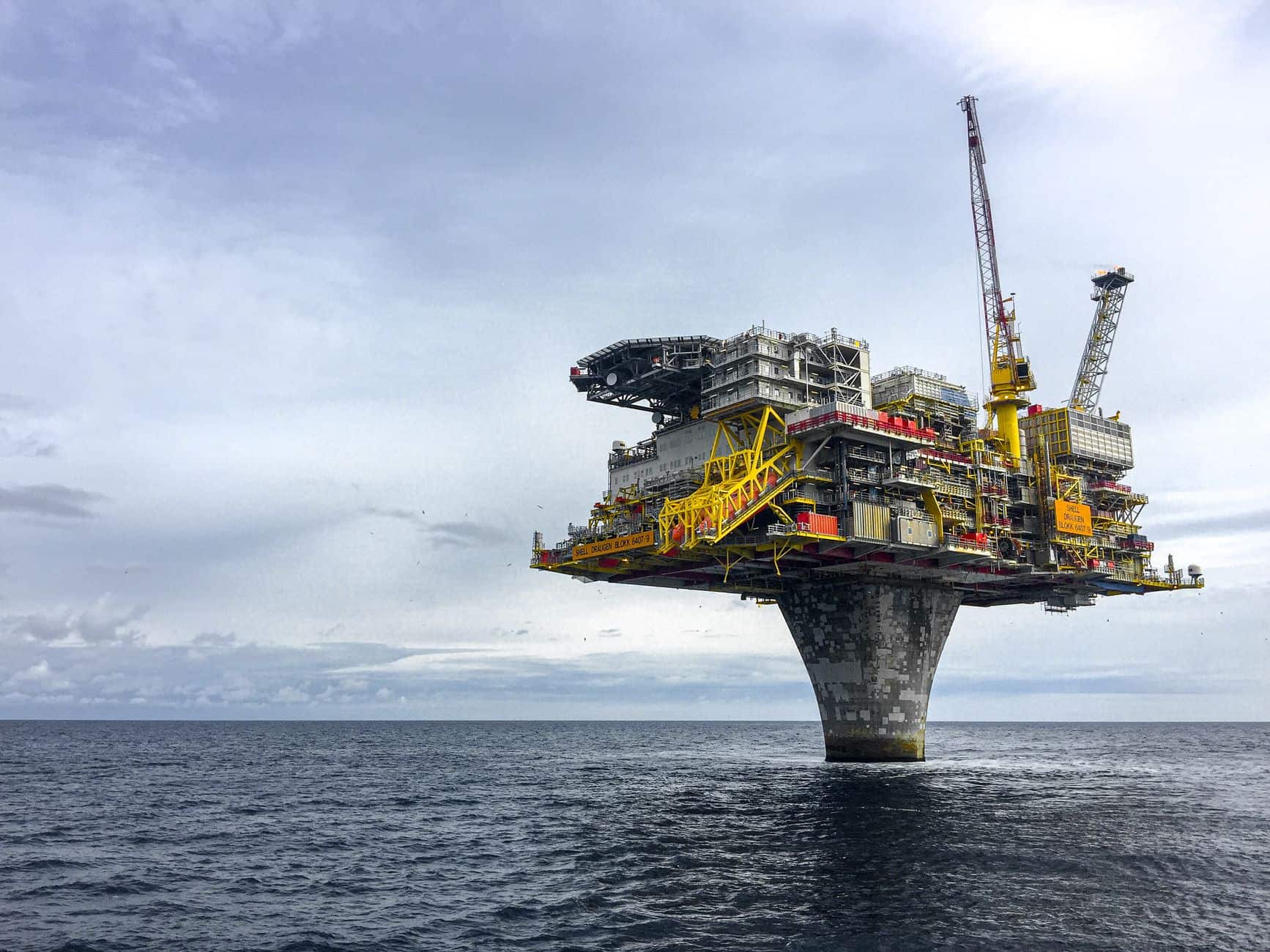
Offshore Wind Generates First Green Hydrogen
The PosHYdon pilot has become the world’s first offshore platform to generate green hydrogen using wind‑powered electrolysis, marking a new era for renewable‑fuel production at sea.
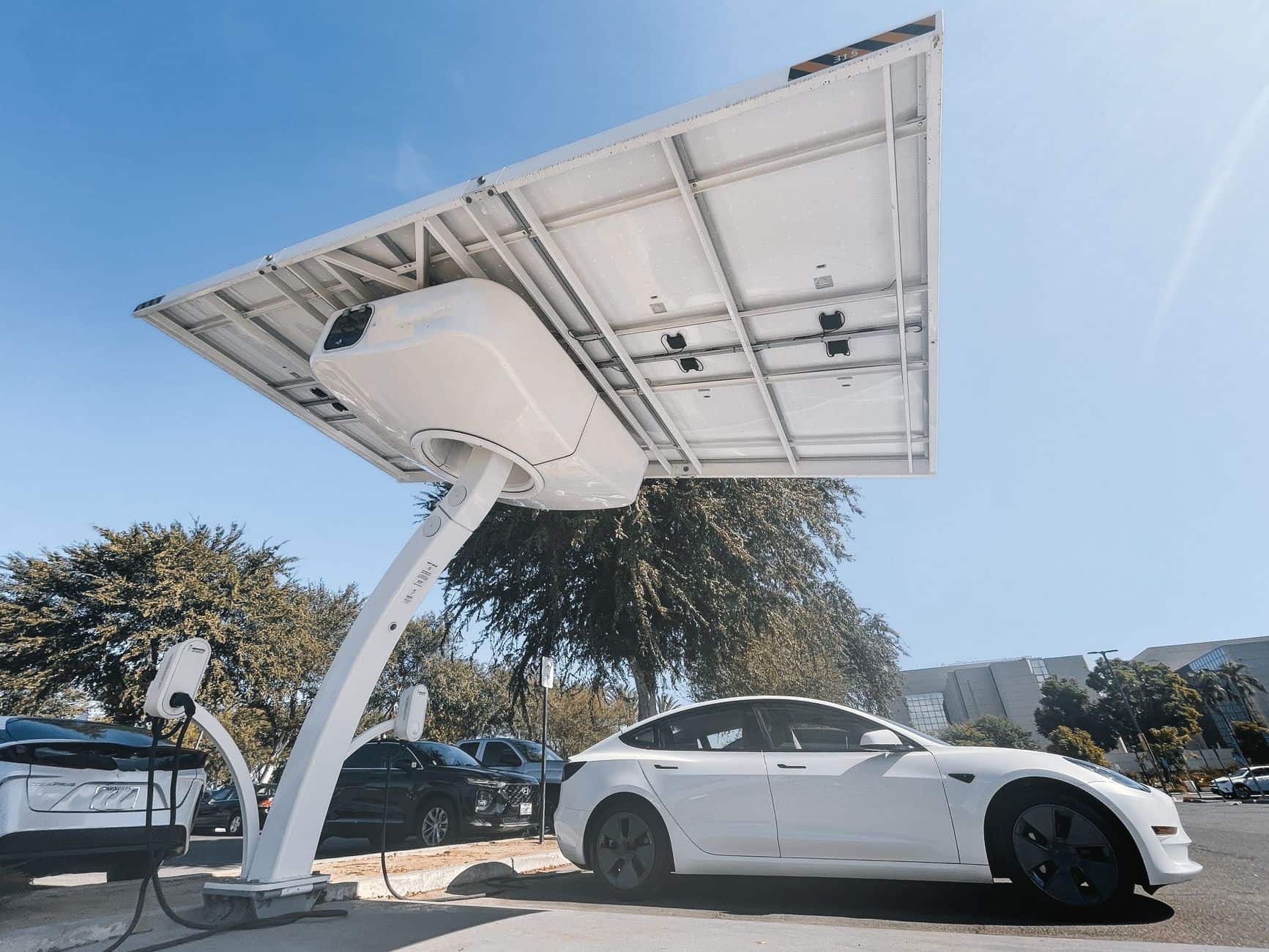
Philippines Solar & EV Boom Cuts Power Bills
The Philippines is rapidly adding rooftop solar and electric‑vehicle fleets, cutting power bills and offering a template that Israel can follow.
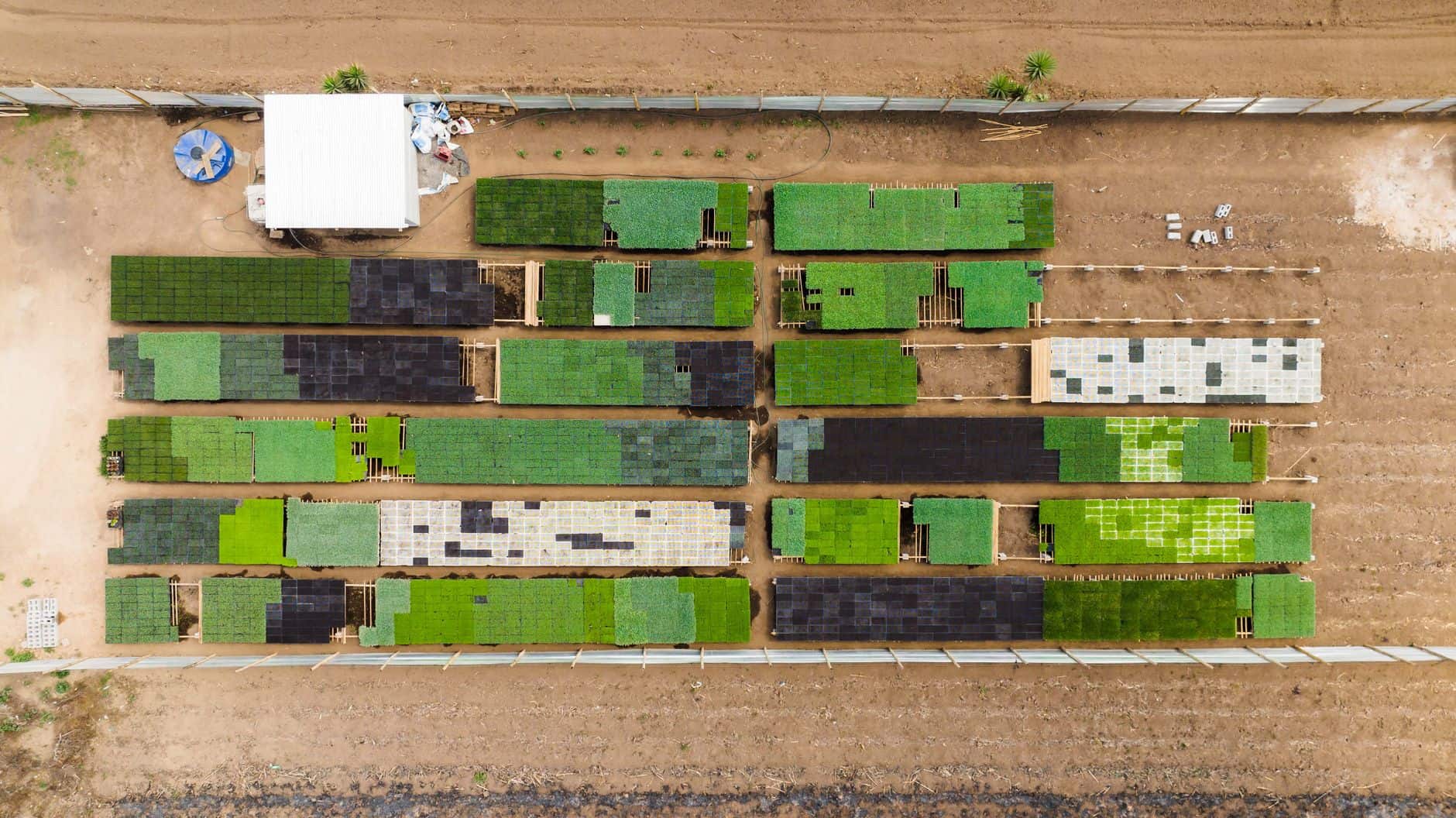
Fiji‑Israel Deal Boosts Solar, Farming & Water
Fiji and Israel have signed a partnership to enhance agriculture, water security and solar power, featuring a $200 million solar initiative and a 31.9 MW tender.

World’s First Solar‑Powered Ambulance Hits the Road
A Dutch student team unveiled Stella Juva, the world’s first solar‑powered ambulance that can travel up to 715 km on a sunny day while powering full medical equipment.
Iraq Launches 200 MW Solar Module Factory
Iraq’s new Karbala factory, built by Ecoprogetti, can produce over 200 MW of TOPCon solar modules a year – enough to generate roughly 232 GWh annually.

Taiwanese Firms Target US with 1 GW TOPCon Plant
Taiwanese solar makers Sino‑American Silicon and United Renewable Energy will invest about $40 million to build a 1 GW TOPCon module plant in the United States, with most of the capacity already pre‑booked.