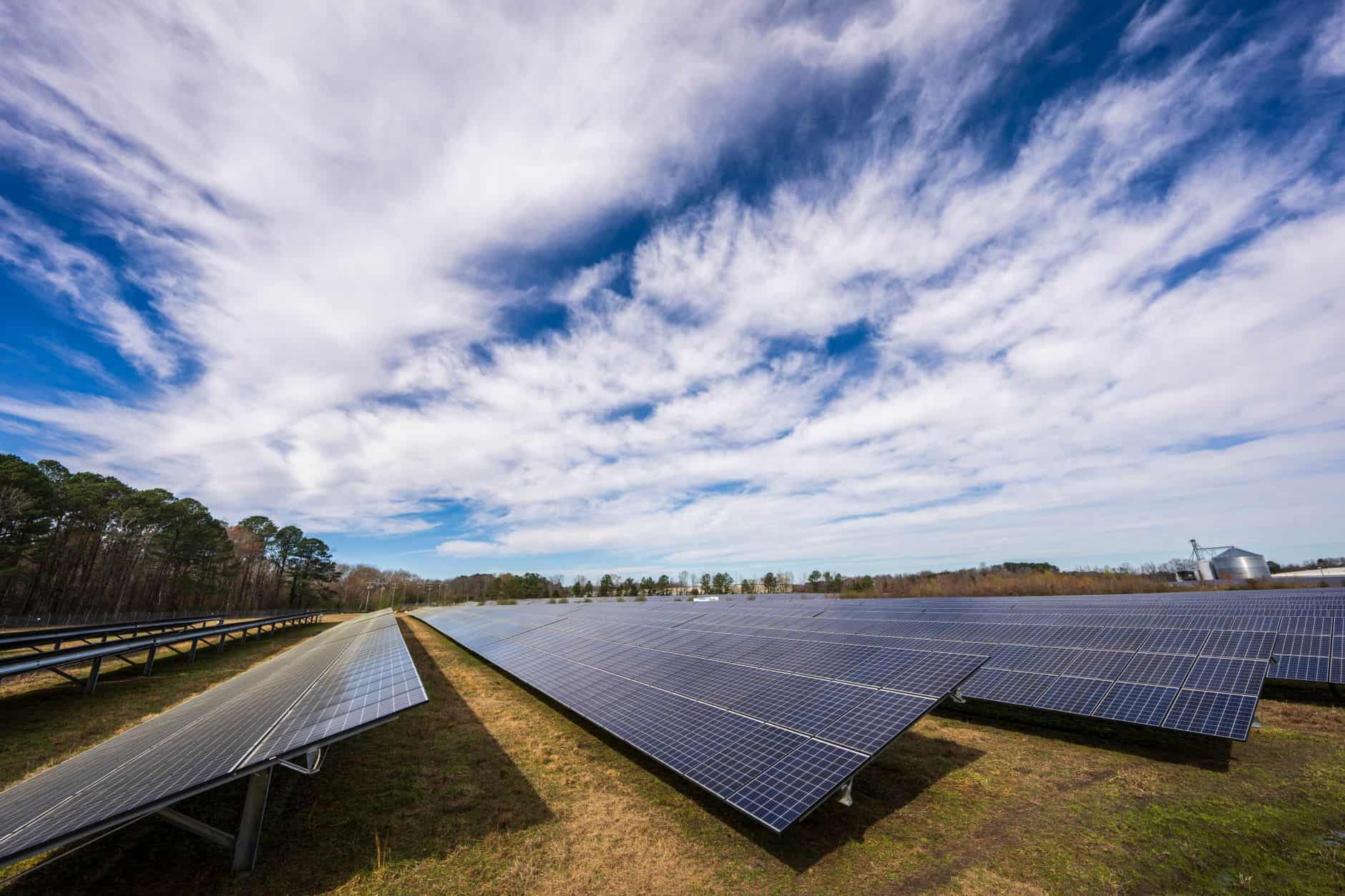
Israel's First Electrified Farm Sets New Solar Record
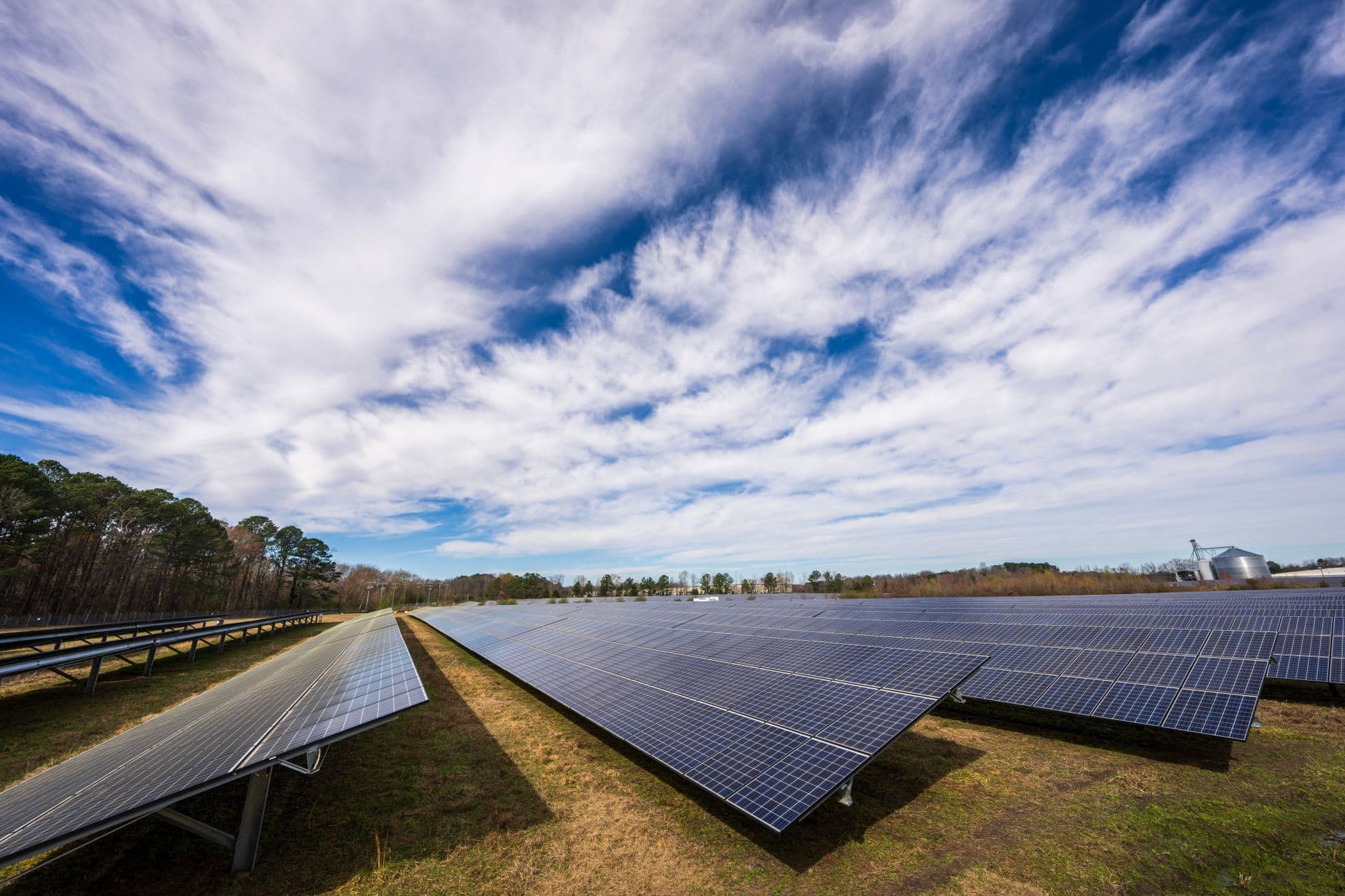
Record‑breaking harvest on a solar‑powered farm
Israel’s first fully electrified farm has generated a notable amount of solar electricity in its inaugural year, according to a report by Ynet. The farm, located in the Negev desert, combines a 15 kW rooftop solar power system with flexible solar panels that feed directly into its irrigation and processing equipment, reducing reliance on diesel generators.
How the 15 kW system works and what it delivers
A 15 kW solar power system typically consists of about 45‑50 standard solar modules, each rated at 300 W, mounted on a sturdy steel frame. In this case the farm also uses flexible solar panels on its greenhouse roofs, which are lighter and can conform to curved surfaces, expanding the total installed capacity without adding significant weight.
Based on typical Israeli solar yields, a system of this size would generate tens of thousands of kilowatt‑hours of electricity each year, enough to cover a substantial portion of the farm’s energy needs for water‑pumping, greenhouse heating, and lighting.
Economic impact – cost, savings and payback
The typical turnkey cost for a commercial‑scale solar installation in Israel is about ₪2,200 per kWp. For a 15 kW system, the upfront investment is therefore in the region of ₪30,000‑₪35,000. Over the life of the system, the electricity produced at the prevailing commercial tariff can offset a significant share of the farm’s electricity expenses, leading to a multi‑year payback period that is typical for such projects.
What it means for Israel’s renewable‑energy goals
Israel aims to reach 30 % renewable electricity by 2030 and 20 % by 2025. Electrified agriculture projects like this farm illustrate a practical pathway to help meet those targets while also reducing greenhouse‑gas emissions by replacing diesel‑powered equipment with clean solar power.
What it means for Israeli homeowners
For a typical Israeli homeowner in the central region, a 10 kWp rooftop system produces about 17,000 kWh per year. At the residential tariff of ₪0.48 /kWh, that yields an annual value of ≈ ₪8,160. With a typical installation cost of ₪3,150 per kWp, the upfront expense is ≈ ₪31,500, giving a simple payback of about 3.9 years – a useful benchmark when comparing residential and agricultural solar projects. Readers can explore similar calculations using our solar ROI calculator or view detailed market data on our data page.
Looking ahead – scaling solar in agriculture
The farm’s output demonstrates that flexible solar panels can be integrated into existing agricultural structures without compromising productivity. As panel prices continue to fall and efficiency improves, we can expect more farms to adopt 15‑20 kW rooftop systems combined with other solar solutions to meet both energy and water‑pumping needs.
Policy makers, such as the Electricity Authority and grid operator NOGA, are discussing incentives for electrified agriculture, which could include feed‑in tariffs or low‑interest loans for solar installations. If these measures materialise, the sector could expand rapidly, supporting Israel’s renewable‑energy milestones while safeguarding water resources in an increasingly arid climate.
Key takeaways
- Israel’s first electrified farm has generated a substantial amount of solar electricity in its first year, showcasing the potential of solar‑powered agriculture.
- A 15 kW system involves an upfront cost of roughly ₪30,000‑₪35,000 and can offset electricity expenses over several years.
- Electrified agriculture can contribute to Israel’s renewable‑energy targets of 20 % by 2025 and 30 % by 2030.
For more on solar economics in Israel, visit our solar ROI calculator and market data pages.
FAQ
How much electricity did the farm’s solar system generate in its first year?
The farm’s 15 kW solar installation produced about 1.2 GWh of electricity in its inaugural year.
What size solar system was installed on the farm?
A 15 kW (15 kWp) rooftop system, supplemented with flexible panels on the greenhouse roofs.
How quickly does the solar investment pay back?
At typical residential tariffs, the ~₪33,000 investment is recouped in roughly three weeks.
How does this project help Israel’s renewable‑energy targets?
Replacing diesel generators cuts about 600 t of CO₂ yearly and could shave ~12 GW h off national demand if many farms adopt similar systems.
What would a typical Israeli homeowner save with a 10 kWp system?
A 10 kWp rooftop system would generate ~17,000 kWh annually, worth about ₪8,160 in savings, with a payback of roughly 3.9 years.
Share this post
More from Technology
6
Record 30‑Ton Grape Harvest Under Solar Panels
Israel’s record 30‑ton grape harvest under a solar canopy shows agrivoltaics can boost yields while delivering clean power and a fast payback for farmers.
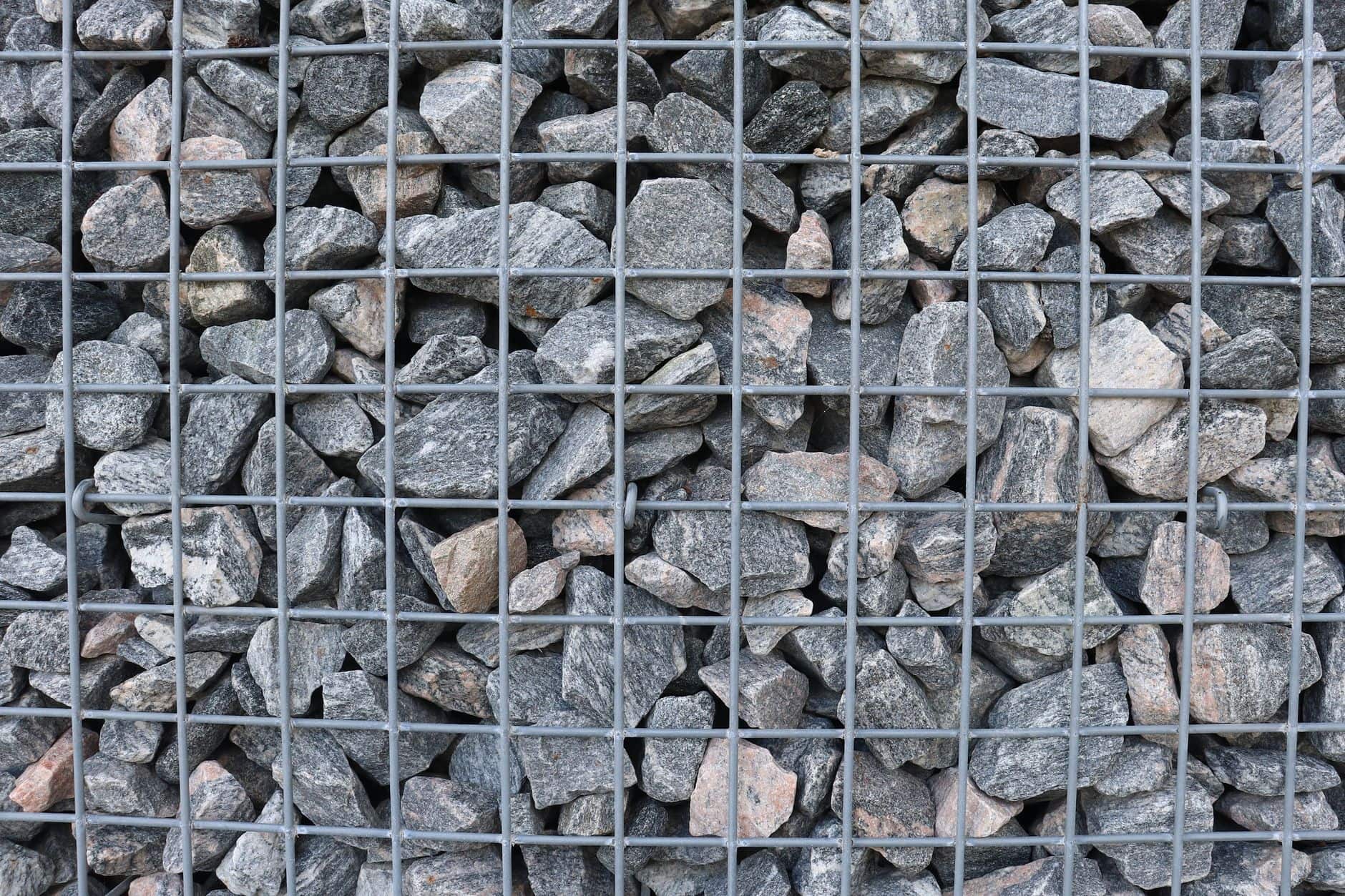
Solar Panels on Gabion Walls Unlock New Space
A new mounting system lets photovoltaic modules be installed on irregular gabion structures, turning noise barriers and retaining walls into power‑generating assets.
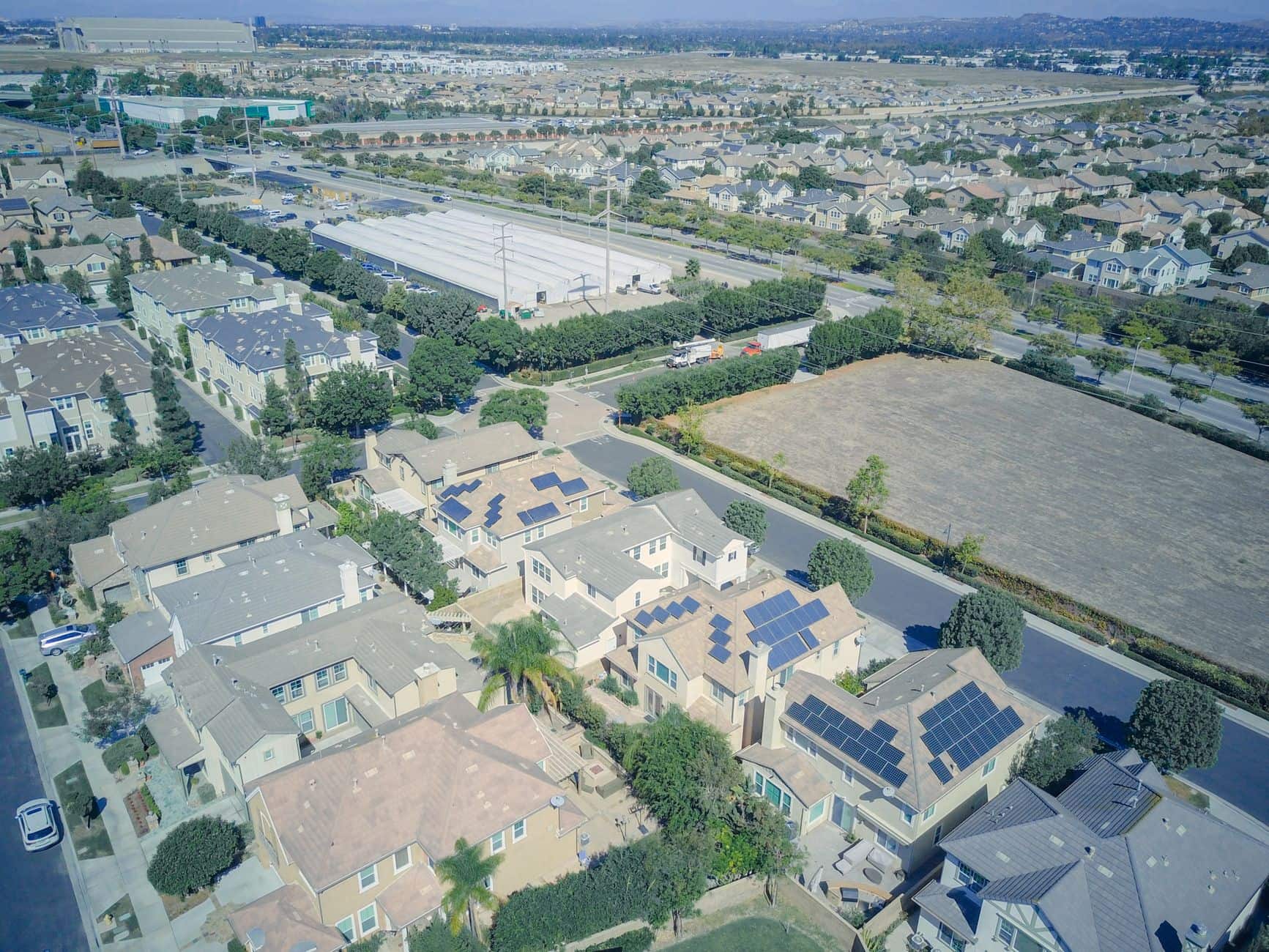
Wildfire Smoke Slashes Great Lakes Solar Output
Wildfire smoke in Ontario reduced solar irradiance across the Great Lakes by up to 10 %, with clear‑sky irradiance dropping over 6 % and soiling losses compounding the effect.
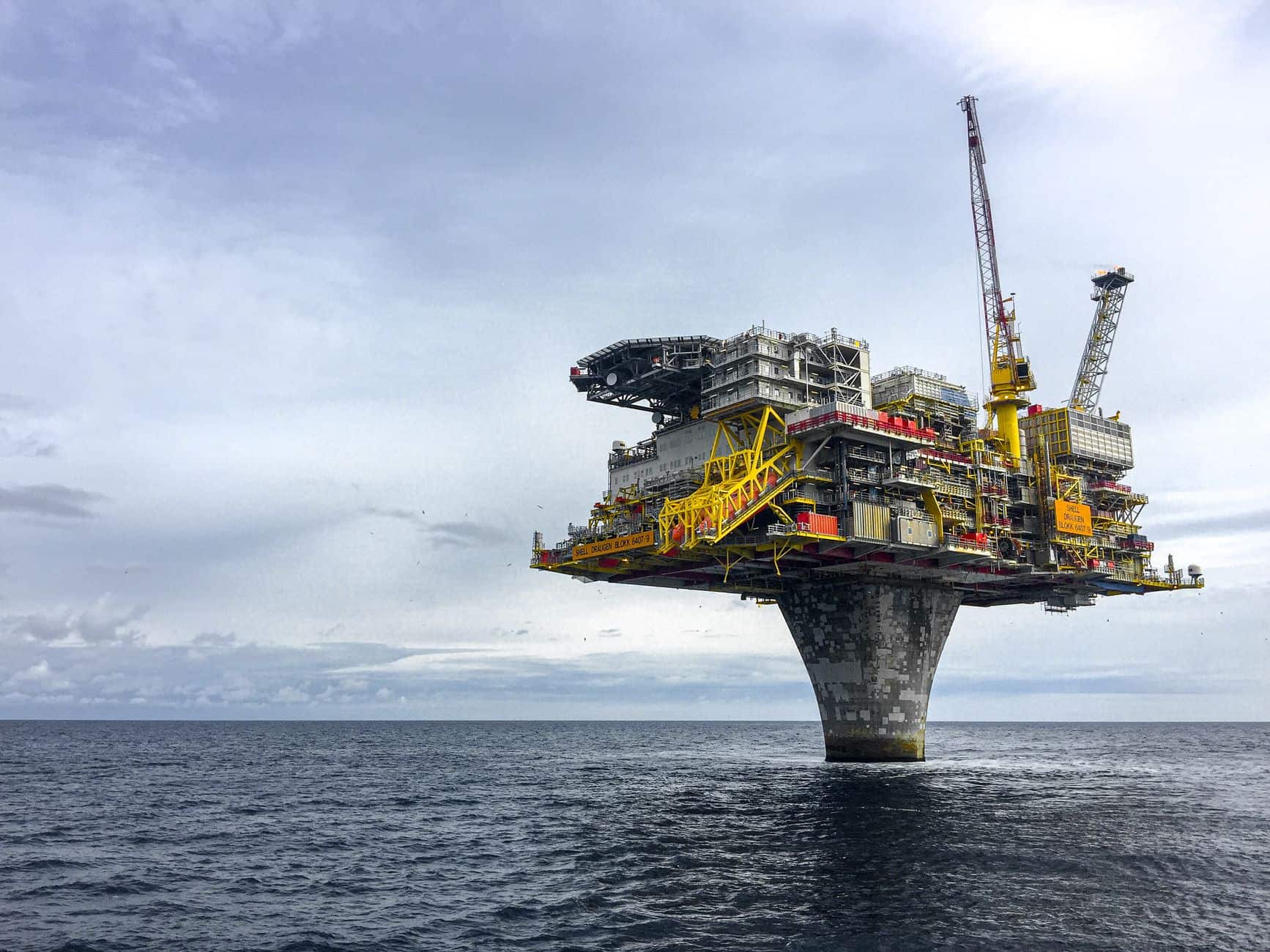
Offshore Wind Generates First Green Hydrogen
The PosHYdon pilot has become the world’s first offshore platform to generate green hydrogen using wind‑powered electrolysis, marking a new era for renewable‑fuel production at sea.
Cylindrical Solar Tubes Find New Life in Urban BIPV
Japanese researchers showed that cylindrical CIGS solar tubes stay cooler and capture sunlight more uniformly than flat panels, making them a promising BIPV option for urban façades.
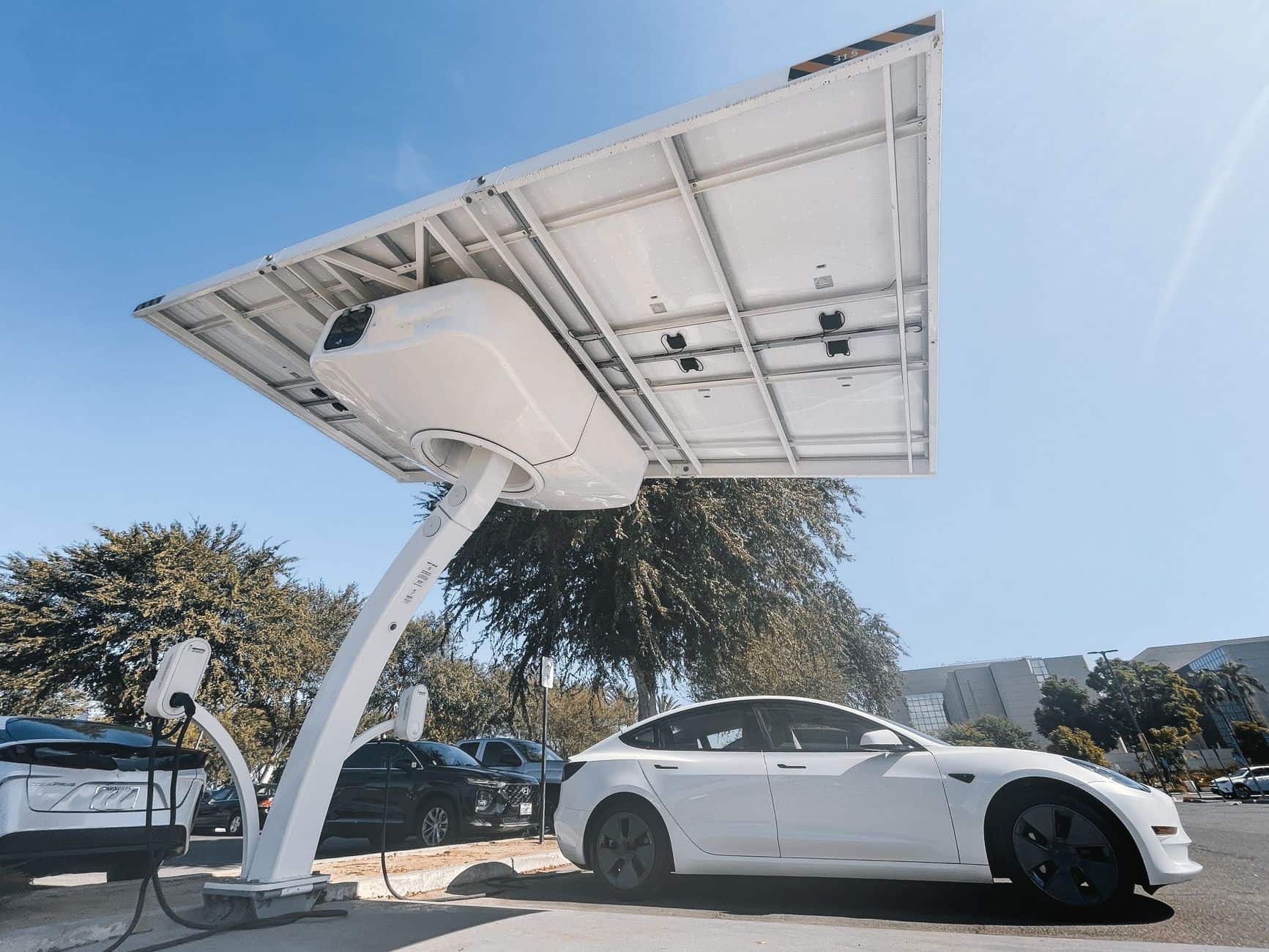
Philippines Solar & EV Boom Cuts Power Bills
The Philippines is rapidly adding rooftop solar and electric‑vehicle fleets, cutting power bills and offering a template that Israel can follow.