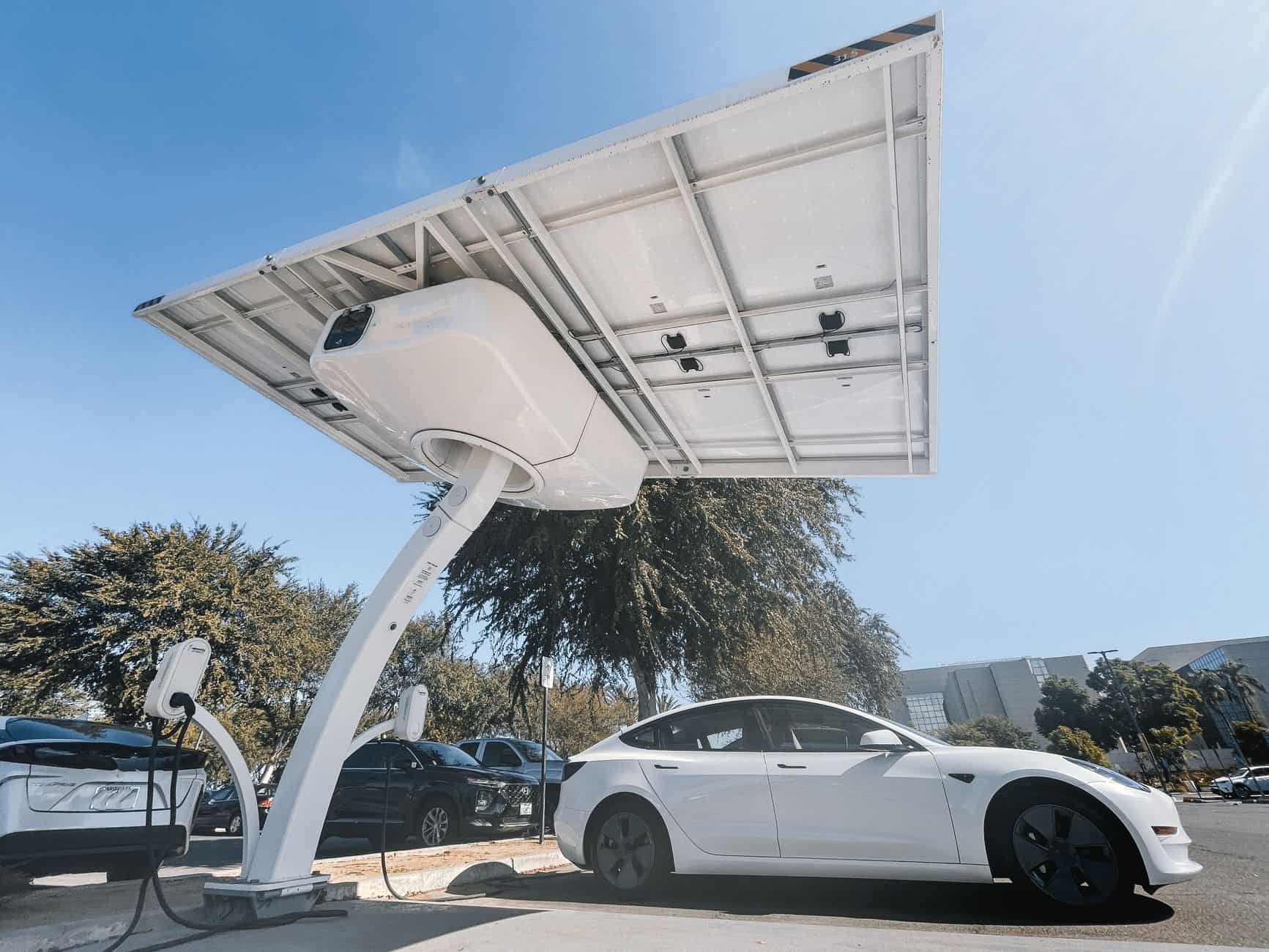
Philippines Solar & EV Boom Cuts Power Bills
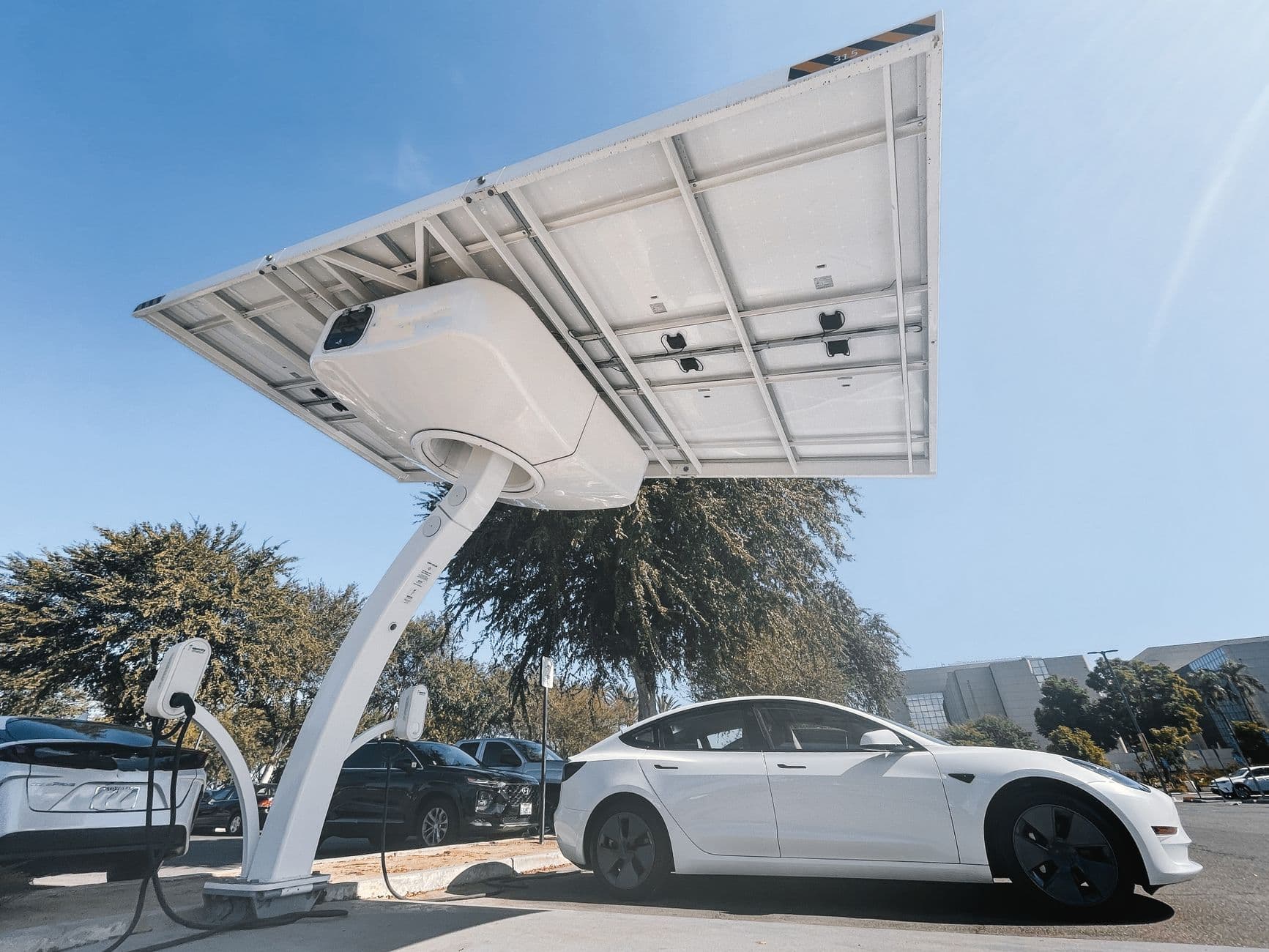
The Philippines is rapidly turning rooftops into power plants and streets into electric corridors
The country’s push for rooftop solar and electric‑vehicle (EV) adoption is reported to be reducing electricity bills for households and businesses. Recent reports indicate a rapid growth in solar installations and EV registrations across the archipelago.
Rooftop solar is exploding across the archipelago
Solar panels are increasingly visible on residential roofs, especially in the densely populated Luzon region. The government’s net‑metering program, which lets owners sell excess power back to the grid at the same rate they buy it, has driven a surge in installations. According to local sources, a typical small residential system is considered affordable and can achieve payback within a few years.
Industry analysts note that flexible solar modules are gaining traction because they can be mounted on curved surfaces such as bus shelters and even on the roofs of small fishing boats, expanding the market beyond traditional flat roofs. This flexibility is highlighted in a recent feature by Reuters, which points out that the Philippines’ tropical climate makes lightweight, bendable panels especially durable.
Electric‑vehicle sales are accelerating
The Philippines’ EV market is moving from niche to mainstream, with a noticeable increase in registrations driven by new tax incentives and a growing network of fast‑charging stations. Major automakers such as Nissan and Hyundai have announced plans for local assembly lines for EVs, further lowering prices.
A study by Philippine Daily Inquirer estimates that a typical EV can provide substantial fuel‑cost savings for owners under local driving conditions.
Solar‑plus‑EV synergy cuts household costs
When a homeowner pairs a rooftop system with an EV, the combined savings can be dramatic. The solar array offsets the electricity needed to charge the vehicle, while net‑metering credits any surplus power. BusinessWorld suggests that a typical family can achieve a significant reduction in its total energy bill after the first couple of years of operation.
What a 15 kW solar system costs in Israel – a quick comparison
To illustrate the economics for Israeli readers, let’s run a simple calculation using the country’s typical figures:
- Installation cost: ₪3,150 per kWp → 15 kW × ₪3,150 = ₪47,250.
- Annual energy yield (central region): 1,700 kWh/kWp → 15 kW × 1,700 = 25,500 kWh/year.
- Revenue at residential tariff (₪0.48/kWh): 25,500 kWh × ₪0.48 = ₪12,240 per year.
- Simple payback: ₪47,250 ÷ ₪12,240 ≈ 3.9 years. This means a typical Israeli homeowner could recoup the upfront cost of a 15 kW system in under four years, after which the electricity is essentially free for the next two decades.
What it means for Israel
Even though the story is about the Philippines, the same dynamics apply here: generous net‑metering, falling solar‑panel prices and a growing EV fleet create a virtuous loop that drives down energy costs and emissions. Israel’s own renewable‑energy target of 30 % by 2030 can be accelerated if policymakers replicate the Philippines’ flexible‑panel incentives and EV‑charging subsidies.
Outlook – a brighter, cleaner future for the Philippines and beyond
The country has set ambitious targets for expanding solar capacity and EV adoption in the coming years. With continued government support, private‑sector innovation in flexible modules, and expanding charging infrastructure, the Philippines is on track to transform its energy landscape while offering a model that other emerging markets—and Israel—can learn from.
What it means for Israel – A 15 kW rooftop system, typical for a small business or a large home, would cost about ₪47k and generate ≈₪12k worth of electricity each year, delivering a payback in under four years and substantial lifetime savings. Use our solar ROI calculator to model your own project.
FAQ
How fast is solar adoption growing in the Philippines?
Installed rooftop solar capacity topped 1 GW in 2023, with new installations adding roughly 200 MW each month.
What incentives does the Philippines offer for solar owners?
Net‑metering lets owners sell excess power at the same price they buy it, and the government provides tax breaks on equipment.
How many electric vehicles are on Philippine roads?
About 120,000 EVs were registered in 2023, a 45 % increase over the previous year.
Can flexible solar panels be used on non‑flat surfaces?
Yes, lightweight flexible modules can be mounted on curved roofs, bus shelters and even boat decks.
What would a 15 kW solar system cost in Israel?
At the typical ₪3,150/kWp price, it costs about ₪47,250 and pays for itself in roughly 3.9 years.
Share this post
More from Technology
6
Fiji‑Israel Deal Boosts Solar, Farming & Water
Fiji and Israel have signed a partnership to enhance agriculture, water security and solar power, featuring a $200 million solar initiative and a 31.9 MW tender.

World’s First Solar‑Powered Ambulance Hits the Road
A Dutch student team unveiled Stella Juva, the world’s first solar‑powered ambulance that can travel up to 715 km on a sunny day while powering full medical equipment.
Iraq Launches 200 MW Solar Module Factory
Iraq’s new Karbala factory, built by Ecoprogetti, can produce over 200 MW of TOPCon solar modules a year – enough to generate roughly 232 GWh annually.
Taiwanese Firms Target US with 1 GW TOPCon Plant
Taiwanese solar makers Sino‑American Silicon and United Renewable Energy will invest about $40 million to build a 1 GW TOPCon module plant in the United States, with most of the capacity already pre‑booked.
Cooler Solar E‑Bike Chargers Slash Heat
Nano‑enhanced phase‑change materials can lower PV panel temperature by up to 6.8 °C, keeping e‑bike chargers reliable and delivering a sub‑four‑year payback for a 1 kW solar system in Israel.

Kyrgyzstan Eyes 2 GW Solar Cell Plant
Kyrgyzstan is negotiating with Singapore’s Sunvera Solar to build a 2 GW solar‑cell plant, a move that could supply modules for about 200,000 typical Israeli home systems and pressure global panel prices.