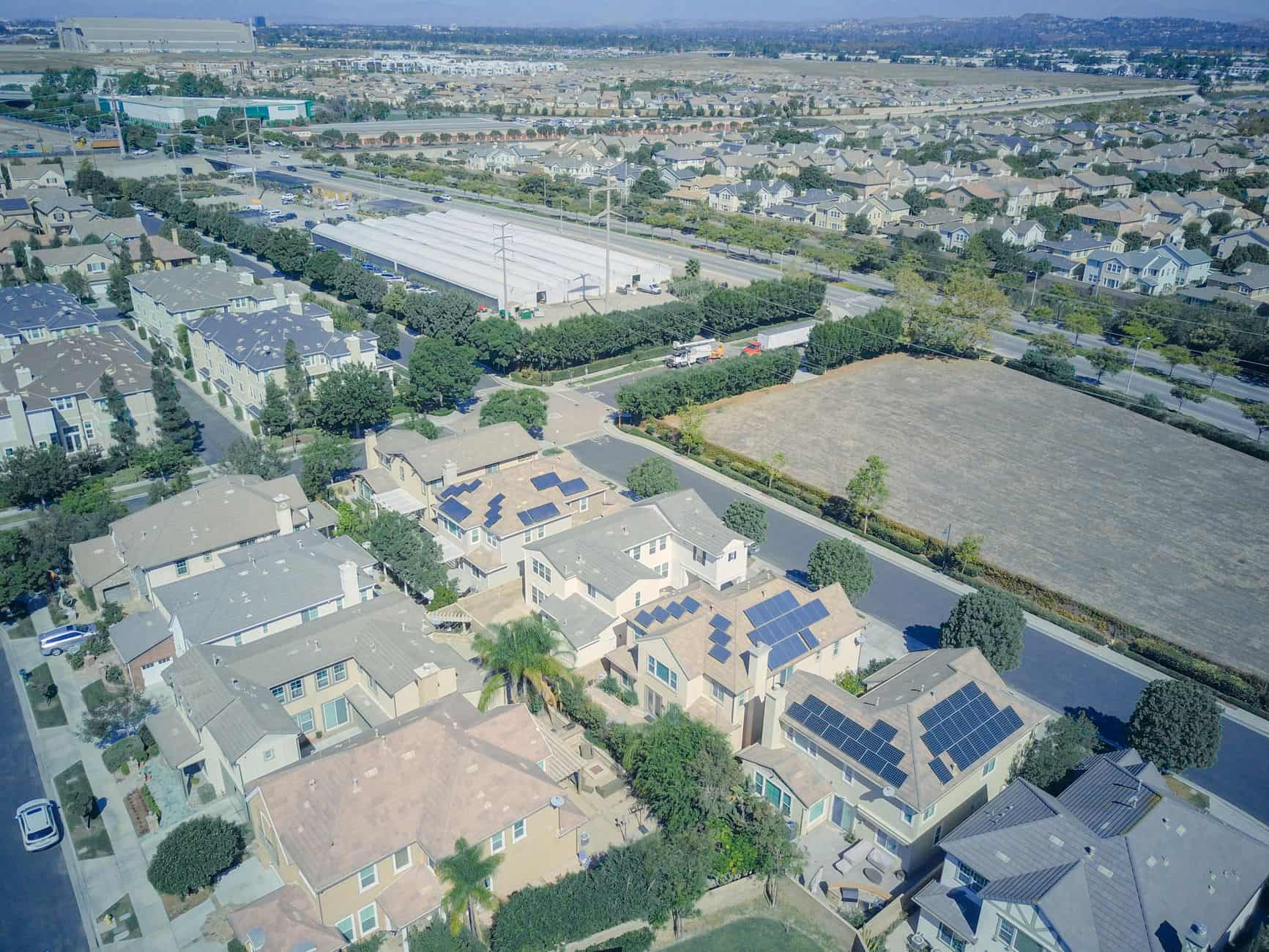
Wildfire Smoke Slashes Great Lakes Solar Output
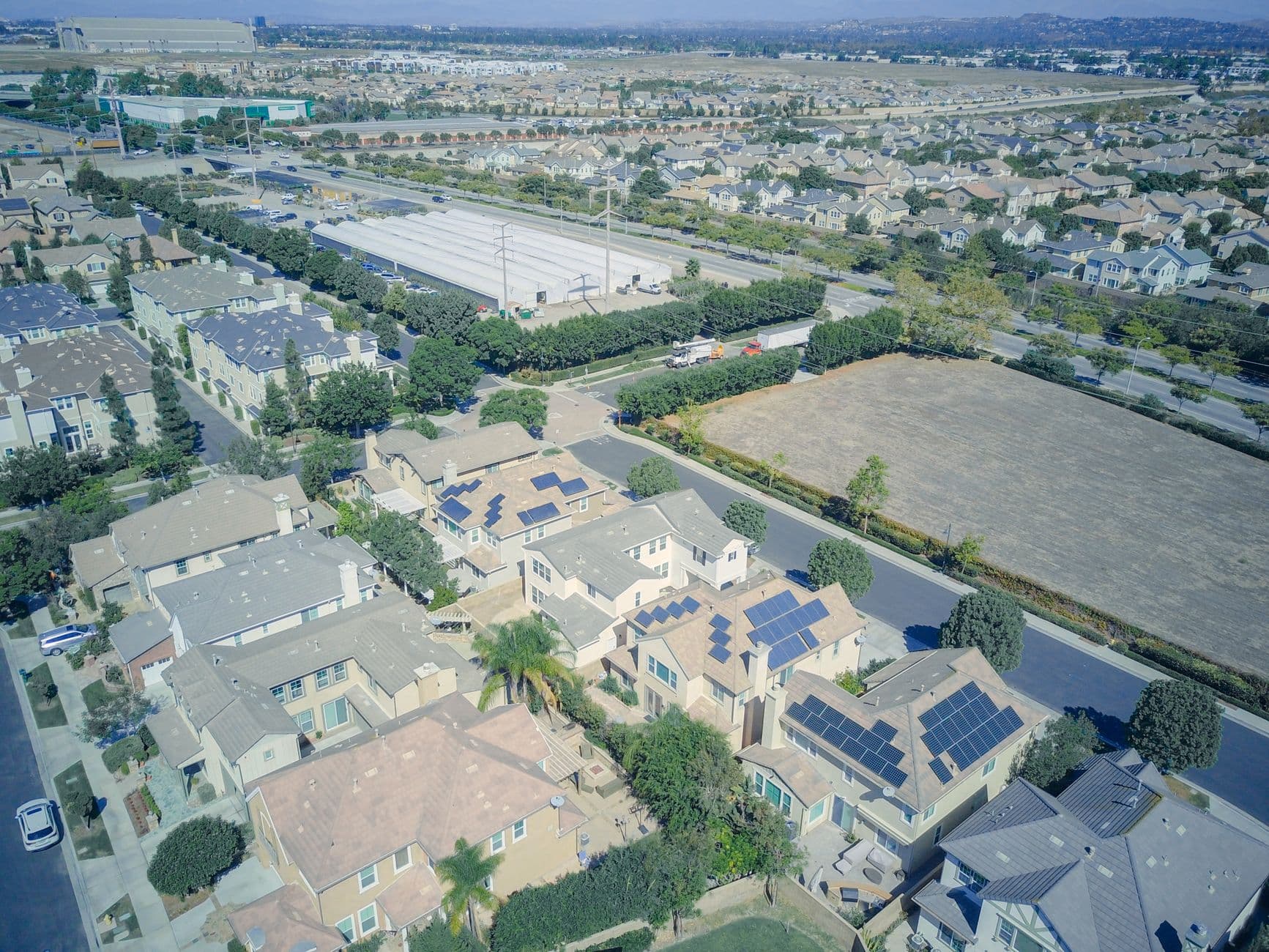
Smoke‑driven aerosols cut solar irradiance by up to 10% across the Great Lakes
During the peak of the July 2024 wildfire episode, clear‑sky solar irradiance and observed global‑horizontal irradiance (GHI) fell as much as 10 % below average across the Great Lakes and the U.S. Northeast, according to Solcast’s high‑resolution satellite‑AI analysis. The loss was driven primarily by a > 6 % drop in clear‑sky irradiance, with the remaining gap coming from cloud‑related variability.
Solcast, a DNV‑owned data‑provider, tracks clouds and aerosols at 1‑2 km resolution using satellite imagery and proprietary machine‑learning algorithms. Their model bias is typically under 2 %, making the figures reliable for utilities and large‑scale PV owners that collectively manage >300 GW of solar assets worldwide.
Wildfire activity in Ontario created a dense smoke corridor
By mid‑July, more than 100 active fires were burning across northern and north‑western Ontario, a number that later rose above 180 as the province’s fire‑danger rating hit “extreme”. Smoke was advected southeastward, blanketing southern Ontario, Quebec, and then spilling over the Great Lakes into the U.S. Midwest and Northeast. Cities such as Toronto, Chicago, Detroit and Minneapolis recorded some of the world’s poorest air‑quality indices between 14‑17 July, prompting alerts in over 20 U.S. states.
Copernicus/CAMS PM10 data showed particulate concentrations peaking at 8 × the pre‑event baseline over north‑western Ontario on 17 July, while Toronto and southern Ontario saw a three‑fold rise. These fine particles attenuated sunlight even under clear‑sky conditions, directly reducing the GHI that PV systems could capture.
Soiling losses amplified the irradiance drop
The smoke‑laden air not only blocked sunlight but also deposited particulate matter on panel surfaces. Soiling losses accelerated dramatically, persisting until a rain event on 18 July finally washed the panels clean. This dual impact—optical attenuation plus surface soiling—exacerbated the overall irradiance deficit, a phenomenon documented in peer‑reviewed studies of aerosol‑induced PV performance loss.
Why aerosols matter more than clouds in this event
Machine‑learning‑based solar‑radiation research identifies aerosol optical depth as a primary driver of clear‑sky irradiance uncertainty, often outweighing cloud optical depth in smoke‑heavy scenarios. Solcast’s clear‑sky anomaly maps make this distinction visible: the aerosol‑induced dip appears before any cloud‑related fluctuations, underscoring the importance of high‑resolution aerosol monitoring for accurate PV forecasting.
What it means for Israel’s solar owners
Although the smoke event unfolded far from Israel, the mechanics are directly relevant to local PV operators. In Israel, a typical 10 kWp residential system in the central region yields about 17 000 kWh / year, valued at roughly ₪8 160 under the residential tariff of ₪0.48 /kWh. If a similar aerosol event reduced irradiance by 10 %, annual energy production and revenue would fall proportionally, modestly extending the payback period for such a system. Solar owners can mitigate these risks by monitoring aerosol forecasts (e.g., via Solcast or Copernicus) and scheduling cleaning after high‑soiling episodes, a practice increasingly recommended in the IEA‑PVPS best‑practice handbook.
Looking ahead: integrating aerosol data into PV forecasts
The wildfire episode highlights a growing need for real‑time aerosol monitoring in solar‑resource modeling. Researchers are already embedding aerosol optical depth into AI‑driven forecasting pipelines, improving prediction accuracy for both clear‑sky and cloudy conditions. As climate change fuels more frequent wildfires, utilities and large‑scale PV developers are likely to adopt these enhanced models to safeguard energy yields and grid reliability.
Key takeaways
- Wildfire smoke in Ontario cut clear‑sky solar irradiance by >6 % and total GHI by up to 10 % across the Great Lakes region in July 2024.
- Over 180 active fires created a dense smoke corridor that spread to the U.S. Northeast, driving severe air‑quality alerts.
- Aerosol‑induced soiling persisted until rain on 18 July, adding extra losses.
- A 10 % irradiance dip would modestly extend the payback period for a typical Israeli 10 kWp home system, underscoring the value of aerosol‑aware forecasting.
For a deeper dive into your own solar ROI, try our solar calculator and explore regional data on our market page.
Sources & further reading
FAQ
How much did wildfire smoke reduce solar irradiance in the Great Lakes region?
Clear‑sky irradiance fell by more than 6 % and total global‑horizontal irradiance dropped up to 10 % below average during the July 2024 smoke event.
What caused the biggest loss in solar output during the smoke event?
Aerosol particles from the fires attenuated sunlight and added soiling losses, which together outweighed any cloud‑related effects.
Can similar smoke events affect solar panels in Israel?
Yes—if irradiance fell 10 % in Israel, a typical 10 kWp home system’s annual revenue would drop by about ₪800, extending the payback period by roughly 0.4 years.
How many wildfires were active in Ontario during the July 2024 episode?
More than 100 fires were active by mid‑July, rising above 180 as the fire‑danger rating reached “extreme”.
Which cities experienced the worst air‑quality during the smoke episode?
Toronto, Chicago, Detroit and Minneapolis recorded some of the world’s poorest air‑quality indices between 14‑17 July.
What tools do utilities use to track aerosol impacts on solar output?
Solcast’s AI‑driven satellite platform monitors clouds and aerosols at 1‑2 km resolution, feeding high‑resolution irradiance forecasts to operators worldwide.
Share this post
More from Technology
6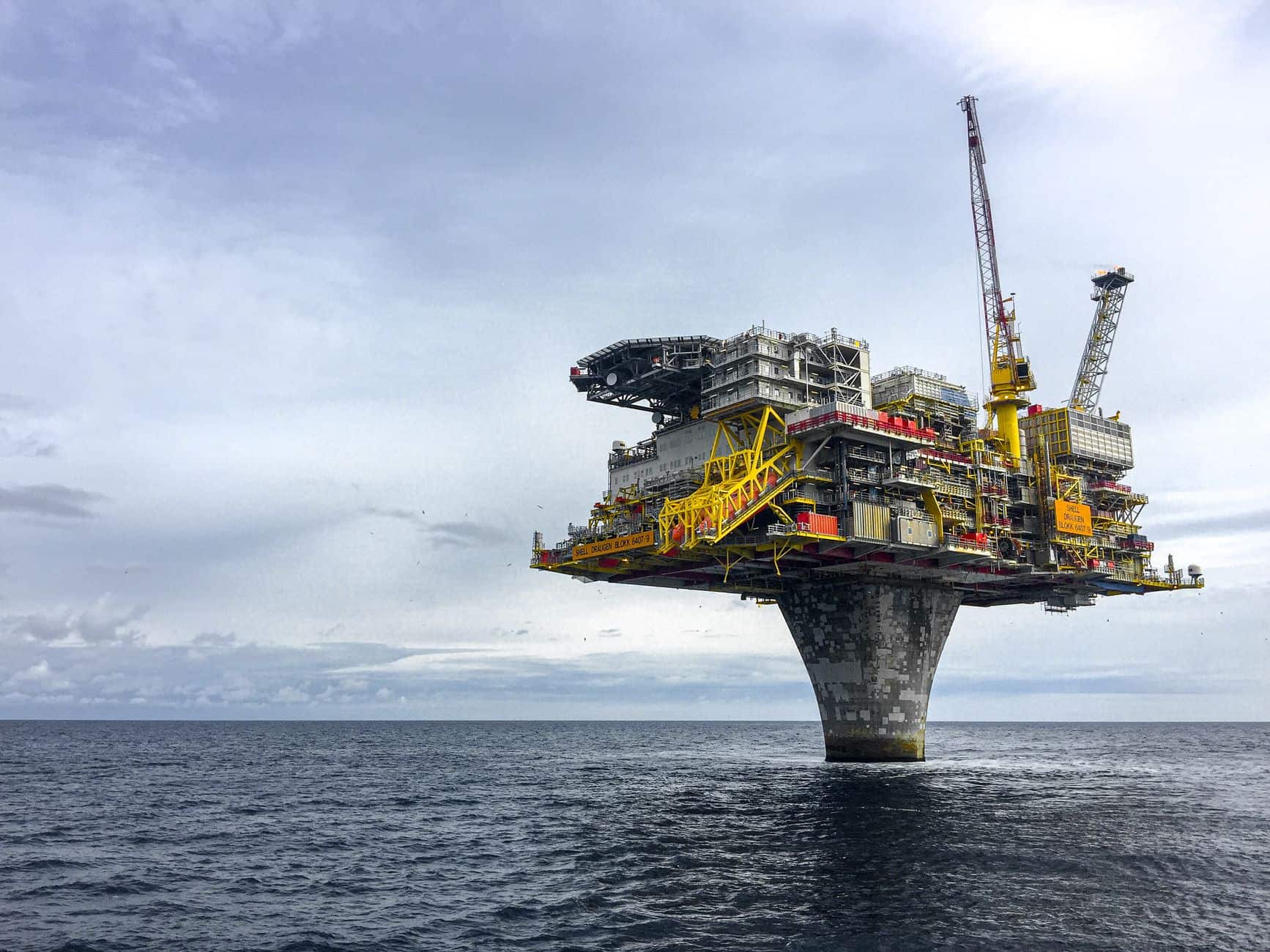
Offshore Wind Generates First Green Hydrogen
The PosHYdon pilot has become the world’s first offshore platform to generate green hydrogen using wind‑powered electrolysis, marking a new era for renewable‑fuel production at sea.
Cylindrical Solar Tubes Find New Life in Urban BIPV
Japanese researchers showed that cylindrical CIGS solar tubes stay cooler and capture sunlight more uniformly than flat panels, making them a promising BIPV option for urban façades.
Philippines Solar & EV Boom Cuts Power Bills
The Philippines is rapidly adding rooftop solar and electric‑vehicle fleets, cutting power bills and offering a template that Israel can follow.
Fiji‑Israel Deal Boosts Solar, Farming & Water
Fiji and Israel have signed a partnership to enhance agriculture, water security and solar power, featuring a $200 million solar initiative and a 31.9 MW tender.

World’s First Solar‑Powered Ambulance Hits the Road
A Dutch student team unveiled Stella Juva, the world’s first solar‑powered ambulance that can travel up to 715 km on a sunny day while powering full medical equipment.
Iraq Launches 200 MW Solar Module Factory
Iraq’s new Karbala factory, built by Ecoprogetti, can produce over 200 MW of TOPCon solar modules a year – enough to generate roughly 232 GWh annually.