Offshore Wind Generates First Green Hydrogen
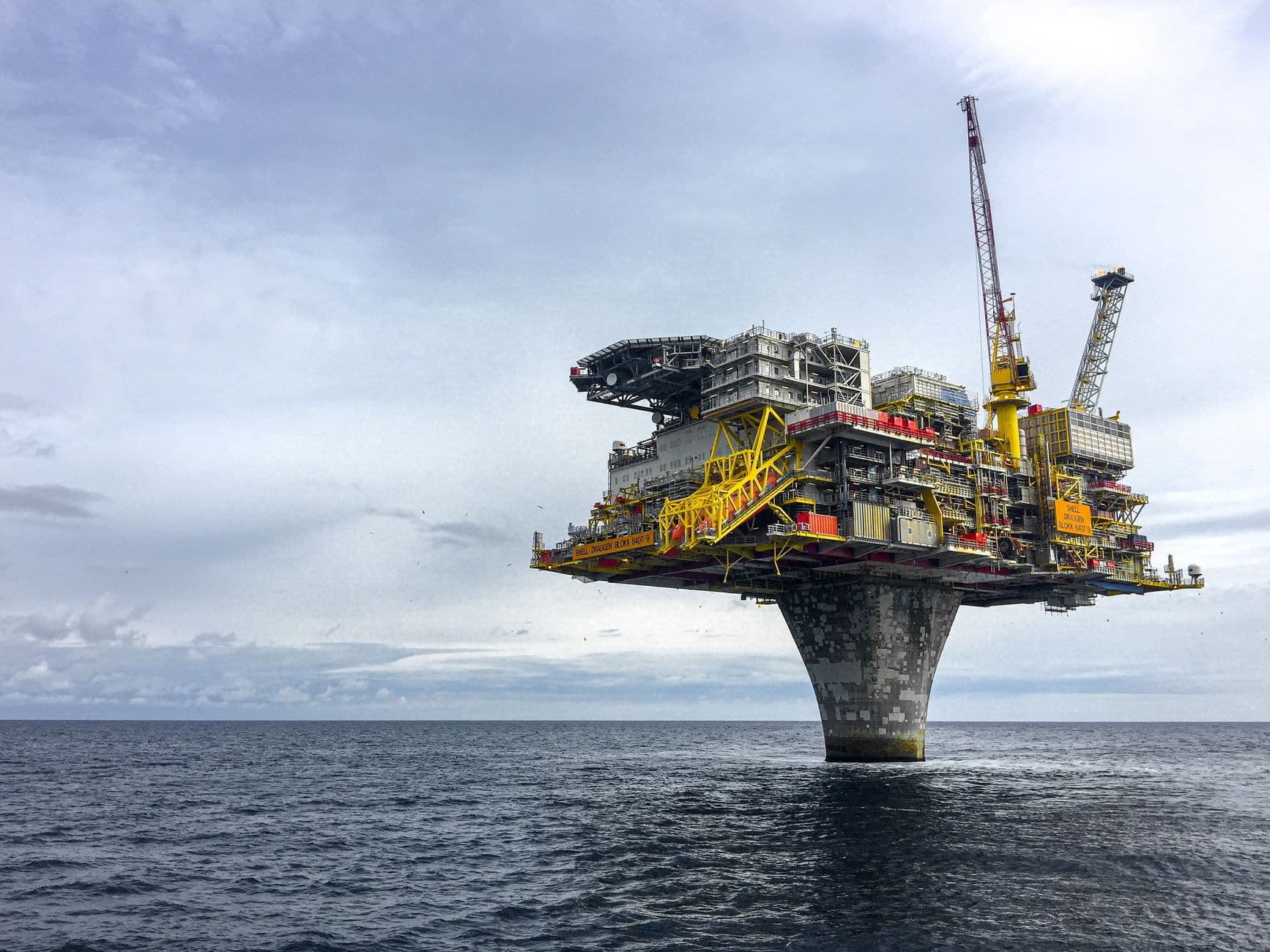
First offshore platform to produce green hydrogen
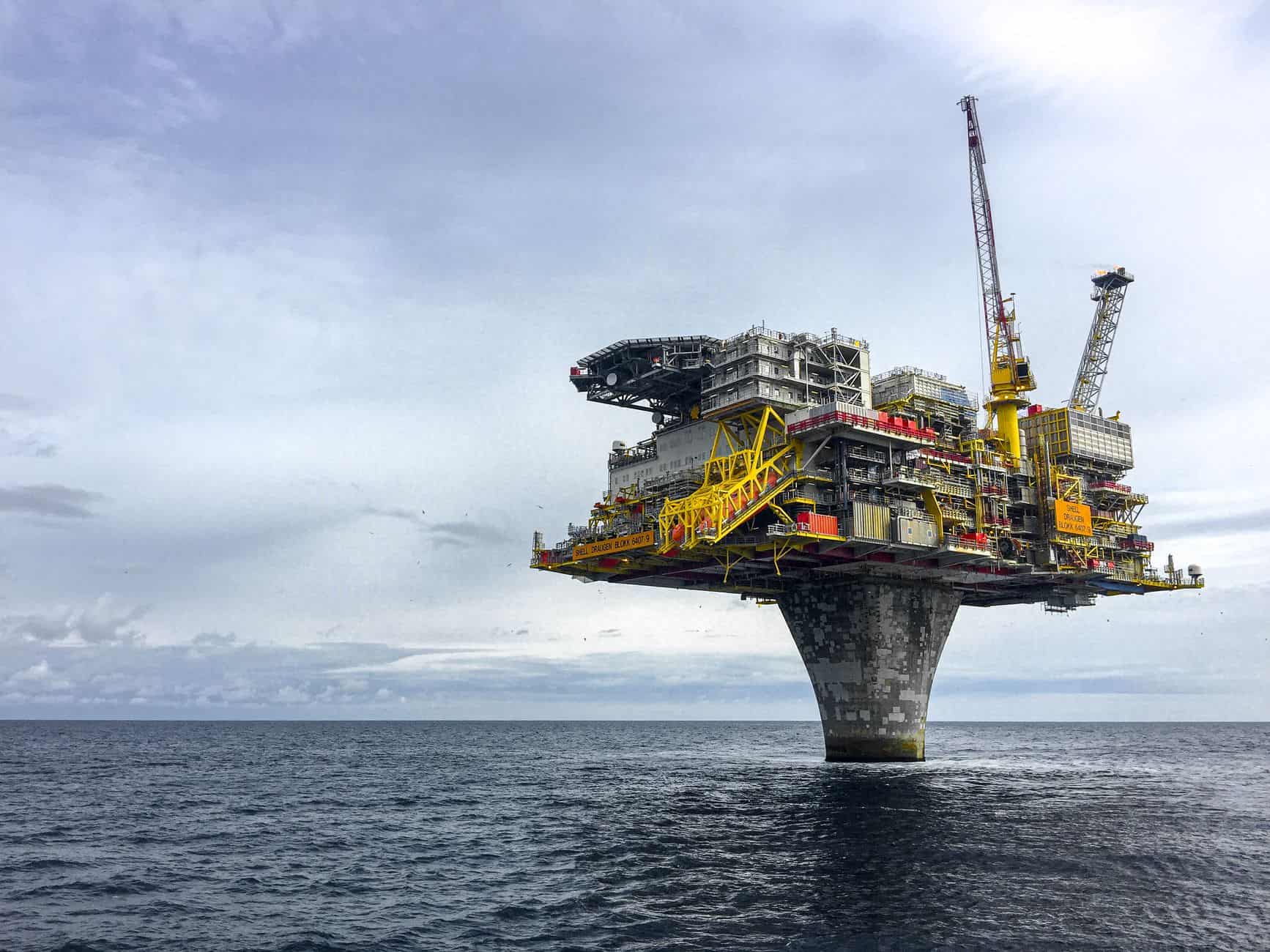
The PosHYdon pilot has become the world’s first operational offshore platform to generate green hydrogen using wind‑powered electrolysis, proving that wind, water and hydrogen can be integrated at sea. The Q13a‑A platform, about 13 km off Scheveningen in the Dutch North Sea, now runs a fully electrified hydrogen plant that turns seawater into de‑mineralised water and then into hydrogen — all powered by nearby offshore wind turbines(https://poshydon.com/en/iv-offshore-energy-one-of-the-proud-partners-of-poshydon-worlds-first-offshore-green-hydrogen-production-pilot-on-a-working-platform/).
How the offshore hydrogen plant works
The plant follows a three‑step process: offshore wind turbines feed electricity to an electrolyser; the electrolyser splits de‑mineralised water into hydrogen and oxygen; the hydrogen is then compressed and stored on the platform. According to the project partners, the system can operate whenever wind power is available, reducing the need for fossil‑fuel‑based backup generators.
Who is behind PosHYdon?
PosHYdon is a consortium of more than a dozen European energy and engineering firms, including ENI (operator and 50 % owner), Energie Beheer Nederland (EBN, 40 %), TAQA Offshore, DEME, Eneco, Nel and Gasunie. The collaboration demonstrates a shift from isolated offshore wind farms toward fully integrated offshore energy hubs that produce both electricity and clean fuels — a model the European Commission is now encouraging through its Hydrogen Mechanism(https://poshydon.com/en/home-en/).
Parallel hydrogen projects signal a continent‑wide push
While PosHYdon proves the concept, Europe is lining up dozens of complementary projects. In Portugal, RCT Hydrogen secured a 10 MW turnkey electrolyser project at the Port of Sines as part of the Sines Green Hydrogen Valley initiative(https://www.oedigital.com/news/541498-north-sea-pilot-produces-green-hydrogen-on-operational-offshore-platform). Meanwhile, the Nordic‑Baltic Hydrogen Corridor (NBHC) has gathered 93 responses from 81 companies, projecting a 2040 demand of about 79 TWh — roughly 87 % of the corridor’s theoretical capacity(https://ceenergynews.com/hydrogen/nordic-baltic-hydrogen-corridor-demand-projected-to-reach-80-twh/).
South Korea’s waste‑to‑hydrogen breakthrough adds another layer
Hyundai Motor Group recently opened H‑two Energy Cheongju, the first Korean integrated waste‑to‑hydrogen (W2H) plant, converting municipal waste into around 500 kg of clean hydrogen per day(https://fuelcellsworks.com/2026/07/09/green-investment/hyundai-opens-500kg-a-day-waste-to-hydrogen-plant-in-south-korea).
What it means for Israel
Israel’s solar market already enjoys high yields – a typical 10 kWp rooftop system in the central region generates about 17 000 kWh per year, worth roughly ₪8 160 at the residential tariff of ₪0.48 /kWh. With an installation cost of about ₪3 150 /kWp, the payback period is under four years. Coupling such a system to a small‑scale electrolyser could produce a modest amount of hydrogen, illustrating how Israel can leverage its abundant solar resource to create domestic green‑hydrogen feedstock and support the nation’s 30 % renewable‑electricity target for 2030. Readers can explore our own ROI calculator [/calculator] and market‑data page [/data] for detailed sizing.
Outlook: scaling offshore hydrogen to meet global demand
The success of PosHYdon gives investors confidence that offshore wind‑hydrogen hubs can be commercialised at scale. Ongoing projects across Europe and Asia suggest a global shift toward clean‑fuel hubs that could eventually include Israel’s own sunny coastline.
What it means for Israel (expanded)
Israel’s electricity tariffs (≈ ₪0.48 /kWh residential) make solar‑generated electricity a valuable commodity. A 15 kW rooftop system in the south (yield ≈ 2 200 kWh/kWp) would produce about 33 300 kWh per year, translating to roughly ₪16 000 of avoided electricity purchases. Diverting that electricity to a modest electrolyser could generate a useful amount of hydrogen for local use, offering a modest revenue stream that could grow as technologies improve.
The offshore wind‑hydrogen model is still in its pilot phase, but the rapid rollout of complementary projects across Europe and Asia suggests a global shift toward clean‑fuel hubs that could soon include Israel’s own sunny coastline.
Sources & further reading
- Poshydon | Iv-Offshore & Energy one of the proud partners of PosHYdon: world’s first offshore green hydrogen production pilot on a working platform
- PosHYdon: First Production of Green Hydrogen on Operational North Sea Platform
- North Sea Pilot Produces Green Hydrogen on Operational Offshore Platform
- Techno-economic assessment of offshore wind-to-hydrogen scenarios
- From wind to hydrogen: mapping the competitiveness of hybrid...
FAQ
What is the PosHYdon project?
PosHYdon is a joint venture that installed a wind‑powered electrolyser on the Dutch Q13a‑A gas platform, making it the first offshore installation to produce green hydrogen.
How is hydrogen produced on the platform?
Offshore wind turbines supply electricity to an electrolyser that splits de‑mineralised seawater into hydrogen and oxygen; the hydrogen is then compressed and stored on the platform.
Which companies are involved in PosHYdon?
Key partners include ENI (operator), Energie Beheer Nederland, TAQA Offshore, DEME, Eneco, Nel, Gasunie and several engineering firms.
What does this mean for Israel’s renewable goals?
Israel can pair its high‑yield solar rooftops with small electrolyzers to produce domestic green hydrogen, helping meet the 30 % renewable electricity target for 2030.
How does the offshore hydrogen market look in Europe?
The Nordic‑Baltic Hydrogen Corridor expects 79 TWh of demand by 2040, and dozens of offshore wind‑hydrogen pilots are being funded through EU hydrogen mechanisms.
Can waste be turned into hydrogen like in South Korea?
Yes – Hyundai’s H‑two Energy Cheongju plant converts municipal waste into about 500 kg of clean hydrogen per day, showing another pathway to green hydrogen.
Share this post
More from Technology
6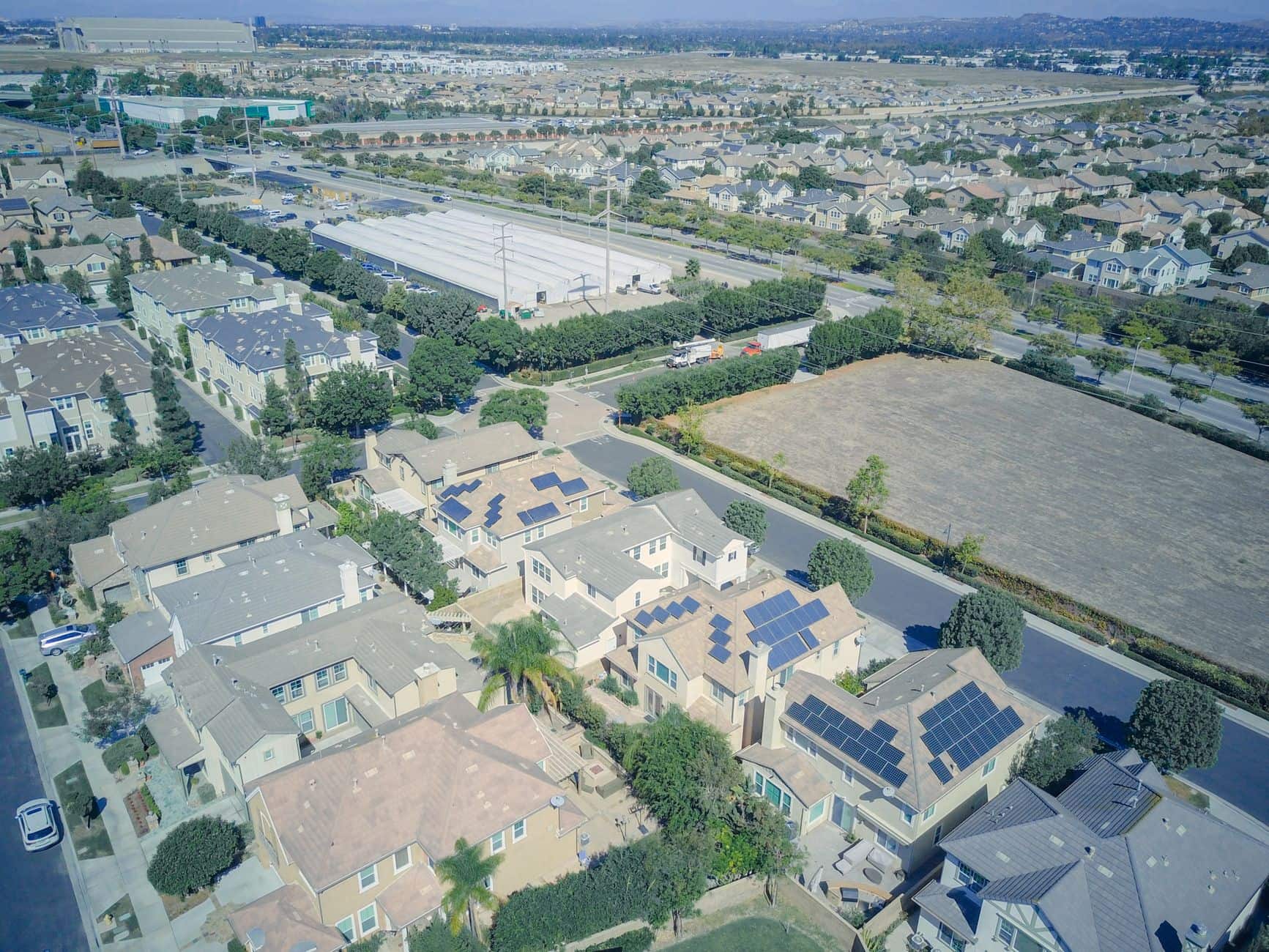
Wildfire Smoke Slashes Great Lakes Solar Output
Wildfire smoke in Ontario reduced solar irradiance across the Great Lakes by up to 10 %, with clear‑sky irradiance dropping over 6 % and soiling losses compounding the effect.
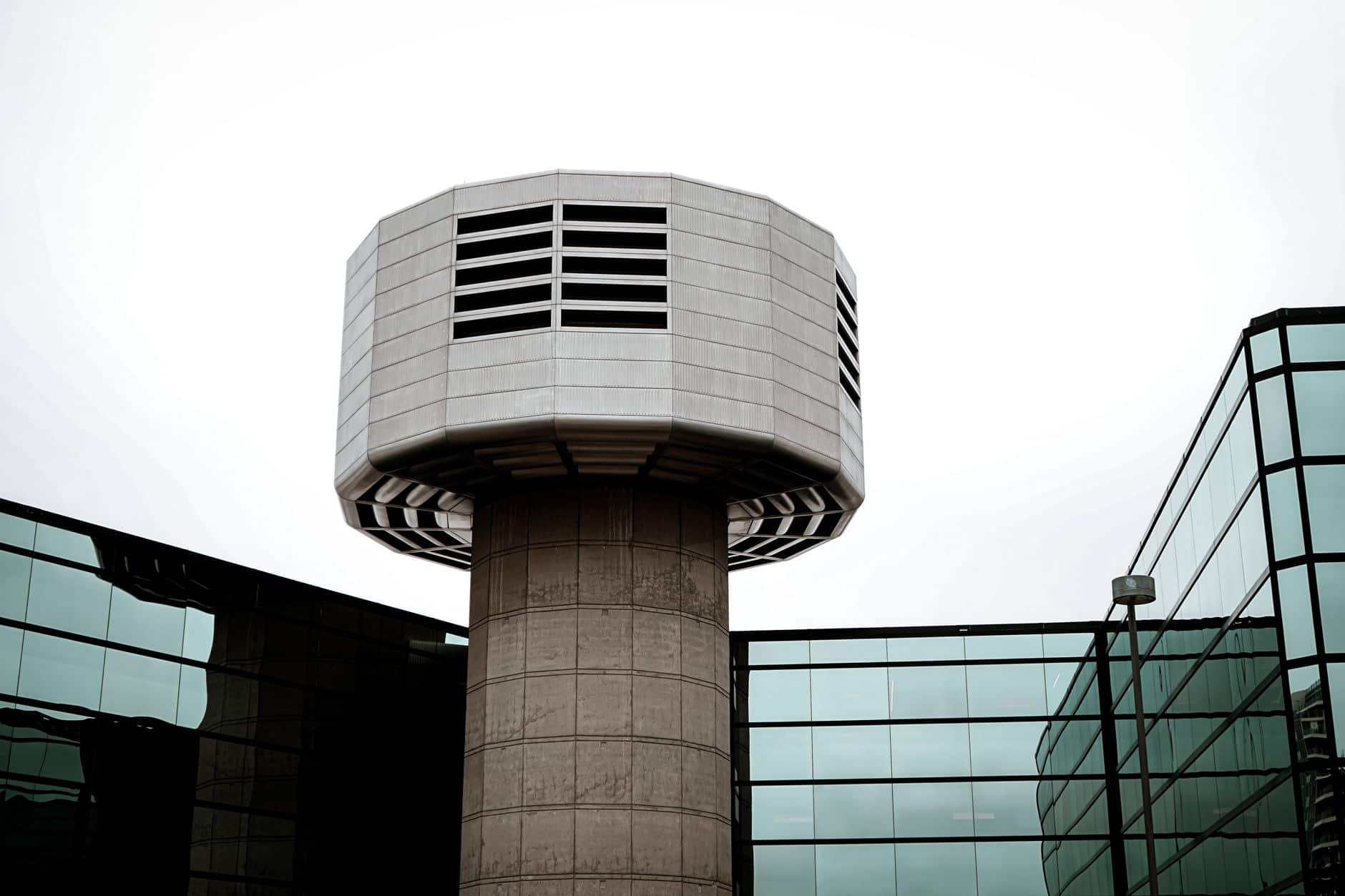
Cylindrical Solar Tubes Find New Life in Urban BIPV
Japanese researchers showed that cylindrical CIGS solar tubes stay cooler and capture sunlight more uniformly than flat panels, making them a promising BIPV option for urban façades.
Philippines Solar & EV Boom Cuts Power Bills
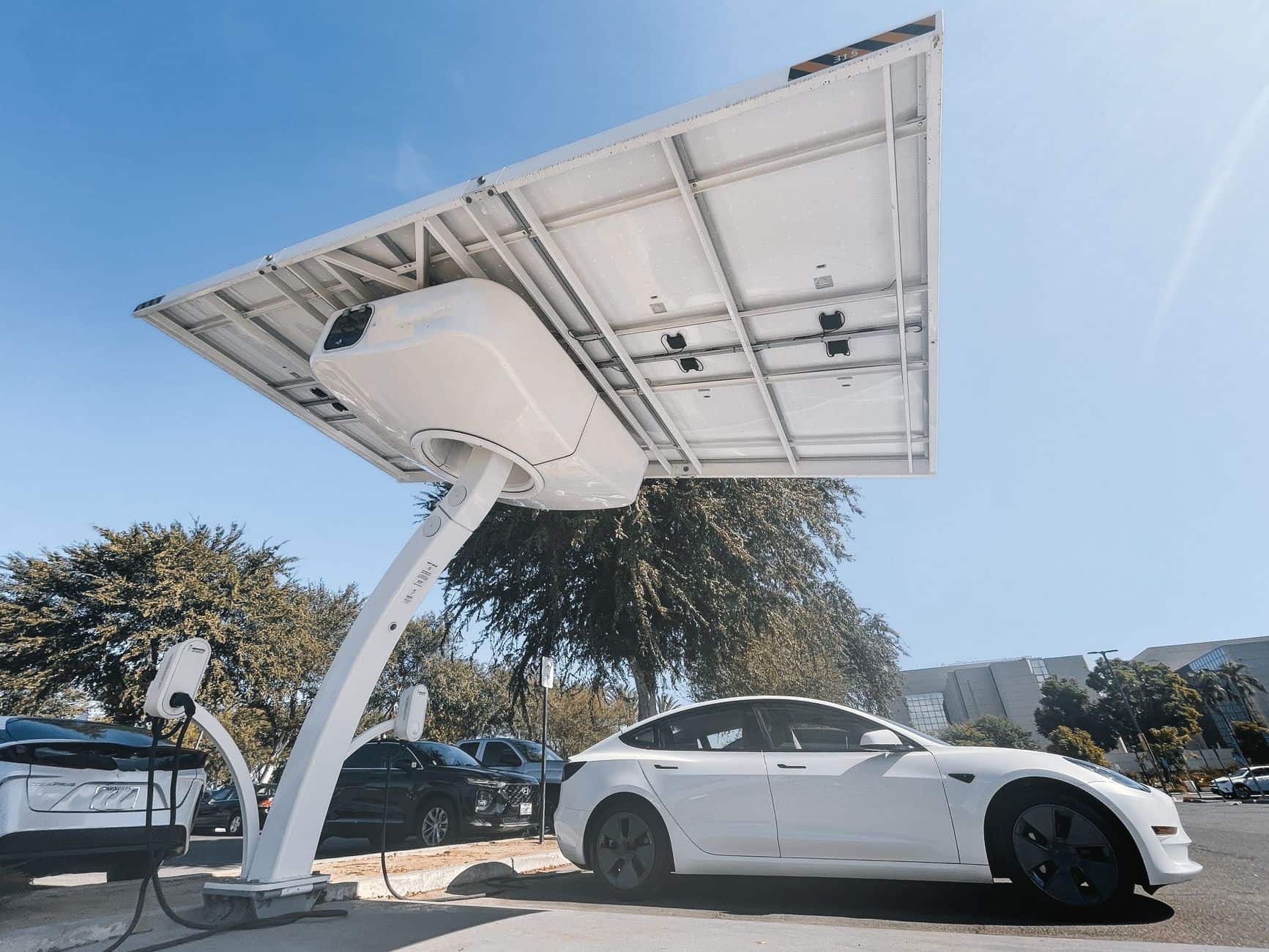
The Philippines is rapidly adding rooftop solar and electric‑vehicle fleets, cutting power bills and offering a template that Israel can follow.
Fiji‑Israel Deal Boosts Solar, Farming & Water
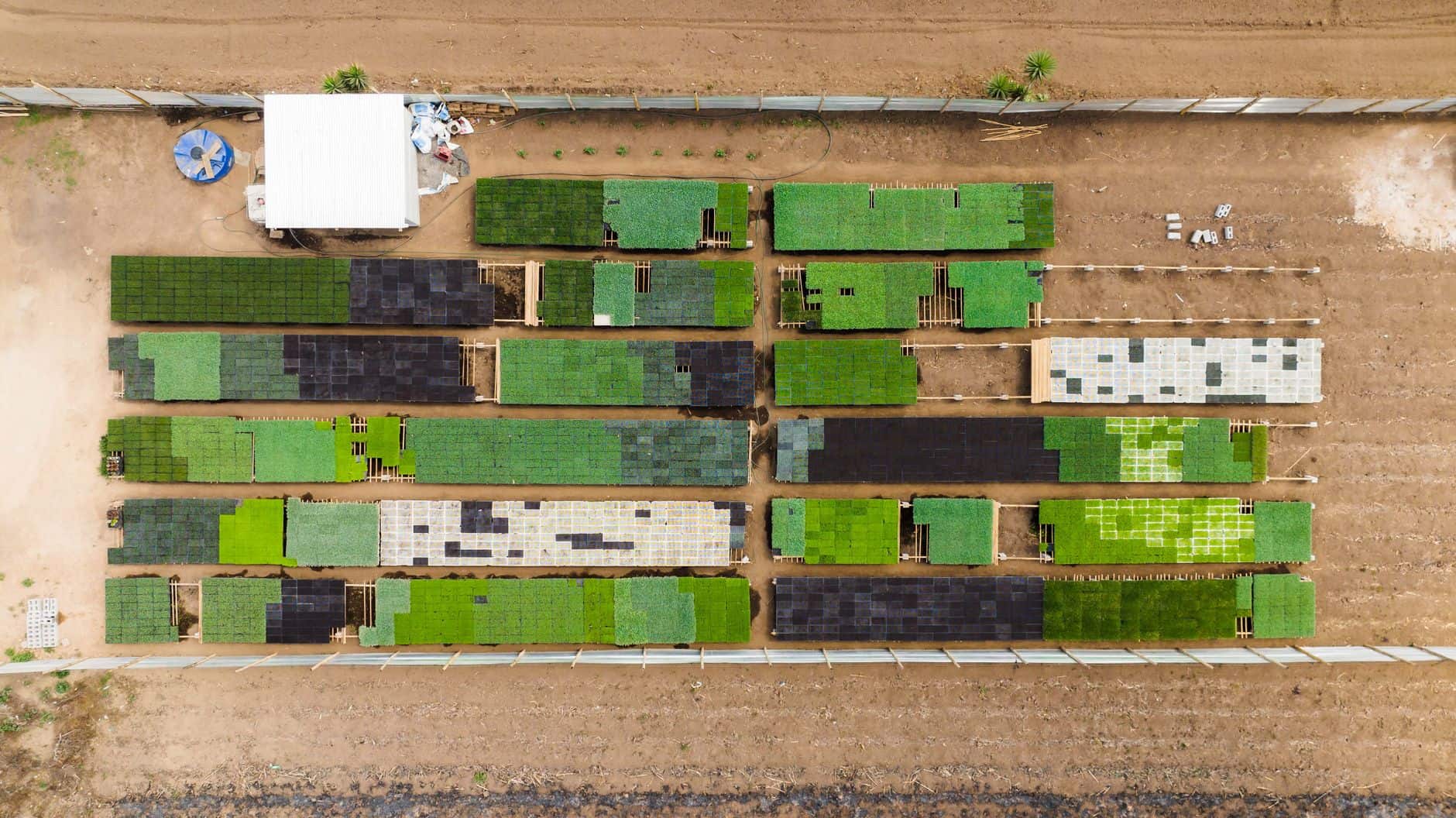
Fiji and Israel have signed a partnership to enhance agriculture, water security and solar power, featuring a $200 million solar initiative and a 31.9 MW tender.

World’s First Solar‑Powered Ambulance Hits the Road
A Dutch student team unveiled Stella Juva, the world’s first solar‑powered ambulance that can travel up to 715 km on a sunny day while powering full medical equipment.
Iraq Launches 200 MW Solar Module Factory
Iraq’s new Karbala factory, built by Ecoprogetti, can produce over 200 MW of TOPCon solar modules a year – enough to generate roughly 232 GWh annually.