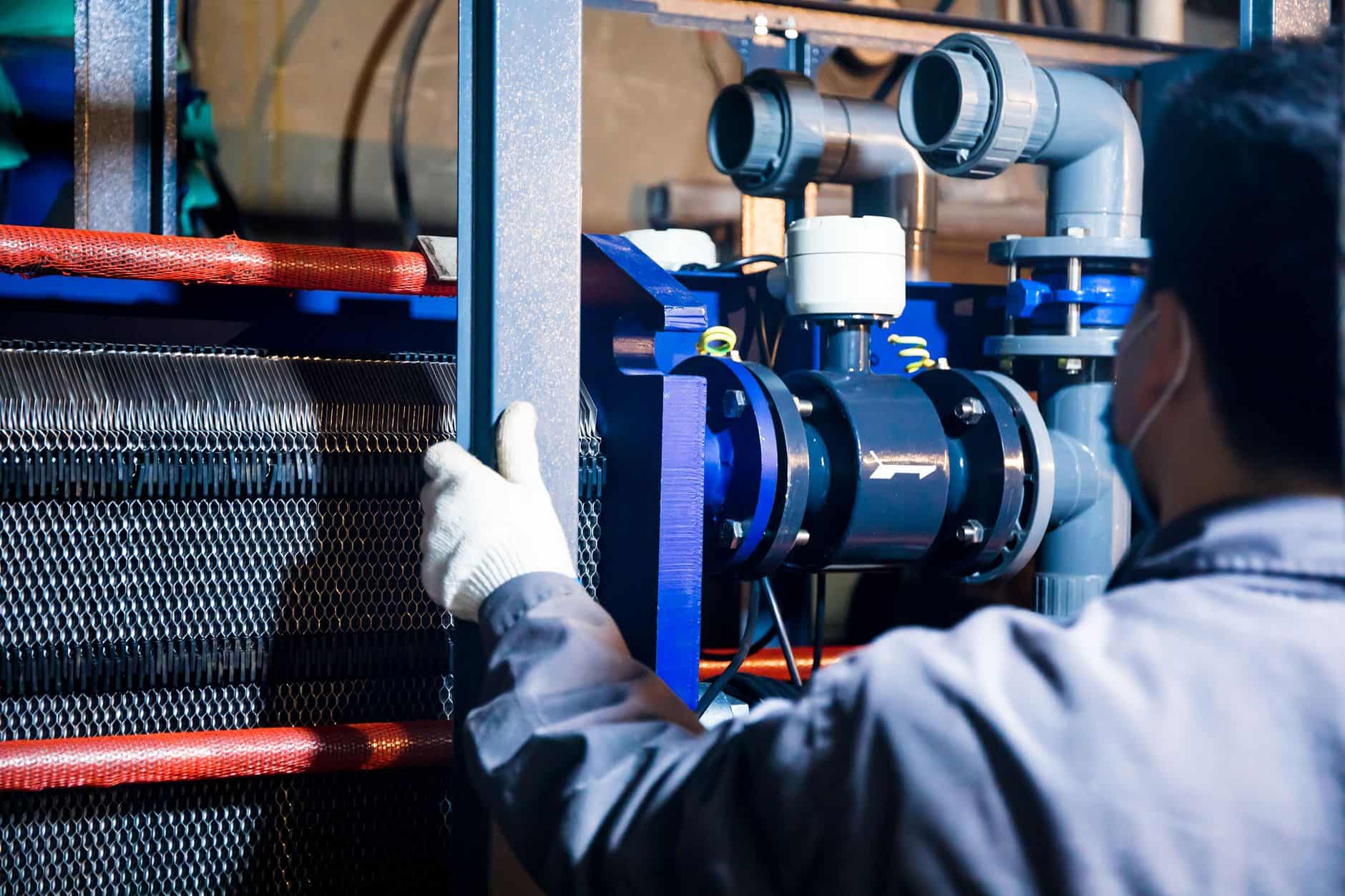
5 MW Alkaline Electrolyzer Demo Powers Green H₂
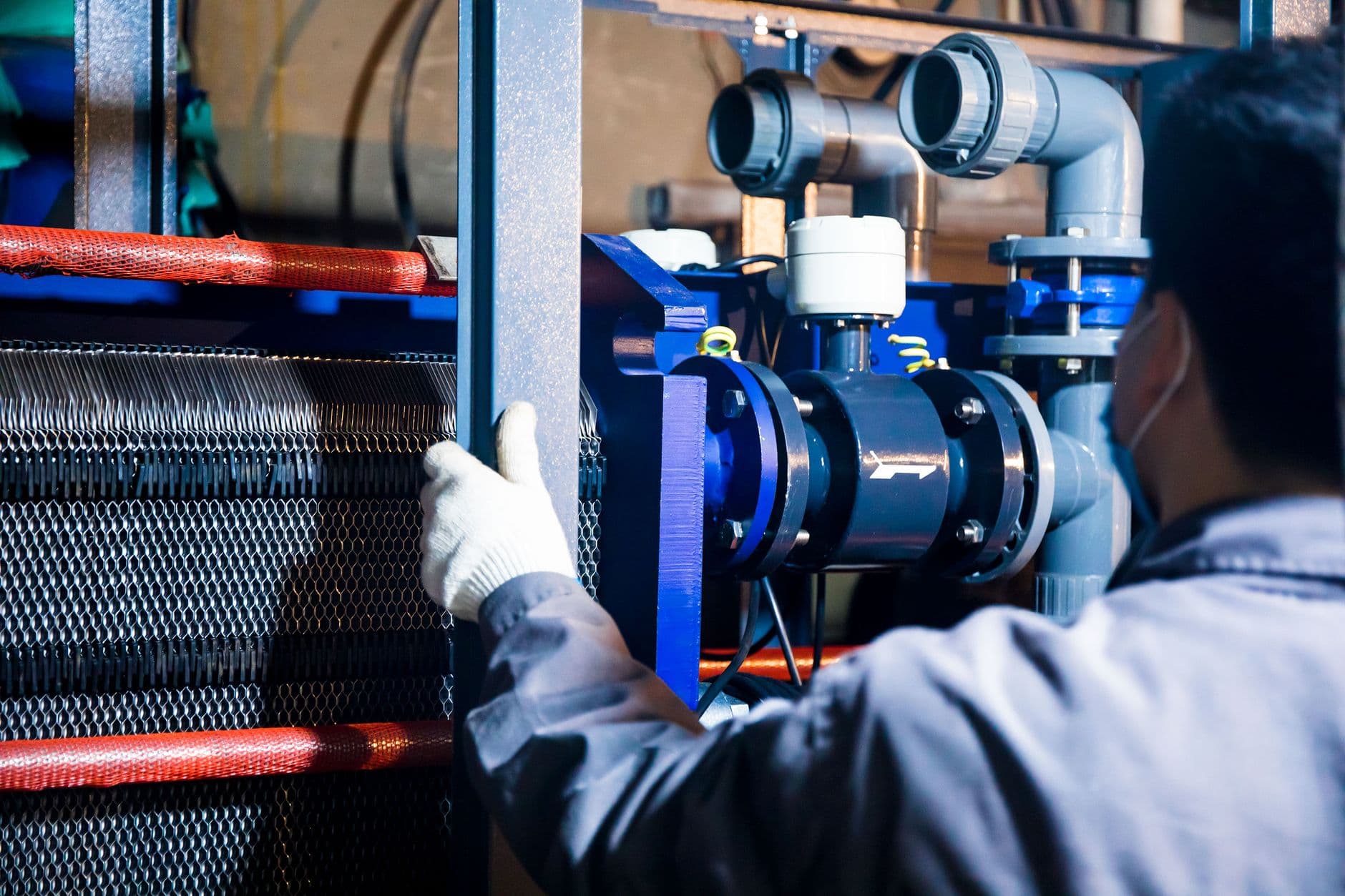
5 MW Alkaline Electrolyzer Demonstrated at Full Scale
A live factory‑acceptance test in Zhangjiagang, China showed a 5 MW pressurised alkaline water‑electrolysis system operating under real‑world conditions. The test was jointly run by India’s Advait Greenergy (AGPL) and China’s Jiangsu Guofu Hydrogen Energy Equipment (GuofuHee) and was streamed to many participants both on‑site and online.
The Unit Can Produce 1,000 Nm³/h of Green Hydrogen
During the demonstration the electrolyser delivered a steady output of 1,000 normal‑cubic metres of hydrogen per hour, with operators highlighting key performance metrics such as cold‑start capability, hot‑restart, dynamic load response, hydrogen purity and specific energy consumption.
Over 70 Stakeholders Saw the Test Live
More than 70 organisations from the green‑hydrogen value chain – ranging from refineries and fertilizer producers to mobility firms and equipment manufacturers – attended the event, giving the companies a chance to field technical questions and showcase the transparency of the electrolyser’s operating data.
Advait Greenergy’s Growing Manufacturing Footprint in India
Advait Greenergy already operates an alkaline electrolyser assembly plant in Kadi, Gujarat, with an initial capacity of 30 MW per year. The firm plans to scale that line to larger capacities, covering everything from electrolyser stacks to balance‑of‑plant, storage, compression and EPC services.
How the Demo Fits India’s National Green Hydrogen Mission
The test is a concrete step toward the localisation goals set out in India’s National Green Hydrogen Mission, which aims to make the country a global hub for green‑hydrogen production, export and downstream use. By pairing GuofuHee’s electrolyser design with Advait’s domestic manufacturing, the partnership seeks to reduce import dependence and lower the levelised cost of hydrogen for Indian heavy‑industry users.
Global Market Context for Alkaline Electrolyzers
Alkaline technology, once considered a legacy option, is seeing renewed interest because of its lower capital cost compared with PEM systems. A World Bank analysis notes that 5 MW‑class alkaline units are now being installed in China and are expected to proliferate in emerging markets as green‑hydrogen demand expands. Meanwhile, GuofuHee is expanding its international footprint, recently winning a 20 MW electrolyser contract in Morocco.
What It Means for Israel’s Renewable Energy Landscape
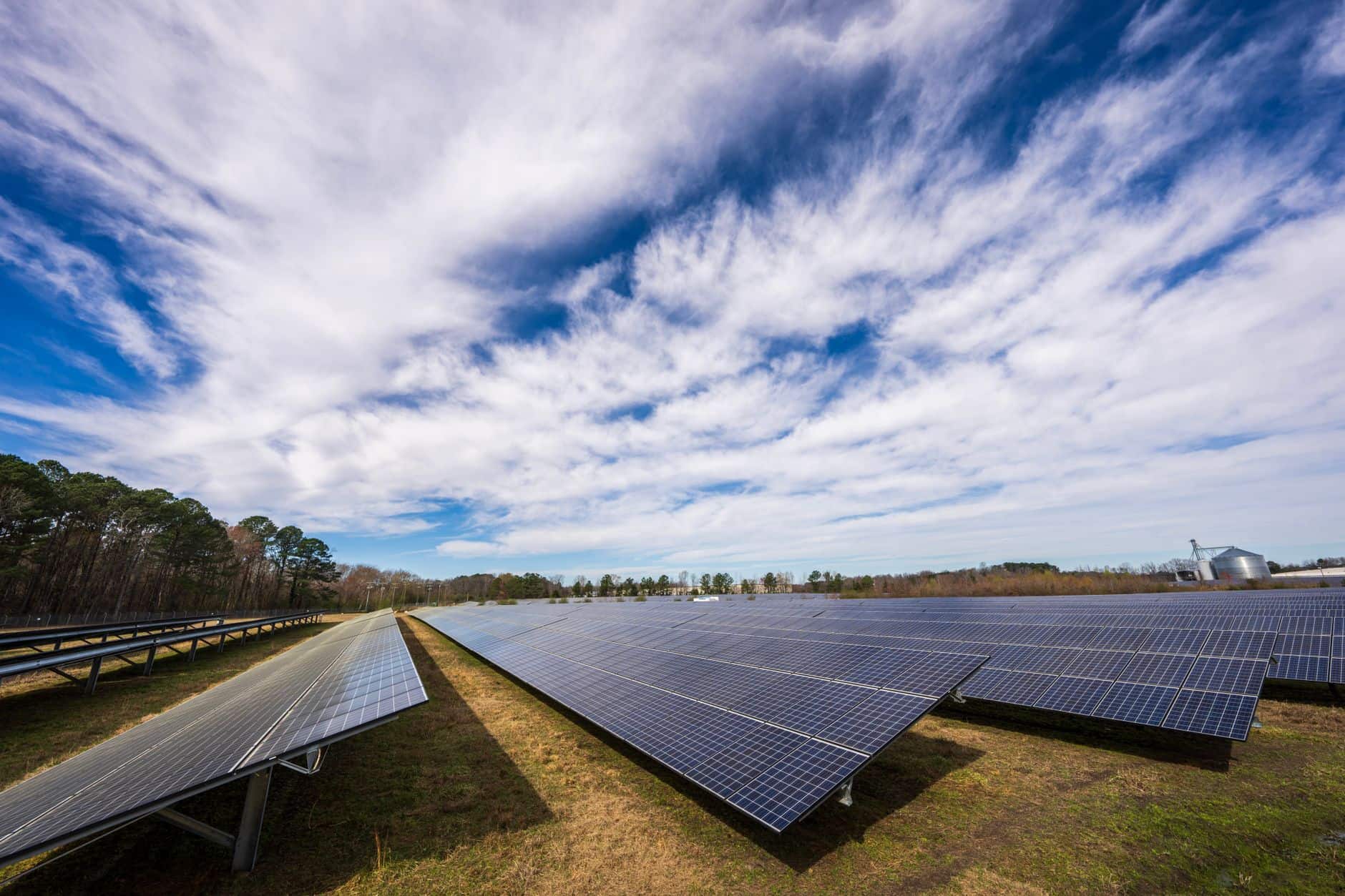
Although the demo took place in China, the technology is directly relevant to Israel, where solar PV is the cheapest source of clean electricity. To run a 5 MW electrolyser continuously, a sizable solar PV installation would be required in Israel’s central region (typical yield ~1700 kWh kWp⁻¹ yr⁻¹). At the typical turnkey cost of ₪3,150 /kWp, such a PV plant would represent a substantial investment. The electricity generated could offset a significant portion of the electrolyser’s energy demand, illustrating how solar‑hydrogen integration could support Israeli industrial decarbonisation.
Looking Ahead: Scaling Up Green Hydrogen
The successful 5 MW demonstration signals that large‑scale alkaline electrolyzers can meet industrial reliability standards while keeping capital costs modest. With India’s mission driving demand and Chinese manufacturers expanding capacity, the next few years should see gigawatt‑scale electrolyser roll‑outs worldwide. For Israel, the key challenge will be pairing this hardware with abundant solar power and creating policy incentives that mirror India’s localisation push, thereby unlocking a domestic green‑hydrogen industry that can serve both local heavy industry and export markets.
Sources & further reading
FAQ
What capacity does the demonstrated electrolyzer have?
It is a 5 MW pressurised alkaline water‑electrolysis system.
How much hydrogen can the unit produce?
The plant delivers roughly 1,000 normal cubic metres of hydrogen per hour.
Why is the demo important for India?
It shows that locally manufactured alkaline electrolyzers can meet the performance needed for the National Green Hydrogen Mission.
Can Israel use similar technology?
Yes – a 5 MW electrolyser could be powered by about 26 MWp of Israeli solar PV, turning excess sunlight into clean hydrogen for industry.
What other industries could benefit from this electrolyser?
Refineries, fertilizer plants, steelmakers, chemicals producers and mobility‑fuel stations are all target markets.
What are the next steps for Advait Greenergy?
The company plans to expand its Gujarat assembly line from 30 MW to 300 MW and eventually 1 GW of annual capacity.
Share this post
More from Technology
6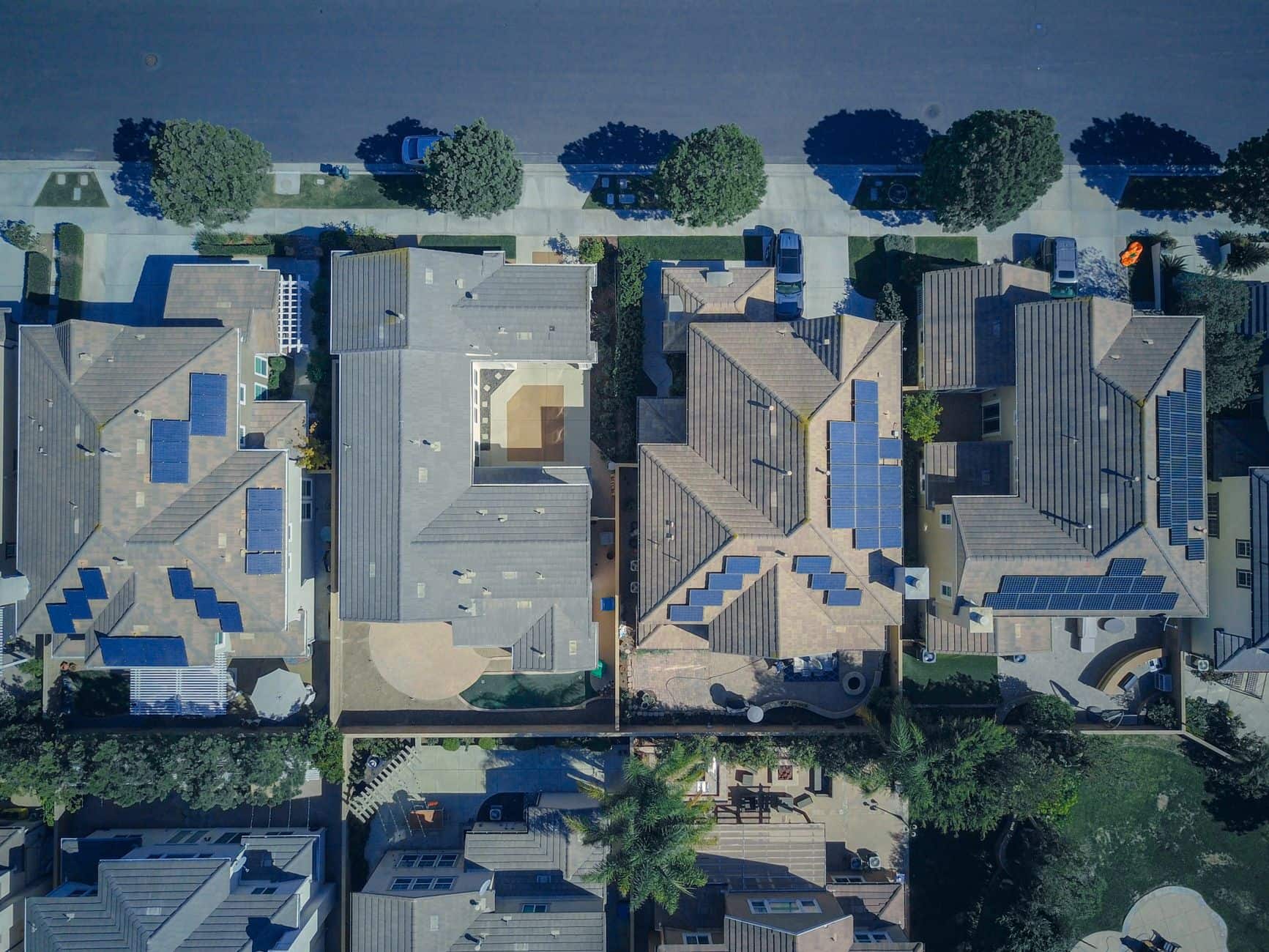
Superhydrophobic Coating Adds 16% Solar Power
A superhydrophobic PDMS‑SiO₂ nanocomposite coating raised solar panel output by 16 % in a six‑month outdoor test, outperformed daily manual cleaning, and cut module temperature by up to 12 %.
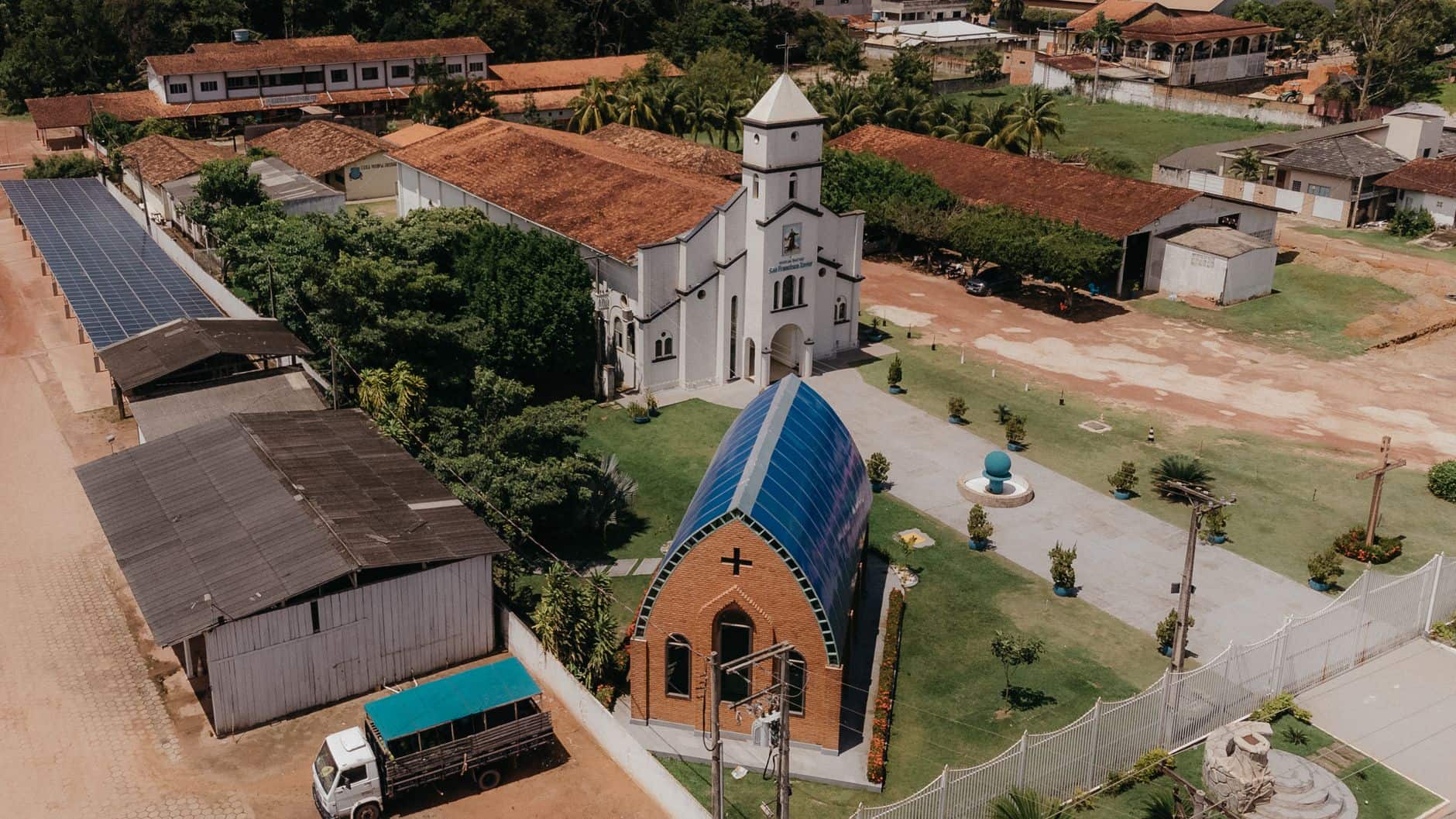
Cuban Company Ships 1,000 Solar Panels
A Cuban exporter’s 1,000 photovoltaic modules are aimed at rooftop solar projects, with flexible panels expanding installation options worldwide and in Israel.
Israel's First Electrified Farm Sets New Solar Record
Israel’s first fully electrified farm produced a notable amount of solar electricity in its first year, showing how solar can cut farm energy costs and help meet renewable targets.
Record 30‑Ton Grape Harvest Under Solar Panels
Israel’s record 30‑ton grape harvest under a solar canopy shows agrivoltaics can boost yields while delivering clean power and a fast payback for farmers.
Solar Panels on Gabion Walls Unlock New Space
A new mounting system lets photovoltaic modules be installed on irregular gabion structures, turning noise barriers and retaining walls into power‑generating assets.
Wildfire Smoke Slashes Great Lakes Solar Output
Wildfire smoke in Ontario reduced solar irradiance across the Great Lakes by up to 10 %, with clear‑sky irradiance dropping over 6 % and soiling losses compounding the effect.