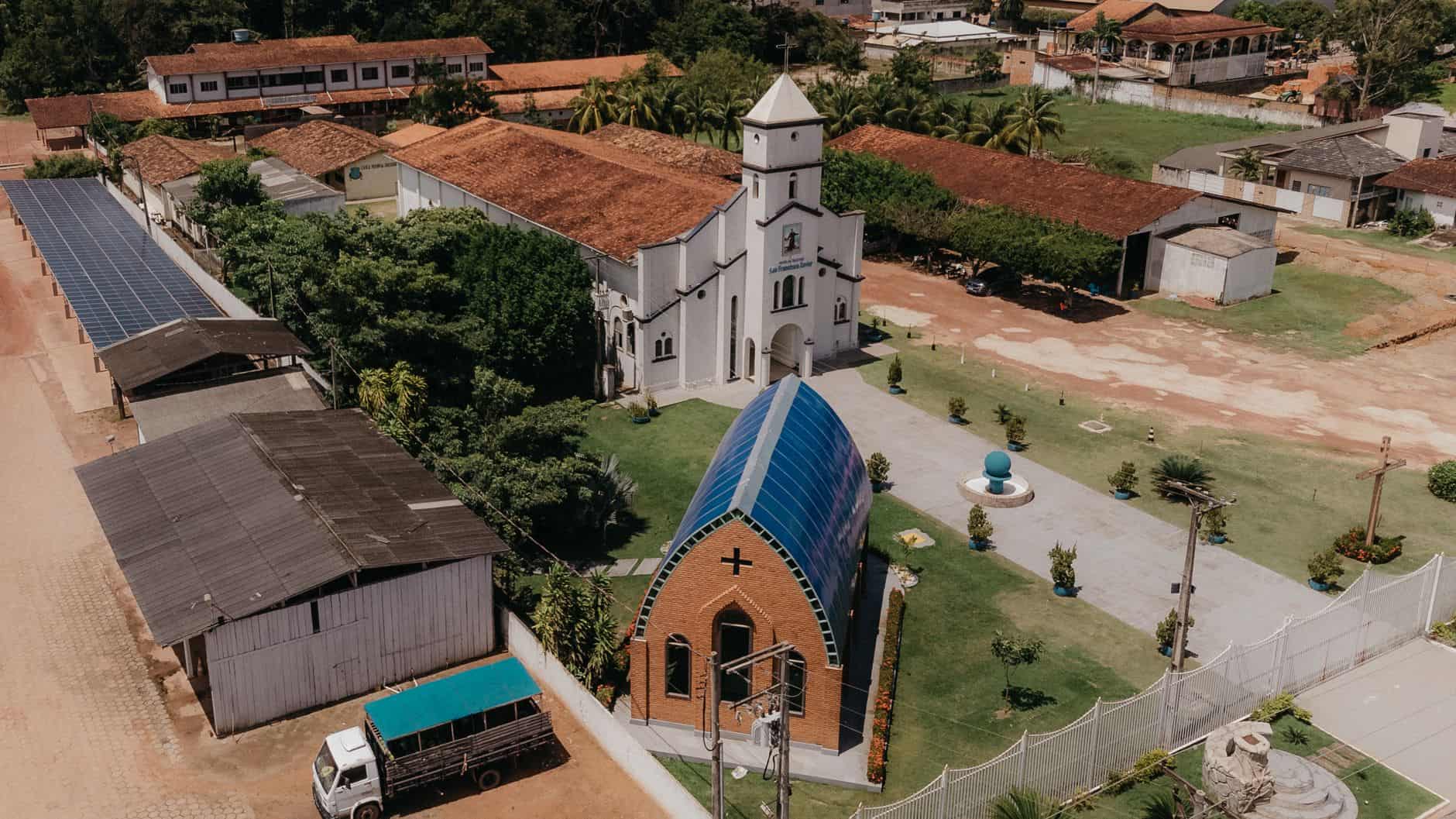
Cuban Company Ships 1,000 Solar Panels
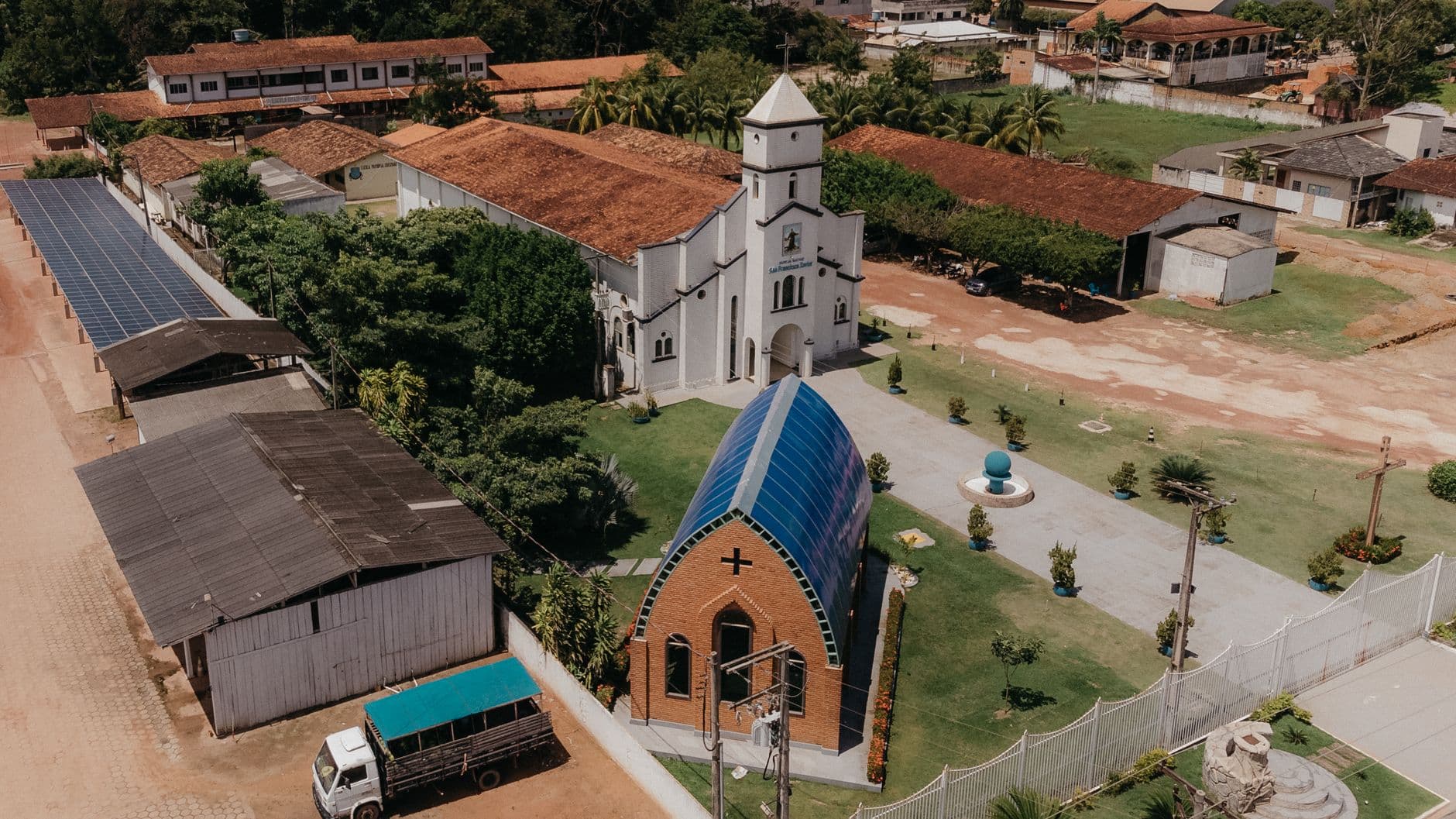
1,000 panels are headed for rooftop PV projects
The Cuban exporter’s batch of 1,000 photovoltaic modules is likely intended for rooftop solar power systems – installations that turn a house or a small‑business roof into a mini‑power plant. A solar panel, or PV module, is a collection of photovoltaic cells that convert sunlight into electricity Wikipedia.
Flexible panels broaden where they can go
Some of the exported units are described as “thin‑film” or “flexible” panels, a technology that lets the module bend around curved surfaces or be mounted on lightweight structures. According to a 2024 guide, flexible panels cost less to produce and perform well in high‑temperature climates, but they trade off efficiency (about 10‑12 %) for that adaptability Solarmate. This makes them attractive for retrofits on older roofs, bus shelters, or even portable off‑grid kits.
Global demand fuels the Cuban surge
Cuba’s recent push into the solar export market mirrors a worldwide surge: global shipments of PV modules reached roughly 706 GW in 2025 Solar‑Panel.co.il. Some exporters in Latin America are leveraging lower labor costs and new manufacturing lines, and the Cuban firm’s 1,000‑panel order is a modest but telling slice of that trend.
What it means for Israel’s rooftop market
Israel has made rooftop solar mandatory on new buildings and is racing toward its 30 % renewable‑energy target for 2030 PVsky. The arrival of affordable, flexible modules from abroad could lower the overall cost of a 10 kW residential system, which today averages about ₪31,500 (₪3,150 /kWp). At the typical residential feed‑in tariff of ₪0.48 /kWh, a 10 kWp rooftop produces roughly 17,000 kWh per year – worth ₪8,160 annually – giving a simple payback of just under four years.
Quick calculator for an Israeli homeowner
Using the representative Israeli figures:
- Installation cost: ₪3,150 /kWp
- System size: 10 kWp → ₪31,500 total
- Annual yield (central region): 1,700 kWh/kWp → 17,000 kWh/year
- Revenue at ₪0.48/kWh: 17,000 × 0.48 = ₪8,160/year
- Payback period: ₪31,500 ÷ ₪8,160 ≈ 3.9 years This means a homeowner who installs a typical rooftop system can start seeing net savings before the fifth year of operation, and will continue to earn clean electricity for the next two decades. For anyone curious about their own numbers, our online solar ROI calculator can run a personalized scenario.
Looking ahead: flexible panels could unlock new sites
If flexible modules become widely available at competitive prices, they could enable installations on schools, parking canopies, and even on the sides of high‑rise buildings where rigid panels are impractical. That would accelerate Israel’s push toward the 30 % renewable‑energy goal and give exporters like the Cuban firm a growing market for their next shipment.
Sources & further reading
FAQ
What type of solar panels did the Cuban company export?
The shipment consists of standard photovoltaic modules, many of which are flexible thin‑film panels that can be mounted on curved or lightweight surfaces.
Why are flexible panels important?
They cost less to produce and work well in hot climates, but they have lower efficiency (10‑12 %), making them ideal for retrofits and non‑flat surfaces.
How many kilowatts of power could 1,000 panels generate?
If each panel is a typical 350‑W unit, the batch could deliver about 350 kW of peak capacity – enough to power roughly 70 average Israeli homes.
What is the payback time for a typical Israeli rooftop system?
A 10 kW system costs about ₪31,500 and earns roughly ₪8,160 per year, giving a simple payback of about 3.9 years.
Will this export affect Israel’s renewable‑energy targets?
Cheaper, flexible panels could help reach the 30 % renewable‑energy goal by 2030 by enabling installations on sites that were previously unsuitable.
Where can I calculate my own solar savings?
Use our online solar ROI calculator at /calculator for a personalized estimate.
Share this post
More from Technology
6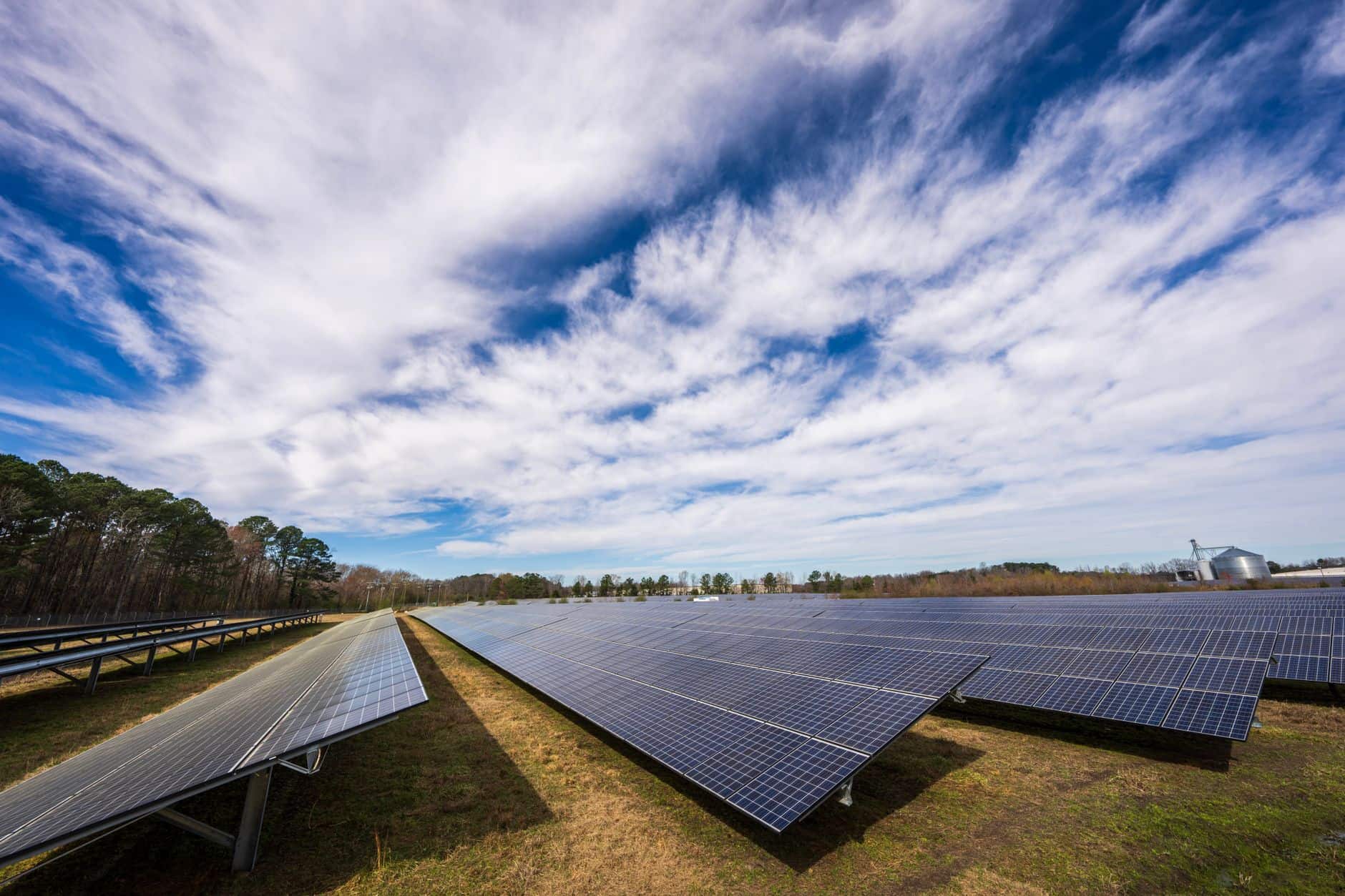
Israel's First Electrified Farm Sets New Solar Record
Israel’s first fully electrified farm produced a notable amount of solar electricity in its first year, showing how solar can cut farm energy costs and help meet renewable targets.
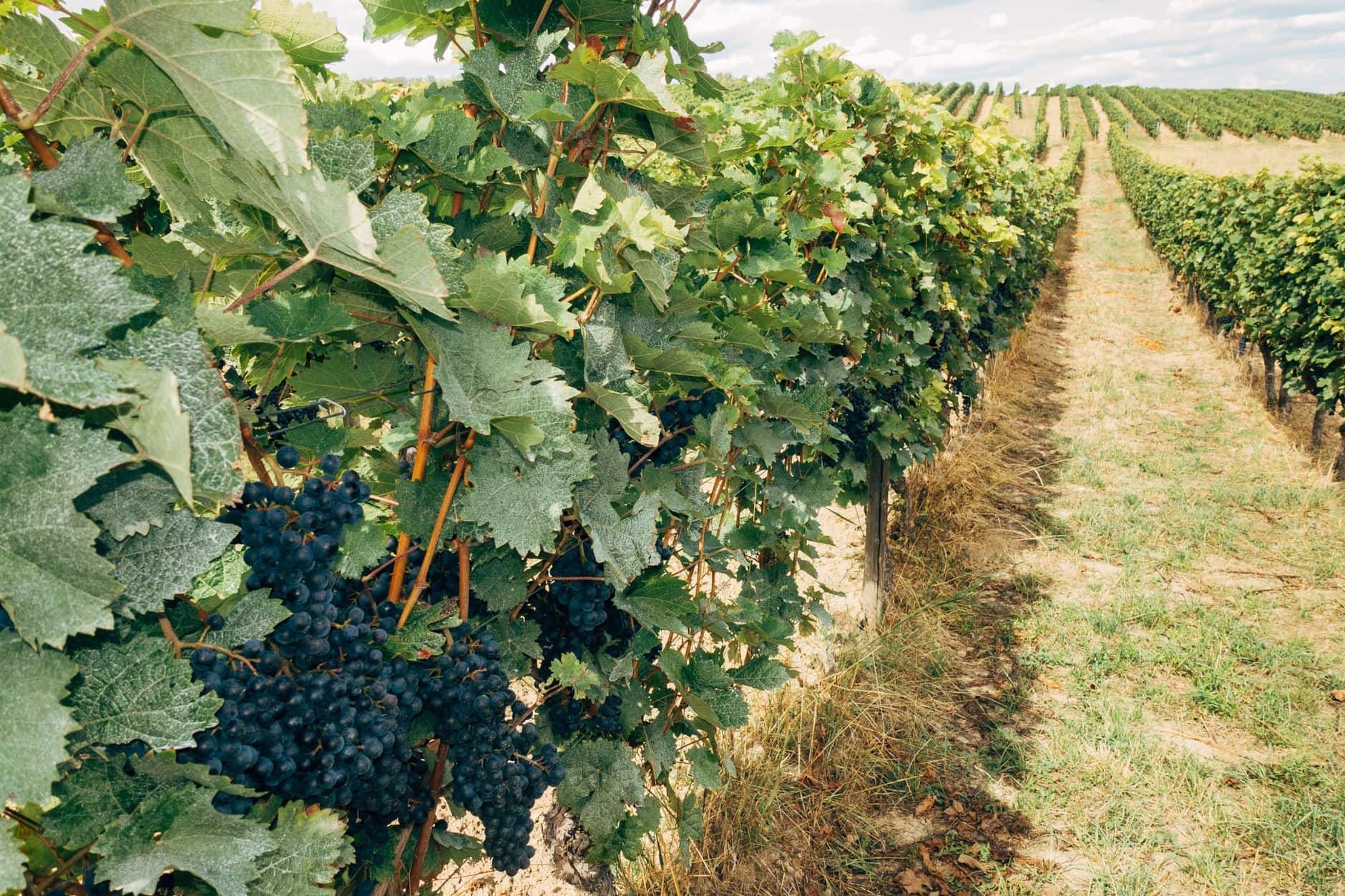
Record 30‑Ton Grape Harvest Under Solar Panels
Israel’s record 30‑ton grape harvest under a solar canopy shows agrivoltaics can boost yields while delivering clean power and a fast payback for farmers.
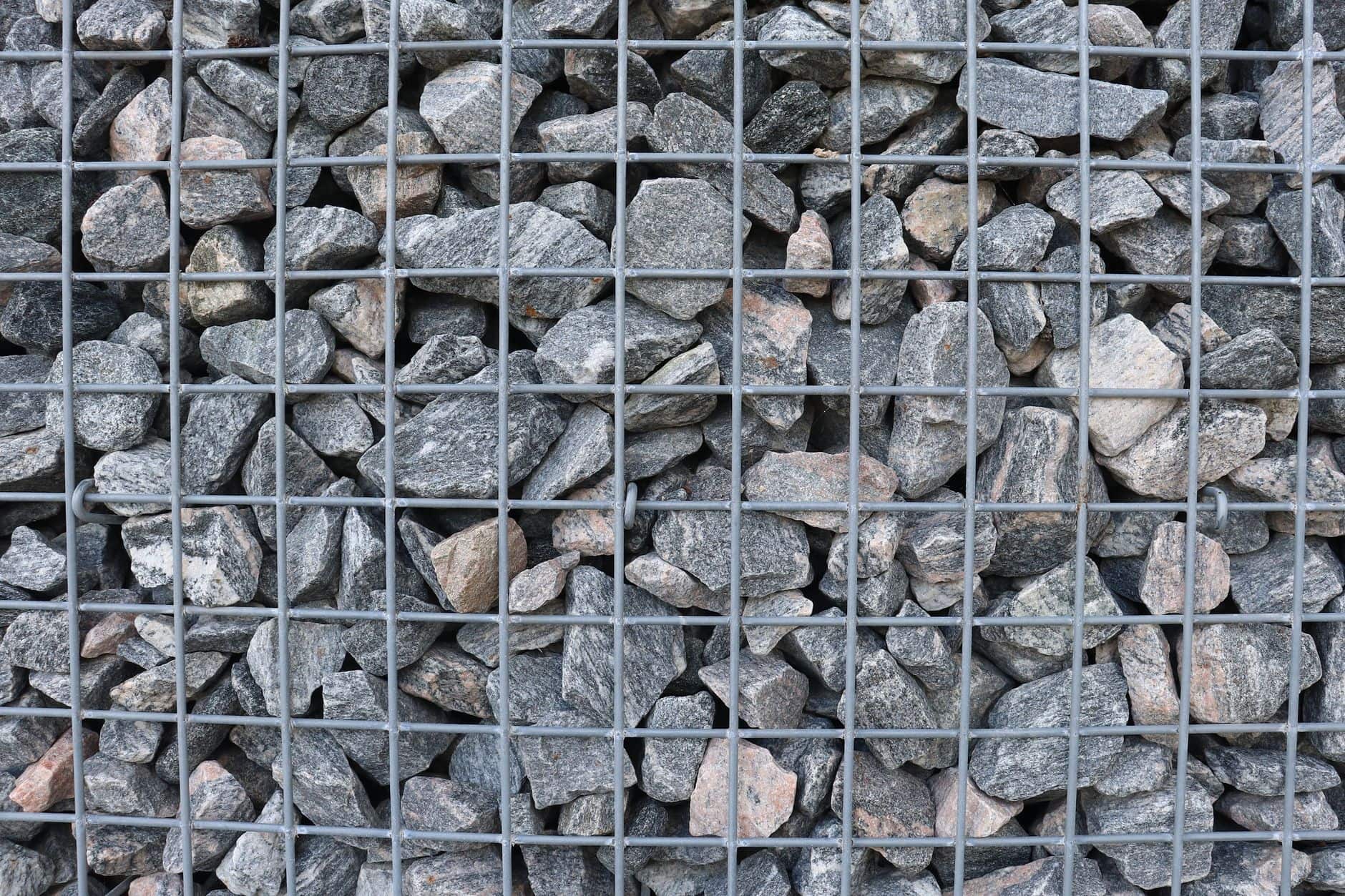
Solar Panels on Gabion Walls Unlock New Space
A new mounting system lets photovoltaic modules be installed on irregular gabion structures, turning noise barriers and retaining walls into power‑generating assets.
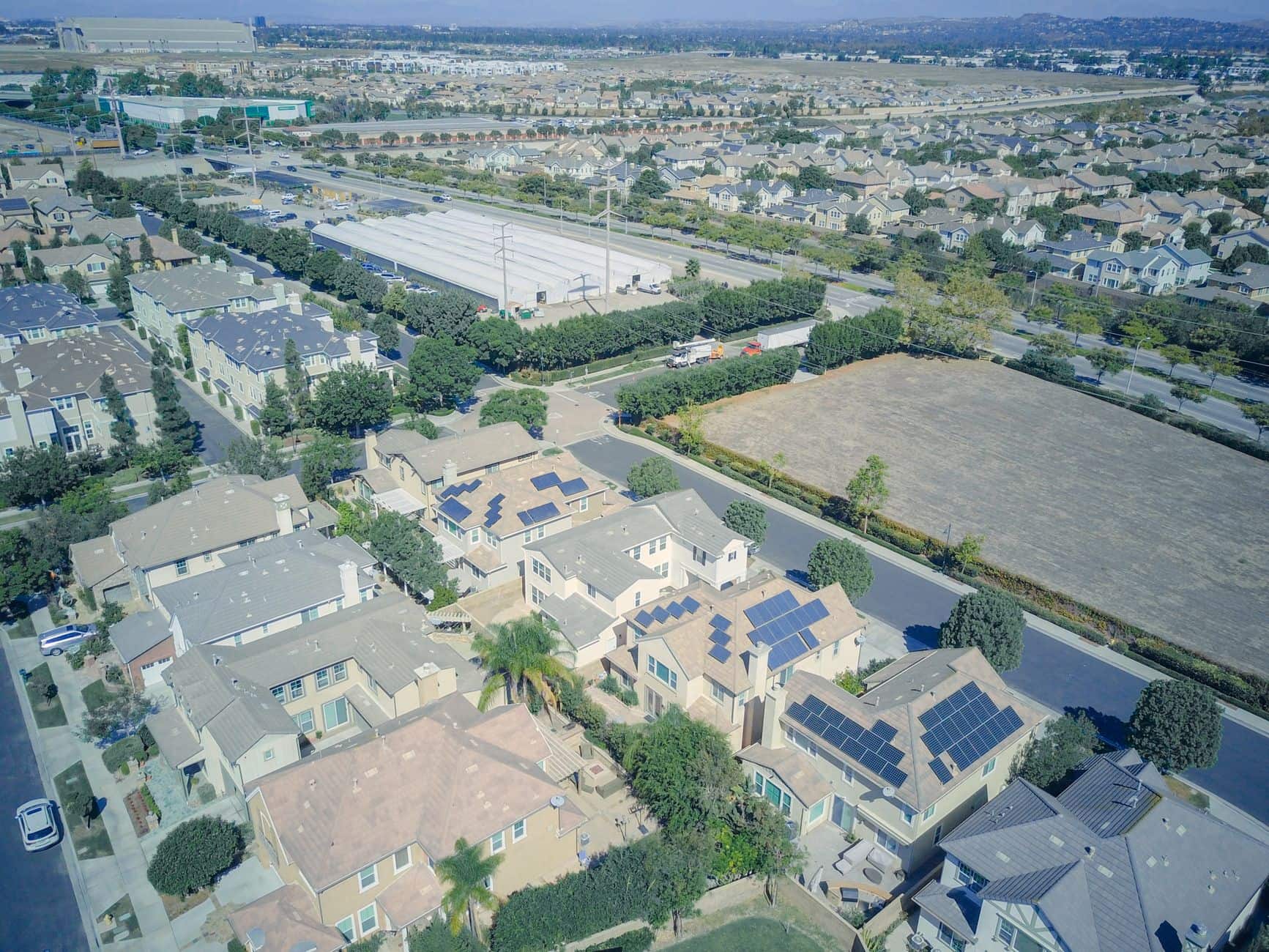
Wildfire Smoke Slashes Great Lakes Solar Output
Wildfire smoke in Ontario reduced solar irradiance across the Great Lakes by up to 10 %, with clear‑sky irradiance dropping over 6 % and soiling losses compounding the effect.
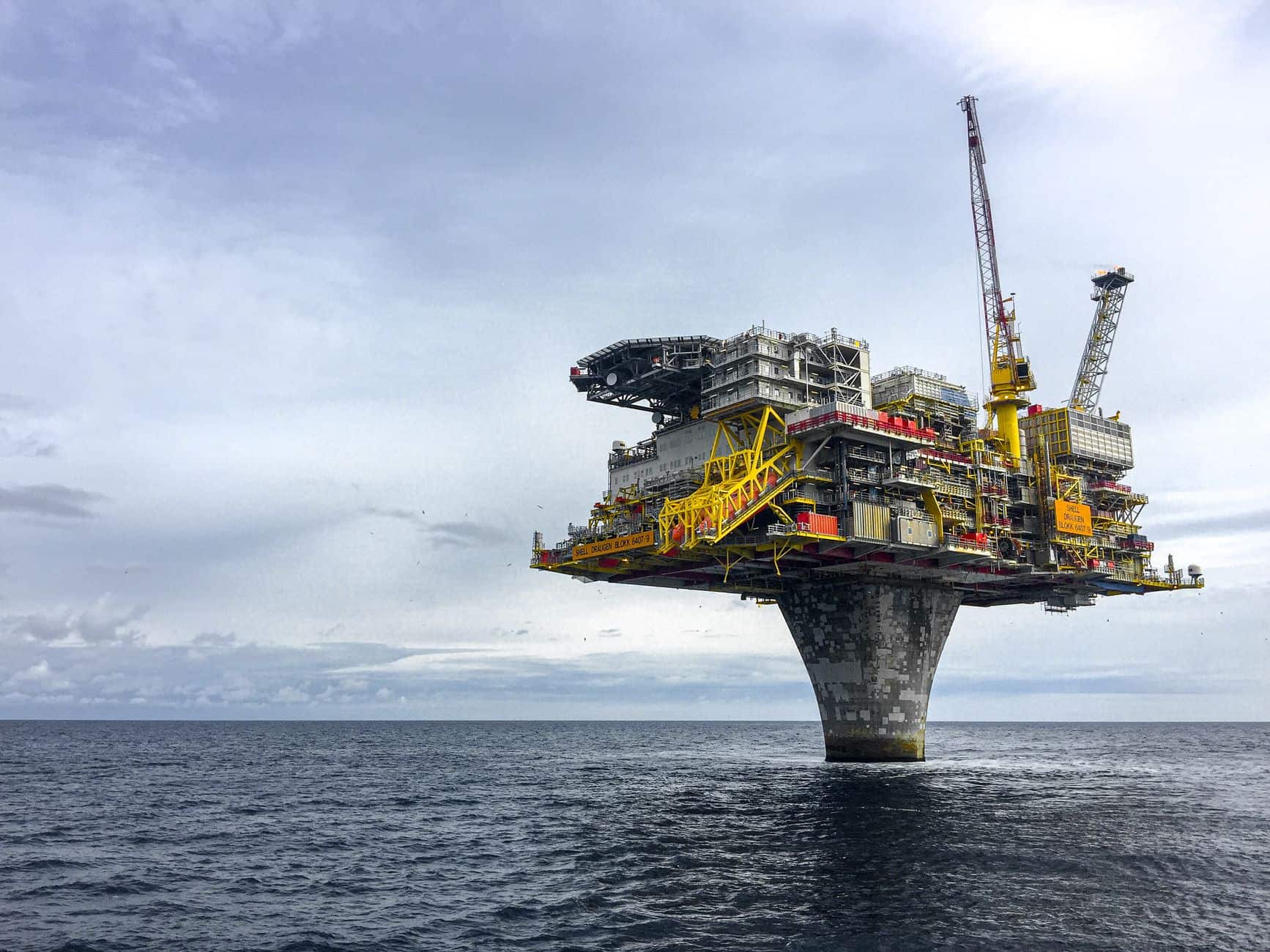
Offshore Wind Generates First Green Hydrogen
The PosHYdon pilot has become the world’s first offshore platform to generate green hydrogen using wind‑powered electrolysis, marking a new era for renewable‑fuel production at sea.
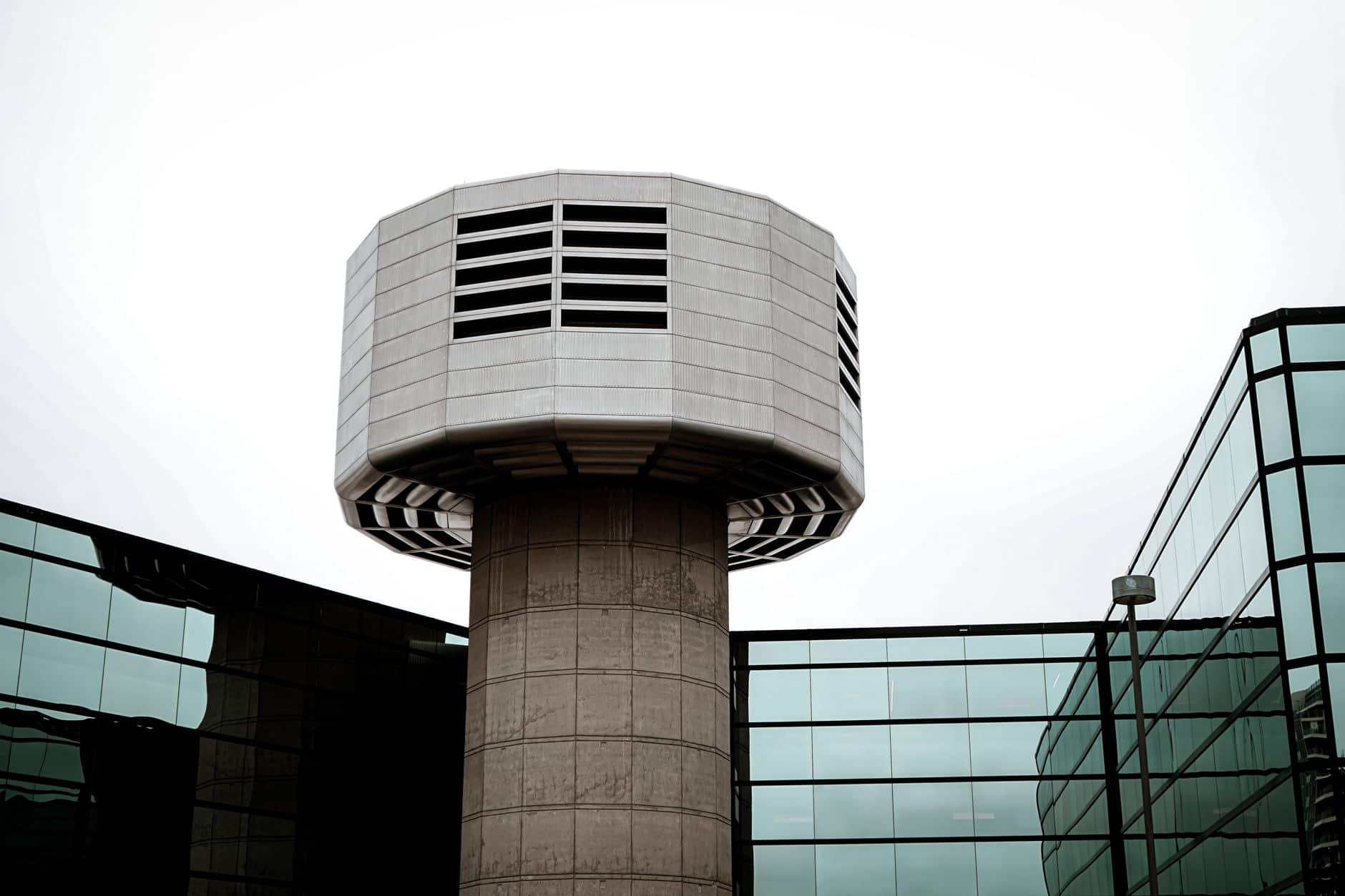
Cylindrical Solar Tubes Find New Life in Urban BIPV
Japanese researchers showed that cylindrical CIGS solar tubes stay cooler and capture sunlight more uniformly than flat panels, making them a promising BIPV option for urban façades.