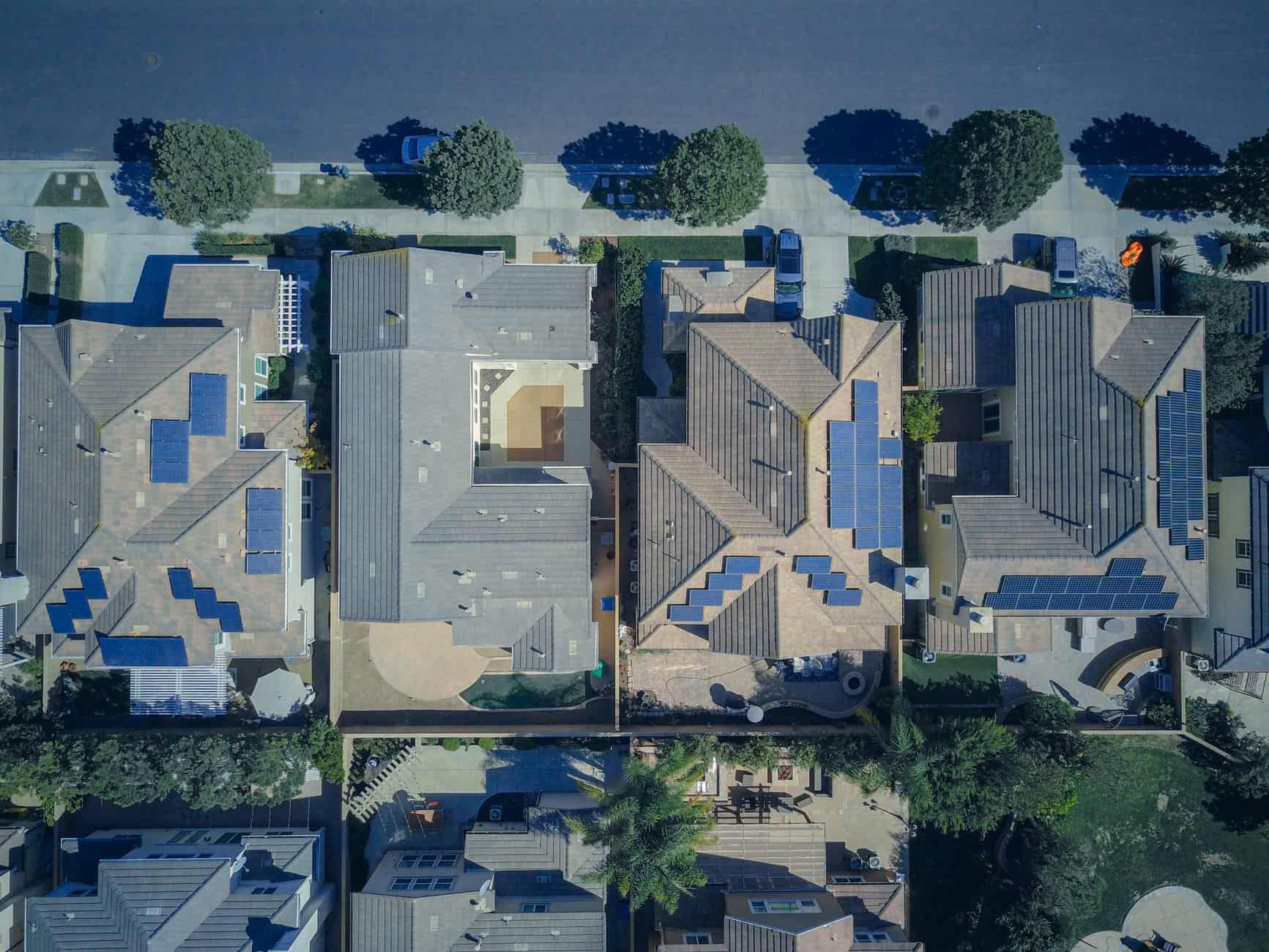
Superhydrophobic Coating Adds 16% Solar Power
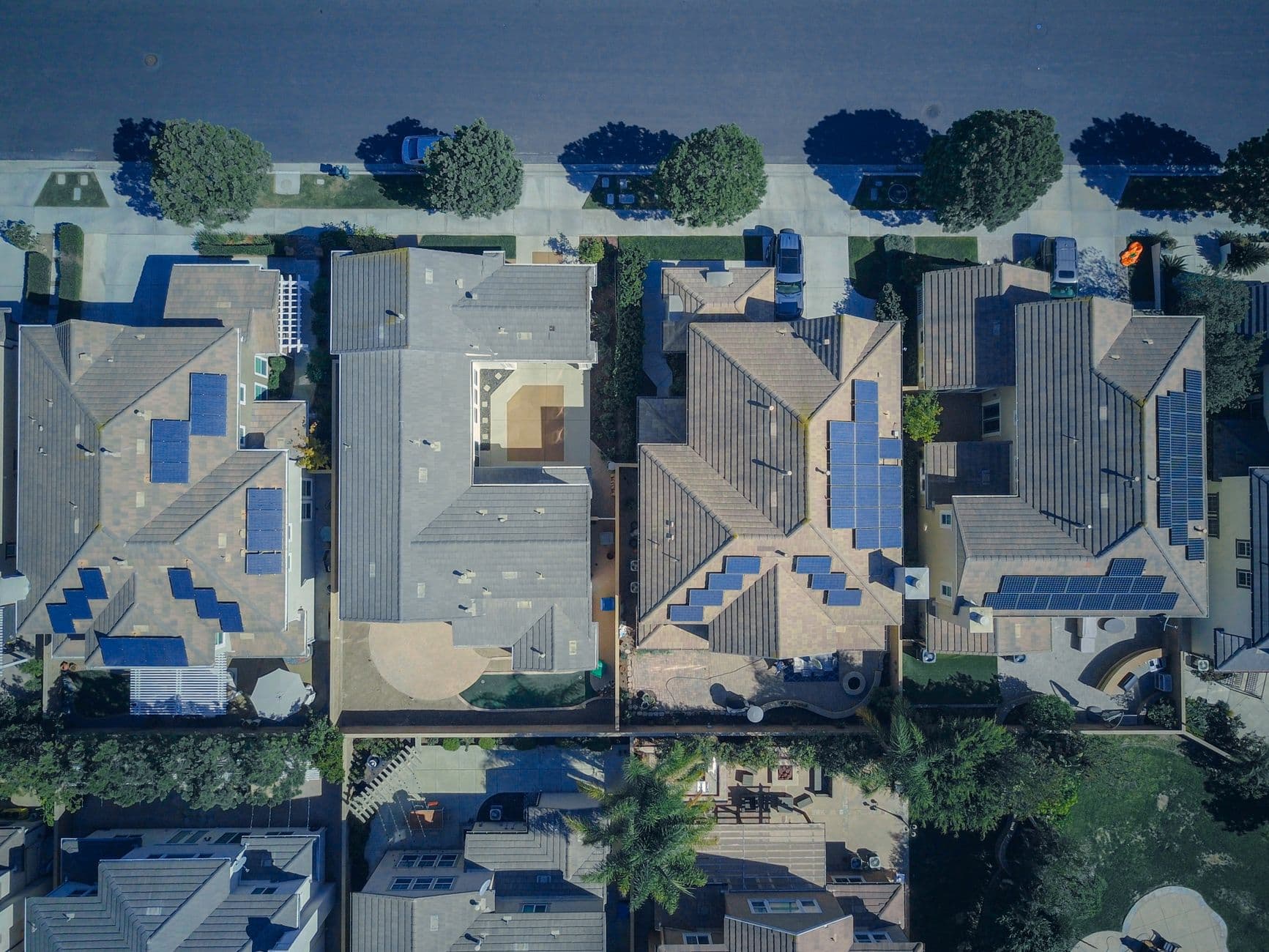
16% More Energy from a Self‑Cleaning Film
A transparent nanocomposite coating of polydimethylsiloxane (PDMS) and silicon‑dioxide (SiO₂) nanoparticles can lift the output of a standard rooftop panel by about 16 % compared with a dusty, uncleaned reference – and it even outperforms panels that are manually washed every day. The result comes from a six‑month outdoor trial in Tamil Nadu, India, where the coated module generated 7 % more electricity than the daily‑cleaned control while running cooler by up to 12 %.
How the Superhydrophobic Film Works
The researchers dispersed 1 wt % SiO₂ nanoparticles (nanoparticle size on the order of tens of nanometers) in ethanol, mixed the suspension with a PDMS base and curing agent, then spray‑coated the glass of a 165 W, 15.8 %‑efficiency module. After a two‑hour cure at 80 °C, a transparent layer 1.5–2 µm thick formed a hierarchical micro‑nanostructure that repels water and dust. When rain or wind passes, droplets roll off, taking particles with them – a true self‑cleaning action that needs no external energy. Similar PDMS‑SiO₂ systems have demonstrated superhydrophobic behavior with very high water‑contact angles.
Performance Gains Confirmed in Real‑World Conditions
Three identical modules were mounted on a south‑facing roof at a 30° tilt and left for six months during the 2025 summer. The coated panel delivered 16 % more power than the dusty reference and 7 % more than the panel that was hand‑cleaned each day. In addition, its surface temperature was up to 12 % lower, which directly improves voltage and reduces thermal stress. The power gain persisted throughout the test, indicating good long‑term stability.
Modeling the Electrical Impact with Particle Swarm Optimization
To translate the measured I‑V curves into standard PV parameters, the team used Particle Swarm Optimization (PSO) to extract the five‑parameter single‑diode model (photocurrent, saturation current, series resistance, shunt resistance, and diode ideality factor). The PSO‑derived curve matched the experimental data with a root‑mean‑square error of only 0.06, a level of accuracy comparable to dedicated PV‑modeling tools. Recent studies show PSO and hybrid PSO‑based algorithms consistently achieve low RMSE values for PV parameter extraction, underscoring the robustness of the approach.
How This Fits Into the Global Coating Landscape
The superhydrophobic nanocomposite is part of a rapidly expanding market. The global solar‑panel‑coatings market was valued at US$5.9 bn in 2026 and is projected to reach US$30.8 bn by 2033, a CAGR of 26.6 %. Parallel growth is seen in the solar‑panel‑cleaning market, expected to climb from US$0.83 bn in 2024 to US$2.44 bn in 2033 (CAGR ≈ 13 %). A coating that eliminates the need for manual cleaning could capture a sizable slice of both markets, especially in dust‑prone regions.
What It Means for Israel
Using Israel’s typical residential figures (≈₪0.48 /kWh tariff, ₪3 150 /kWp install cost, and a central‑region yield of 1 700 kWh/kWp·yr), a 10 kWp home system normally produces about 17 000 kWh / yr, worth ≈₪8 160 annually. Adding a 16 % boost from the superhydrophobic film would generate an extra ≈2 720 kWh, translating to ≈₪1 306 more revenue each year. The simple payback would shrink from ≈3.9 years to ≈3.3 years, while the 12 % temperature reduction further improves long‑term degradation rates. In practice, Israeli rooftop owners could see faster ROI and lower O&M costs, aligning with the nation’s 30 % renewable‑energy target for 2030.
Outlook: From Lab to Large‑Scale Deployment
The coating’s low‑cost ingredients (PDMS and a tiny amount of SiO₂) and spray‑application process make it attractive for mass production. Scaling challenges include ensuring uniform thickness over large glass areas and validating durability under Israel’s intense UV and desert‑dust conditions. If manufacturers can integrate the film into the factory line, the technology could become a standard “self‑cleaning” finish, much like anti‑reflective glass today. For Israeli installers, the promise of higher yields without extra labor could reshape pricing models and accelerate rooftop adoption.
What it means for Israel (summary)
- A 10 kWp rooftop system in central Israel would earn ≈₪1 300 more per year with the coating, cutting the payback period by roughly 6 months.
- Lower module temperatures also mean longer‑term performance stability, helping meet the 2030 renewable‑energy goal.
- The technology could reduce reliance on the growing solar‑panel‑cleaning market, saving both money and water.
For a quick personal ROI estimate, try our solar calculator. For market data on Israeli installations, see our data hub.
Sources & further reading
FAQ
How much more electricity does the superhydrophobic coating generate?
In real‑world outdoor testing it delivered about **16 % more power** than an uncleaned panel and **7 % more** than a panel that was manually cleaned every day.
Does the coating require any extra maintenance?
No. The film is self‑cleaning – rain or wind removes dust without human or mechanical intervention.
Will the coating affect the panel’s appearance or warranty?
The coating is transparent and only 1.5–2 µm thick, so it does not change the visual look. Manufacturers would need to certify it, but the material itself is chemically stable.
Can the technology be applied to existing panels?
In principle, the spray‑on process can be used on new glass or retrofitted in a factory setting; on‑site retro‑coating would require cleaning and curing equipment.
How does this compare to other nanocoatings?
Other studies report similar superhydrophobic behavior with different particle sizes (e.g., 20 nm SiO₂ at 4 wt % and PDMS‑to‑SiO₂ ratios of 1:1), but the Indian team’s 1 wt % formulation achieved the highest measured power gain in a field test.
What is the impact on Israel’s solar market?
A typical 10 kWp home system could earn roughly **₪1 300 extra per year**, shaving about six months off the payback period and reducing the need for costly cleaning services.
Share this post
More from Technology
6
Cuban Company Ships 1,000 Solar Panels
A Cuban exporter’s 1,000 photovoltaic modules are aimed at rooftop solar projects, with flexible panels expanding installation options worldwide and in Israel.
Israel's First Electrified Farm Sets New Solar Record
Israel’s first fully electrified farm produced a notable amount of solar electricity in its first year, showing how solar can cut farm energy costs and help meet renewable targets.

Record 30‑Ton Grape Harvest Under Solar Panels
Israel’s record 30‑ton grape harvest under a solar canopy shows agrivoltaics can boost yields while delivering clean power and a fast payback for farmers.
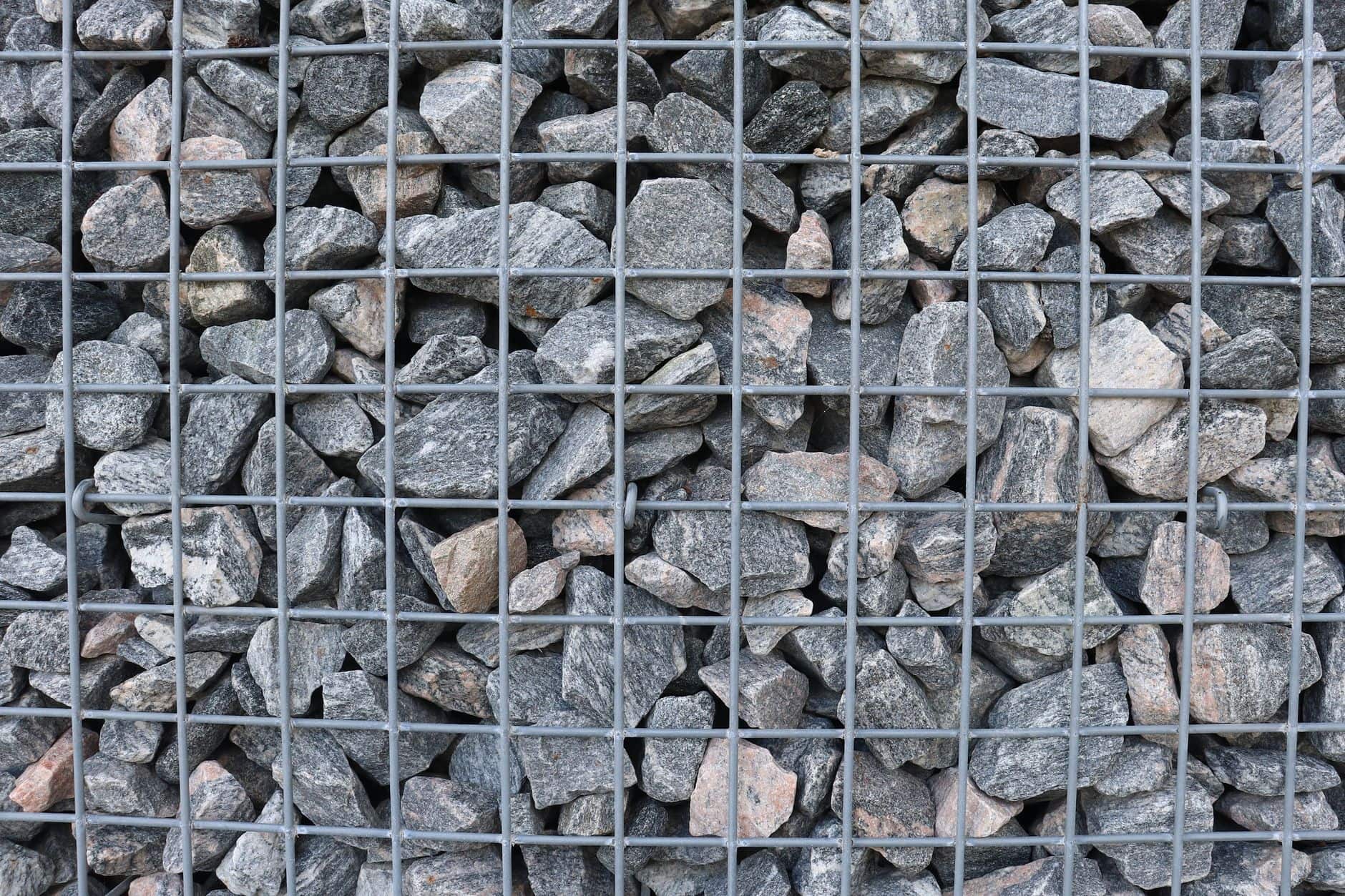
Solar Panels on Gabion Walls Unlock New Space
A new mounting system lets photovoltaic modules be installed on irregular gabion structures, turning noise barriers and retaining walls into power‑generating assets.
Wildfire Smoke Slashes Great Lakes Solar Output
Wildfire smoke in Ontario reduced solar irradiance across the Great Lakes by up to 10 %, with clear‑sky irradiance dropping over 6 % and soiling losses compounding the effect.
Offshore Wind Generates First Green Hydrogen
The PosHYdon pilot has become the world’s first offshore platform to generate green hydrogen using wind‑powered electrolysis, marking a new era for renewable‑fuel production at sea.