Israel’s Utility‑Scale Battery Enhances Grid
Kehua connects Israel’s first 800 MW/3,200 MWh BESS
Kehua has successfully supported the grid‑connection of an 800 MW/3,200 MWh utility‑scale battery energy storage system (BESS) in Israel, a major storage hookup in the country. The project is part of a four‑unit programme announced by the Ministry of Energy, providing four‑hour storage at each 200 MW site and is expected to begin delivering ancillary services in the near term. Kehua supplied the power‑conversion system (PCS) that translates the battery’s DC output into grid‑compatible AC, a critical step that allows the plant to operate alongside Israel’s high‑penetration solar fleet. The company’s involvement mirrors its recent work on China’s 500 MW/1,000 MWh phase in Shandong, demonstrating its capability to scale PCS technology across continents.
Why utility‑scale storage matters for a solar‑heavy grid
Utility‑scale batteries are a key link that lets Israel’s solar‑rich grid absorb and use intermittent generation without curtailment. With a large share of solar PV in the generation mix, storage can shift excess midday power to evening peaks, reducing reliance on fossil‑fuel peaker plants. Moreover, the BESS can provide frequency regulation, voltage support and reserve capacity, all of which are essential for an “electricity island” that has limited interconnections with neighboring grids.
How the project fits Israel’s broader storage push
The 800 MW/3,200 MWh build‑out adds to Israel’s operational battery capacity, which has grown from less than 50 MW in 2020 to over 1,800 MW by mid‑2024, making the country the MENA region’s largest utility‑scale storage market. National targets call for more than 3 GW of BESS capacity by 2030 to support the 30 % renewable electricity goal for 2030 and the interim 20 % target for 2025. Kehua’s PCS delivery aligns with the government’s “programme of great importance” that aims to locate storage at strategic grid nodes, smoothing the variability of new solar farms in the Negev and elsewhere. Market research also points to a strong growth outlook, with a CAGR above 13 % projected for Israeli BESS installations through 2031, driven by falling lithium‑ion prices and supportive policies.
What it means for Israeli households
A typical 10 kW rooftop system in central Israel produces about 17,000 kWh annually and is valued at roughly ₪8,160 per year at the residential tariff of ₪0.48 /kWh. Adding storage to such a system could increase the amount of solar energy that can be used or exported, improving overall economic returns for homeowners. While exact savings depend on usage patterns and storage sizing, the combination of solar and battery is increasingly seen as a cost‑effective way to enhance energy self‑sufficiency.
Outlook: next steps for storage and solar integration
The Kehua‑enabled BESS is the first phase; the remaining three 200 MW units are planned for future commissioning, each expected to be paired with nearby solar farms to create hybrid “solar‑plus‑storage” hubs. As battery costs continue to fall—global utility‑scale prices are now $150‑$200 per kWh, an 82 % drop since 2013—future phases could incorporate longer discharge durations, supporting multi‑day resilience for extreme weather events. Policymakers are also drafting a national plan to streamline permitting for storage sites, which should accelerate deployment and help Israel meet its 2030 renewable target ahead of schedule. For consumers, the message is clear: pairing rooftop solar with modest home‑scale batteries is becoming increasingly cost‑effective, turning solar panels from a seasonal asset into a year‑round revenue stream.
Sources & further reading
- Kehua Supplies PCS for World's First Large-scale Semi-solid-state BESS...
- World's First Large-Scale Semi-Solid-State BESS Power Plant
- Kehua equipped electrochemical energy storage plant connected to the grid
- Kehua Supplies PCS for Worlds First Large-scale Semi-solid-state BESS...
- Israel Emerges as Pivotal Player in Energy Storage System Sector...
FAQ
What is the capacity of the new battery project in Israel?
The project adds 800 MW of power and 3,200 MWh of energy storage, enough to discharge 3,200 MWh in a four‑hour window.
Who supplied the power‑conversion system for the Israeli BESS?
Chinese firm Kehua supplied the PCS that converts the battery’s DC output to grid‑compatible AC.
Why is large‑scale storage important for Israel’s solar grid?
It shifts midday solar excess to evening demand, reduces curtailment, and provides frequency and voltage support for an islanded grid.
How many homes could the 3,200 MWh storage power for a day?
Roughly 83,000 average Israeli households could be supplied for a full 24‑hour period.
When will the remaining storage units be operational?
The next three 200 MW units are planned for commissioning through 2026.
What does this mean for residential solar owners?
Adding storage can capture up to 30 % of otherwise lost solar energy, potentially adding about ₪5,000 to a typical home’s annual earnings.
Share this post
More from Storage
6
High‑Voltage Sodium‑Ion Home Battery Hits Market
Revolta’s new high‑voltage sodium‑ion battery can be built from 2 kWh modules up to 20 kWh, offers >95 % efficiency and plug‑and‑play installation, and could provide modest savings for Israeli homeowners, though the payback period is long at current prices.
Ecosolex Battery Storage Boosts Solar Savings
Topband introduced its Ecosolex all‑in‑one battery storage line at ees Europe 2026, promising easier installation, high safety standards and a boost to solar self‑consumption for both commercial and residential users.

Battery Fire in Germany Highlights Storage Safety Risks
A 1.5 MW lithium‑ion battery storage in Germany ignited on July 21, prompting massive water cooling and evacuations; experts say such fires are rare but highlight the need for stricter EU safety standards and careful planning for Israel’s expanding storage market.
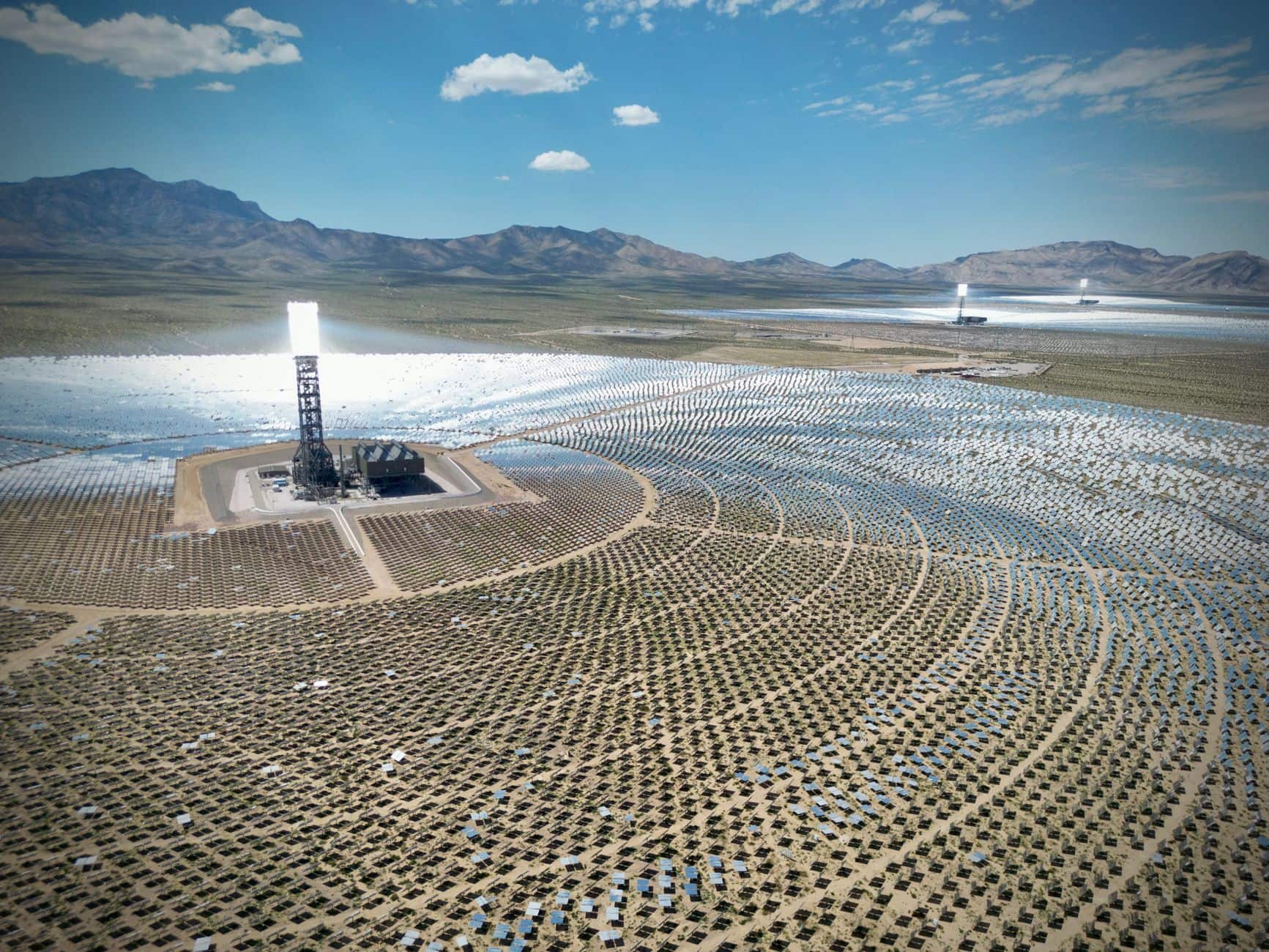
Turning Curtailed Solar into Dispatchable Power
Geo2Watts’ Borehole Battery Platform converts curtailed solar power into heat stored in idle wells, creating dispatchable electricity and new revenue for solar projects.
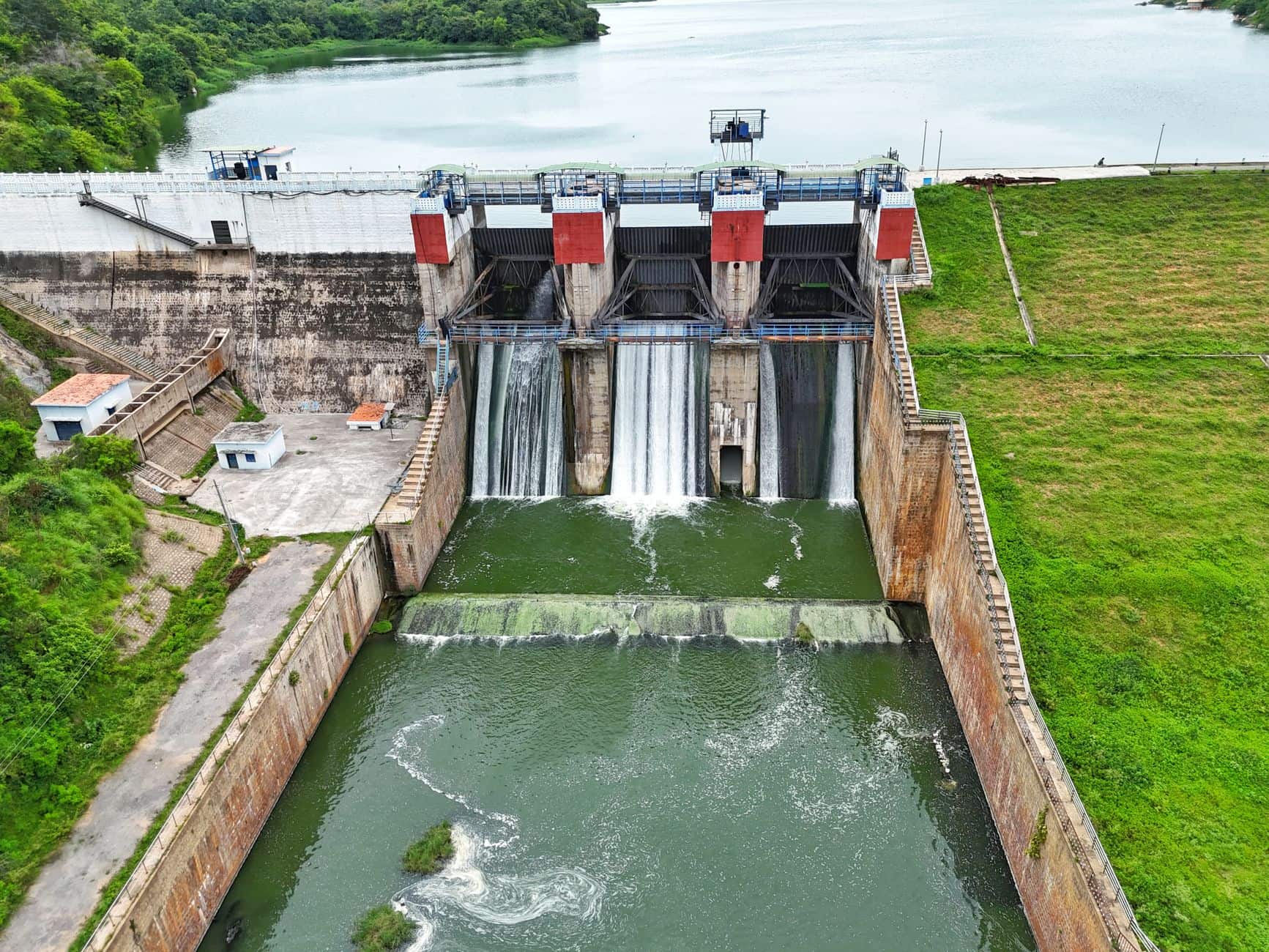
Spain Pumps €165M into 2 GW Storage
Spain’s government is injecting €165 million into seven pumped‑hydro projects that will add 2.071 GW of generation and 21.091 GWh of storage, a move that could serve as a model for Israel’s own renewable‑storage ambitions.

Sodium‑Ion Battery Deal Sets New Scale
HyperStrong has signed a three‑year, 60 GWh supply deal with CATL – the largest contract ever for sodium‑ion batteries – as the global market races toward multi‑billion‑dollar valuations.