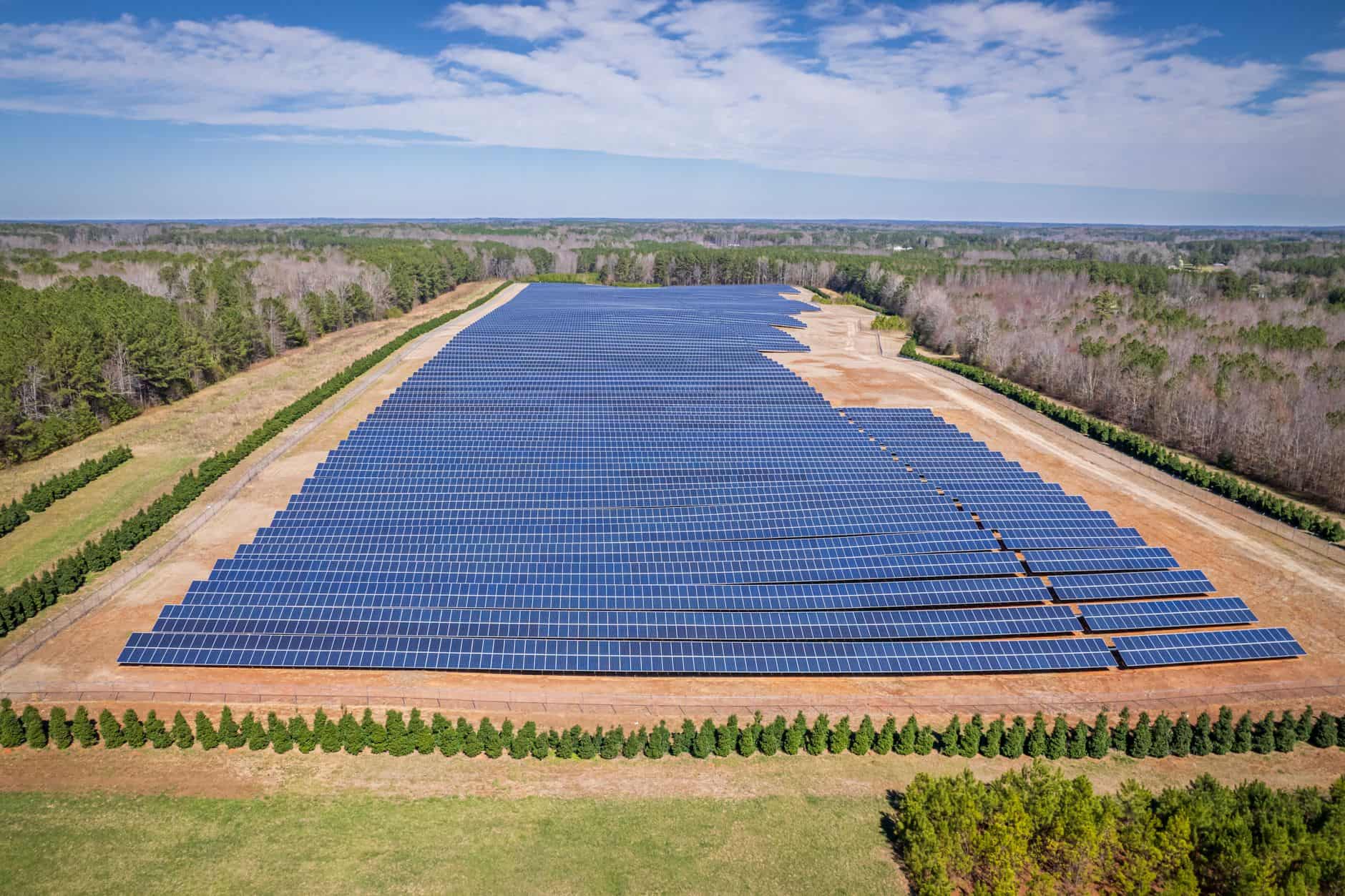
South Korea’s 1 GW Solar Tender Hits Record Low
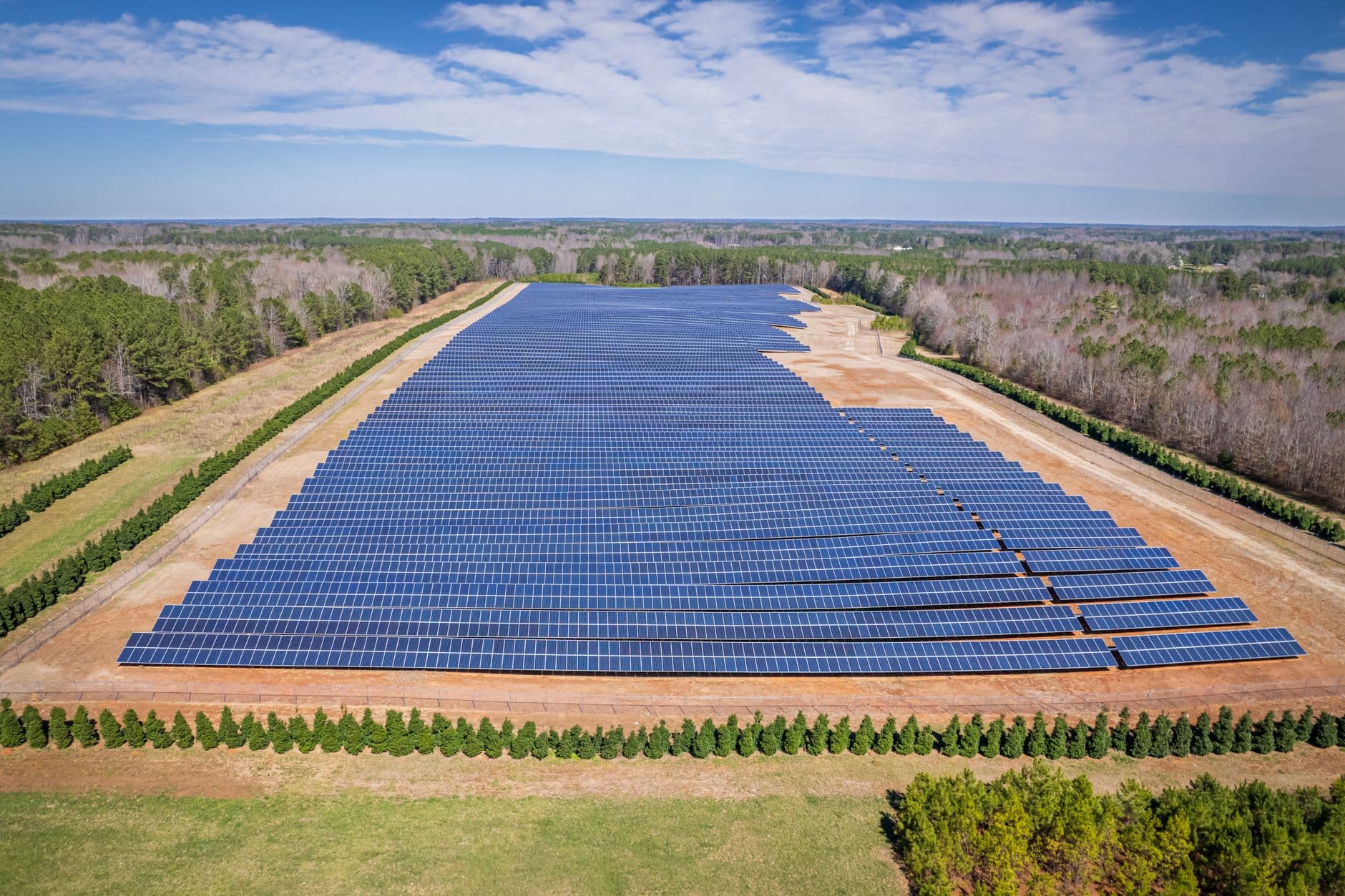
Quick Take: South Korea launches a 1 GW solar tender with a ceiling price of KRW 147,686 per kWh (≈ $99.46 /MWh), about 5 % lower than last year’s round.
South Korea’s Ministry of Climate, Energy and Environment (MCEE) opened a new fixed‑price auction for roughly 1 GW of new solar capacity. The bid ceiling is KRW 147,686 per kWh, which translates to about $99.46 per MWh – a price that undercuts the previous tender by roughly five percent.
Tender Mechanics and Carbon‑Preference Premiums
The tender uses a classic fixed‑price contract: winning bidders lock in the ceiling price for the full contract term. To encourage greener supply chains, the MCEE adds a premium for low‑carbon modules: +KRW 16/kWh for grade‑1 certified panels (the lowest‑emission) and +KRW 7/kWh for grade‑2 panels. Compared with the 2023 auction, the premium rose by KRW 4/kWh for grade‑1 and fell by KRW 2/kWh for grade‑2, reflecting recent shifts in global module pricing PV Magazine.
How This Tender Stacks Up Internationally
Reuters notes that South Korea’s cumulative solar capacity reached about 30 GW by the end of 2025, a 3.6 GW increase from the previous year, reflecting the impact of the fixed‑price system that has awarded over 10 GW since 2017 Reuters.
Historical Context: From 2017 to 2025
South Korea introduced its Renewable Energy Supply Obligation (RPS) auctions in 2017 to jump‑start utility‑scale solar. Over eight years, the program has secured more than 10 GW of contracts, driving rapid cost declines. The 2024 tender is the last under the current RPS framework; the government plans to shift to capacity‑based auctions next year, a reform aimed at further price compression and market transparency.
What It Means for Israel
Israel’s residential feed‑in tariff sits at about ₪0.48/kWh. The South Korean tender price of $99.46 /MWh corresponds to a lower rate when expressed in local currency, illustrating a different market context. A typical 10 kWp home system in central Israel produces about 17,000 kWh per year, generating roughly ₪8,160 in revenue at the residential tariff, and pays for itself in around 3.9 years, showing the economics for Israeli households. For Israeli investors eyeing overseas projects, the Korean tender signals that low‑carbon modules can receive additional premiums – a trend that could influence future procurement policies in Israel. Keep an eye on the MCEE’s video briefing on July 21 for detailed eligibility rules.
Outlook: Toward Capacity‑Based Auctions
The shift from RPS‑style tenders to capacity‑based auctions is expected to drive prices down further, as developers compete on volume rather than fixed‑price guarantees. Analysts suggest that embracing low‑carbon supply chains and moving toward capacity‑based procurement could help Israel meet its 30 % renewable target for 2030 while keeping electricity costs competitive.
Key Takeaway: South Korea’s 1 GW solar tender sets a new low ceiling price of KRW 147,686/kWh (≈ $99.46 /MWh), introduces higher premiums for low‑carbon panels, and marks the final RPS‑style auction before a shift to capacity‑based auctions, offering strategic insights for Israel’s renewable rollout.
FAQ
What is the price ceiling for South Korea’s 1 GW solar tender?
The ceiling is KRW 147,686 per kWh, which works out to roughly $99.46 per MWh.
How does the tender reward low‑carbon solar modules?
It adds KRW 16/kWh for grade‑1 (lowest‑emission) panels and KRW 7/kWh for grade‑2 panels.
When is the briefing for the tender?
The Ministry of Climate, Energy and Environment will hold an online video briefing on July 21.
How does this price compare to Israel’s solar feed‑in tariff?
At today’s exchange rate, the Korean price equals about ₪0.33/kWh, roughly 30 % lower than Israel’s residential tariff of ₪0.48/kWh.
What’s the next step for South Korea’s solar auction system?
2025 will see a shift from the RPS‑style fixed‑price tender to capacity‑based government auctions.
Share this post
More from Markets
6
Solar, Batteries Defy Global Shock Costs
GenCost shows solar PV and battery costs keep falling despite global crises, driving Australian wholesale prices from a peak of AU$189/MWh down to AU$60‑80/MWh, while gas turbines and wind face rising costs.
India's Solar Leap: From Imports to Exports
India has transformed from a solar‑component importer to a $2 billion PV‑module exporter, thanks to the Production‑Linked Incentive scheme and strict local‑content rules.
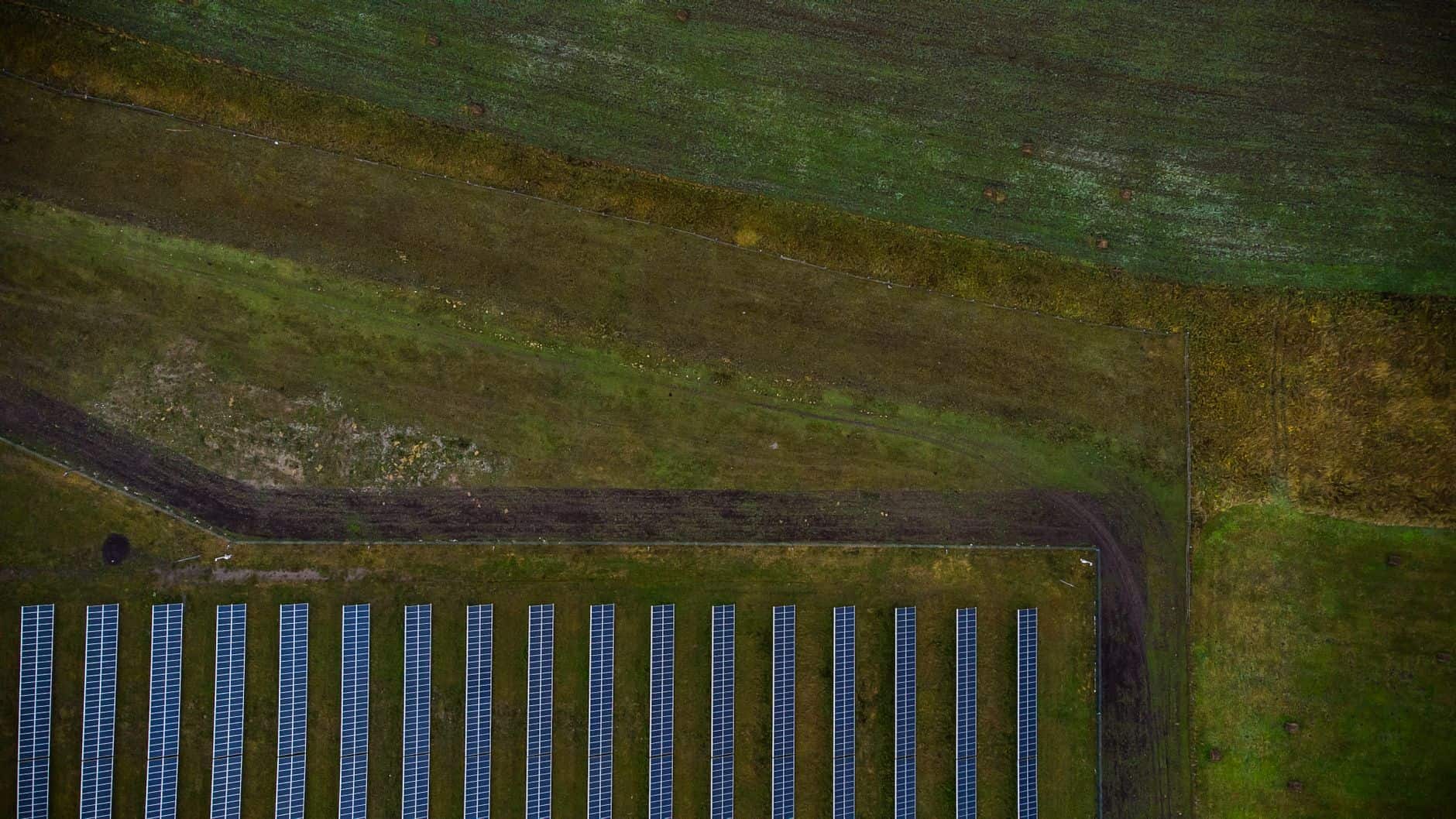
Israel Adds 900 MW Solar in 2024 – What It Means
Israel installed about 900 MW of new solar PV in 2024, most of it under merchant PPAs, marking a shift from tendered projects and moving the country toward its 30 % renewable‑energy goal.
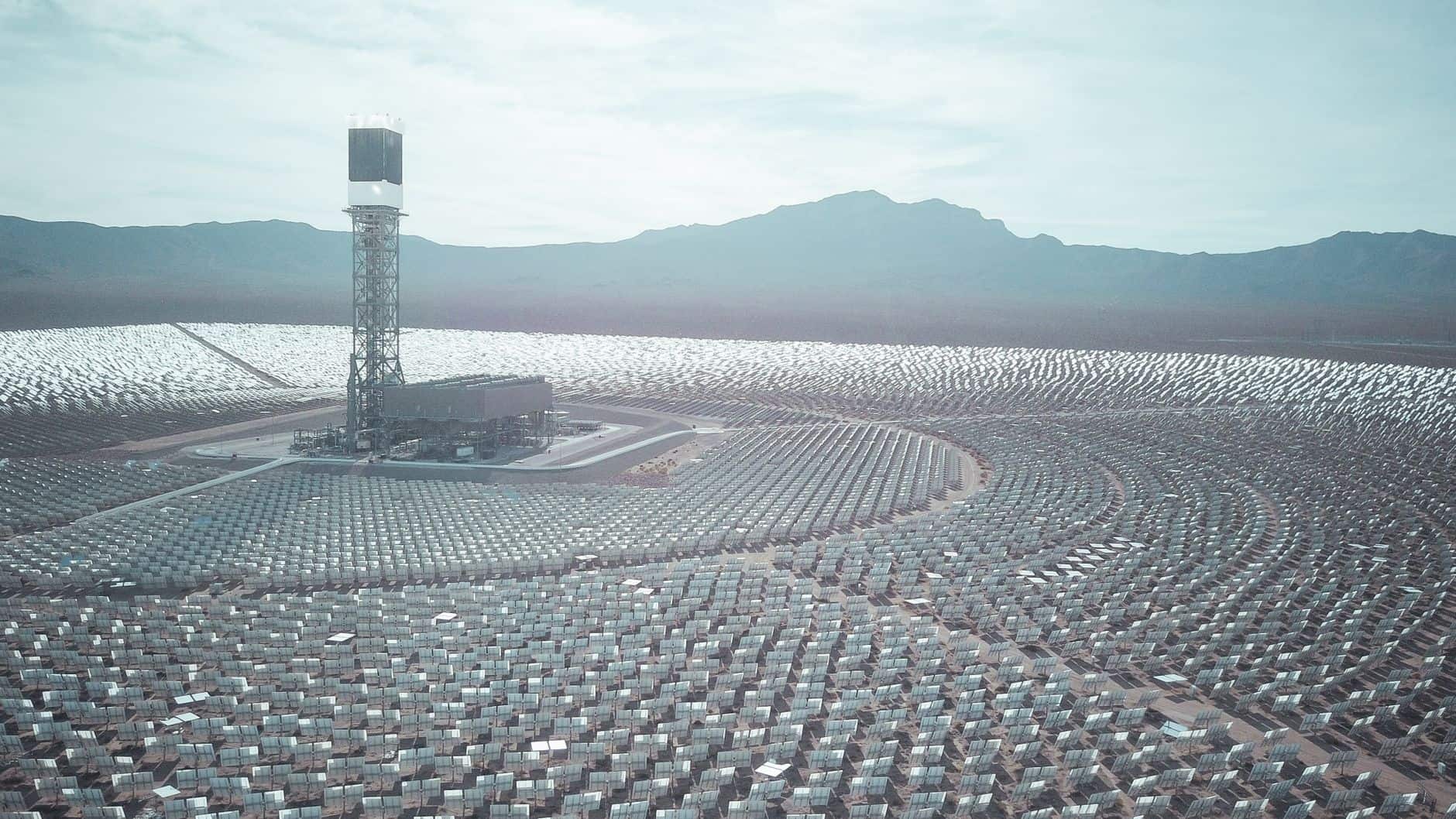
Israel’s First Solar Hedging Projects Launch
Tralight has announced solar‑hedging pilots in Israel, employing PPAs and futures swaps to lock in revenue for PV farms and support the nation’s renewable‑energy goals.
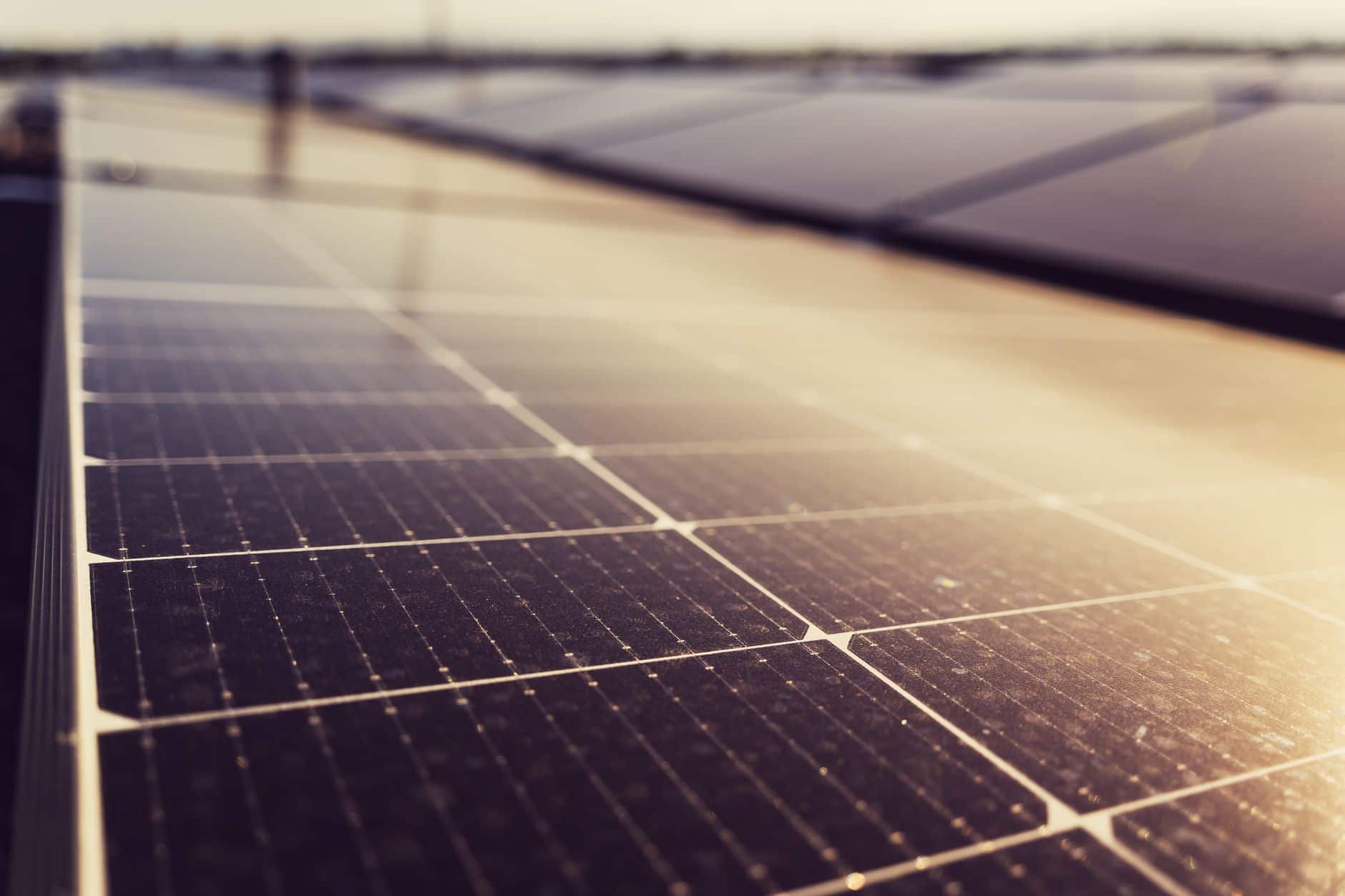
Cheap Power Will Reach Only a Few – Why?
Russia’s new low‑price electricity regime will benefit only large industrial and nuclear customers because the state raised nuclear tariffs to offset falling wholesale prices.
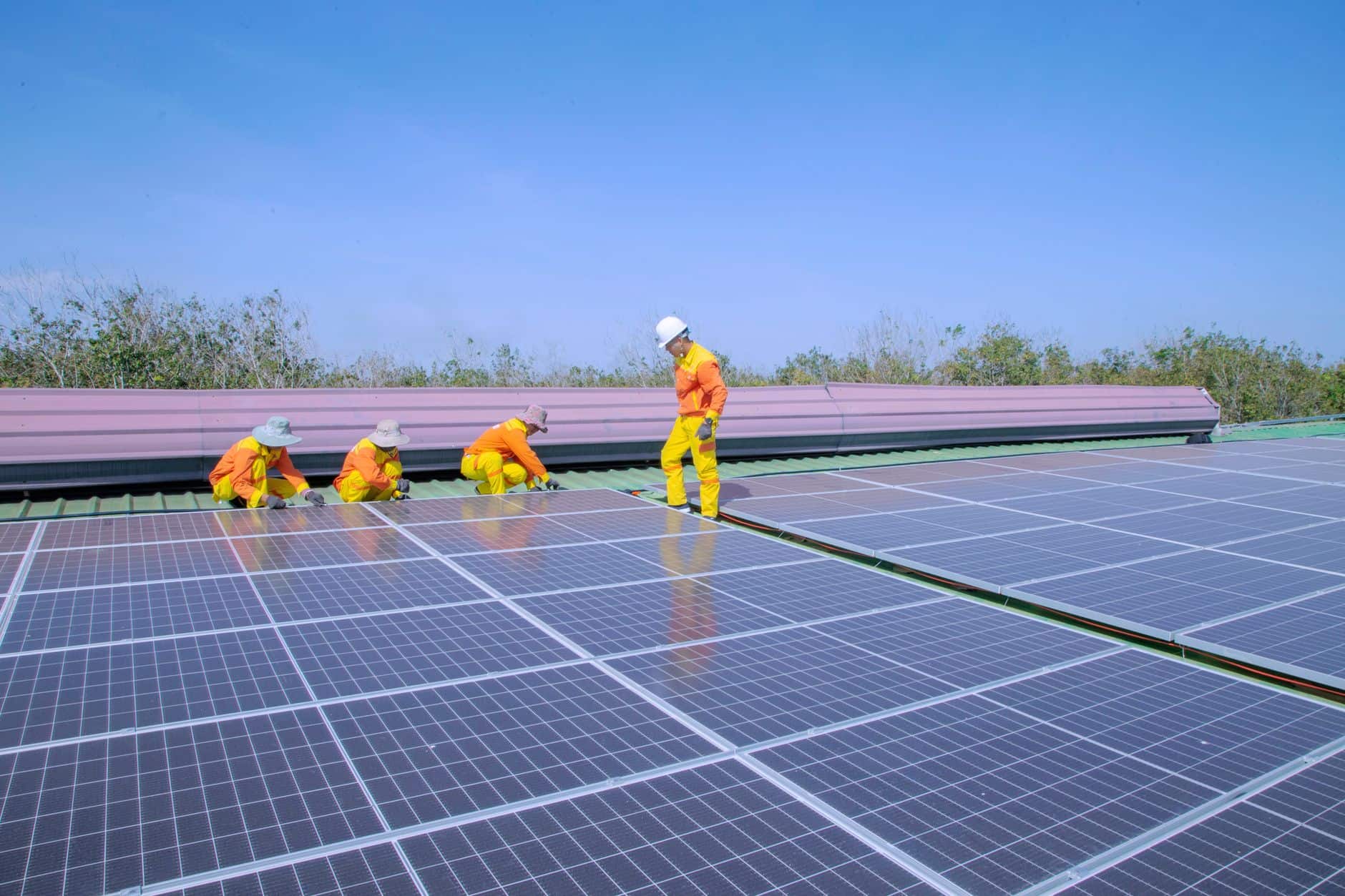
AI Data Centers Spark Solar Boom in Israel
Israeli renewable firms are targeting the AI data‑center boom, leveraging a solar market that’s growing at over 30 % CAGR to power next‑generation compute hubs.