China's New Solar Tax Could Raise Global PV Prices
China’s 2‑4% consumption tax on PV cells kicks in 2027
China will levy a 2 % consumption tax on photovoltaic (PV) cells starting April 1 2027, which will increase to 4 % on April 1 2028. The Ministry of Finance announced the measure as part of a broader push to curb overcapacity and raise industry efficiency standards. The tax applies to every cell produced for domestic use or export, adding a direct cost line to the already thin margins that many Chinese manufacturers operate under.
Battery tax expands to lithium‑ion and other storage from 2026
A parallel consumption tax on battery products – including lithium‑ion, nickel‑metal‑hydride and other storage technologies – will take effect September 2026 at 2 %, rising to 4 % in September 2027. The move broadens China’s taxation framework for energy storage, signalling that policymakers see batteries as a critical lever for curbing low‑value capacity expansion and encouraging higher‑tech development.
Why the tax matters: squeezing thin margins and accelerating capacity cuts
Even a modest 2‑4 % levy can tip the economics for manufacturers that are already operating on razor‑thin or negative margins. Analysts note that the added cost will make inefficient plants “unviable” and could hasten the retirement of outdated capacity, a goal that has eluded China for more than two years of a prolonged industry downturn. The tax works hand‑in‑hand with the energy‑efficiency standards introduced in July, which require lower‑energy‑intensity production and higher‑efficiency modules.
Industry reaction: mixed views on effectiveness
Market participants are split. According to Reuters, some investors see the tax as a necessary catalyst for rationalising excess capacity and stabilising prices. Conversely, a commentary in BloombergNEF argues that the modest rate may be insufficient to force a meaningful shake‑out, especially if manufacturers absorb the cost through scale efficiencies.
Potential ripple effect on global solar prices
China supplies a large share of the world’s PV modules, so cost increases at the cell level can influence global supply‑chain pricing. If manufacturers pass the tax onto buyers, global module prices could see a modest uplift.
What it means for Israel’s rooftop solar market
Israel imports the bulk of its solar modules from China, so a modest price increase will be felt locally. Using the typical Israeli cost structure (≈ ₪3,150 /kWp turnkey, with modules accounting for about half of that cost), the tax would add a small amount to the overall system cost.
A representative 10 kWp system in central Israel generates ~17,000 kWh / year, worth ≈ ₪8,160 at the residential tariff of ₪0.48/kWh. The baseline simple payback is about 3.9 years. Adding the tax‑induced cost would slightly lengthen the payback period, but the system would still deliver a solid return.
Homeowners can still expect a solid return, but the extra upfront outlay may delay adoption for price‑sensitive buyers. Our own solar ROI calculator lets you model the exact impact for your location.
Outlook: future of Chinese solar policy and global supply
The consumption tax is part of a broader policy toolkit that includes tighter energy‑consumption standards (effective Jan 1 2027) and ongoing capacity‑rationalisation plans. If the tax succeeds in retiring low‑efficiency capacity, the market could see a shift toward higher‑efficiency tandem cells and advanced wafer technologies. However, should manufacturers absorb the cost without passing it on, the intended price‑stabilisation effect may be muted, leaving global buyers to watch for secondary price signals such as freight or currency fluctuations.
What it means for Israel
Higher module prices will modestly raise the capital cost of new rooftop projects, nudging payback periods upward by a few months. The effect is small compared with the ≈ ₪0.48/kWh residential tariff and existing incentives, but it underscores the importance of diversifying supply sources and monitoring Chinese policy shifts.
For deeper data on global PV capacity trends, visit our market data page.
FAQ
When does China’s solar cell consumption tax start?
The 2 % tax on photovoltaic cells takes effect on April 1 2027 and rises to 4 % on April 1 2028.
Will the tax affect battery prices too?
Yes, a 2 % consumption tax on lithium‑ion and other batteries starts in September 2026 and increases to 4 % in September 2027.
How could the tax impact solar module prices worldwide?
Because China makes about 70 % of global modules, the tax could lift average module prices by roughly 2‑4 % if manufacturers pass the cost on.
What does a higher module price mean for an Israeli homeowner?
For a typical 10 kWp home system, the tax could add ₪3,150‑₪6,300 to the upfront cost, extending the payback period from about 3.9 years to roughly 4.3‑4.6 years.
Are there any incentives that could offset the price rise in Israel?
Israel’s residential feed‑in tariff of ₪0.48/kWh still provides strong revenue, and existing leasing schemes or net‑metering can help soften the impact.
Will the tax solve China’s solar overcapacity problem?
Experts are divided: some see it as a catalyst for retiring inefficient plants, while others think the modest rate may be insufficient without additional measures.
Share this post
More from Policy
6
Cable Rule Loosened, Solar Projects Accelerate
Israel has relaxed its power‑cable standards, permitting higher‑ampacity conductors that cut solar project wiring, modestly lower costs and accelerate deployments, helping the country move toward its 2030 renewable‑energy goal.

Israel Mandates Rooftop Solar on New Buildings
Israel’s new law forces rooftop solar on all new non‑residential buildings and adds fast‑track incentives, cutting the typical residential payback to under four years.
Giant Solar Farm Threatens Endangered Reptiles
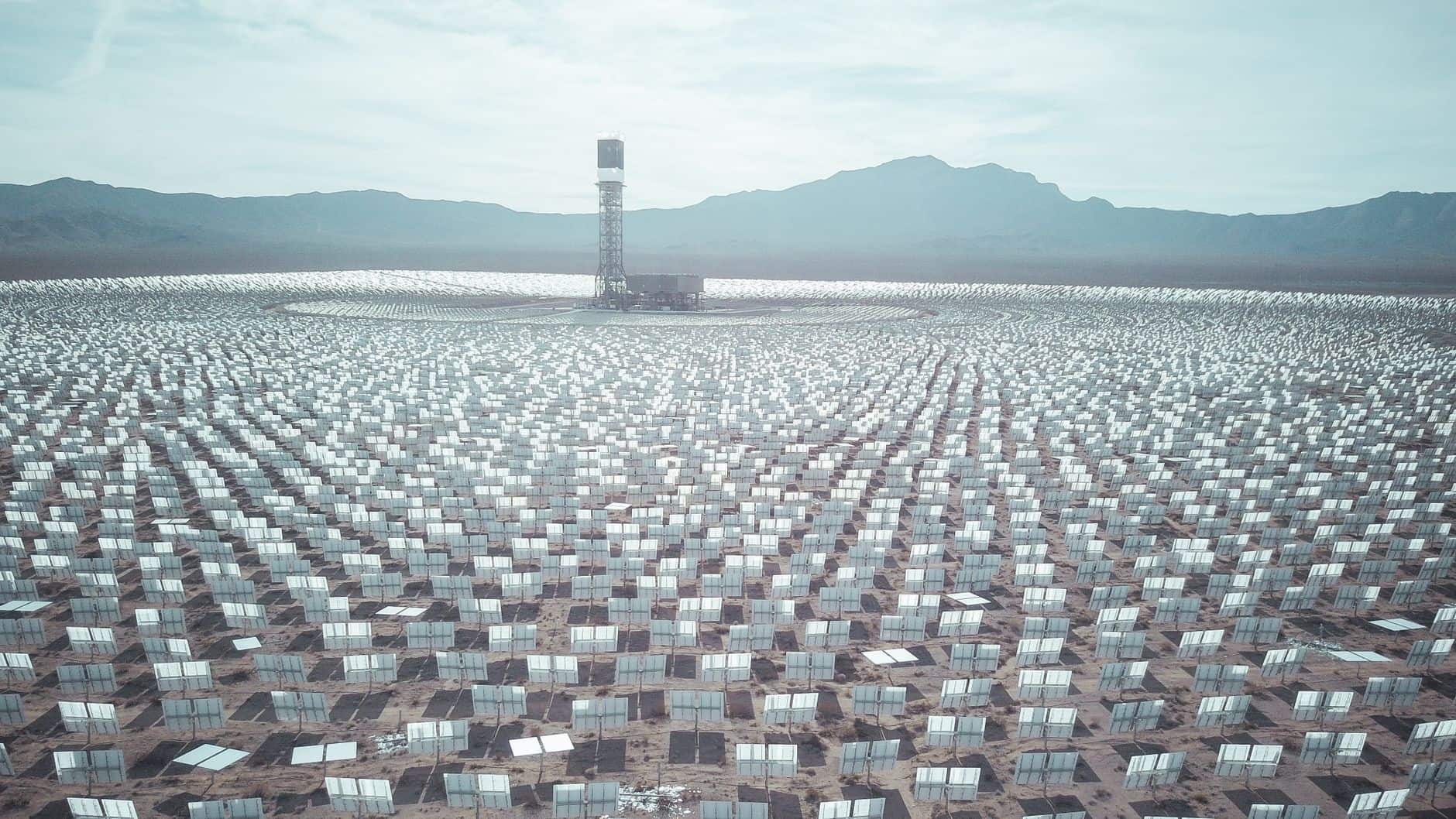
Israel approved a 265 MW solar farm in the Negev that overlaps the habitat of protected reptiles, sparking a debate between renewable‑energy goals and desert biodiversity protection.

UAE Pushes Regional Water‑Energy Summit with Israel, Jordan
The UAE has offered to host a trilateral summit with Israel and Jordan to forge a water‑for‑energy deal, but Jordan denies any formal invitation, highlighting diplomatic uncertainty.

Philippines Revamps Grid Code to Boost Solar
The Philippines’ 2026 grid code adds standards for solar‑plus‑storage and cuts net‑metering interconnection time from 20 to 10 days, while removing the 1 MW cap, aiming to boost distributed solar capacity.
US Solar Tax Credits Slashed – Impact
The U.S. is cutting the federal solar Investment Tax Credit from 30% to 22% after 2025, raising net residential system costs by about 12% and slowing installations.