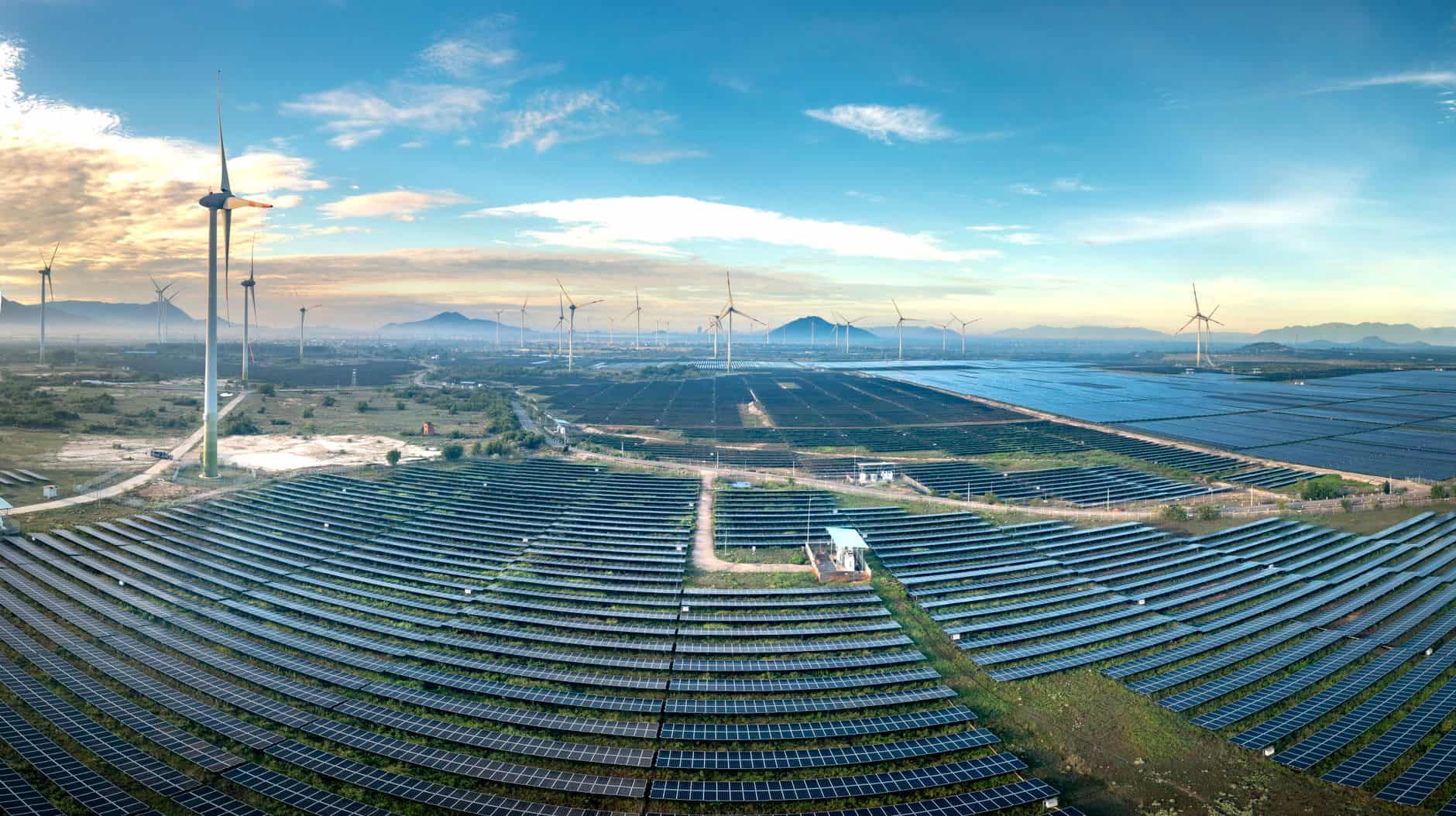
Virtual Power Plants to Power Data Centers
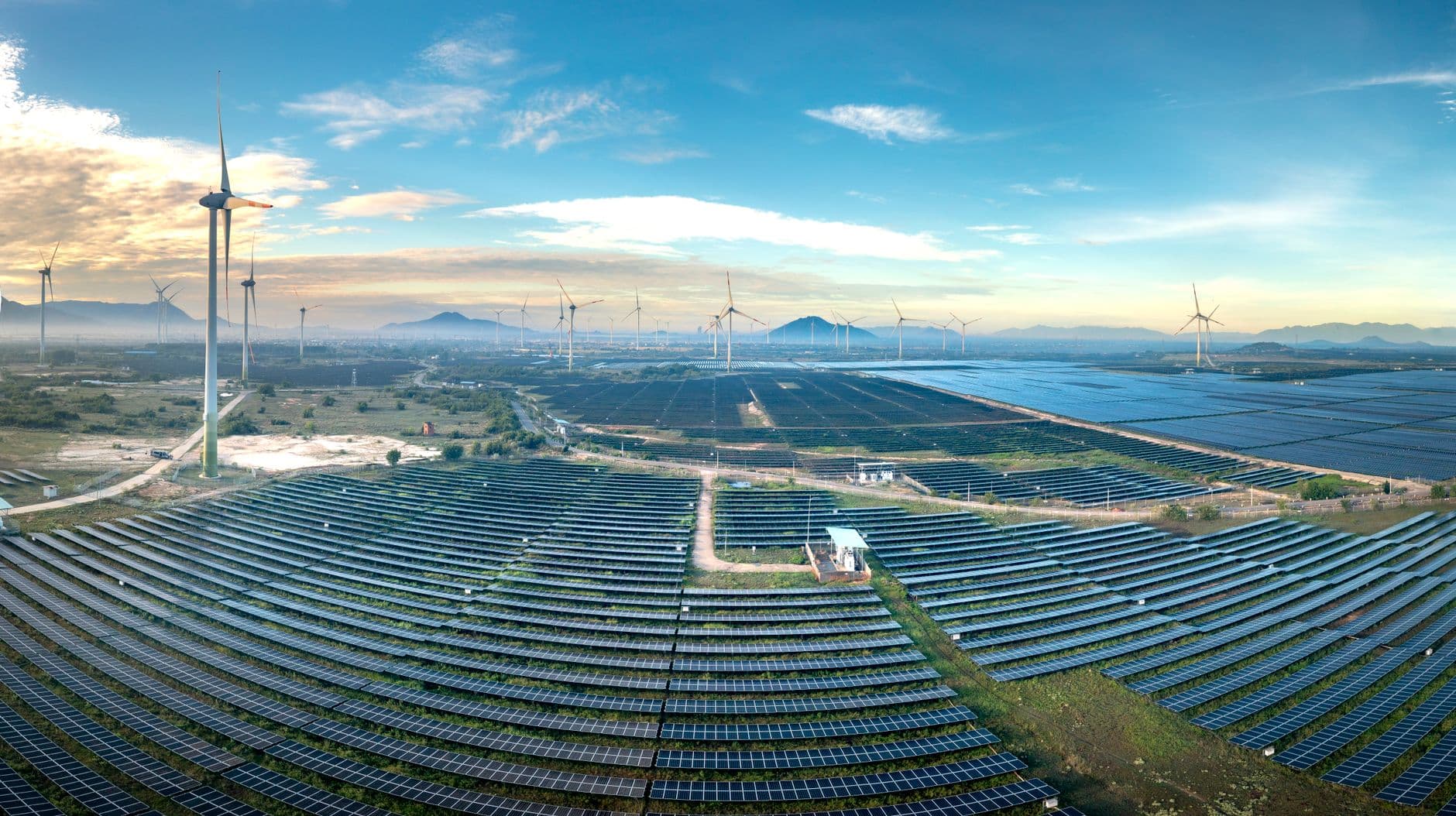
Virtual Power Plants Offer Immediate Relief for Data Center Energy Costs
The AI‑driven virtual power plant (VPP) created by Israeli startup nGrid can substantially reduce peak electricity bills for data centers by buying cheap off‑peak power and discharging stored energy when prices spike. The company’s CEO Omer Kriger explains that the system “acts like a giant battery that the grid can call on, but it’s owned by the data center itself,” turning price volatility into cost savings.
How the Startup’s AI‑Driven VPP Works
The VPP uses real‑time market data and machine‑learning forecasts to schedule purchases when wholesale electricity drops to its lowest levels, typically during night hours, and stores that energy in modular battery packs on‑site. When the grid price rises during daytime peaks, the system automatically discharges, offsetting the data center’s demand and avoiding the high tariff. According to Globes, the platform also aggregates multiple data‑center loads, allowing them to collectively bid into the wholesale market and secure better rates.
Market Momentum: Global VPP Growth and Israel’s Role
The global virtual power‑plant market is projected to expand from $2.46 billion in 2025 to $7.27 billion by 2034, a compound annual growth rate of 11.8%. Israel’s vibrant energy‑tech ecosystem, with over 300 companies focused on clean‑energy solutions, provides a fertile breeding ground for VPP innovators like nGrid. The country’s strong push toward a 30% renewable electricity target by 2030 further incentivizes distributed‑energy resources that can balance the grid.
Technical Edge: Batteries, Forecasting and Grid Interaction
nGrid’s VPP couples lithium‑ion battery modules with AI‑based price‑prediction algorithms. The system continuously re‑optimises its charge‑discharge schedule as market conditions evolve, a capability highlighted in a recent RMI report on VPP reliability. By acting as a virtual generator, the VPP can also provide ancillary services—frequency regulation and reserve capacity—creating additional revenue opportunities for data‑center owners.
What It Means for Israel’s Solar Landscape
For the average Israeli homeowner, the same AI‑driven storage concept can be illustrated with a typical 10 kWp rooftop system in central Israel. Using the verified residential tariff of ₪0.48 /kWh and an annual yield of 1,700 kWh/kWp, the system would generate about 17,000 kWh/year, worth ₪8,160 in electricity sales. At a turnkey installation cost of ₪3,150/kWp, the upfront outlay is ₪31,500, delivering a simple payback of roughly 3.9 years—well before the 25‑year system life ends. This calculation shows how the economics that power nGrid’s VPP can also make residential solar a fast‑paying investment, especially as battery prices continue to fall.
Outlook: Scaling VPPs Across the Country
With data‑center electricity demand expected to rise as AI workloads expand, nGrid’s model could be adapted for hospitals, factories and municipal grids. The combination of AI forecasting, modular storage, and participation in wholesale markets positions Israel to become a regional leader in VPP deployment. As the global market expands and domestic renewable targets tighten, the coming years could see a growing number of VPP projects delivering cost savings and carbon‑reduction benefits across the country.
What it means for Israel – The residential example above illustrates the cost‑saving potential that VPP technology offers larger consumers. By leveraging the same AI‑driven buying strategy, data‑center operators can expect a meaningful reduction in peak‑price exposure, supporting faster returns on capital‑intensive projects and aligning with the nation’s 2030 renewable‑energy goals.
For more on calculating your own solar ROI, visit our solar ROI calculator. Detailed market data is available on our energy‑tech data page.
Sources & further reading
FAQ
What is a virtual power plant?
A virtual power plant aggregates distributed energy resources—like batteries and solar panels—and uses software to act as a single, dispatchable power source for the grid.
How does nGrid’s VPP lower data‑center electricity costs?
It purchases electricity when wholesale prices are low, stores it in on‑site batteries, and releases it during high‑price periods, avoiding peak tariffs.
Can residential solar owners benefit from the same technology?
Yes. A 10 kWp rooftop system in central Israel can earn about ₪8,160 per year and recoup its ₪31,500 cost in roughly 3.9 years.
How fast is the global VPP market growing?
The market is expected to grow from $2.46 billion in 2025 to $7.27 billion by 2034, a CAGR of about 12%.
What does this mean for Israel’s renewable‑energy targets?
VPPs help meet the 30% renewable electricity goal by enabling more solar and storage integration while reducing grid strain.
Share this post
More from Technology
6
Silicon Recycling Keeps Solar Loop Open
Silicon recovery from end‑of‑life solar panels now achieves high yields and AI‑driven robotics are pushing purity toward 9N, paving the way for a closed‑loop supply chain and lower module costs worldwide.
AI Tool Slashes Solar Soft Costs
AgentSolar AI can shave $4,000‑$6,000 off a typical 8 kW U.S. residential solar system by automating quote analysis and negotiation, while in Israel reduced soft costs could speed up payback for a standard 10 kWp home install.
European Solar Module Prices Stabilize in July
European solar module prices were flat in July 2026, back‑contact cells stayed scarce, and perovskite‑tandem technology eyes a 2027 market debut.
Solar Awnings Generate Power and Shade
German startup Solar Markise’s photovoltaic awnings generate up to 1.8 kW while providing shade, and could pay for themselves in a few years in Israel.

Drones Detect Faults in Vietnam’s 45k‑Panel Solar
Autonomous drones equipped with an “all‑seeing eye” are now inspecting Vietnam’s 45,000‑panel, 28 MWp rooftop solar farm, cutting inspection time to minutes and safeguarding a fast‑growing market.
Solar‑Powered AI Data Centre in Chile
Israeli firm Solaer will build a large‑scale solar‑powered data centre in Chile’s Atacama desert, aiming to meet the AI boom with clean, low‑cost electricity.