Solar, Batteries Defy Global Shock Costs
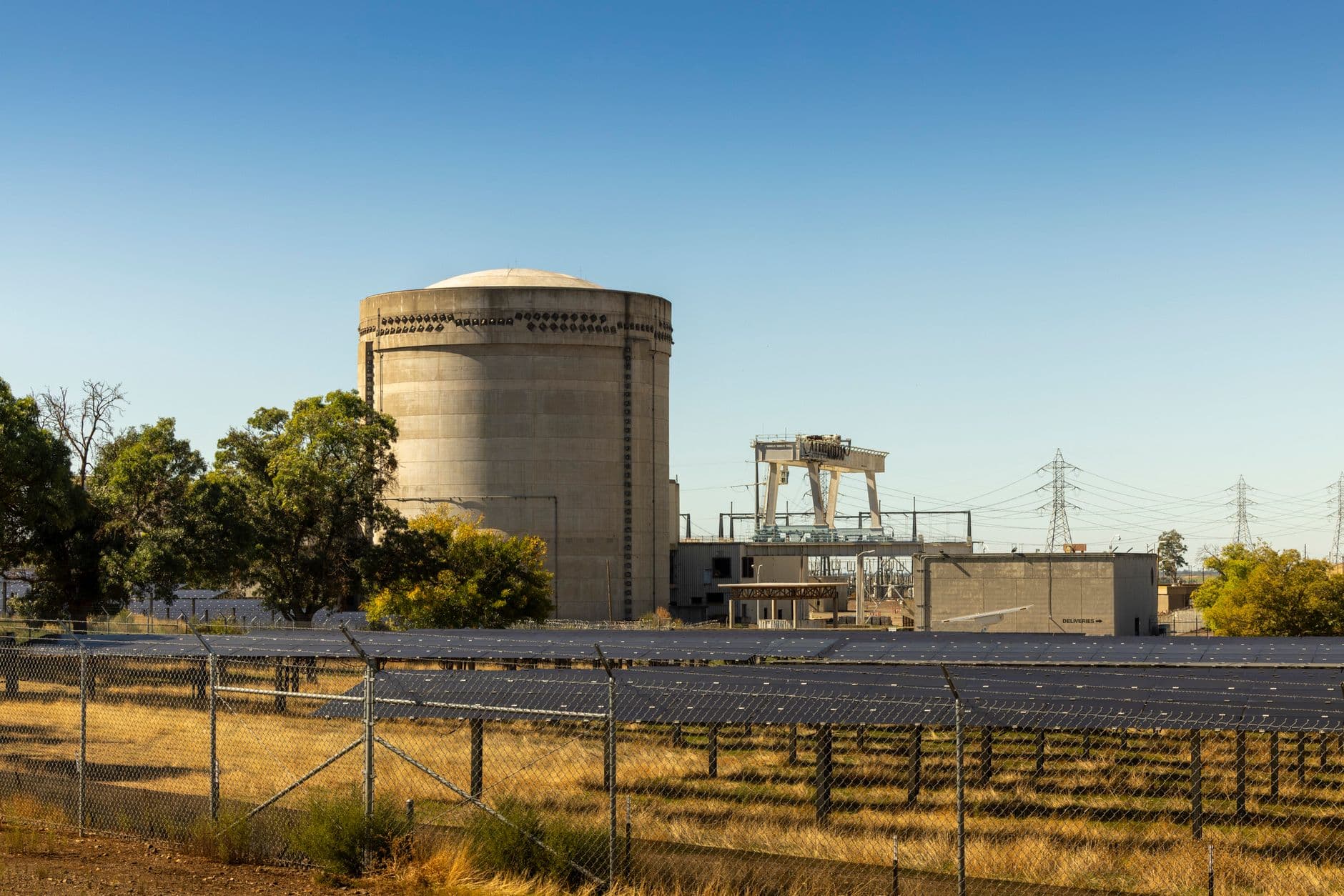
Solar and battery costs keep falling despite global crises
The GenCost model shows that, even after five years of pandemic‑driven inflation, the Ukraine war and a surge in data‑centre demand, large‑scale solar PV capital costs are still dropping – now around AU$1,344 per kW and rooftop solar costs remaining among the cheapest options worldwide. Paul Graham, CSIRO’s chief energy economist, explains that the modular nature of solar panels and China’s massive manufacturing capacity insulated the technology from supply‑chain shocks, allowing it to “continue its cost decline at an astonishing rate”.
Gas turbines and wind face rising prices from supply shocks
In contrast, the same period saw gas‑turbine prices surge as data‑centres rushed to secure new capacity, and wind‑farm components became harder to source. GenCost notes that “one set of technologies is getting more expensive each year, and another set is still getting cheaper”. The Ukraine war pushed gas prices to historic highs in Australia, forcing many gas generators to shut down because selling gas overseas became more profitable than generating electricity domestically.
Australian wholesale electricity prices have dropped sharply
The fallout of those shocks was a dramatic swing in wholesale power prices. After peaking at AU$189/MWh in 2022, the National Electricity Market (NEM) saw prices tumble to the AU$60‑80/MWh range by 2024 as 6‑8 GW of batteries entered the system and solar output surged. The Australian Energy Regulator reports that the Default Market Offer fell by roughly 10 %, reflecting the flow‑through of lower wholesale prices driven by the new storage capacity.
GenCost outlook for the next decade
Looking ahead, GenCost’s latest edition suggests that generation costs are expected to keep falling towards 2030, with solar, wind and battery storage continuing to be the most cost‑effective options for meeting Australia’s net‑zero ambitions. While coal can be competitive in some scenarios, it is not part of a net‑zero pathway, and gas is projected to play a reduced role as turbine prices stay high and fuel market volatility persists.
Global learning rates drive battery cost 20% drop in 12 months
Battery storage costs have been the most dramatic reducer of overall system cost. BloombergNEF reports that lithium‑ion battery cell prices hit a record low in 2024, and GenCost adds that battery pack prices fell about 20 % in the last 12 months. This rapid decline, combined with the continued fall in solar PV prices, is the engine behind Australia’s steep wholesale price decline.
What it means for Israel
For Israeli homeowners, the same dynamics translate into a clear financial upside. Using the typical Israeli figures – a residential tariff of ₪0.48/kWh, installation cost of ₪3,150/kWp, and an average yield of 1,700 kWh/kWp · year in the central region – a 10 kWp rooftop system would generate roughly 17,000 kWh per year, worth ≈₪8,160 in avoided electricity bills. At a total install cost of ≈₪31,500, the simple pay‑back period is about 3.9 years, well within the 25‑year system lifetime. As solar and battery costs keep falling globally, Israeli households can expect even shorter pay‑backs and higher savings, reinforcing the country’s goal of reaching 30 % renewable electricity by 2030.
The story of a decade of disruption shows that while geopolitics can spike the price of fossil‑fuel‑based generation, solar panels and batteries keep getting cheaper, reshaping electricity markets from Australia to Israel.
Sources & further reading
FAQ
Why did Australian electricity prices fall after 2022?
The rapid deployment of 6‑8 GW of battery storage and continued solar PV cost cuts lowered wholesale prices from a 2022 peak of AU$189/MWh to around AU$60‑80/MWh by 2024.
Are solar panel prices still dropping?
Yes. GenCost reports large‑scale solar PV capital costs at AU$1,344/kW, down from earlier levels, and rooftop solar remains among the cheapest options worldwide.
How much have battery costs fallen recently?
Battery pack prices fell roughly 20 % in the last 12 months, according to GenCost, while BloombergNEF notes record‑low lithium‑ion cell prices in 2024.
What is the projected average generation cost in Australia for 2030?
GenCost forecasts average generation costs of AU$80‑90/MWh by 2030, with solar, wind and storage as the lowest‑cost technologies.
What does this mean for a typical Israeli home solar system?
A 10 kWp rooftop system would generate ~17,000 kWh/year, saving about ₪8,160 annually, and would pay back its ₪31,500 cost in roughly 3.9 years.
Share this post
More from Markets
6
India's Solar Leap: From Imports to Exports
India has transformed from a solar‑component importer to a $2 billion PV‑module exporter, thanks to the Production‑Linked Incentive scheme and strict local‑content rules.
South Korea’s 1 GW Solar Tender Hits Record Low
South Korea’s new 1 GW solar tender caps bids at KRW 147,686/kWh (≈ $99.46 /MWh), a 5 % drop from last year, and adds premiums for low‑carbon modules.
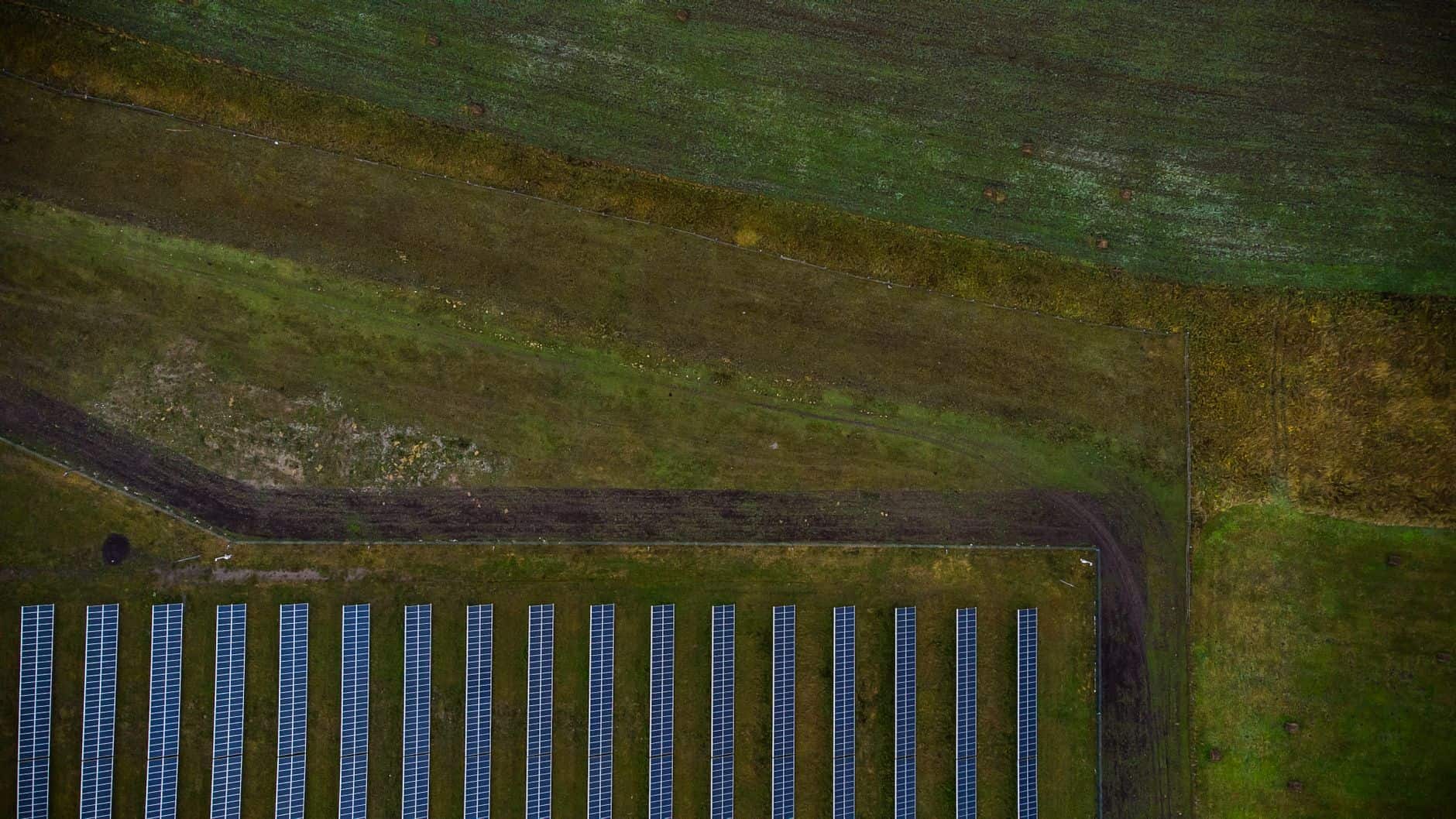
Israel Adds 900 MW Solar in 2024 – What It Means
Israel installed about 900 MW of new solar PV in 2024, most of it under merchant PPAs, marking a shift from tendered projects and moving the country toward its 30 % renewable‑energy goal.
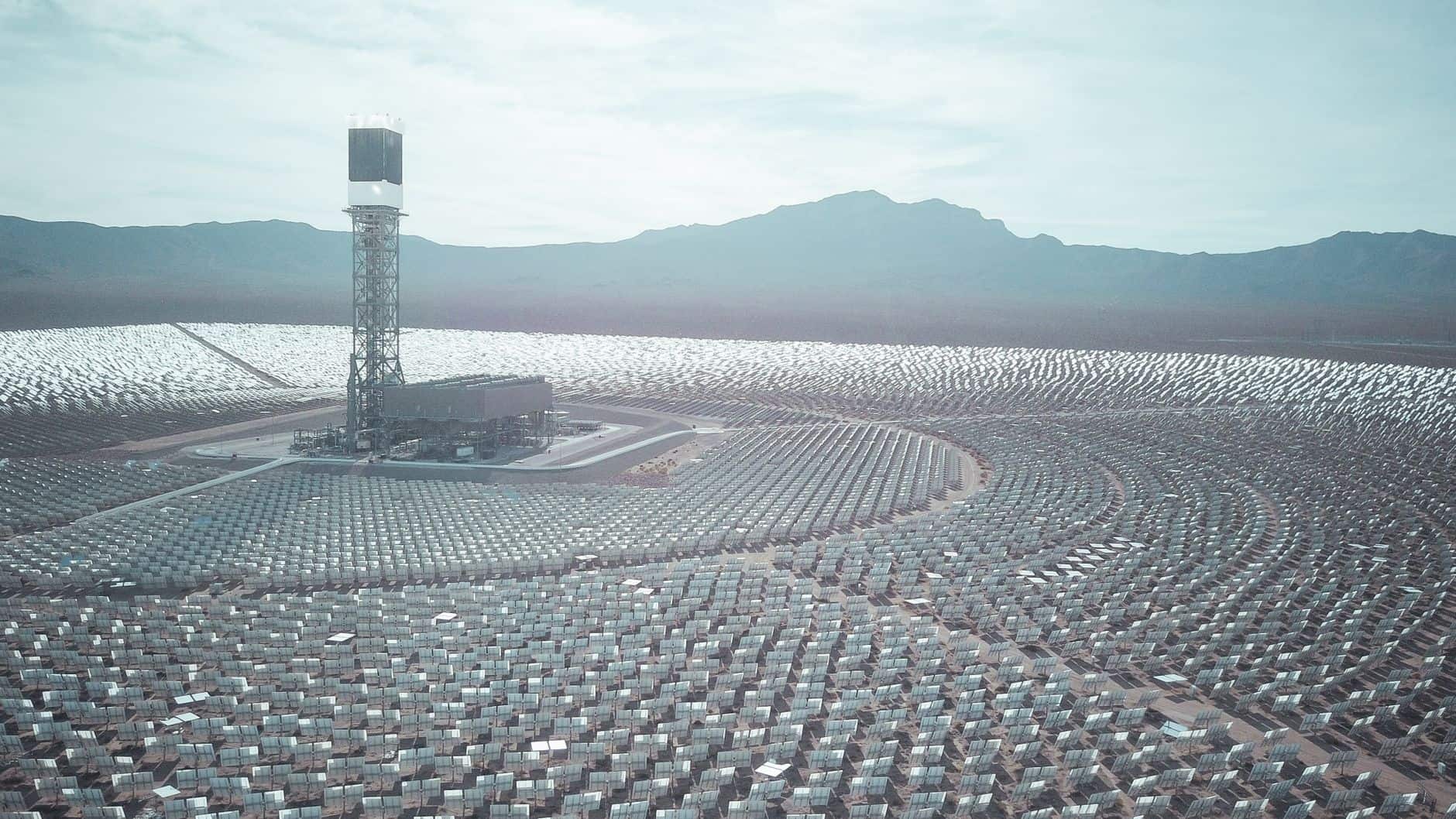
Israel’s First Solar Hedging Projects Launch
Tralight has announced solar‑hedging pilots in Israel, employing PPAs and futures swaps to lock in revenue for PV farms and support the nation’s renewable‑energy goals.
Cheap Power Will Reach Only a Few – Why?
Russia’s new low‑price electricity regime will benefit only large industrial and nuclear customers because the state raised nuclear tariffs to offset falling wholesale prices.
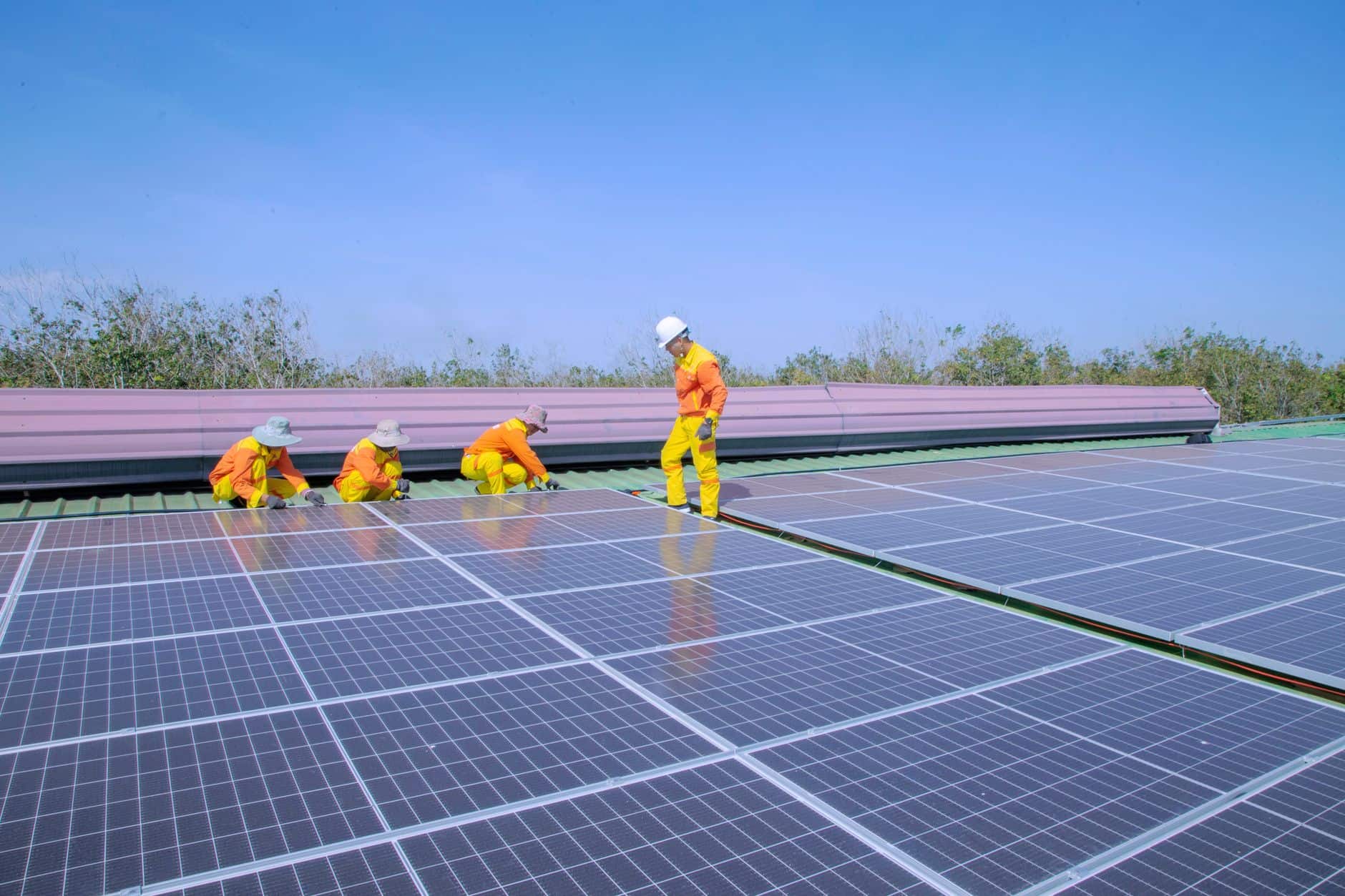
AI Data Centers Spark Solar Boom in Israel
Israeli renewable firms are targeting the AI data‑center boom, leveraging a solar market that’s growing at over 30 % CAGR to power next‑generation compute hubs.