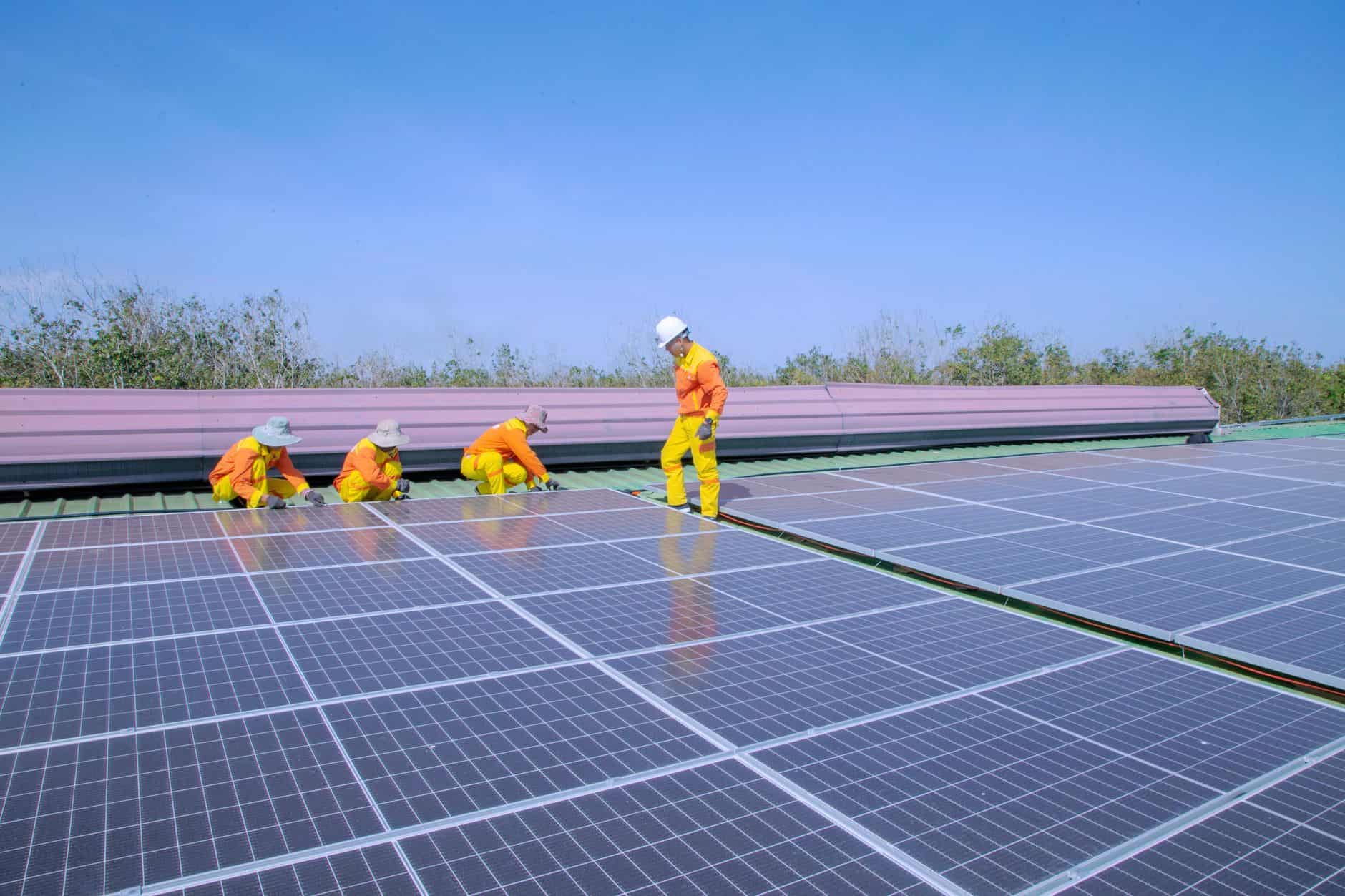
AI Data Centers Spark Solar Boom in Israel
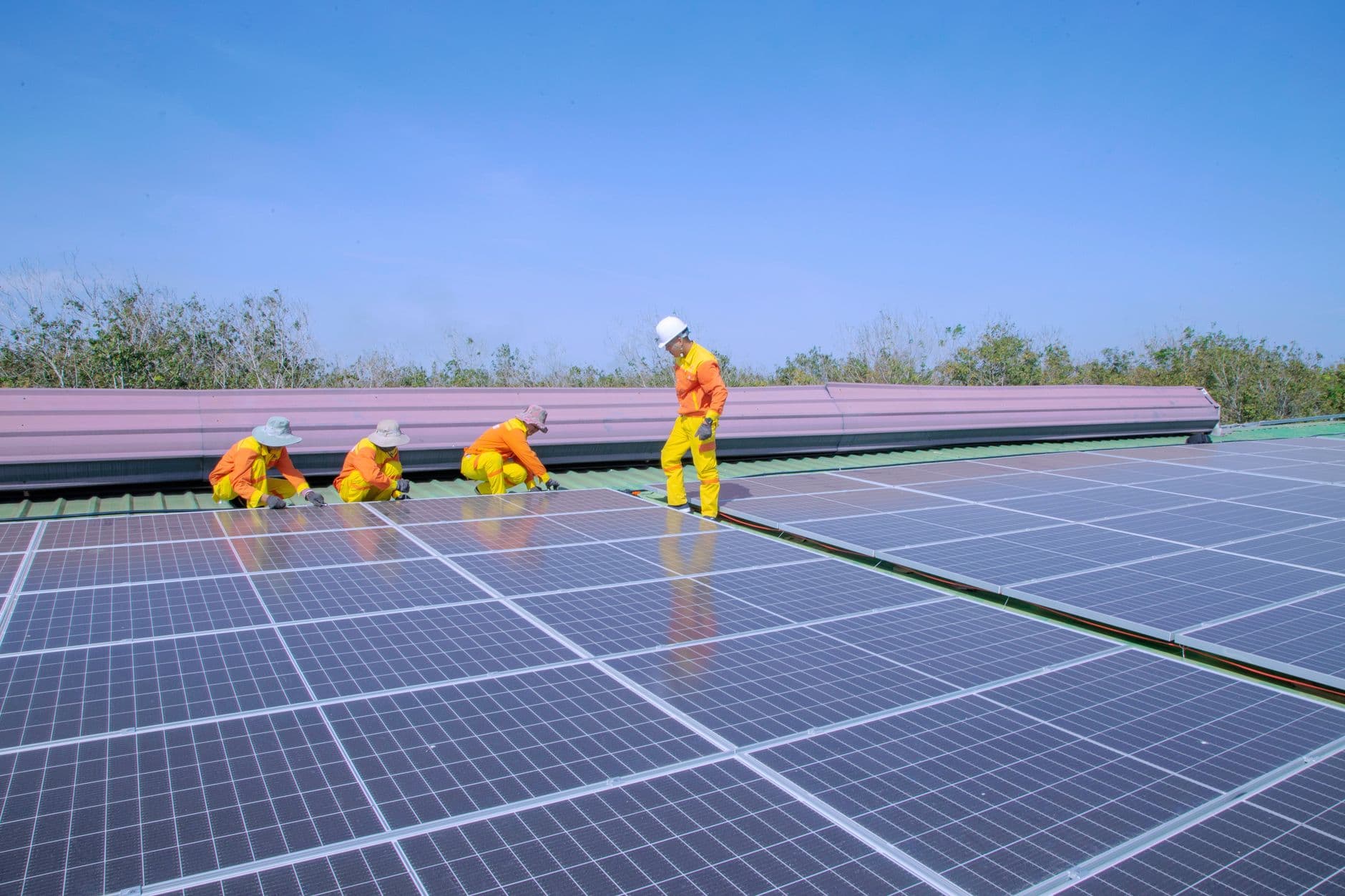
AI Data Centers Will Almost Double Power Use
AI‑driven data centers are set to consume about 945 TWh of electricity by 2030, nearly double the 415 TWh used in 2024. The surge is driven by massive AI model training workloads that run 24/7 in hyperscale facilities, pushing overall data‑center power density upward and demanding new supply strategies. According to the analysis by AI Tool Discovery, the sector’s electricity appetite will grow by around 130 % in the next six years.
Israel’s Solar Sector Is Growing Faster Than the World
Israel’s solar market is expanding at a roughly 31 % compound annual growth rate, from USD 187 million in 2024 to an estimated USD 1.63 billion by 2032. Solar now accounts for about 89 % of the country’s renewable‑energy capacity, a share that outpaces many European peers. The figures come from the market‑size reports of Verified Market Research and are corroborated by Mordor Intelligence, which notes a rapid rise in installed PV capacity across the nation.
Solar Power Can Supply a Large Share of Data‑Center Load
A 1 MWp solar plant in central Israel typically yields about 1.7 GWh of electricity per year (1 000 kWp × 1 700 kWh/kWp). Scaling to a 10 MWp farm would generate roughly 17 GWh annually – an amount comparable to the yearly consumption of many mid‑size AI data centres. Because solar output aligns with peak daylight demand, pairing PV with battery storage or grid‑flexible contracts can smooth the supply for AI workloads that run around the clock. The cost advantage is clear: the typical residential feed‑in tariff of ₪0.48/kWh translates to about ₪816,000 of annual revenue per MWp, creating a strong financial incentive for data‑center operators to contract solar power directly.
What It Means for Israel
Israeli firms can slash AI‑data‑center electricity costs by tapping locally‑grown solar. Using the representative figures from the verified Israeli facts, a 10 MWp solar installation would earn roughly ₪8 million per year at the residential tariff, offsetting a sizable portion of a data centre’s grid bill and could achieve a payback within a few years. This creates a win‑win: developers secure long‑term power‑purchase agreements, while the grid benefits from clean, dispatchable energy that eases congestion in high‑demand zones. Companies can model their own returns with our solar ROI calculator and compare market trends on the data page.
Outlook: A Solar‑Powered AI Hub
With AI workloads set to dominate electricity demand, Israel’s fast‑growing solar industry is uniquely positioned to become a backbone for a new generation of green data centres. Policy makers are discussing incentives for renewable‑powered tech parks, and private investors are showing interest in joint projects that combine solar farms with AI‑focused infrastructure. Solar could play a significant role in meeting the power needs of Israel’s AI ambitions by the early 2030s, reinforcing the country’s reputation as a high‑tech, low‑carbon leader.
Sources & further reading
FAQ
How much electricity will AI data centres use by 2030?
Global AI data‑center consumption is projected to reach about 945 TWh in 2030, more than double the 415 TWh used in 2024.
What is the growth rate of Israel’s solar market?
Israel’s solar sector is expanding at a 31 % CAGR, from USD 187 M in 2024 to an expected USD 1.63 B by 2032.
Can solar power meet the energy needs of AI data centres?
Yes – a 10 MWp solar farm in central Israel can generate roughly 17 GWh per year, comparable to the annual demand of many mid‑size AI data centres.
How quickly can a solar installation pay for itself in Israel?
Using typical residential tariffs (₪0.48/kWh) and install costs (₪3,150/kWp), a 10 kWp home system pays back in about 3.9 years; larger utility‑scale farms see similar or faster returns.
What incentives exist for renewable‑powered data centres in Israel?
The Ministry of Energy and the Electricity Authority are reviewing policies to encourage renewable PPAs for high‑demand facilities, and the Finance Ministry’s interim recommendations support such projects.
Where can I calculate the ROI of a solar project for a data centre?
Our online solar ROI calculator at /calculator lets you input size, yield and tariff to see payback periods and earnings.
Share this post
More from Markets
6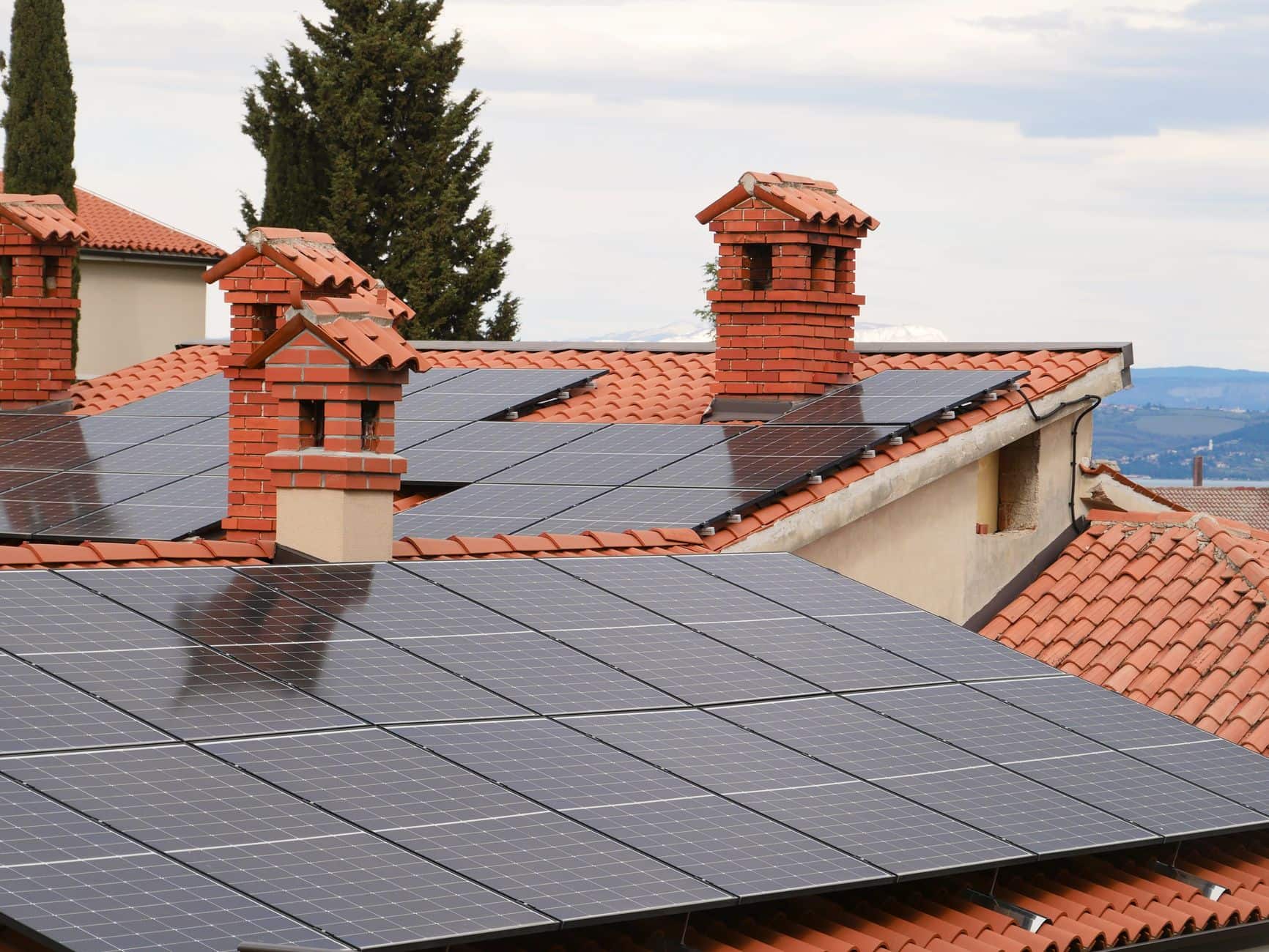
Nigeria's Solar Gap: Why Tinubu Needs Backing Now
Nigeria’s grid supplies under 4,000 MW against a far larger need; solar capacity sits at just 112 MW, but a 3.7 GW expansion plan backed by a $500 m AfDB loan aims to turn the tide.
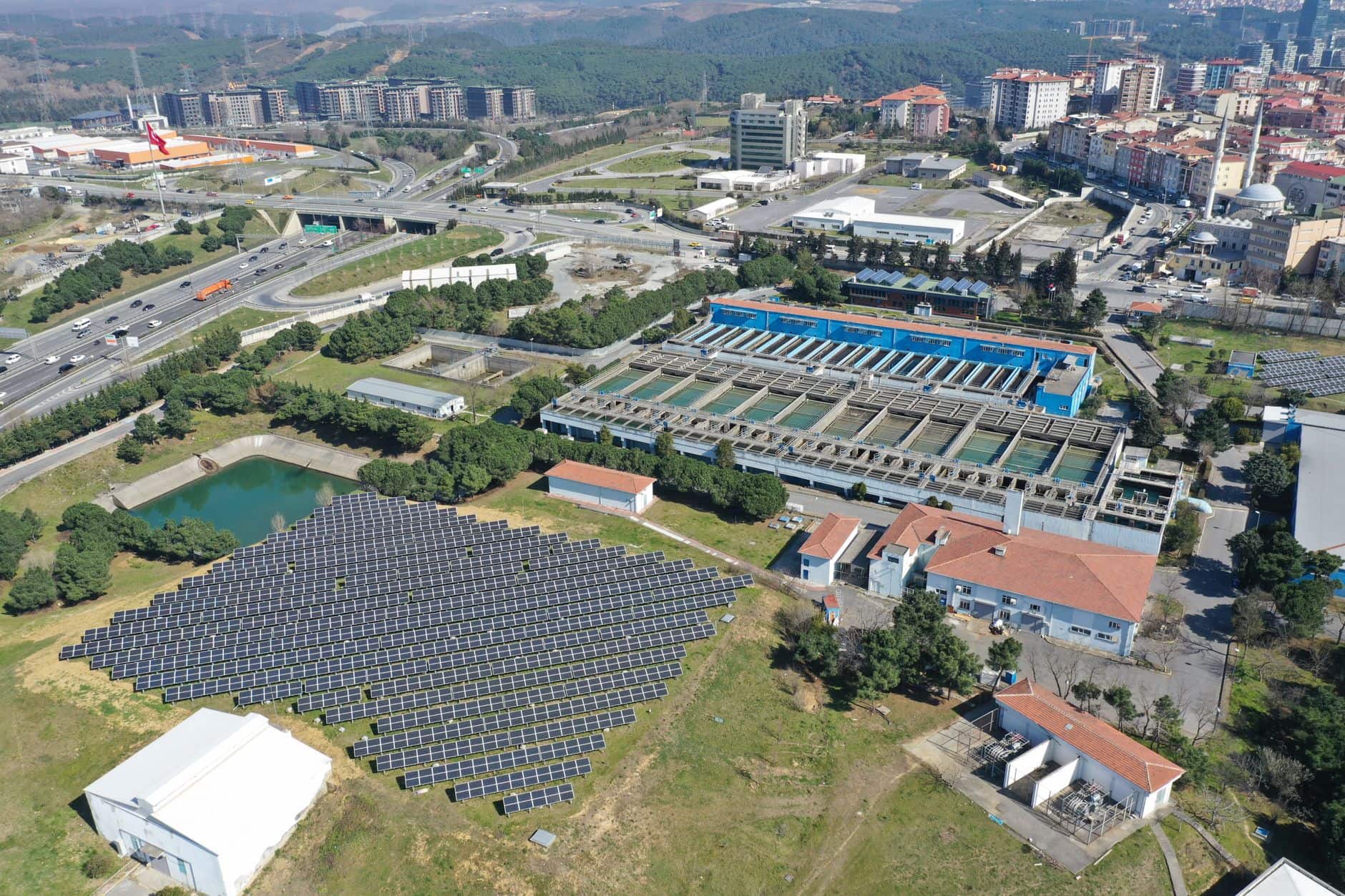
Turkey Launches 900 MW Solar Tender
Turkey will open a 900 MW solar tender on 13 October, part of its push to reach 120 GW of renewable capacity by 2035.

Spain’s 20‑GW Wafer Plant Fuels Europe’s Solar
Sunwafe secured a €200 million grant to build a 20 GW silicon wafer factory on a 30‑hectare site in northern Spain, a plant that could supply half of Europe’s wafer demand by 2030.
US Solar Module Prices Hold at $0.30/W
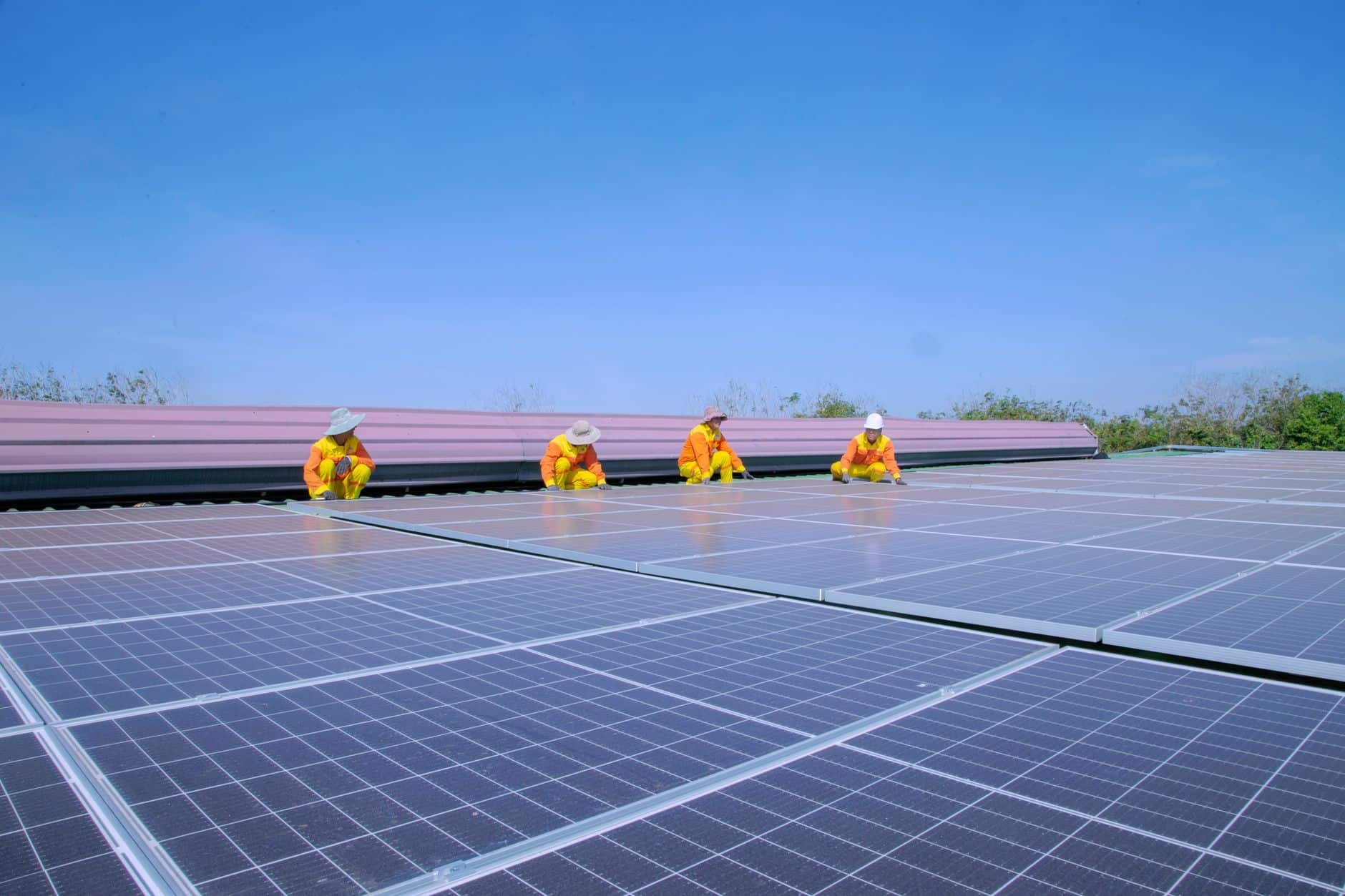
U.S.-assembled solar module prices held steady at $0.30 per watt in Q2 2026, driven by FEOC‑related divestitures and a fresh South Korean tariff petition.
Zambia's Solar Boom: New Deals Power the Future
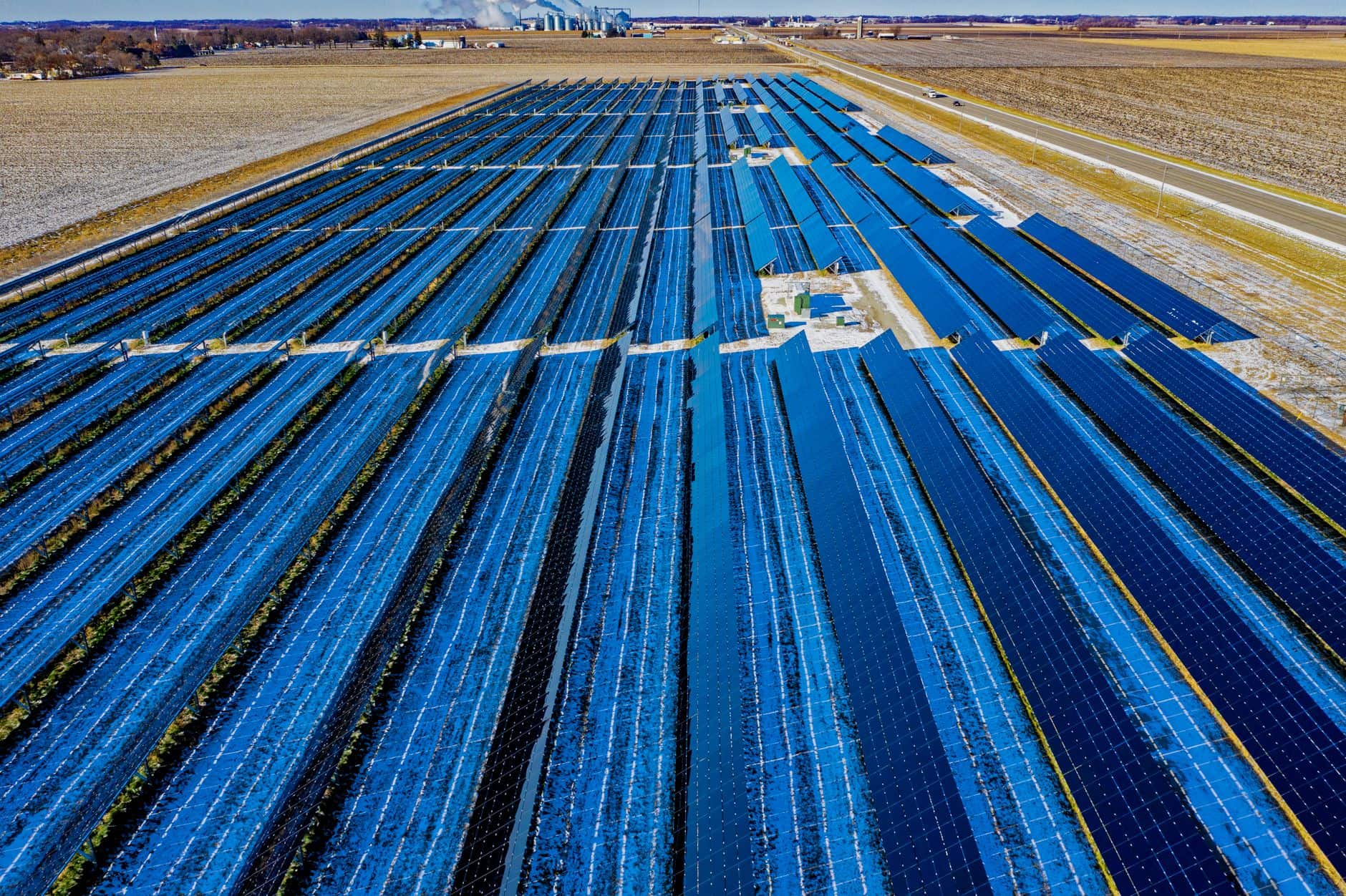
Zambia is rapidly becoming Africa’s most attractive solar market thanks to new procurement mechanisms, a Norway‑backed carbon‑finance facility, and open‑access rules that de‑risk large‑scale solar‑plus‑storage projects.
Australia June Solar Install Drop Still Record
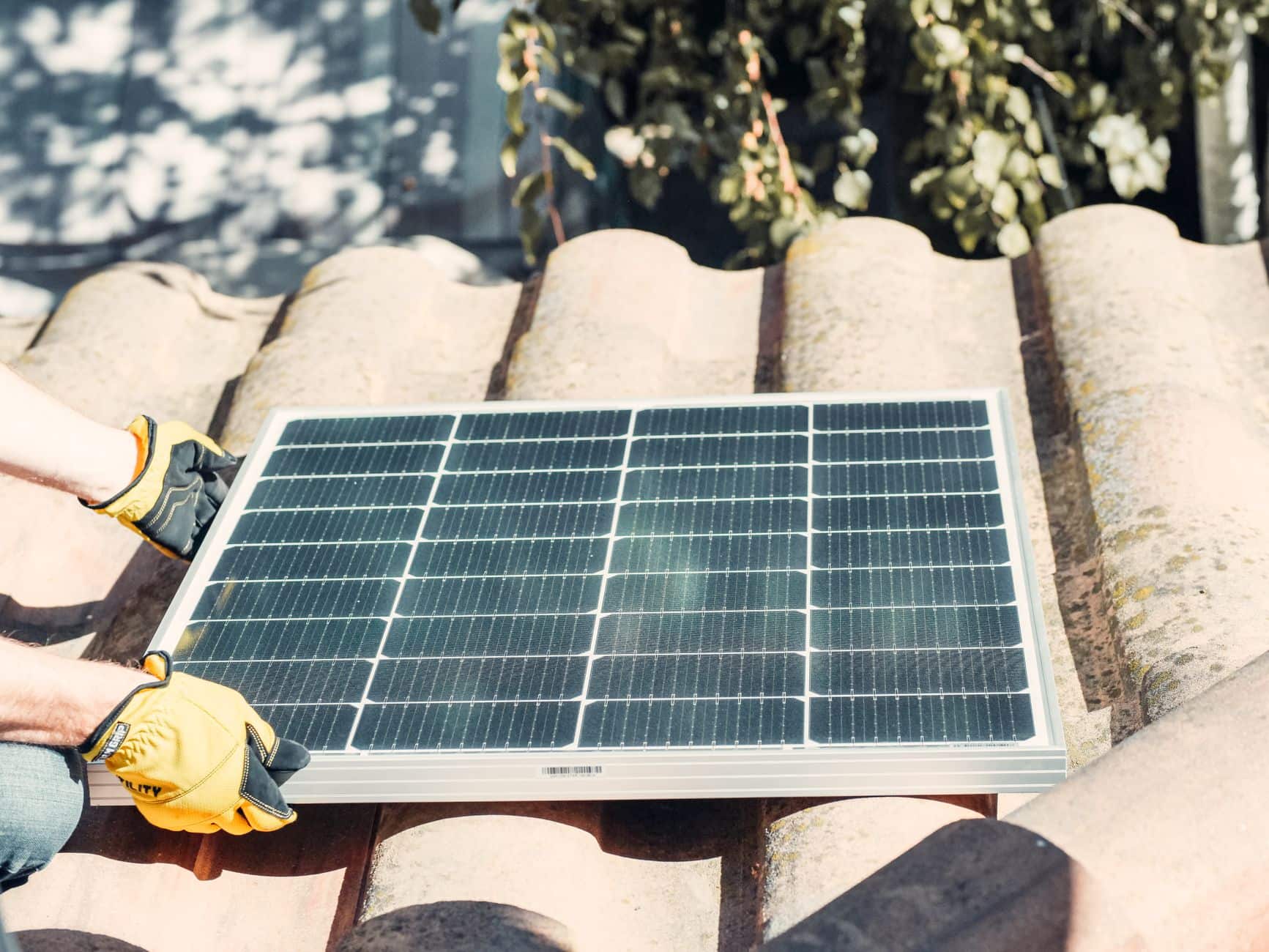
Australia installed 322 MW of rooftop solar in June 2026 – a 4 % dip month‑on‑month but still the strongest June on record, adding about 0.7 % to the nation’s total PV stock.