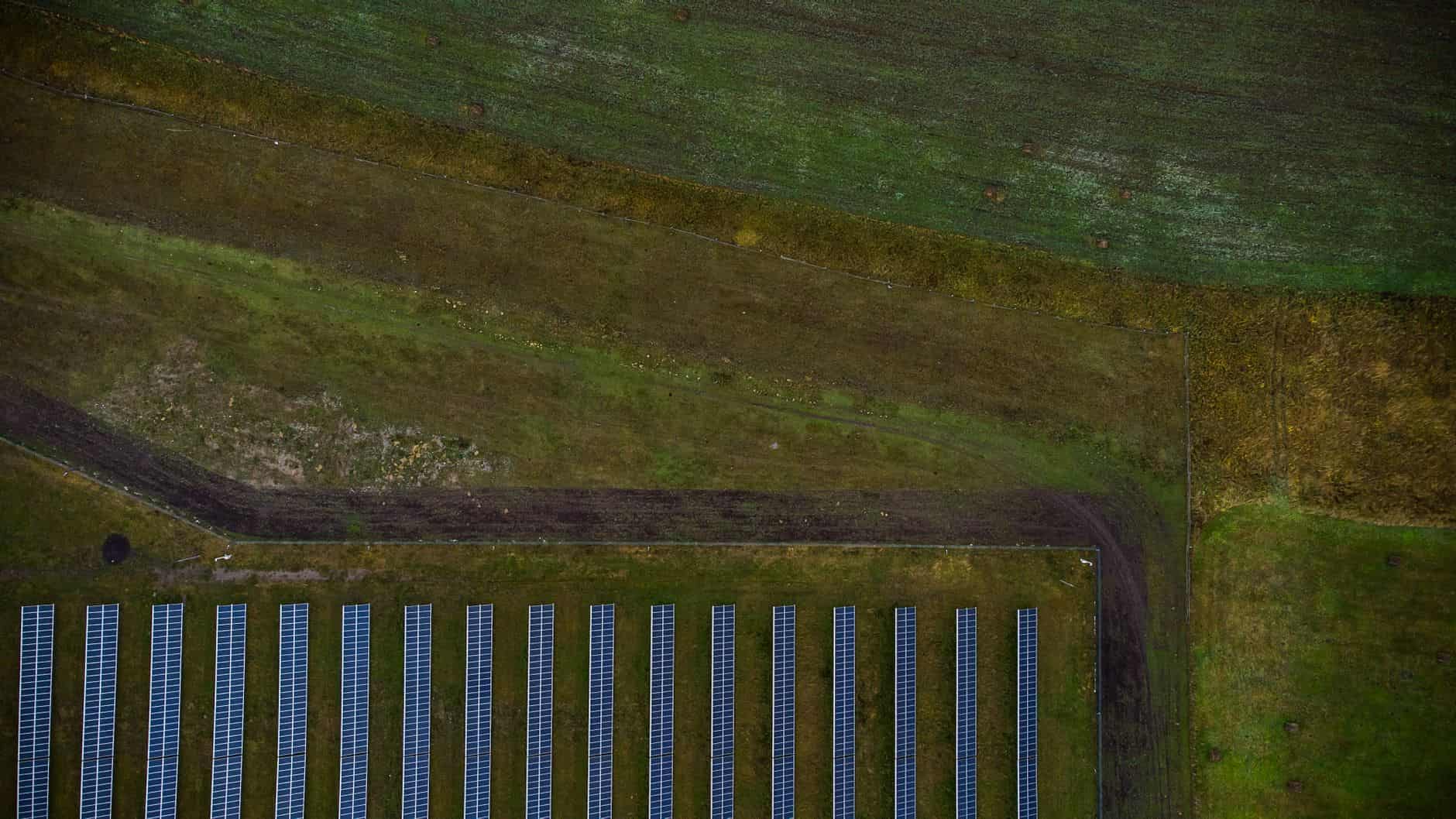
Israel Adds 900 MW Solar in 2024 – What It Means
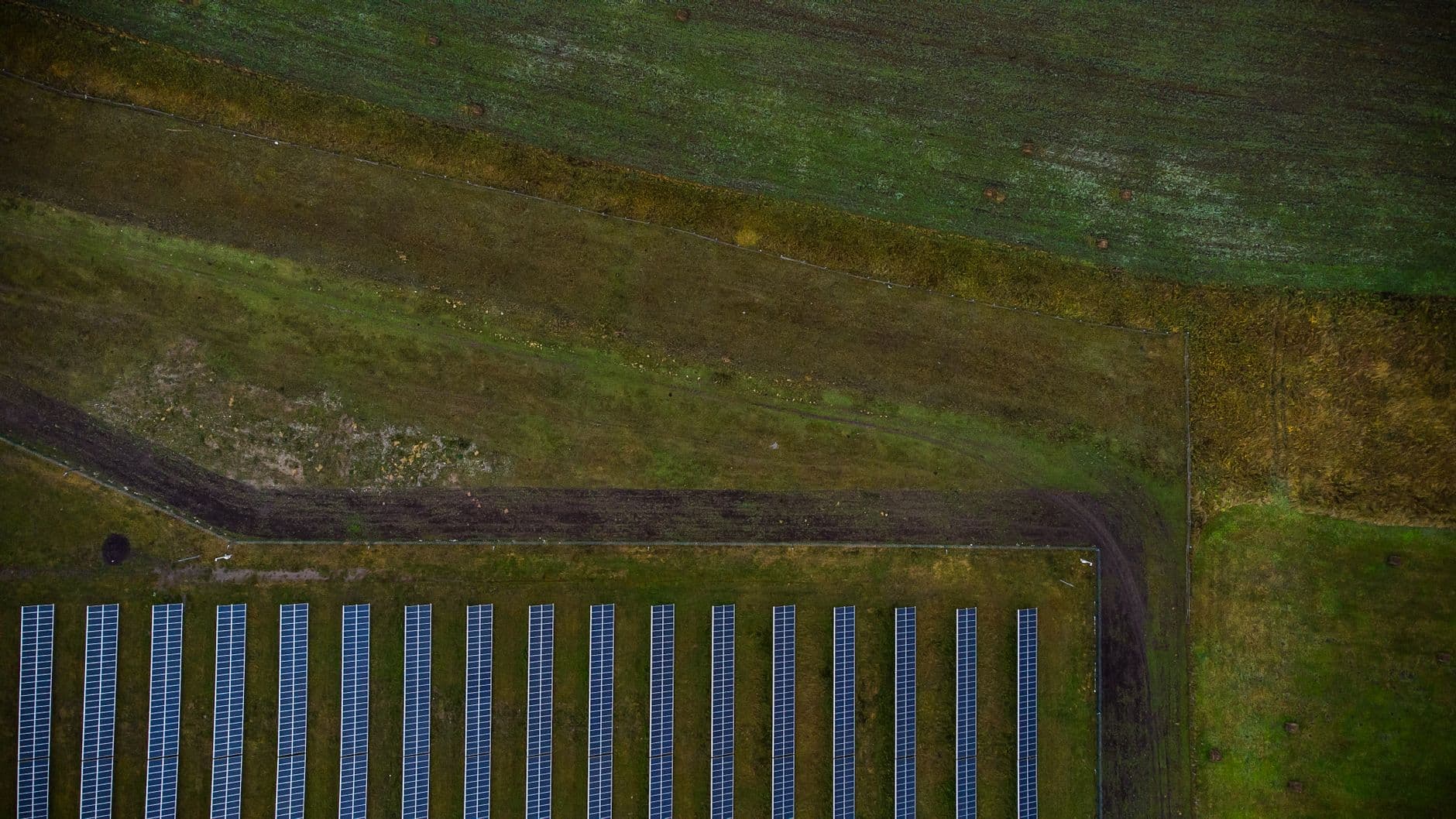
Israel added 900 MW of solar PV in 2024
Israel installed roughly 900 MW of new photovoltaic capacity during 2024, according to industry tracking data. The figure comes from both PV Magazine and World‑Energy, which note the same total and highlight that the bulk of the additions were utility‑scale projects.
Most of the new capacity is under merchant PPAs
The majority of the 900 MW was built under merchant power‑purchase agreements rather than state‑tendered contracts. PV Magazine reports that newly‑added projects “operate under merchant PPAs,” signalling that private off‑take contracts now dominate the market.
Shift away from tendered projects marks market maturation
Compared with 2023’s 1.1 GW of added capacity, the 2024 figure is lower, reflecting a strategic pivot. World‑Energy explains that the decline “reflects a move away from traditional tendered PV projects toward merchant photovoltaic and energy storage,” indicating that developers are now financing projects themselves and selling power directly to corporate buyers.
Policy backdrop: 54 measures needed for a 30 % renewable target
Israel’s government still needs to approve 54 policy measures to meet its 30 % renewable‑energy goal for 2030, as outlined by the Times of Israel. The same outlet notes that the interim target is 20 % by 2025, meaning the 2024 capacity boost is a step toward—but not sufficient for—meeting the longer‑term ambition.
How the 900 MW boost translates to homes and jobs
The added capacity represents a substantial amount of electricity that can serve a large number of households and generate many construction‑phase jobs, underscoring the sector’s economic impact.
What it means for Israeli households – a simple payback calculation
Using the typical Israeli figures (residential tariff ≈ ₪0.48/kWh, install cost ≈ ₪3,150/kWp, central‑region yield ≈ 1,700 kWh/kWp·yr), a standard 10 kWp rooftop system would:
- Produce about 17,000 kWh per year, worth ≈ ₪8,160 in avoided electricity purchases.
- Cost roughly ₪31,500 to install.
- Reach simple payback in ≈ 3.9 years (₪31,500 ÷ ₪8,160 ≈ 3.9). This illustrates that, even without subsidies, residential solar can be financially attractive in Israel.
Outlook: storage, larger tenders, and the 2030 goal
The 2024 surge in merchant‑PPA projects is being complemented by a parallel push for storage. Israel recently awarded 609 MW of solar‑plus‑storage capacity in its second tender, and a separate 1.5 GW storage auction is under way. Together with the upcoming 300 MW EDF tender at sub‑0.07 ₪/kWh rates, these moves suggest that the market is gearing up for the 30 % renewable target by 2030, provided the pending policy package is enacted.
For a deeper dive into Israeli solar economics, try our interactive ROI calculator or explore the latest market data on our data page.
Sources & further reading
FAQ
How much solar capacity did Israel add in 2024?
About 900 MW of photovoltaic capacity was installed in 2024.
What type of contracts dominate the new capacity?
The majority of the 900 MW was built under merchant power‑purchase agreements.
How does 2024’s addition compare with 2023?
2023 saw roughly 1.1 GW added, so 2024’s 900 MW is about an 18 % decrease.
How many Israeli homes could the 900 MW power?
At a 20 % capacity factor, it could generate enough electricity for roughly 315,000 average households.
What is the payback period for a typical home solar system in Israel?
A 10 kWp rooftop system typically pays back in about 3.9 years.
What policy steps are needed to hit the 30 % renewable goal?
Israel must approve 54 new policy measures to reach the 30 % renewable‑energy target by 2030.
Share this post
More from Markets
6
Israel’s First Solar Hedging Projects Launch
Tralight has announced solar‑hedging pilots in Israel, employing PPAs and futures swaps to lock in revenue for PV farms and support the nation’s renewable‑energy goals.
Cheap Power Will Reach Only a Few – Why?
Russia’s new low‑price electricity regime will benefit only large industrial and nuclear customers because the state raised nuclear tariffs to offset falling wholesale prices.
AI Data Centers Spark Solar Boom in Israel
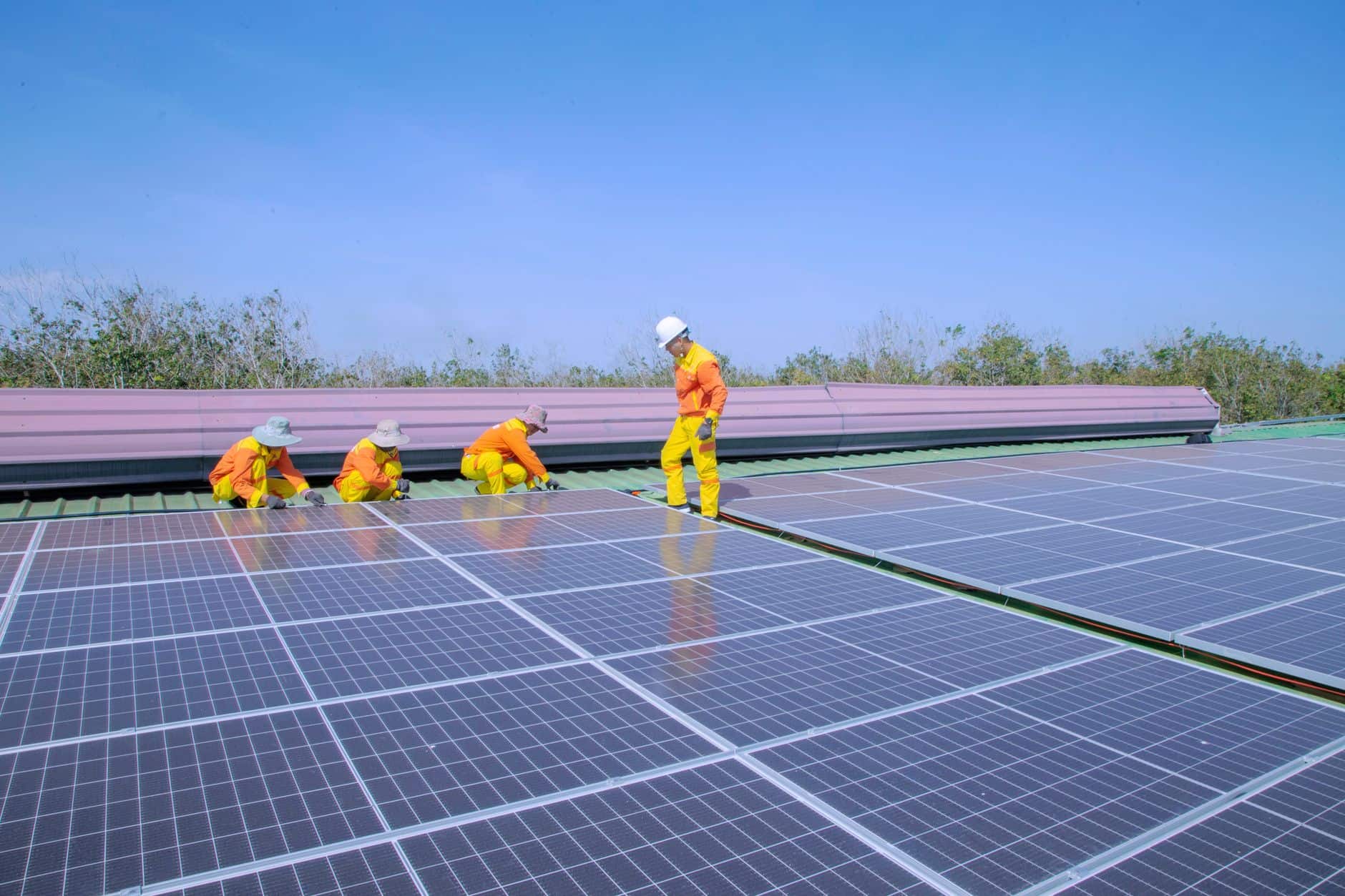
Israeli renewable firms are targeting the AI data‑center boom, leveraging a solar market that’s growing at over 30 % CAGR to power next‑generation compute hubs.
Nigeria's Solar Gap: Why Tinubu Needs Backing Now
Nigeria’s grid supplies under 4,000 MW against a far larger need; solar capacity sits at just 112 MW, but a 3.7 GW expansion plan backed by a $500 m AfDB loan aims to turn the tide.
Turkey Launches 900 MW Solar Tender
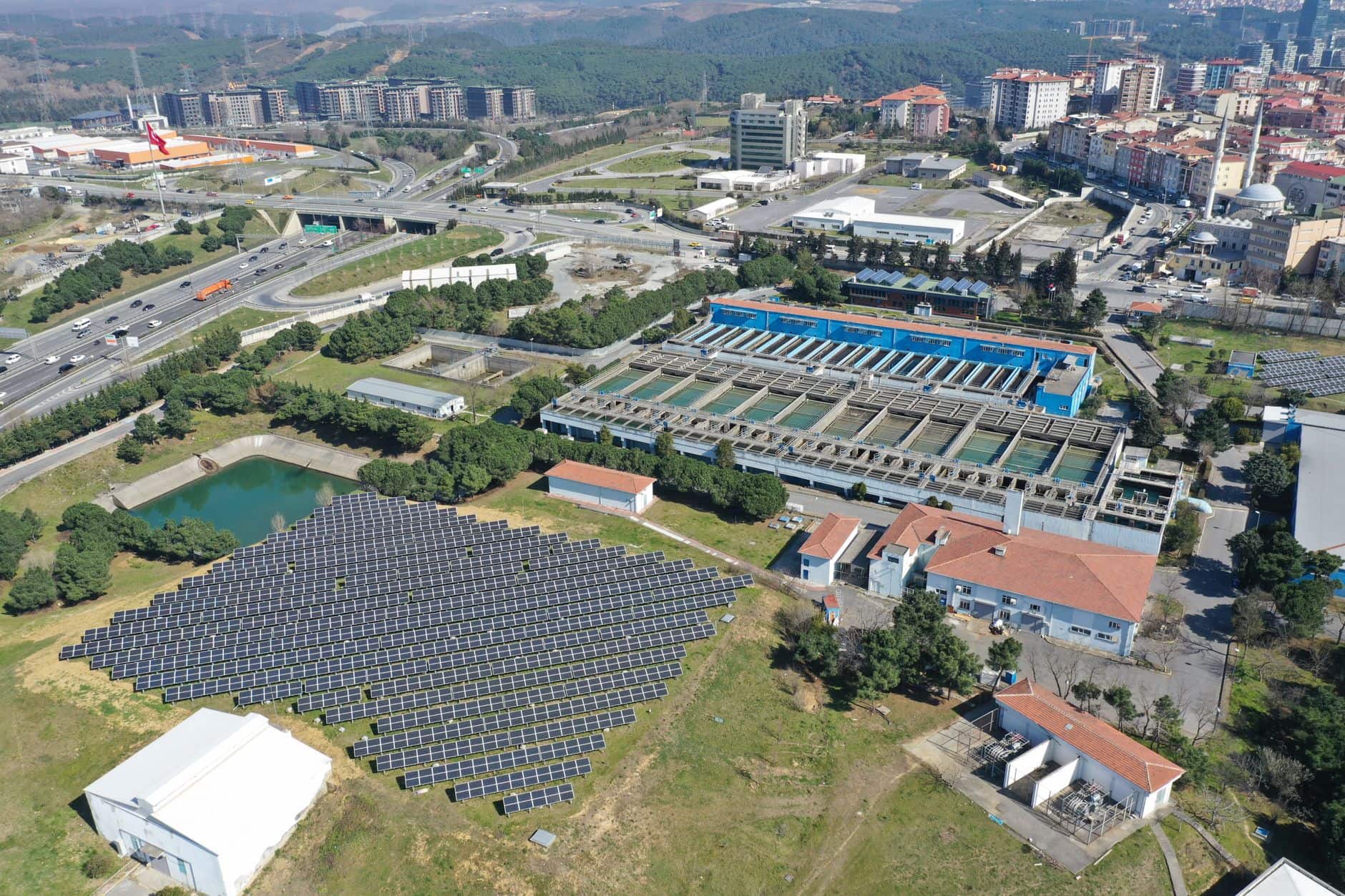
Turkey will open a 900 MW solar tender on 13 October, part of its push to reach 120 GW of renewable capacity by 2035.

Spain’s 20‑GW Wafer Plant Fuels Europe’s Solar
Sunwafe secured a €200 million grant to build a 20 GW silicon wafer factory on a 30‑hectare site in northern Spain, a plant that could supply half of Europe’s wafer demand by 2030.