Cheap Power Will Reach Only a Few – Why?
Cheap electricity will be limited to a small group of consumers
The latest Russian government decision shows that only large‑scale users and certain nuclear generators will benefit from a new low‑price electricity regime, because the state raised nuclear tariffs to offset historically low wholesale prices. In short, the price cut is a targeted subsidy, not a market‑wide drop.
Why the subsidy is narrowly aimed
Russia’s power market has been flooded with cheap wholesale electricity after a sharp fall in natural‑gas‑linked generation costs. To prevent a revenue shortfall for nuclear operators, the Ministry of Energy approved an additional increase in nuclear electricity tariffs, as reported by S&P Global. The higher tariff is paid by the state‑run power buyer, and the benefit is directed toward large‑scale customers such as industrial firms and municipal utilities. Smaller households and commercial rooftop owners are excluded.
How this fits into global price trends
Across Europe, wholesale power prices have been volatile. The European Commission’s 2025 market analysis shows the average European power benchmark at 85 €/MWh, a 9 % rise from 2024 but still 14 % below the 2023 peak. In the United Kingdom, the energy‑price cap has kept household bills from soaring as fast as wholesale rates, but the cap still reflects a higher baseline than pre‑2022 levels. Russia’s situation is therefore part of a broader pattern: when wholesale prices plunge, governments intervene to keep generators financially viable, often by creating selective subsidies.
Who actually gets the cheap power?
The subsidy structure means that large industrial consumers, municipal utilities, and some nuclear power plants receive the discounted rate. Smaller commercial entities and residential rooftop owners continue to pay the standard regulated tariff, which in Russia remains close to the market price. This asymmetric impact mirrors findings from academic studies on input‑price shocks, which note that policy changes tend to protect high‑volume users while leaving retail customers exposed.
What it means for Israel
Even though the Russian price tweak is a distant policy, the mechanics are relevant for Israel’s own solar market. Using the typical Israeli residential feed‑in tariff of ₪0.48 /kWh and a turnkey installation cost of ₪3,150 /kWp, a 10 kWp home system in the central region would generate about 17,000 kWh / year (≈1,700 kWh per kWp). That electricity is worth roughly ₪8,160 per year (17,000 kWh × ₪0.48). With an upfront cost of ₪31,500, the simple payback period is about 3.9 years, well before the 25‑year system life ends. If Israel were to adopt a selective subsidy similar to Russia’s – for example, lowering the tariff for large commercial farms but not for households – the market could shift toward utility‑scale solar, while rooftop owners would face slower adoption due to unchanged economics.
Outlook: will cheap power become broader?
Analysts expect that as Europe continues to integrate more renewables, wholesale prices will stay relatively low, prompting other governments to consider targeted subsidies. In Russia, the nuclear‑tariff hike is a short‑term fix; long‑term stability will likely require a more comprehensive market reform. For Israel, the trend underscores the importance of maintaining a level playing field for residential solar, especially as the nation pushes toward its 30 % renewable electricity target by 2030.
What it means for Israel (quick take‑away)
- Current residential ROI: ~3.9 years payback for a typical 10 kWp system.
- Policy risk: selective subsidies could tilt investment toward large‑scale farms.
- Action tip: Homeowners should lock in current tariffs now, while policymakers consider universal incentives to keep rooftop solar attractive.
For a deeper dive into your own solar ROI, try our calculator and explore the latest market data on our data page.
Sources & further reading
- Gas and electricity prices during the 'energy crisis' and beyond
- PDF RusEc2570029Veselov - Springer
- Russia sets additional increase in some nuclear electricity rates | S&P Global
- The asymmetric impact of input prices, the Russia-Ukraine war and...
- Yakov and Partners - The Energy Transition: Challenges and...
FAQ
Why is cheap electricity only for a few in Russia?
The government raised nuclear tariffs to compensate generators for historically low wholesale prices, so only large‑scale contract holders get the discount.
What are the current European wholesale power prices?
The European power benchmark averaged 85 €/MWh in 2025, 9 % higher than 2024 but still 14 % below the 2023 peak.
How does this affect Israeli rooftop solar owners?
If Israel introduced selective subsidies, residential owners would lose the financial edge they currently have with a ~3.9‑year payback.
What is the typical payback period for a home solar system in Israel?
Around 3.9 years for a 10 kWp system using the average residential tariff of ₪0.48/kWh and installation cost of ₪3,150/kWp.
Will cheap electricity become more widespread?
Analysts say subsidies will stay targeted unless broader market reforms are introduced, so cheap power will likely remain limited to large users.
Share this post
More from Markets
6
AI Data Centers Spark Solar Boom in Israel
Israeli renewable firms are targeting the AI data‑center boom, leveraging a solar market that’s growing at over 30 % CAGR to power next‑generation compute hubs.
Nigeria's Solar Gap: Why Tinubu Needs Backing Now
Nigeria’s grid supplies under 4,000 MW against a far larger need; solar capacity sits at just 112 MW, but a 3.7 GW expansion plan backed by a $500 m AfDB loan aims to turn the tide.
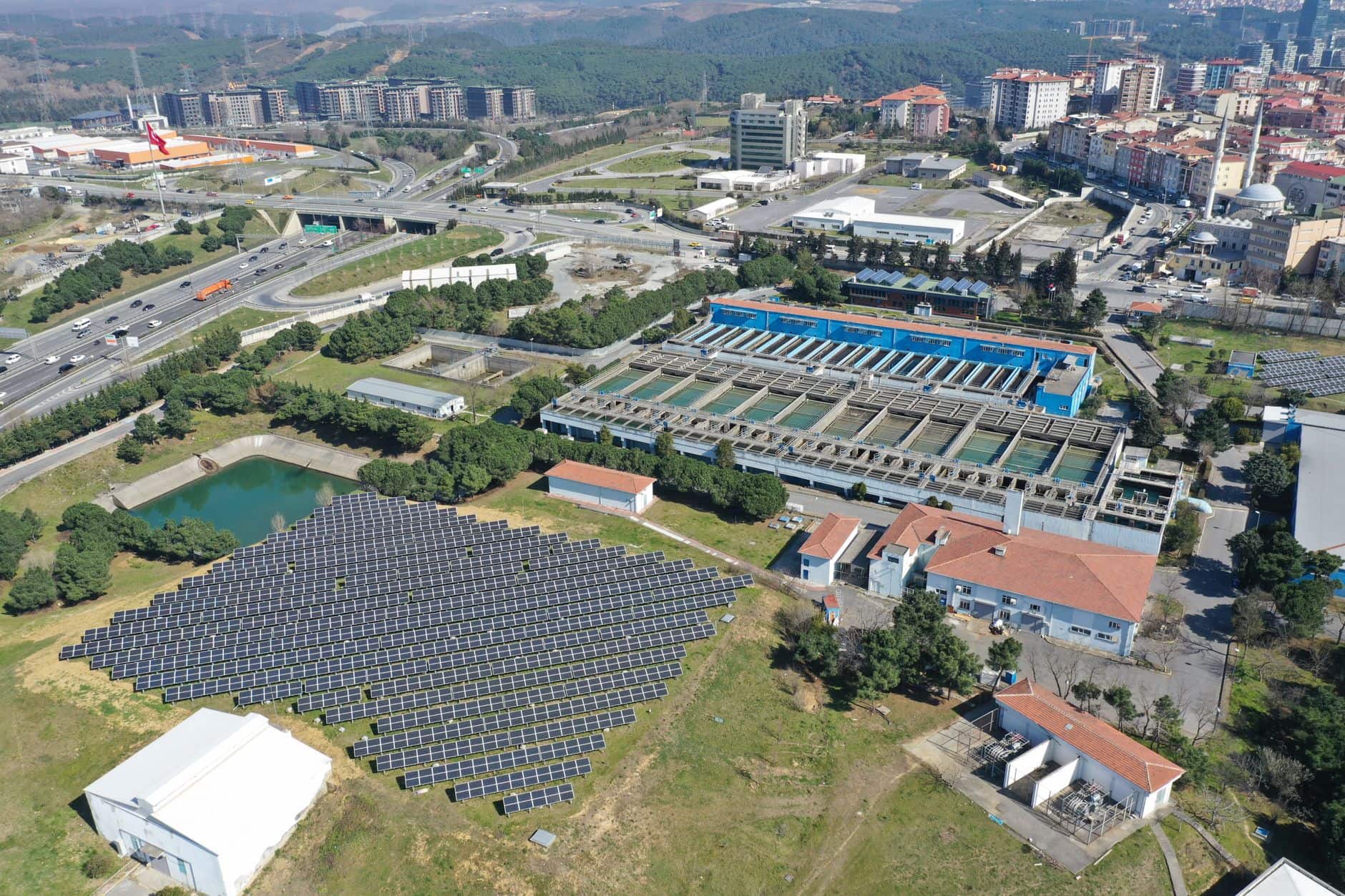
Turkey Launches 900 MW Solar Tender
Turkey will open a 900 MW solar tender on 13 October, part of its push to reach 120 GW of renewable capacity by 2035.

Spain’s 20‑GW Wafer Plant Fuels Europe’s Solar
Sunwafe secured a €200 million grant to build a 20 GW silicon wafer factory on a 30‑hectare site in northern Spain, a plant that could supply half of Europe’s wafer demand by 2030.
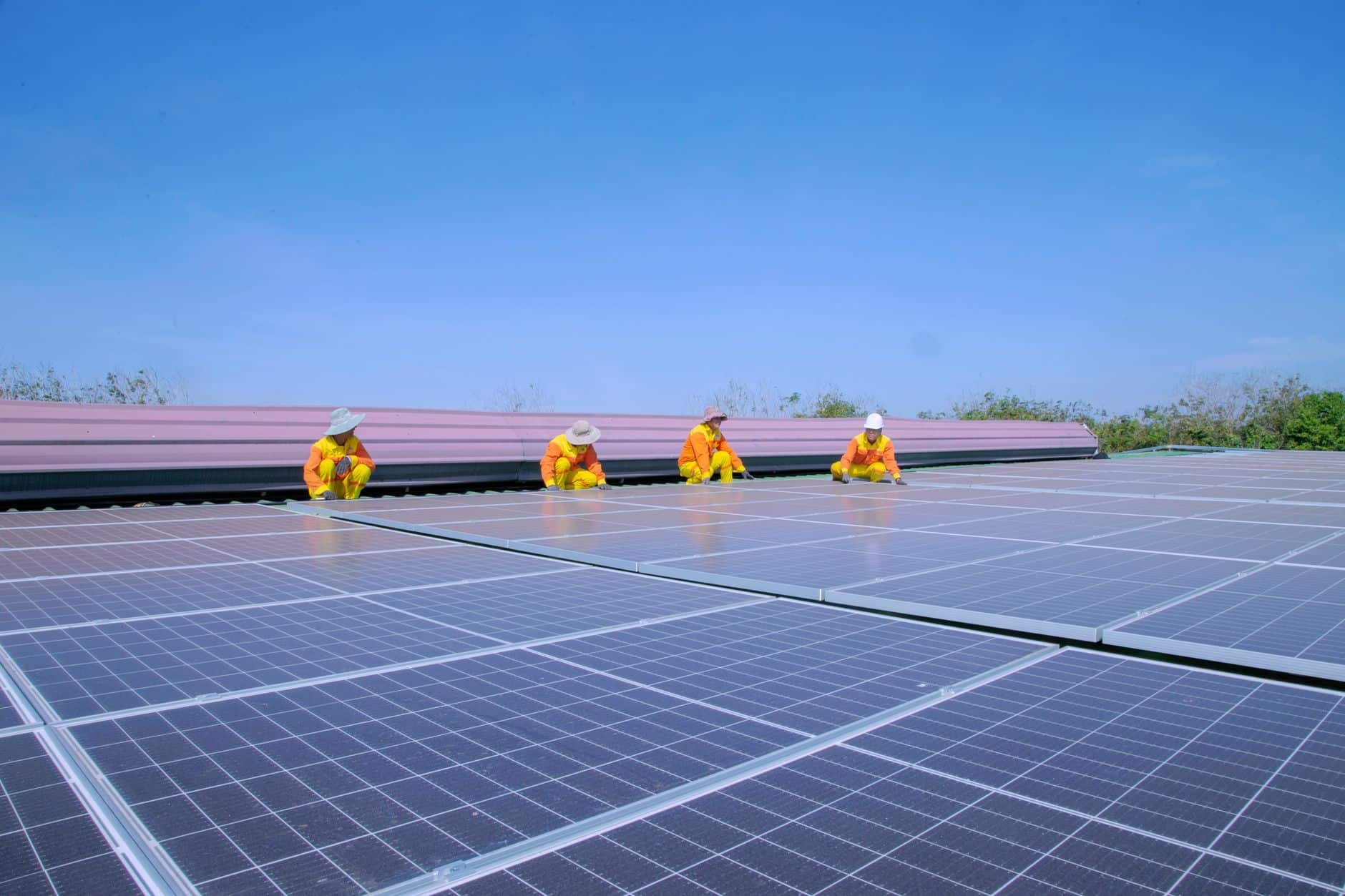
US Solar Module Prices Hold at $0.30/W
U.S.-assembled solar module prices held steady at $0.30 per watt in Q2 2026, driven by FEOC‑related divestitures and a fresh South Korean tariff petition.
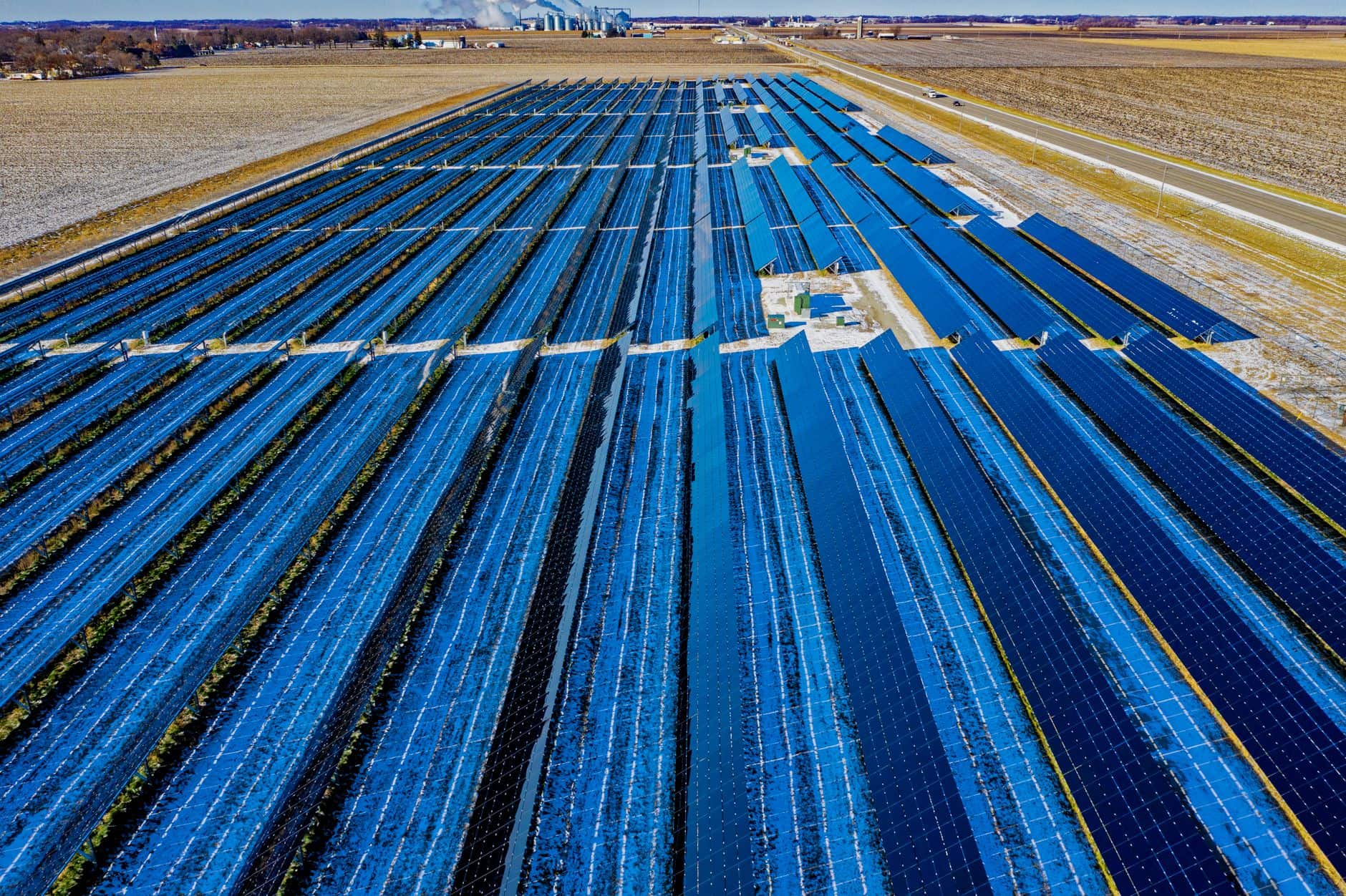
Zambia's Solar Boom: New Deals Power the Future
Zambia is rapidly becoming Africa’s most attractive solar market thanks to new procurement mechanisms, a Norway‑backed carbon‑finance facility, and open‑access rules that de‑risk large‑scale solar‑plus‑storage projects.