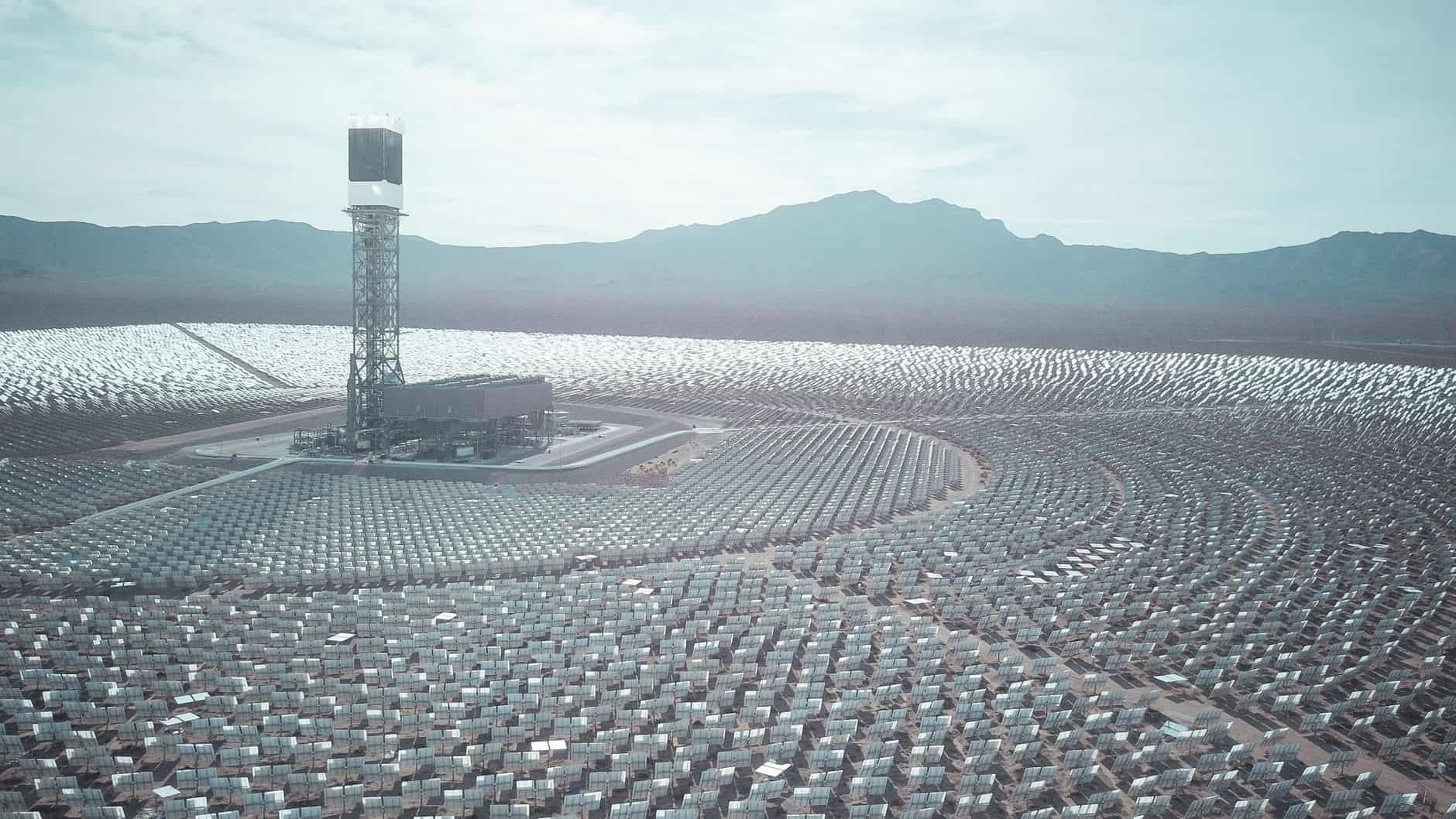
Israel’s First Solar Hedging Projects Launch
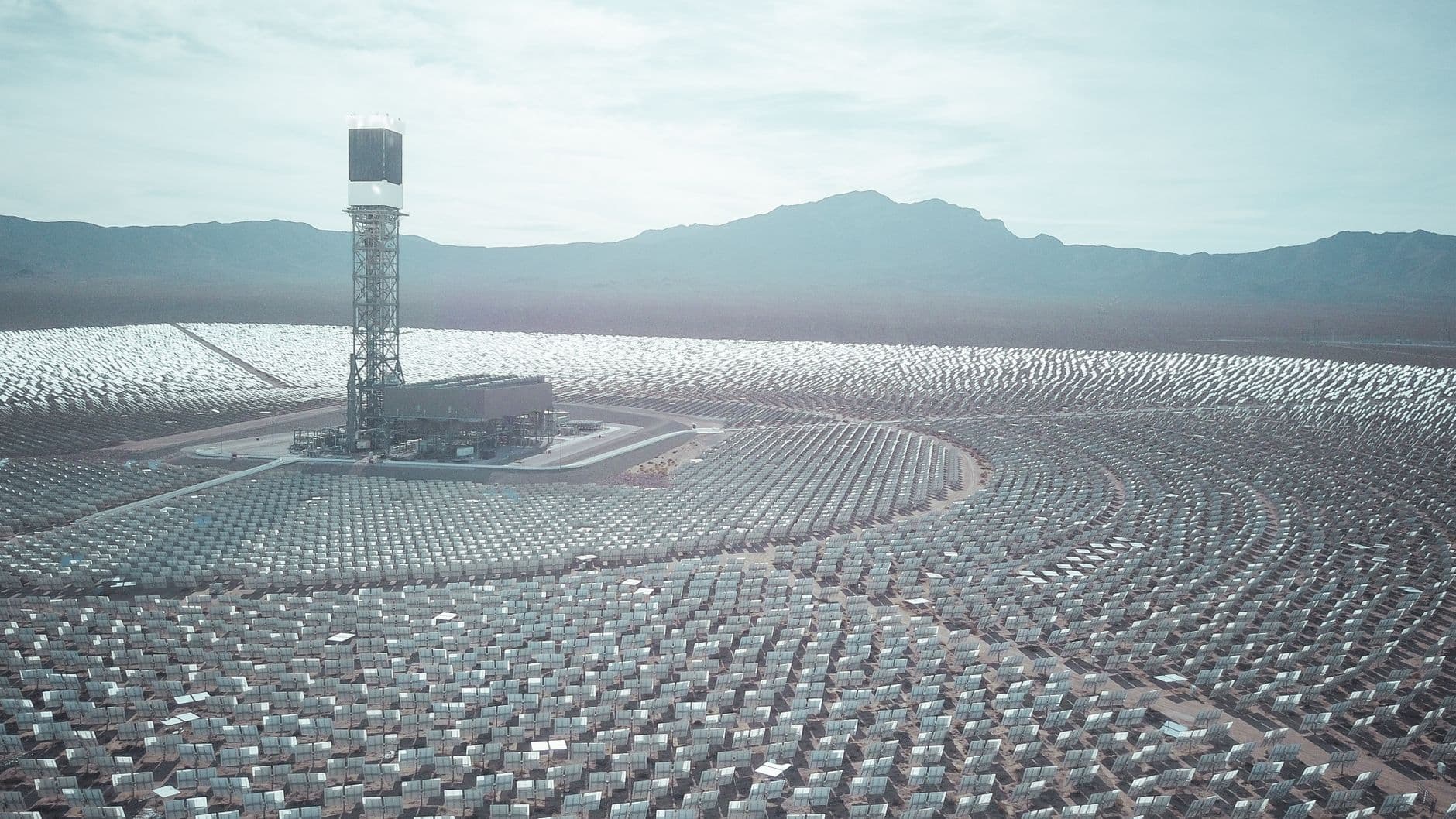
Tralight rolls out Israel’s inaugural solar‑hedging pilots
Tralight announced pilot projects that aim to use financial hedges to lock in revenue for solar power. The pilots combine conventional PV farms with power‑purchase‑agreement (PPA) contracts and futures swaps, aiming to stabilise cash‑flows amid volatile wholesale prices. Energy‑Box notes that the regulator’s recent tariff update is intended to boost solar installations.
What solar hedging actually means for producers
Solar hedging is a set of financial tools—PPAs, futures, options, and swaps—that let a generator fix the price of electricity months or years ahead of delivery. By doing so, developers protect themselves from market spikes and can secure financing more easily. The Montel guide explains that hedging “stabilises cash flows and reduces revenue risk for renewable projects.” Montel
Why the timing is right: Israel’s policy push and storage boom
Israel recently lifted its national renewable‑energy target to 30 % by 2030, with a goal of installing about 15 GW of solar capacity. Reglobal notes that large‑scale tenders and a new rooftop‑incentive scheme are already driving rapid growth. At the same time, companies like Enlight Renewable Energy are rolling out solar‑plus‑storage sites (e.g., the Yesha and Re’im projects) as part of a broader strategy to reach multiple facilities by the end of 2024. JPost
Financial snapshot: how a hedged 5 MW plant compares to market pricing
A 5 MW plant with a typical capacity factor generates roughly 8–9 GWh per year. Selling electricity at the residential feed‑in tariff would produce several million shekels of revenue, while a PPA that locks the price at a level close to the residential tariff provides predictable cash flow and can lower financing costs. This modest price concession is often offset by cheaper debt secured by the hedge.
What it means for Israel’s homeowners and businesses
Using the typical Israeli figures (residential tariff ₪0.48/kWh, installation cost ₪3 150/kWp, and a yield of 1 700 kWh/kWp / year in the central region), a 10 kWp rooftop system produces about 17 000 kWh/year, worth ₪8 160 in revenue. At a ₪31 500 upfront cost, the simple pay‑back is roughly 3.9 years. If a homeowner could lock that same production into a 10‑year PPA at a slightly lower tariff, the annual income would be modestly reduced, shaving a fraction of a year off the pay‑back and providing a guaranteed return despite future tariff changes. Our own solar ROI calculator lets you model such scenarios for any system size.
Outlook: hedging as a catalyst for Israel’s solar boom
Tralight’s pilots demonstrate that financial hedging can de‑risk projects enough to attract both local and foreign capital. As the Electricity Authority continues to refine tariffs and the IEC suspends retroactive service charges on rooftop panels Globes, more developers are likely to adopt PPAs and swaps. Combined with the national 30 % renewable target, hedging could help accelerate the deployment of the substantial additional solar capacity needed to meet the 2030 goals, turning price volatility from a barrier into a manageable financial tool.
Sources & further reading
- Enlight brightens Israel's energy sector with new solar storage units
- Israel lifts national RE target to 30%; plans 15 GW of solar power...
- FoE groups urge governments to cut ties with Israeli energy company
- Israel awards a 300 MW solar project to EDF in the Negev desert
- Israeli Companies Collaborate for Green Energy Projects in MENA
FAQ
What is a solar‑hedging project?
It’s a solar farm that pairs its electricity output with financial contracts—like PPAs, futures or swaps—to fix the sale price in advance.
Why are developers interested in hedging now?
Volatile wholesale prices make financing harder; hedging guarantees revenue, lowering loan costs and speeding up project approvals.
How much electricity will Tralight’s pilots generate?
Each 5 MW plant is expected to produce about 8.8 GWh per year, enough to power roughly 2,200 Israeli homes.
Can homeowners benefit from the same hedging ideas?
Yes—by signing a rooftop PPA at a fixed rate, a homeowner can lock in a predictable return and shave months off the pay‑back period.
What does Israel’s 30 % renewable target mean for solar?
It translates to roughly 15 GW of solar capacity by 2030, so projects like Tralight’s are stepping stones toward that goal.
Where can I calculate my own solar ROI?
Use our online [solar ROI calculator](/calculator) to model pay‑back times under different tariffs and hedging contracts.
Share this post
More from Markets
6
Cheap Power Will Reach Only a Few – Why?
Russia’s new low‑price electricity regime will benefit only large industrial and nuclear customers because the state raised nuclear tariffs to offset falling wholesale prices.
AI Data Centers Spark Solar Boom in Israel
Israeli renewable firms are targeting the AI data‑center boom, leveraging a solar market that’s growing at over 30 % CAGR to power next‑generation compute hubs.
Nigeria's Solar Gap: Why Tinubu Needs Backing Now
Nigeria’s grid supplies under 4,000 MW against a far larger need; solar capacity sits at just 112 MW, but a 3.7 GW expansion plan backed by a $500 m AfDB loan aims to turn the tide.
Turkey Launches 900 MW Solar Tender
Turkey will open a 900 MW solar tender on 13 October, part of its push to reach 120 GW of renewable capacity by 2035.

Spain’s 20‑GW Wafer Plant Fuels Europe’s Solar
Sunwafe secured a €200 million grant to build a 20 GW silicon wafer factory on a 30‑hectare site in northern Spain, a plant that could supply half of Europe’s wafer demand by 2030.
US Solar Module Prices Hold at $0.30/W
U.S.-assembled solar module prices held steady at $0.30 per watt in Q2 2026, driven by FEOC‑related divestitures and a fresh South Korean tariff petition.