Italy’s RECs Reach 303 MW – Impact
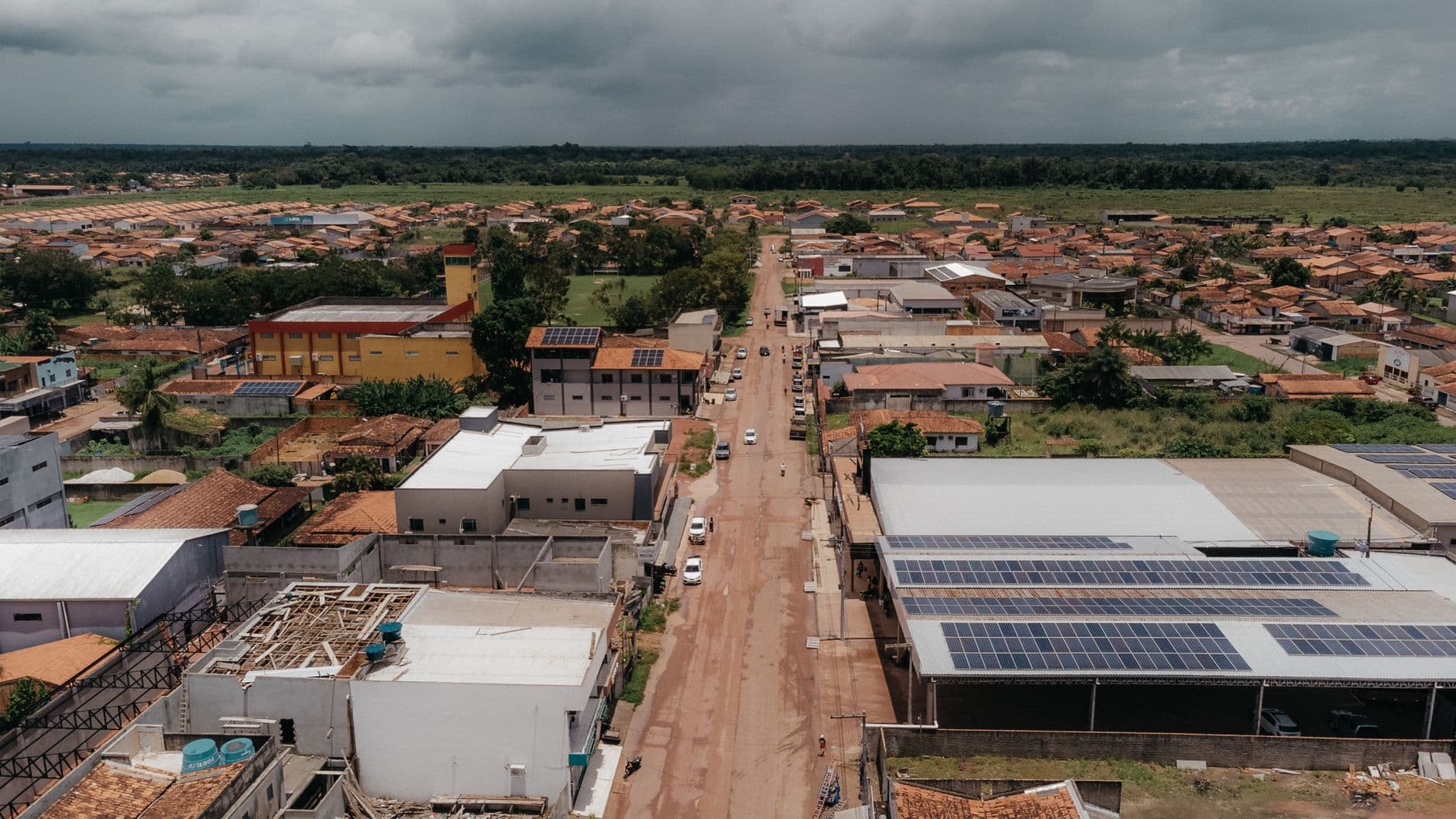
Italy now has 303 MW of operational renewable energy communities
Italy’s renewable energy community (REC) sector has crossed the 300 MW threshold, with 3,630 active RECs delivering a combined 302.9 MW of capacity as of June 30 2024 — the latest figures released by the Gestore dei Servizi Energetici (GSE).
The REC landscape is dominated by small‑scale installations
Nearly half of all RECs (1,673) are tiny systems of up to 10 kW, while only 35 communities exceed 1 MW. The total number of members, measured by connected points of delivery, stands at 37,821. This size distribution mirrors Italy’s broader PV market, where installations under 10 kW accounted for 85 % of new plants in 2024.
PNRR grants have unlocked €768 million for 1.74 GW of projects
Between April 2024 and November 2025, 29,820 applications were approved, translating into €768.3 million in grants covering 1.74 GW of capacity. An additional 15,456 pending applications represent €572.8 million and roughly 1.33 GW of potential capacity. The funding deadline is 31 August 2026, with project completion now extended to 31 December 2027.
Two‑track financing: a 20‑year tariff and a 40 % investment grant
The €5.7 bn scheme is split into:
- €3.5 bn for a 20‑year tariff on electricity consumed by self‑consumers and RECs, financed by a levy on all electricity bills.
- €2.2 bn for investment grants that cover up to 40 % of a project’s total cost. Both streams aim to lower the upfront barrier for citizens, small businesses and local authorities to generate and share renewable electricity.
Regional hotspots and eligibility hurdles
Lombardy led the charge with 7,434 applications, followed by Sicily with 6,598. The Aosta Valley lagged far behind, submitting only 208 applications, reflecting its smaller population. Many withdrawals occurred because applicants failed eligibility checks – common issues included missing grid‑connection quotes, construction permits, or exceeding the 1 MW cap through “artificial fragmentation”.
How Italy’s REC push fits the EU Green Deal
The European Commission approved the €5.7 bn aid under State‑aid rules, linking it to the Recovery and Resilience Facility and the EU’s Green Deal objectives. Italy’s national energy plan targets 39.4 % renewable energy in gross final consumption by 2030, and the REC programme is a key pillar to reach that ambition.
What it means for Israel
- Capacity comparison: Using typical Israeli solar yields, Italy’s 302.9 MW of REC capacity would generate a substantial amount of electricity each year, representing a significant value at the residential tariff.
- Household equivalence: Given the typical output of a 10 kWp system in Israel, the total REC generation could supply electricity to many tens of thousands of Israeli homes.
- Pay‑back insight: For an Israeli homeowner, a 10 kWp system costs ≈₪31,500 and yields ≈₪8,160 per year, giving a ≈3.9‑year simple payback. If a similar community model were introduced in Israel, the collective payback could be even shorter because the 20‑year tariff would guarantee a fixed revenue stream, mirroring Italy’s first funding stream.
- Policy lesson: Italy’s two‑track approach—long‑term tariff plus upfront grant—demonstrates a scalable way to de‑risk community solar projects. Israeli regulators could adapt this model, using the existing Electricity Authority framework, to accelerate the country’s goal of 30 % renewable electricity by 2030.
Outlook: scaling up before the 2026 deadline
The GSE expects the remaining eligible applications to be funded in upcoming award notices, potentially adding approximately 1.3 GW of REC capacity before the 31 August 2026 cut‑off. With the project‑completion deadline now pushed to end‑2027, Italy is positioned to showcase a mature, citizen‑driven renewable sector that other EU members—and Israel—can emulate.
What it means for Israel – A community‑solar model backed by long‑term tariffs and sizable grants could replicate Italy’s success, delivering clean power to tens of thousands of homes while meeting national renewable targets.
For deeper calculations, try our solar ROI calculator or explore the latest market data on our data page.
Sources & further reading
FAQ
How many renewable energy communities are active in Italy?
There are 3,630 active renewable energy communities (RECs) in Italy as of June 2024.
What is the total installed capacity of Italy’s RECs?
The combined operational capacity of all RECs is 302.9 MW.
How much funding has the PNRR granted for REC projects?
The PNRR has approved €768.3 million in grants covering 1.74 GW of capacity.
What are the two financing streams of Italy’s €5.7 bn REC scheme?
A €3.5 bn 20‑year tariff funded by a levy on all electricity bills, and a €2.2 bn investment grant covering up to 40 % of project costs.
Could Israel adopt a similar community‑solar model?
Yes – Italy’s mix of long‑term tariffs and upfront grants shows a viable path for Israel to boost community solar and meet its 30 % renewable target.
When must the current REC projects be completed?
Project completion has been extended to 31 December 2027, with grant awards due by 31 August 2026.
Share this post
More from Policy
6
EU Electrification Plan to Double Power Use
The EU’s Electrification Action Plan aims to double electricity’s share in final energy use to 46% by 2040, cutting annual fossil‑fuel imports by €240 bn and reshaping the market with price‑parity, grid upgrades and ETS reforms.
Inclusion Must Move Past Token Gestures
Inclusion in solar must move beyond token gestures to practical tools, gender‑neutral hiring and real leadership roles, a shift already shown to boost innovation and resilience worldwide.
China's New Solar Tax Could Raise Global PV Prices
China’s new 2‑4 % consumption tax on solar cells (and batteries) starts in 2027, potentially nudging up global module prices and modestly extending payback periods for Israeli rooftop installations.
Cable Rule Loosened, Solar Projects Accelerate
Israel has relaxed its power‑cable standards, permitting higher‑ampacity conductors that cut solar project wiring, modestly lower costs and accelerate deployments, helping the country move toward its 2030 renewable‑energy goal.
Israel Mandates Rooftop Solar on New Buildings
Israel’s new law forces rooftop solar on all new non‑residential buildings and adds fast‑track incentives, cutting the typical residential payback to under four years.
Giant Solar Farm Threatens Endangered Reptiles
Israel approved a 265 MW solar farm in the Negev that overlaps the habitat of protected reptiles, sparking a debate between renewable‑energy goals and desert biodiversity protection.