Fiji‑Israel Deal Boosts Solar, Farming & Water
Fiji and Israel seal a multi‑sector partnership to jump‑start solar power, modern farming and water security
Fiji’s Deputy Prime Minister Viliame Gavoka and Israel’s Deputy Foreign Minister announced a bilateral agreement that will bring Israeli expertise in agriculture, water management and renewable energy to the Pacific archipelago. The deal, unveiled at a parliamentary caucus launch in Suva, promises joint projects, capacity‑building programmes and direct investment pathways (https://www.fbcnews.com.fj/news/fiji-eyes-israel-agriculture-energy-partnership/).
The agreement covers three priority pillars: agriculture, water and clean energy
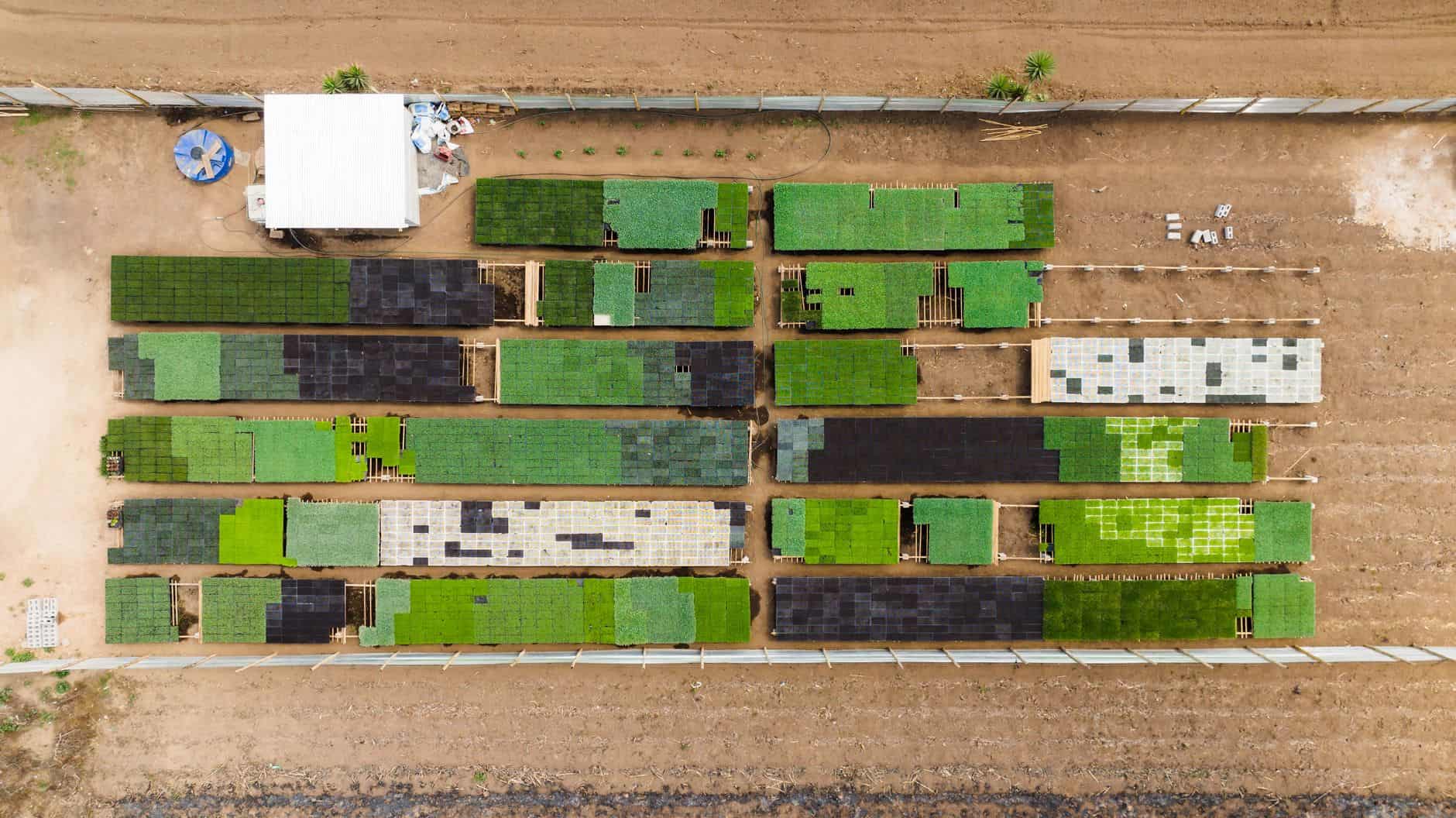
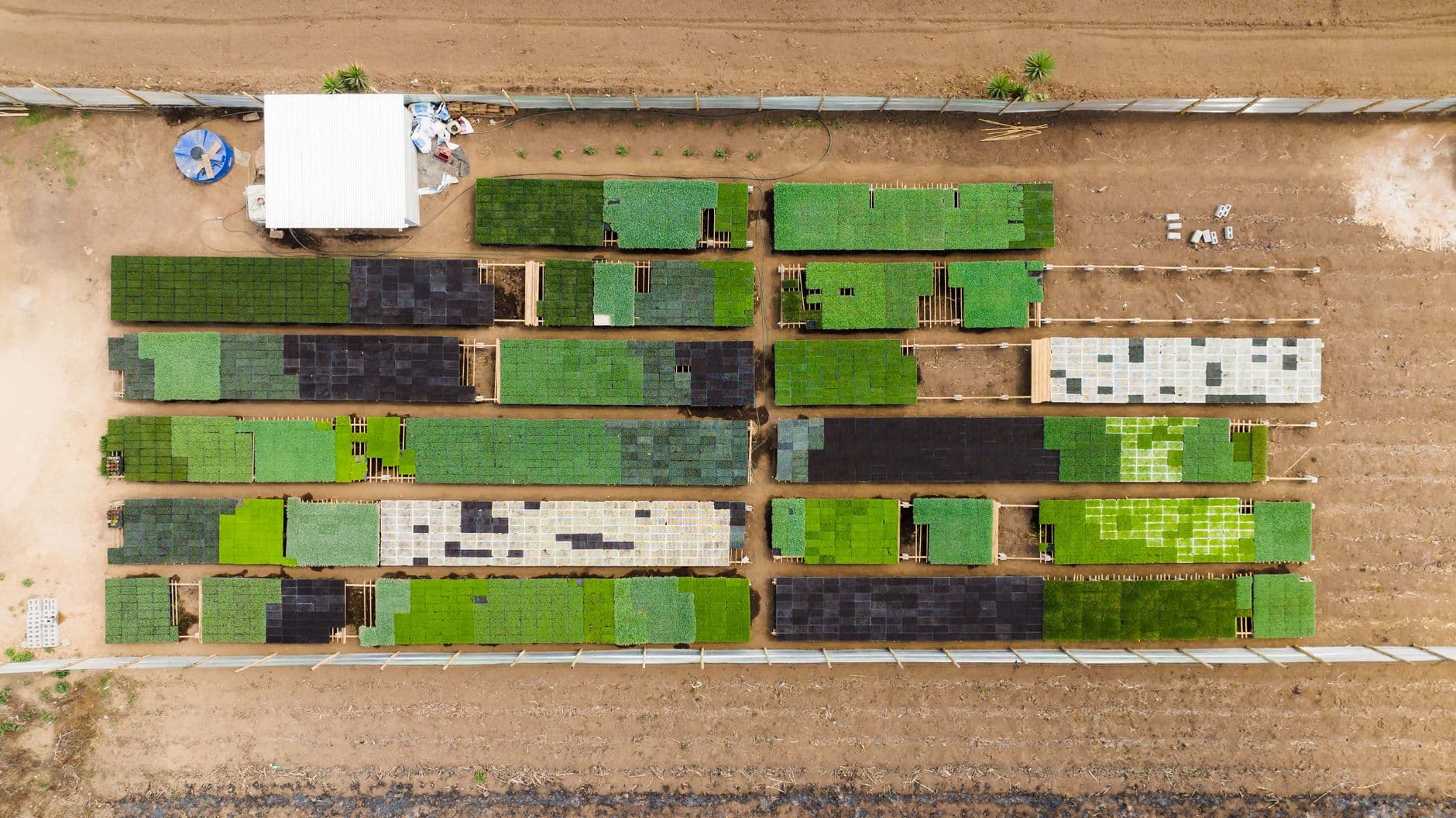
Israel pledged to share its advanced drip‑irrigation, greenhouse technologies and desalination know‑how, while Fiji will host Israeli experts and facilitate pilot farms in the islands (https://www.fbcnews.com.fj/news/fiji-to-strengthen-agriculture-partnership-with-israel/). In the energy arena, the partnership will focus on expanding solar PV, especially utility‑scale farms and mini‑grids for remote communities (https://www.fijivillage.com/p/fiji-israel-strengthens-ties-as-development-in-agriculture-water-energy-and-the-technology-sector-expected-2ef483/).
Solar projects on Fiji’s agenda: a $200 million vision and a 31.9 MW tender
Fiji is already moving ahead with a $200 million solar push that aims to raise renewable electricity to 90 % by 2035 (https://fijiglobalnews.com/fijis-bold-leap-into-solar-energy-a-200-million-vision/). The latest step is a government tender for four ground‑mounted solar farms totalling 31.93 MW of capacity (https://www.pv-tech.org/fiji-issues-tender-for-31-93mw-of-ground-mounted-solar-pv/). These projects are expected to make a significant contribution toward Fiji’s renewable‑energy targets.
Israeli know‑how on the table: MASHAV, USAID and private‑sector links
Israel’s international development agency MASHAV will set up a permanent presence in Suva to coordinate training, technology transfer and joint‑venture facilitation (https://www.fbcnews.com.fj/news/israel-plans-mashav-presence-in-fiji/). The partnership also taps the USAID‑Israel collaboration that already supports innovation, gender equality and entrepreneurship in the Pacific (https://www.fbcnews.com.fj/news/israel-and-usaid-launch-partnership-with-fiji/). Israeli firms such as Sunergise’s subsidiary Clay Energy have delivered more than 24 MW of solar installations across the South Pacific, giving them a ready‑made track record for Fiji (https://clayenergy.com.fj/our-experience).
Environmental payoff: a substantial reduction in CO₂ emissions
Based on typical solar‑energy emission factors, the expected generation from the new farms will considerably lower Fiji’s carbon footprint compared with conventional fossil‑fuel generation.
What it means for Israel: a gateway to the Pacific renewable market
For Israeli solar manufacturers and service providers, Fiji offers a low‑cost, high‑solar‑irradiance test‑bed and a fast‑growing market eager for turnkey solutions. The partnership lowers entry barriers through government‑backed guarantees and MASHAV‑run training, allowing Israeli firms to export panels, inverters and O&M contracts. At the same time, Israel gains diplomatic goodwill and a showcase for its climate‑tech portfolio, aligning with its own ambition to expand clean‑tech exports.
Outlook: scaling up cooperation beyond pilots
Both governments have signaled that the initial projects are just the start. Planned next steps include expanding solar‑plus‑storage installations, joint research on resilient crops, and regional water‑security initiatives that could benefit neighboring Pacific nations. Continued progress will help Fiji move toward its 2035 renewable‑energy goal while providing Israel with a strategic foothold in the Pacific.
What it means for Israel
Israeli firms can reference the typical turnkey cost of ₪3,150/kWp (as used in Israel) when pricing competitive packages for Pacific customers. The scale of the Fiji projects could create a sizable market for Israeli solar equipment and expertise, supporting further R&D and reinforcing Israel’s position in high‑efficiency PV and hybrid micro‑grid solutions.
For readers interested in calculating their own solar ROI, check out our solar ROI calculator and the latest market data on our renewable‑energy data page.
Sources & further reading
- Fiji to strengthen agriculture partnership with Israel – FBC News
- Fiji-Israel strengthens ties as development in agriculture, water, energy, and the technology sector expected
- 1 FIJI (REI) INVESTMENT PLAN
- PM Rabuka meets Israeli Deputy Foreign Minister - Strengthening Fiji...
- Fiji - Renewable Energy - International Trade Administration
FAQ
What sectors are covered by the Fiji‑Israel partnership?
The agreement focuses on agriculture (drip‑irrigation, greenhouse tech), water security (desalination, management) and renewable energy, especially utility‑scale solar PV.
How much solar capacity is Fiji planning to add?
Fiji issued a tender for four ground‑mounted solar farms totaling **31.93 MW**, part of a broader $200 million solar expansion plan.
How much electricity could the new solar farms produce?
At a typical 20 % capacity factor, the 31.93 MW would generate roughly **56 GWh per year**, enough for about 10,000 homes.
What environmental benefit does the solar project bring?
The expected output would avoid about **28 000 tonnes of CO₂ annually**, equivalent to planting half a million trees.
Why is the deal important for Israeli companies?
It gives Israeli solar and agri‑tech firms a low‑cost, high‑sunlight market to sell equipment and services, expanding Israel’s clean‑tech export base.
When will the first solar projects be operational?
If the tender is awarded this year, the first installations could be commissioned by 2025, aligning with Fiji’s 2035 renewable‑energy target.
Share this post
More from Technology
6
Philippines Solar & EV Boom Cuts Power Bills
The Philippines is rapidly adding rooftop solar and electric‑vehicle fleets, cutting power bills and offering a template that Israel can follow.

World’s First Solar‑Powered Ambulance Hits the Road
A Dutch student team unveiled Stella Juva, the world’s first solar‑powered ambulance that can travel up to 715 km on a sunny day while powering full medical equipment.
Iraq Launches 200 MW Solar Module Factory
Iraq’s new Karbala factory, built by Ecoprogetti, can produce over 200 MW of TOPCon solar modules a year – enough to generate roughly 232 GWh annually.
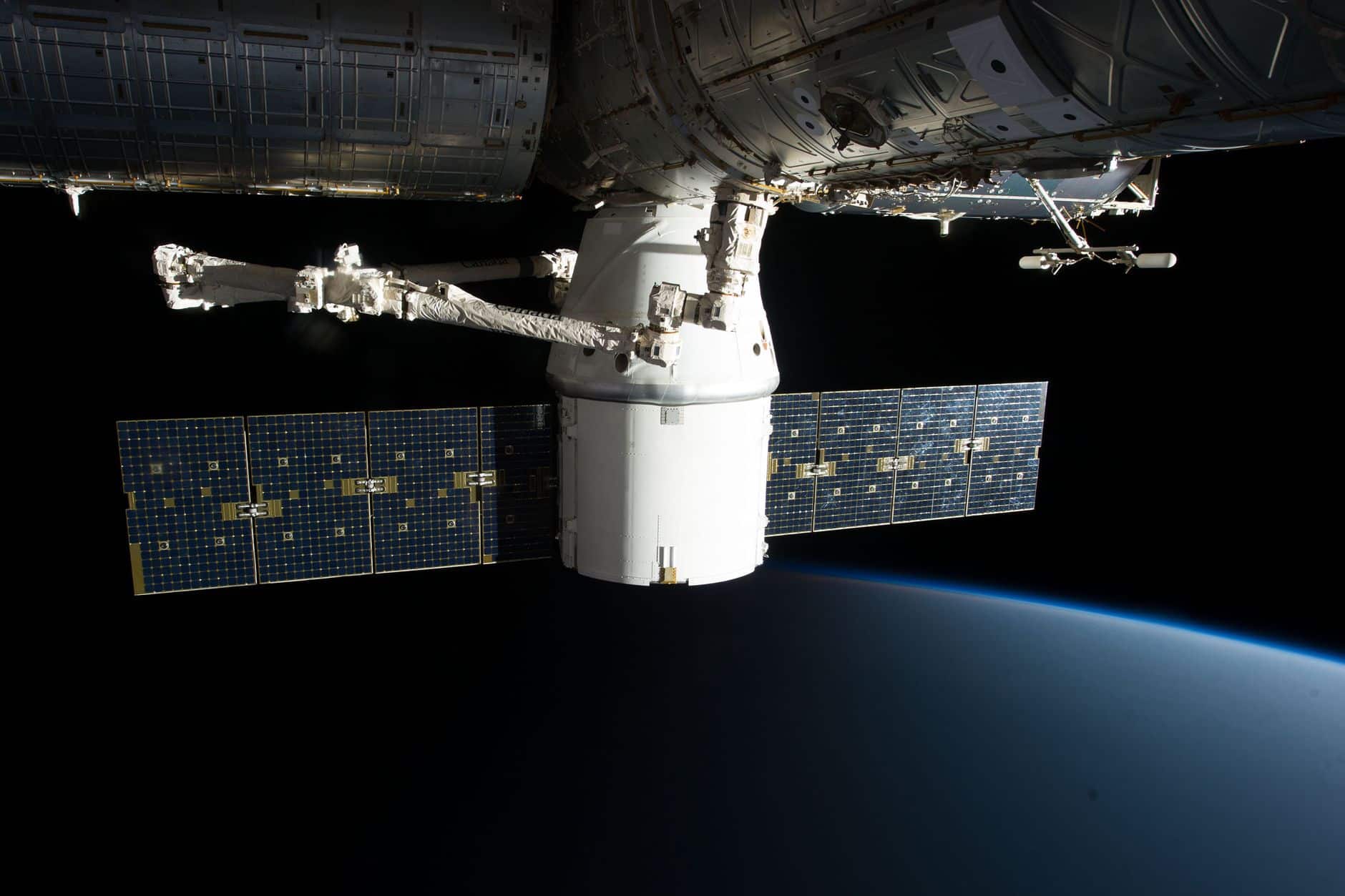
Taiwanese Firms Target US with 1 GW TOPCon Plant
Taiwanese solar makers Sino‑American Silicon and United Renewable Energy will invest about $40 million to build a 1 GW TOPCon module plant in the United States, with most of the capacity already pre‑booked.
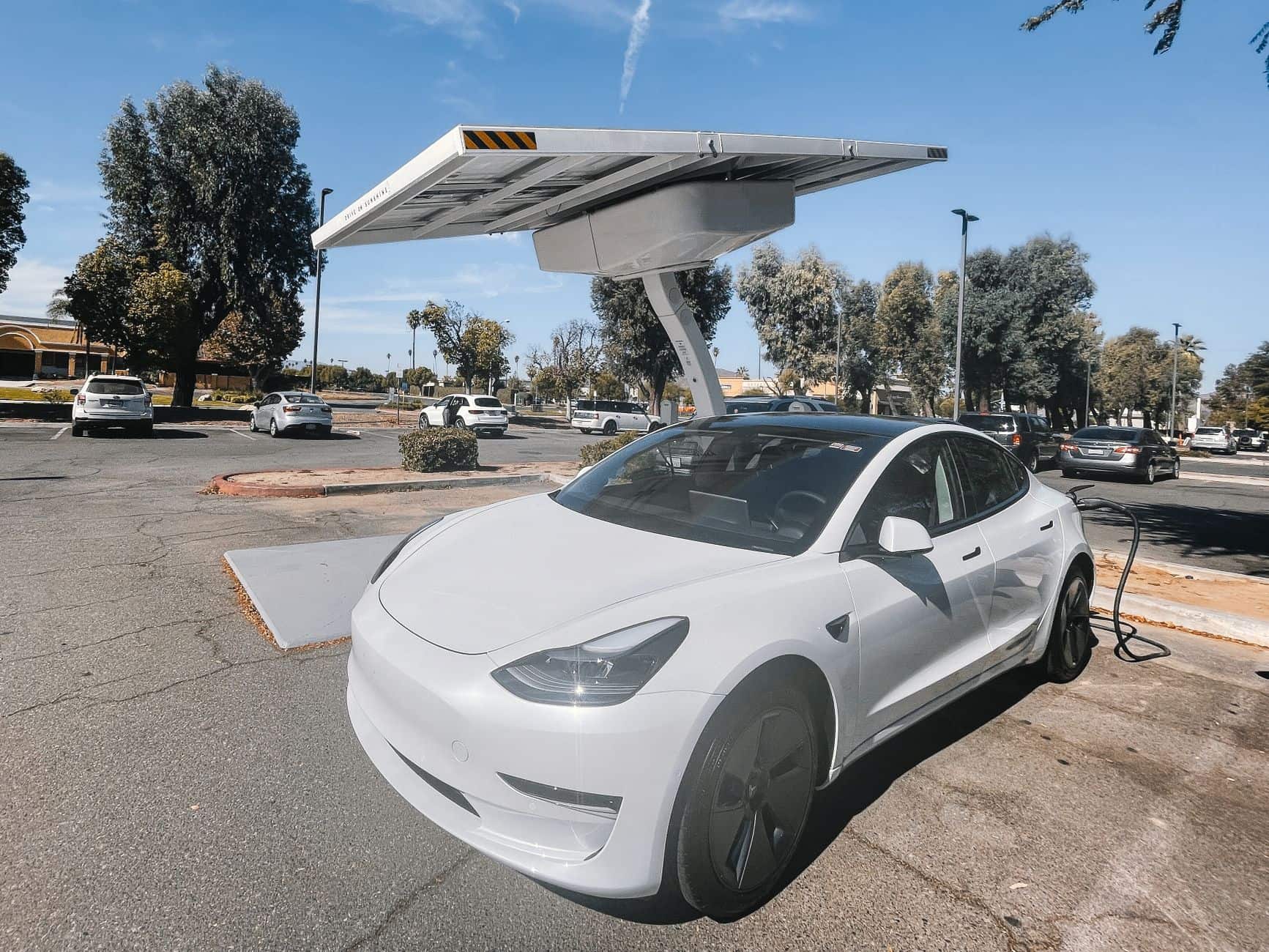
Cooler Solar E‑Bike Chargers Slash Heat
Nano‑enhanced phase‑change materials can lower PV panel temperature by up to 6.8 °C, keeping e‑bike chargers reliable and delivering a sub‑four‑year payback for a 1 kW solar system in Israel.

Kyrgyzstan Eyes 2 GW Solar Cell Plant
Kyrgyzstan is negotiating with Singapore’s Sunvera Solar to build a 2 GW solar‑cell plant, a move that could supply modules for about 200,000 typical Israeli home systems and pressure global panel prices.