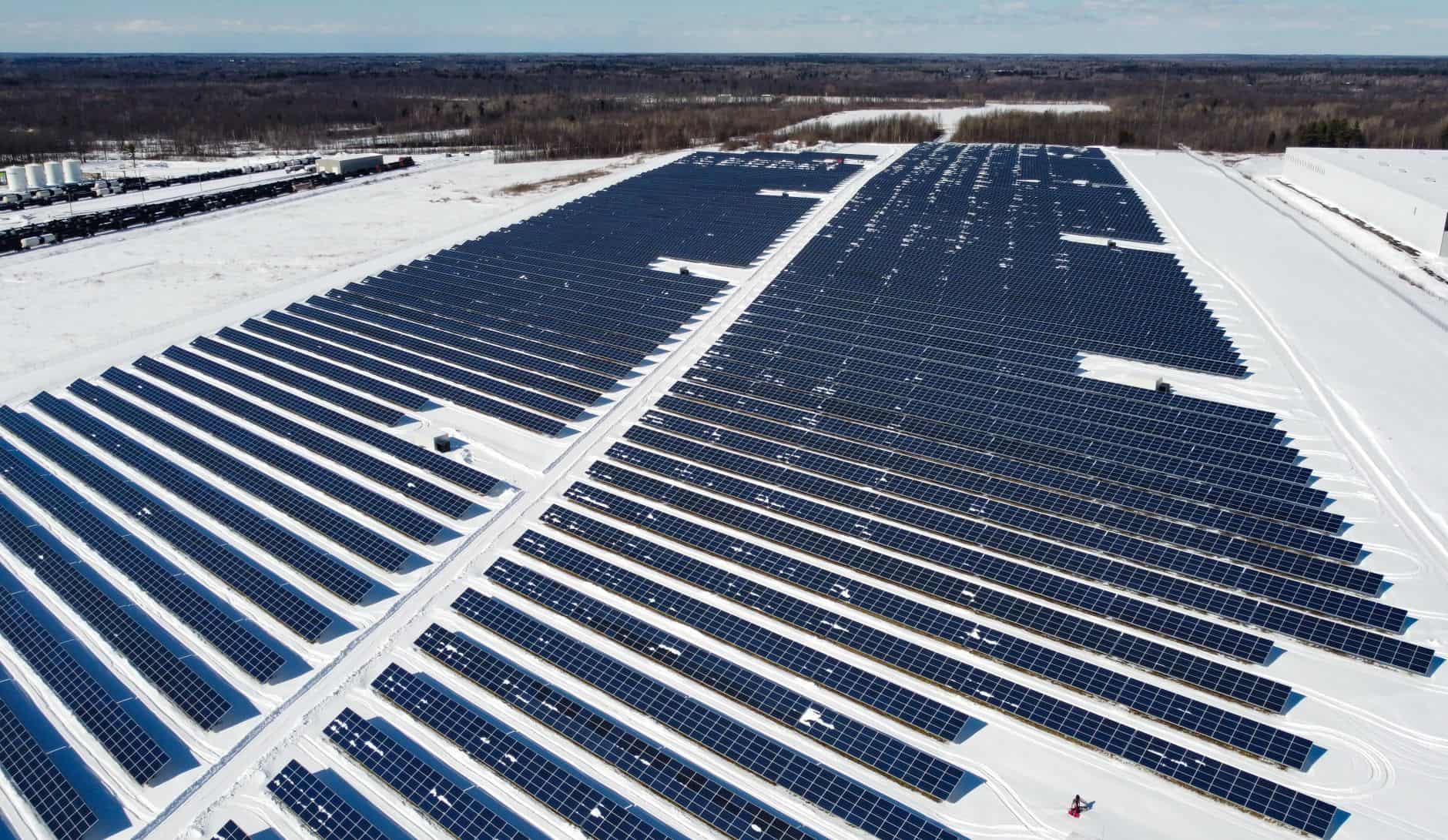
China’s Solar Build Slows 66% in H1 2026
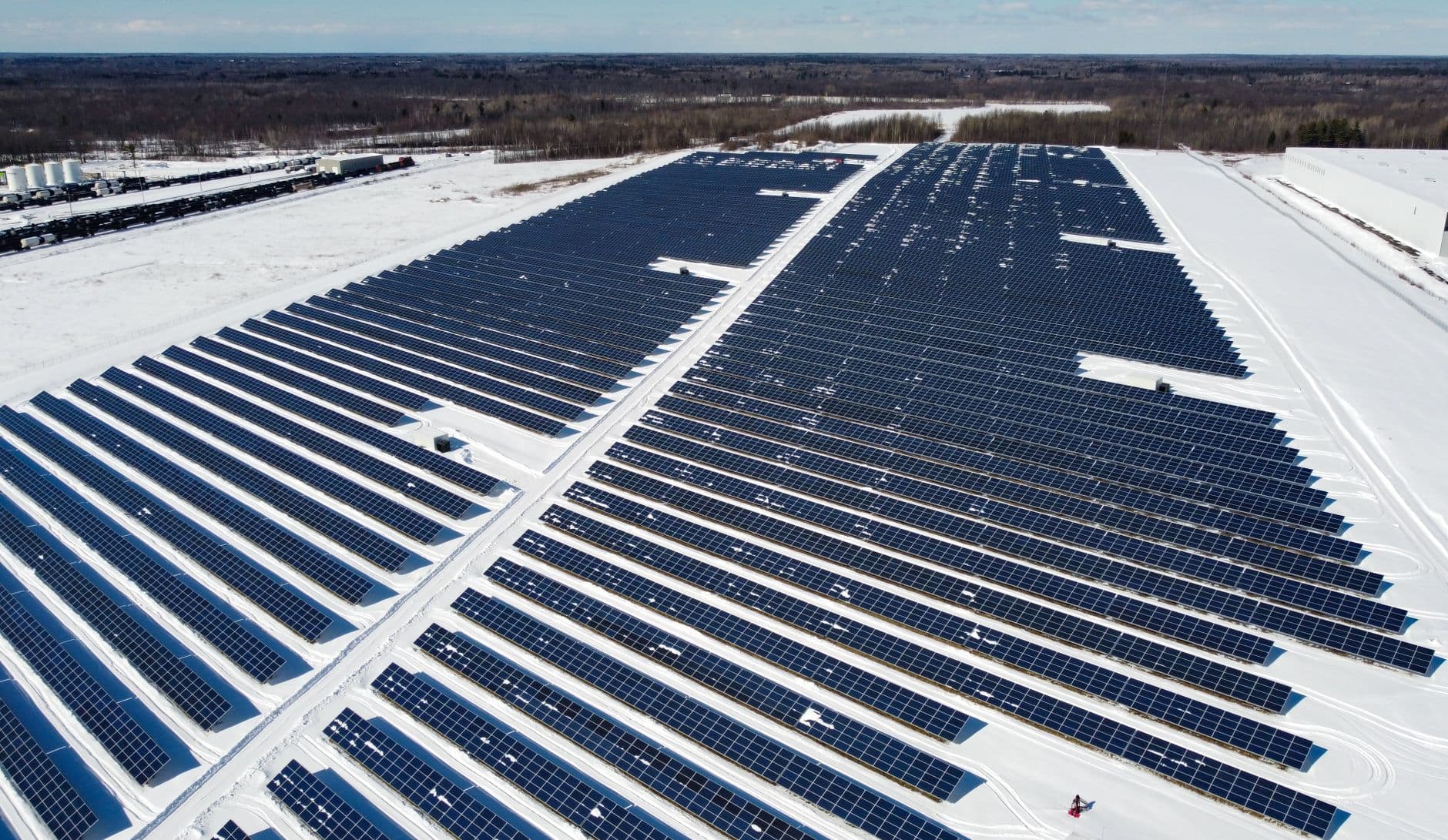
China added just 72 GW of solar in the first half of 2026 – a 66 % YoY drop
China’s National Energy Administration reported that 72.07 GW of new solar capacity was installed in H1 2026, down 66.04 % from the same period a year earlier. The slowdown follows a record‑high pace in previous years and puts the country’s cumulative solar stock at 1.27 TW, still the world’s largest portfolio but growing at a markedly slower rate. By contrast, Rystad Energy notes that China is on track to top 1 TW of solar by the end of 2026, although the path to that milestone is now flattening after a rapid surge from 500 GW in 2023.
Shenzhen Energy’s first overseas venture: a 50 MW Ghana plant
Shenzhen Energy’s subsidiary Sunon Asogli Power (Ghana) Ltd. announced a US$34 million investment to build a 50 MW solar farm in Ghana’s Savannah Region, its first project outside China. The plant will use 540 W bifacial monocrystalline modules and 300 kW string inverters, and will include new 161 kV transmission infrastructure to tie into the existing grid. This reflects a growing interest by Chinese developers in African markets.
Dinto Solar wins a 1 GW HJT module contract with China Datang
Dinto Solar secured a 1 GW supply order for heterojunction (HJT) modules in China Datang Corp.’s 2026‑27 PV‑module framework tender. The tender totals 11 GW and is split into 6 GW of N‑type TOPCon, 1 GW of N‑type HJT (the Dinto win) and 4 GW of N‑type back‑contact modules. The award highlights confidence in HJT as a high‑efficiency technology.
Polysilicon and wafer prices keep slipping amid weak demand
The China Non‑ferrous Metals Industry Association reported that N‑type recharging polysilicon traded at an average CNY 32,000 / ton in the week to 22 July, down 1.54 % week‑on‑week. N‑type wafer prices also fell, with G10L wafers at CNY 0.83 / piece (‑2.35 %) and G12R wafers at CNY 0.93 / piece (‑2.11 %). Manufacturers’ operating rates stayed roughly steady (mid‑50 % to low‑60 %), indicating that the price pressure stems mainly from inventory build‑up and cautious downstream buying rather than plant shutdowns.
What it means for Israel’s solar market
The slowdown in China’s add‑on capacity and the continued price dip in polysilicon and wafers could potentially lead to cheaper module imports for Israel. Using the typical Israeli residential install cost of ₪3,150 /kWp, a 10 kWp rooftop system would cost around ₪31,500. At the standard residential feed‑in tariff of ₪0.48 /kWh, the same 10 kWp system (producing roughly 17,000 kWh / yr in the central region) would generate about ₪8,160 of electricity value annually, keeping the simple payback period close to four years. In practice, modest module‑cost reductions improve the economics of larger commercial installations, helping Israel move toward its 30 % renewable electricity target for 2030.
Outlook: slower growth, but technology upgrades keep momentum
While China’s overall solar build‑out has decelerated, the country continues to push high‑efficiency technologies such as HJT and TOPCon, and it is expanding abroad with projects like the Ghana farm. The price softness in polysilicon and wafers may sustain a competitive global market, benefitting downstream installers worldwide, including Israel. Analysts expect China’s annual solar additions to remain at a slower but steady pace for the remainder of 2026, enough to keep the global supply chain active while the industry refocuses on efficiency gains and overseas expansion.
Key takeaways
- China installed 72 GW of solar in H1 2026, a 66 % YoY decline.
- Shenzhen Energy is investing $34 M in a 50 MW Ghana project – its first overseas solar venture.
- Dinto Solar landed a 1 GW HJT module contract in China Datang’s 2026‑27 tender.
- Polysilicon fell to CNY 32,000 / ton and wafer prices dropped 2‑3 % week‑on‑week.
- Israeli rooftop owners could see modest module‑cost savings, preserving a payback of around four years.
Sources & further reading
- China's solar capacity surges; predicted to top 1 TW by 2026
- Chinese PV Industry Brief: H1 solar additions total just 72 GW - pv magazine Global
- China Adds 41.39 GW Solar PV In Q1 2026 As Growth Slows
- China added 11GW of new PV capacity in July, down 48% year-on...
- China's Solar Capacity Tops 1.27 TW but Capacity Additions Drop...
FAQ
Why did China’s solar additions fall so sharply in H1 2026?
Weak demand, high inventories and cautious downstream buying led to a 66 % YoY drop, even though overall capacity still grew to 1.27 TW.
What technology is Dinto Solar supplying to China Datang?
Dinto Solar will provide heterojunction (HJT) modules, a high‑efficiency cell type that outperforms traditional PERC panels.
How much is the Ghana project worth?
Shenzhen Energy is investing US$34 million to build a 50 MW solar farm in Ghana’s Savannah Region.
Are polysilicon prices falling globally?
In China, N‑type polysilicon fell to an average of CNY 32,000 / ton in July, down 1.5 % week‑on‑week, reflecting soft demand.
What does the price drop mean for Israeli homeowners?
A typical 10 kWp rooftop system could be about ₪630 cheaper, keeping the payback period around four years at the residential tariff of ₪0.48 /kWh.
Will China’s slower build affect global solar supply?
The slowdown may temper global capacity growth, but continued high‑efficiency module orders and overseas projects keep the supply chain active.
Share this post
More from Markets
6
Nofar Energy Gets NIS 200 M Boost from Meitav
Nofar Energy secured a NIS 200 million investment from Meitav, gaining an 8.7 % stake and funding up to 90 MW of new solar‑plus‑storage projects in Israel.
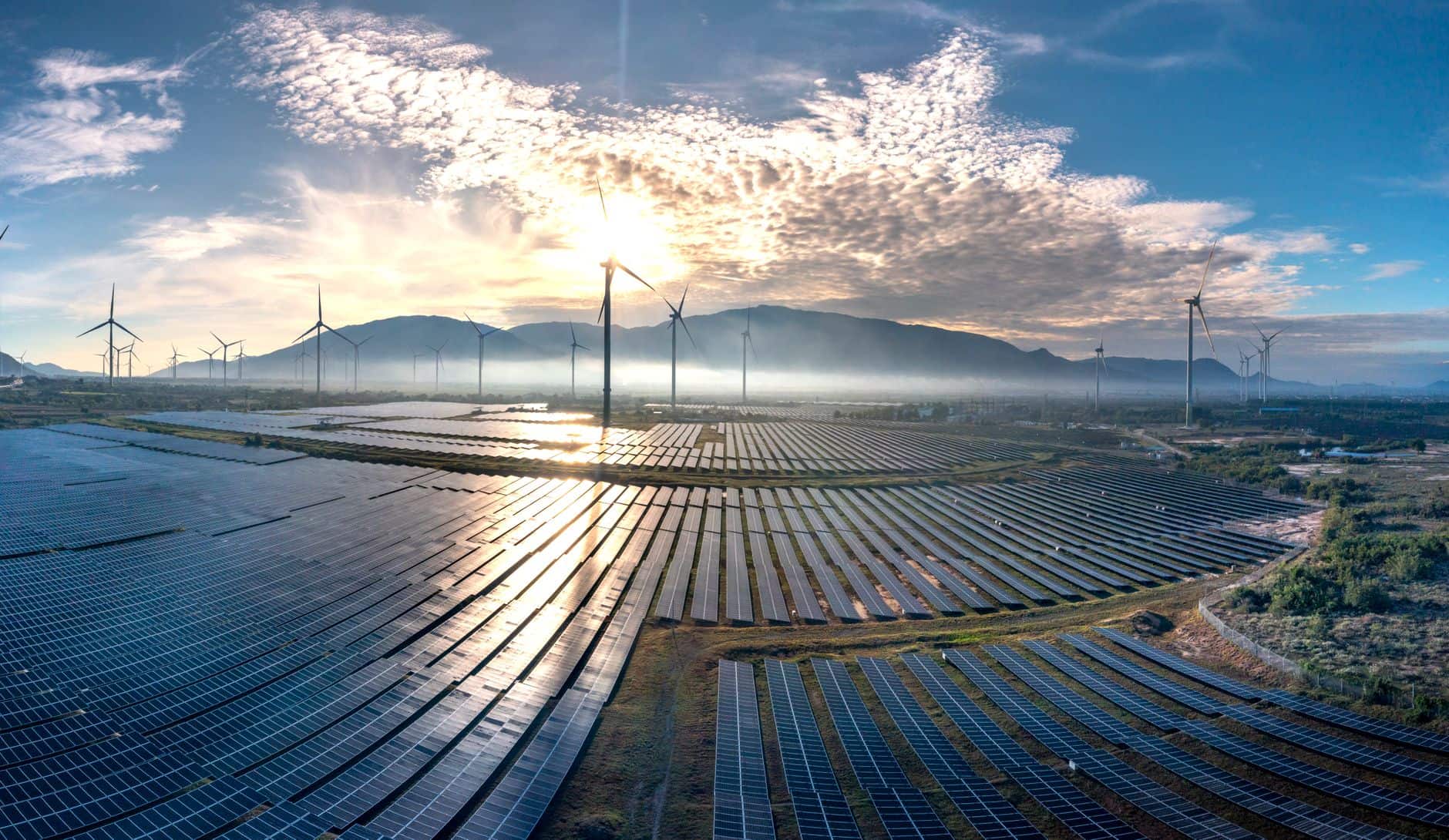
Australia's Renewable Surge Hits Record 9.1 GW
Australia’s NEM recorded a record 9.1 GW of new solar, wind and battery capacity in FY 2025/26, with batteries now making up over half of the pipeline.
Solar, Batteries Defy Global Shock Costs
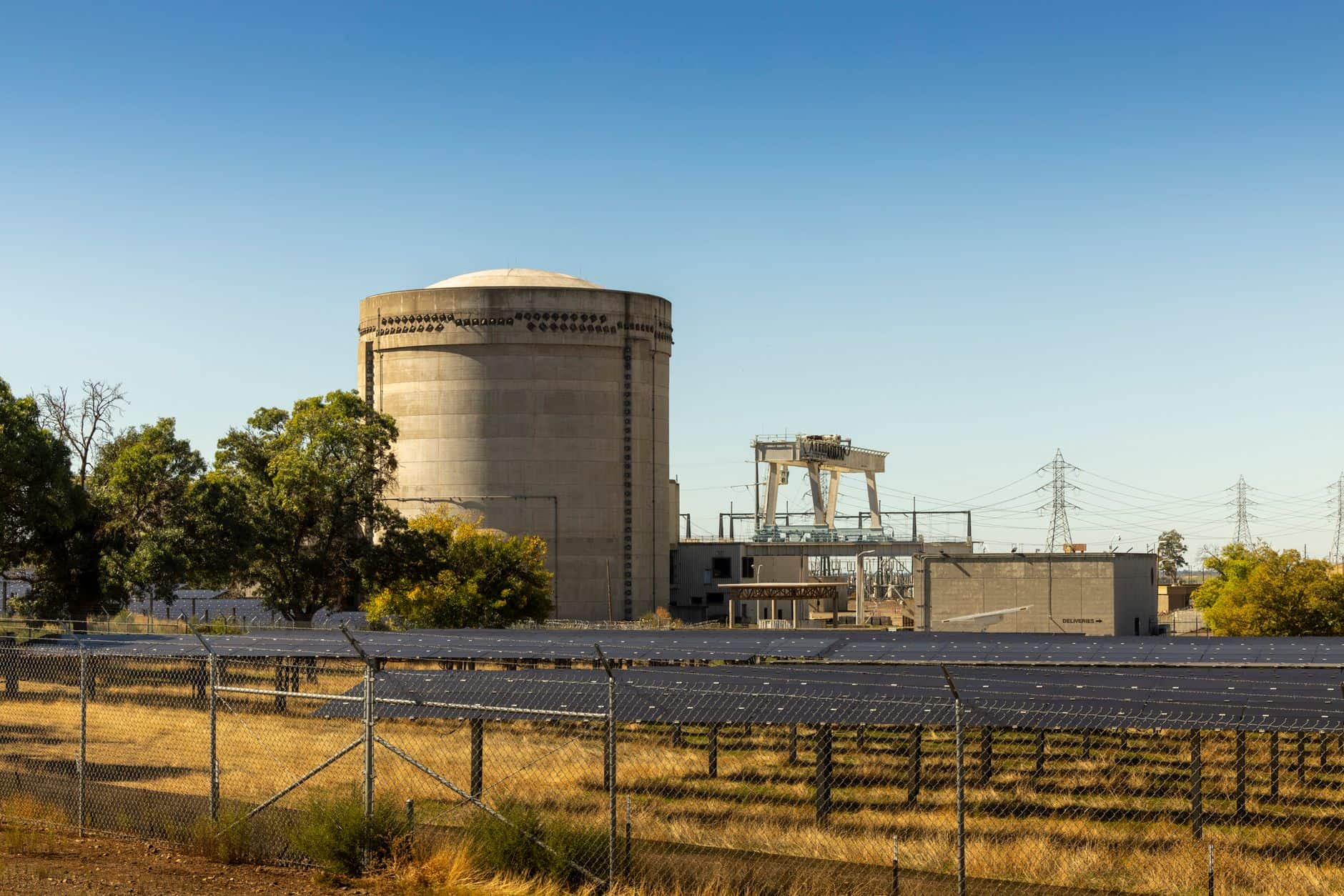
GenCost shows solar PV and battery costs keep falling despite global crises, driving Australian wholesale prices from a peak of AU$189/MWh down to AU$60‑80/MWh, while gas turbines and wind face rising costs.
India's Solar Leap: From Imports to Exports
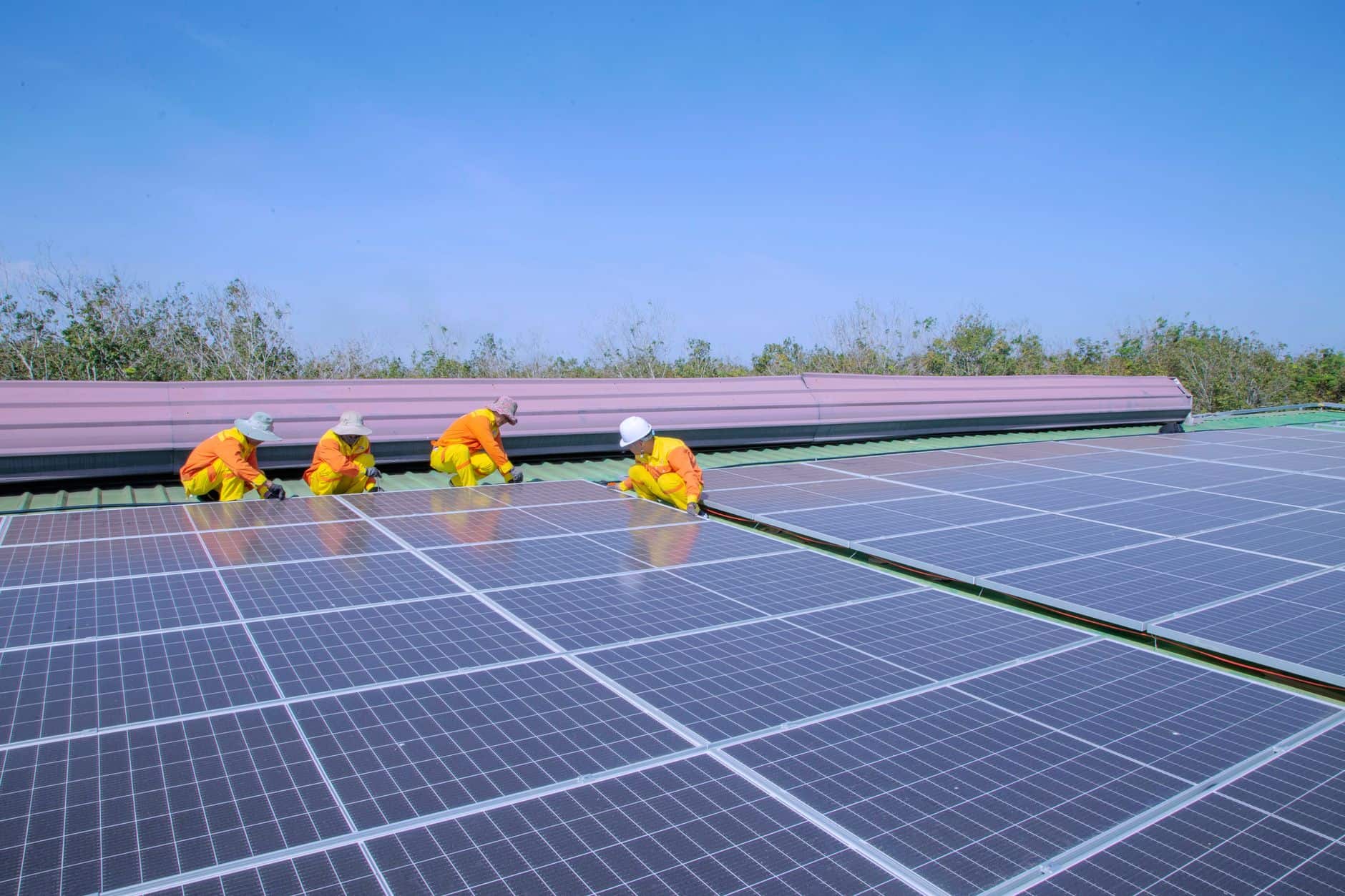
India has transformed from a solar‑component importer to a $2 billion PV‑module exporter, thanks to the Production‑Linked Incentive scheme and strict local‑content rules.
South Korea’s 1 GW Solar Tender Hits Record Low
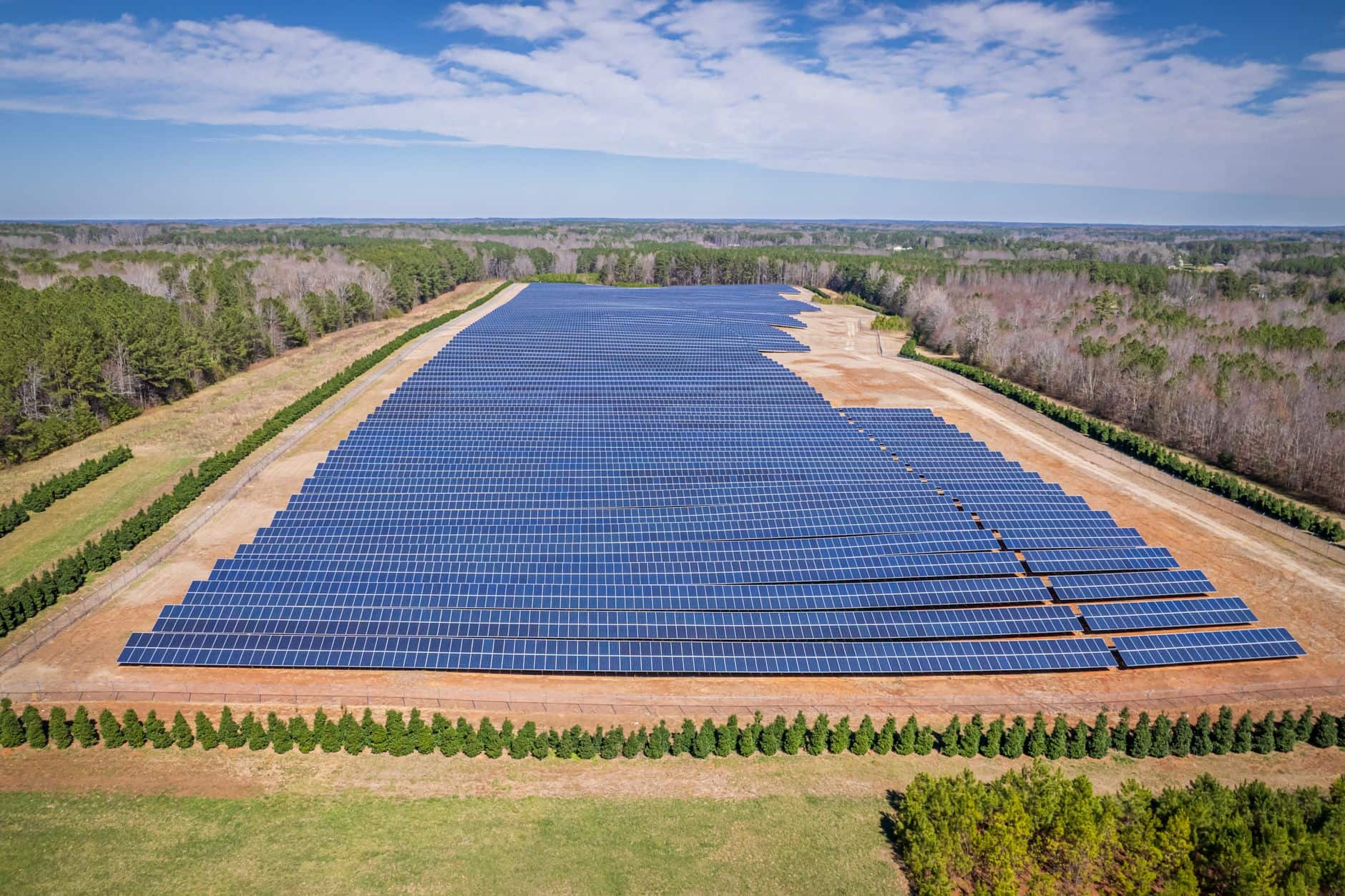
South Korea’s new 1 GW solar tender caps bids at KRW 147,686/kWh (≈ $99.46 /MWh), a 5 % drop from last year, and adds premiums for low‑carbon modules.
Israel Adds 900 MW Solar in 2024 – What It Means
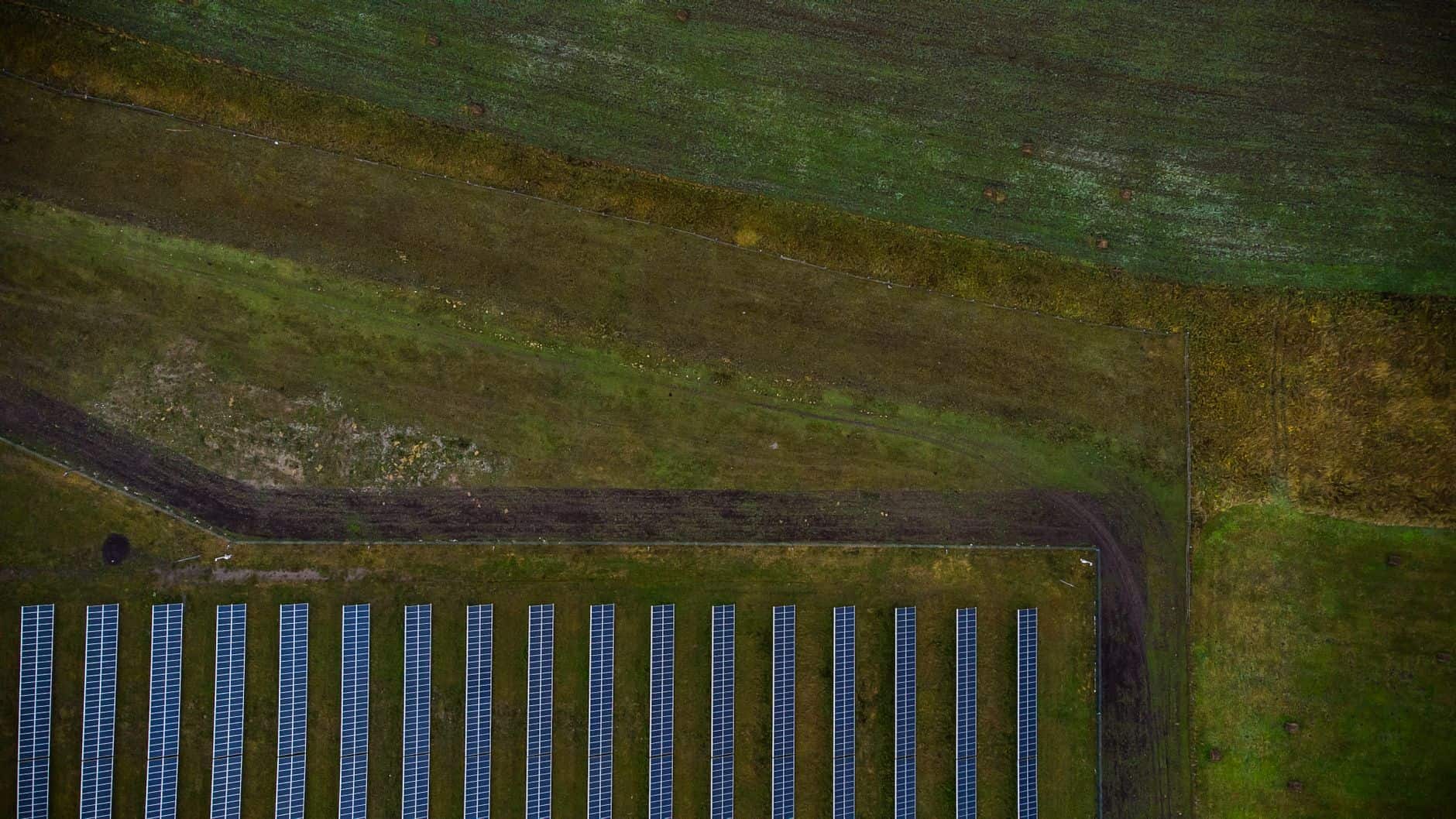
Israel installed about 900 MW of new solar PV in 2024, most of it under merchant PPAs, marking a shift from tendered projects and moving the country toward its 30 % renewable‑energy goal.