Record Solar Growth Fuels Renewables 24/7 Vision
The Smarter E 2026 packs 2,662 exhibitors into a fully‑booked Munich hall
The Smarter E Europe trade fair in Munich in June 2026 hosts 2,662 exhibitors, a slight dip from the roughly 2,700 shown in 2025, but every one of the 19 halls and the full 206,000 m² of exhibition space are completely occupied. Organiser Solar Promotion’s managing director Markus Elsässer called the sell‑out a sign that the industry’s appetite for a live showcase is stronger than ever, especially with an expected ≈100,000 visitors strolling the aisles.
Renewables 24/7 is the fair’s headline promise – power all day, every day
The special exhibition titled “Renewables 24/7” is billed as the event’s “absolute highlight”. It showcases how photovoltaics, battery storage, electromobility and digital energy management can together deliver continuous, carbon‑free electricity. As Jørgen Rystad explained, the sector already supplies round‑the‑clock power in many markets, and the fair is meant to prove that the remaining gaps are technical, not resource‑based.
Global solar deployment hit a new record – 664 GW added in 2025
SolarPower Europe’s Global Solar Market Outlook 2026‑2030 confirms that 664 GW of new solar PV capacity was installed worldwide in 2025, pushing the global fleet past the 3 TW mark. This underscores a persistent trend of under‑estimation that Rystad highlighted at the opening.
Germany’s 2045 grid plan relies on 140 GW of dispatchable power, mostly hydrogen
A Fraunhofer ISE study commissioned by The Smarter E ("Cost‑Optimal Transformation of the German Energy System by 2045") models a future where ≈140 GW of dispatchable capacity – two‑thirds of it hydrogen‑based – will back a system that exceeds 900 GW of total installed capacity. That dispatchable share is only ~15 % of the total, because ≈90 % of annual generation (over 1,600 TWh) will come from wind and solar.
Photovoltaics now provides 19 % of Germany’s net electricity, second only to wind
The German PV association BSW‑Solar reported that solar power accounts for 19 % of net electricity generation, making it the country’s second‑largest source after wind. The association warned that upcoming policy moves – such as the federal “grid package” and cuts to small‑rooftop remuneration – could slow this momentum if not adjusted.
Why the dreaded “Dunkelflaute” is less critical than feared
The ISE study’s authors, Charlotte Senkpiel and Christoph Kost, argue that the low‑wind, low‑solar “Dunkelflaute” period affects only ~1 % of hours per year and therefore has a modest impact on electricity pricing. With abundant storage and a growing share of hydrogen‑based dispatchable plants, the German grid can absorb these rare dips without jeopardising supply.
What it means for Israel’s rooftop solar market
For Israeli homeowners, the global surge translates into a clear economic case for installing PV now. Using the typical Israeli figures – ₪3,150/kWp installation cost, ≈17,000 kWh/year production for a 10 kWp system in the central region, and a residential feed‑in tariff of ₪0.48/kWh – the system generates ≈₪8,160 of electricity value each year. At a ≈₪31,500 upfront cost, the simple pay‑back is about 3.9 years, after which the system continues to earn revenue for the remainder of its ≈25‑year life. Compared with the German ambition to reach >900 GW by 2045, Israel’s target of 30 % renewable electricity by 2030 is modest, but the same cost‑decline dynamics that enabled Europe’s record year are already evident in Israel’s market.
The bigger picture – a global push toward 24/7 clean power
The convergence of three trends – record‑breaking solar installations, Germany’s detailed pathway to a hydrogen‑rich dispatchable fleet, and the industry‑wide “Renewables 24/7” narrative – signals that continuous clean electricity is becoming a realistic goal, not a distant dream. For investors, policymakers and everyday citizens alike, the message is clear: the technology is there, the economics are improving, and the next decade will be defined by how quickly regulatory and grid‑integration hurdles are cleared.
Explore more: Use our solar ROI calculator to model your own pay‑back, or browse the latest market data on our solar data page.
Sources & further reading
FAQ
How many exhibitors are at The Smarter E 2026?
The fair hosts 2,662 exhibitors, filling all 19 halls and the full 206,000 m² exhibition space.
What does “Renewables 24/7” mean?
It’s the concept that wind, solar and storage can together provide continuous, carbon‑free electricity every hour of the year.
How much new solar capacity was installed globally in 2025?
SolarPower Europe reports a record **664 GW** of new PV capacity added in 2025.
What share of Germany’s electricity now comes from solar?
Solar accounts for **19 %** of Germany’s net electricity generation, making it the second‑largest source after wind.
Is the “Dunkelflaute” a big problem for the grid?
The ISE study finds it affects only about **1 % of hours per year**, so its impact on prices and reliability is limited.
What’s the pay‑back period for a typical Israeli home solar system?
A 10 kWp system costs ~₪31,500 and saves ~₪8,160 per year, giving a simple pay‑back of **≈3.9 years**.
Share this post
More from Technology
6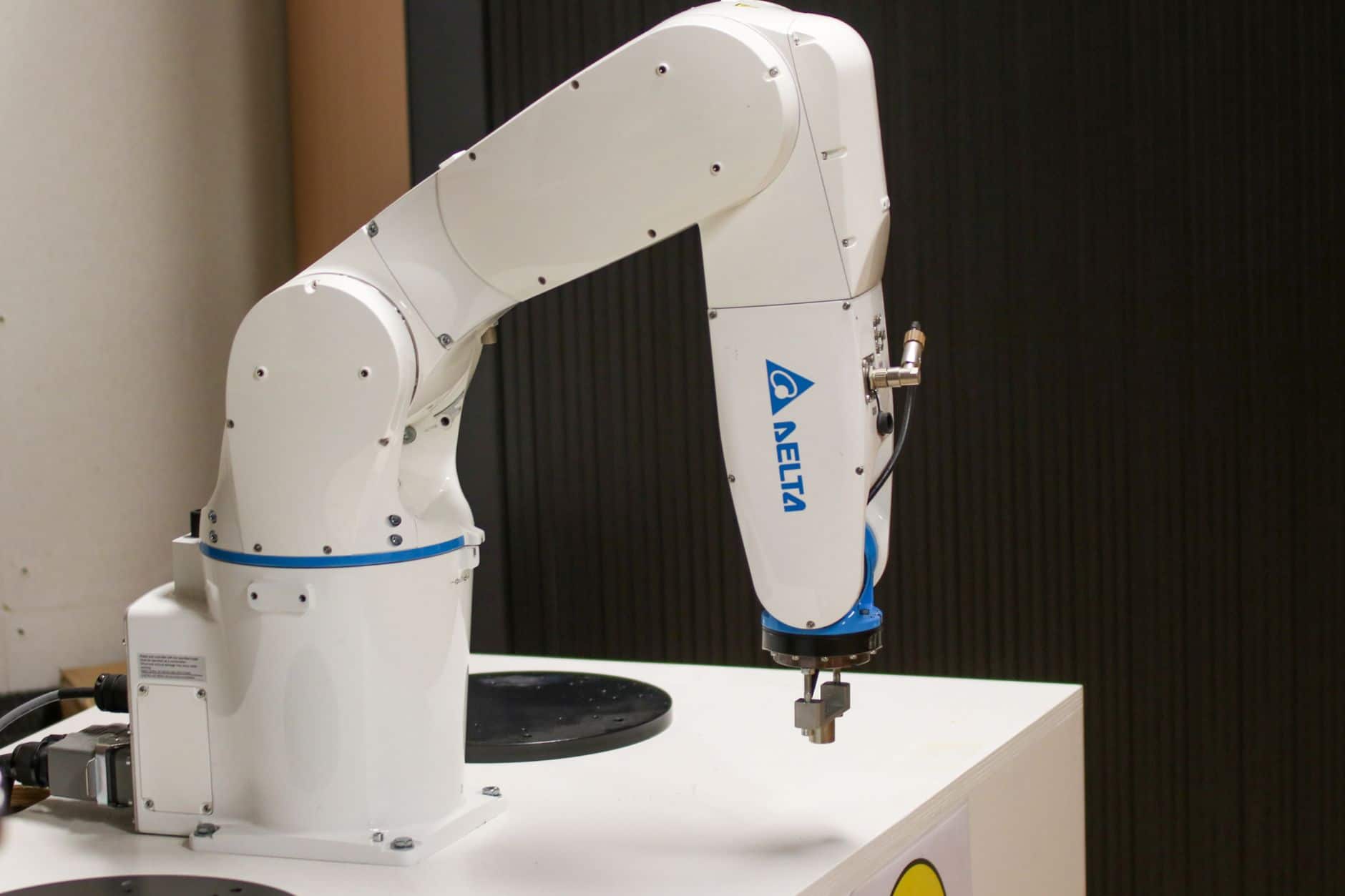
AI‑Chef Revolutionizes Solar Factories Worldwide
ATW’s AI‑Chef platform lets the company ship fully‑optimized, AI‑run solar factories abroad, fueling a revenue jump from $100 M to $1.2 B and positioning Southeast Asia as its main growth engine.
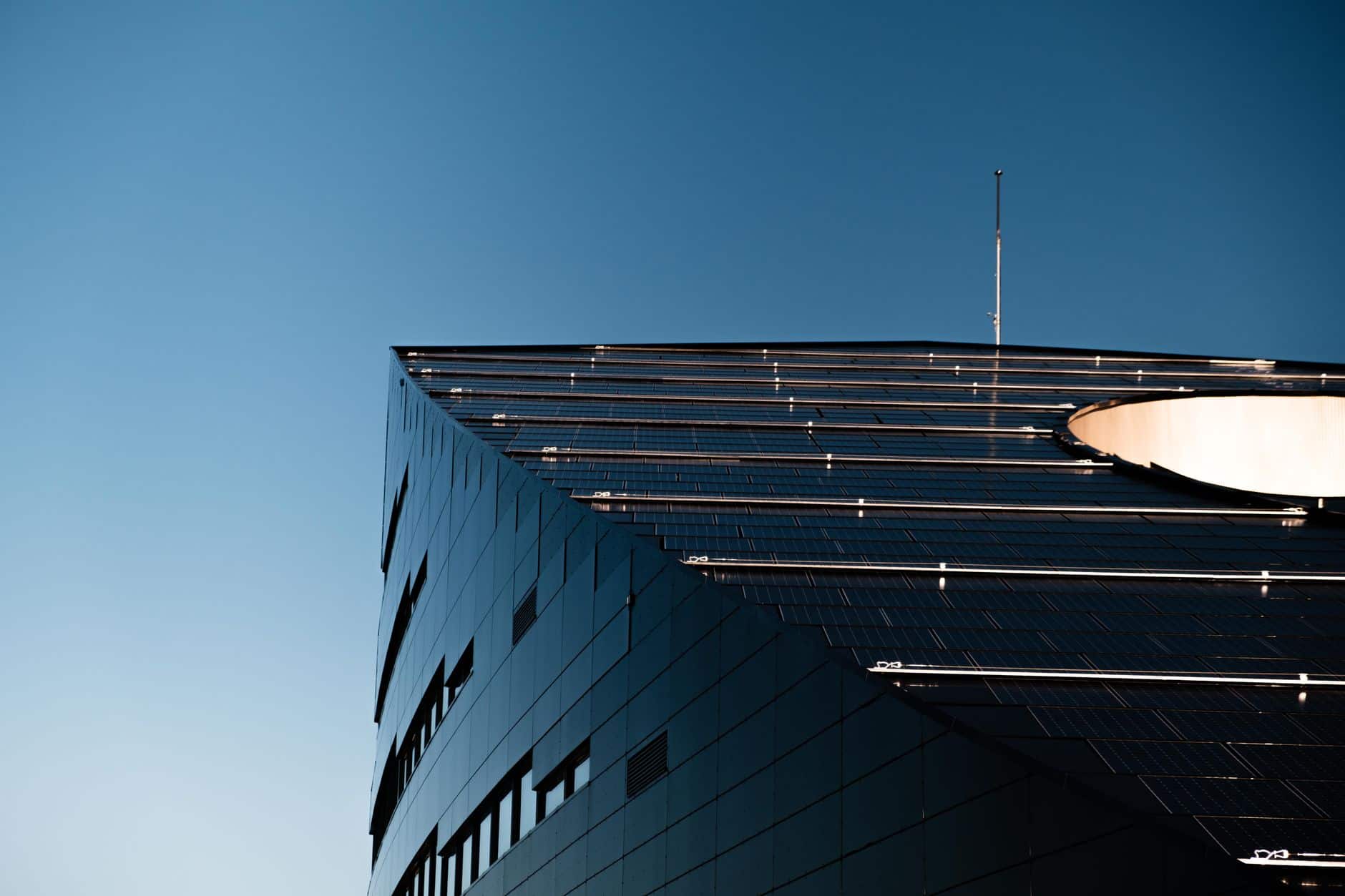
Colored Perovskite Tandems Boost BIPV Efficiency
Microquanta has launched a commercial 26 % efficient coloured perovskite‑silicon tandem BIPV module, offering higher power density and in‑house colour customisation for architects.
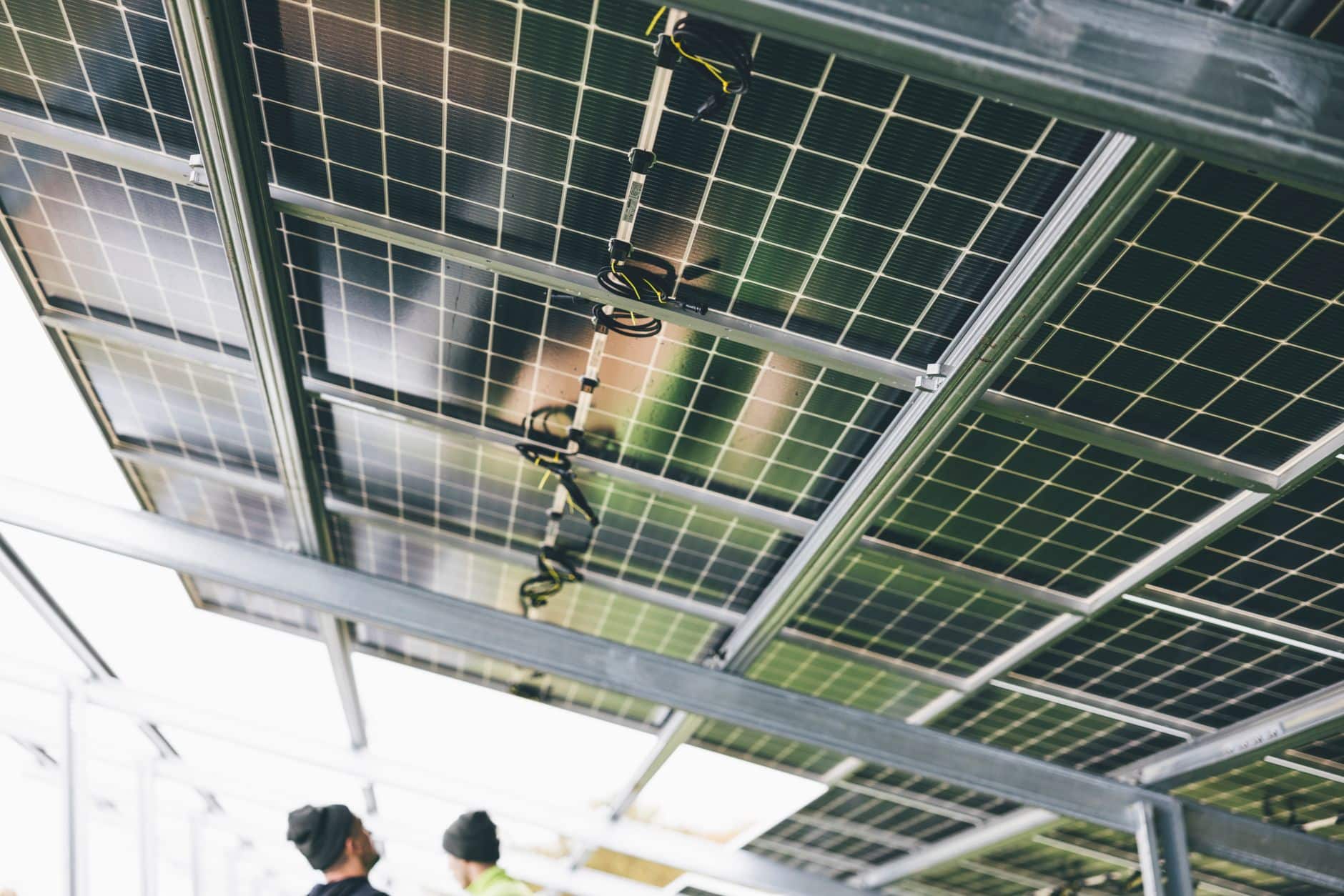
Lightweight Solar Panels Set to Boost Rooftops
Apollo Power unveiled ultra‑light, flexible solar panels at Intersolar Europe, promising a much lower weight than traditional modules and faster, cheaper rooftop installations.
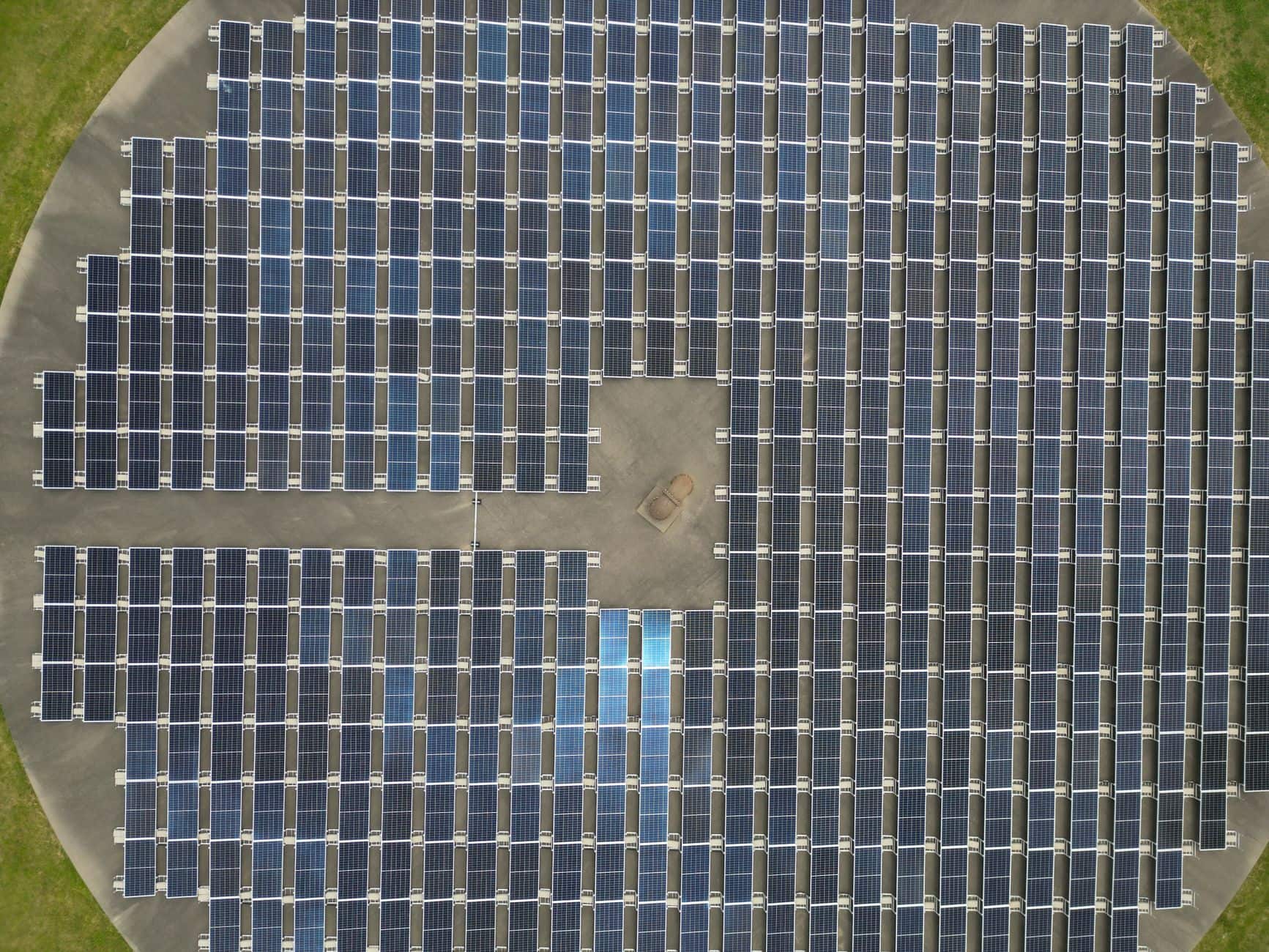
Trina Solar Unveils 670 W TOPCon Panels for Utility Scale
Trina Solar’s new 670 W TOPCon module reaches 24.8 % efficiency and over 85 % bifaciality, promising up to a 5 % LCOE cut for utility‑scale farms and a quicker payback for a typical Israeli rooftop system.
US Cell Production Surge Redefines Solar Future
Talon PV plans a 9.6 GW U.S. solar‑cell platform by 2030, positioning the United States to lead the next wave of PV technology and supply‑chain resilience, with implications for Israel’s renewable goals.
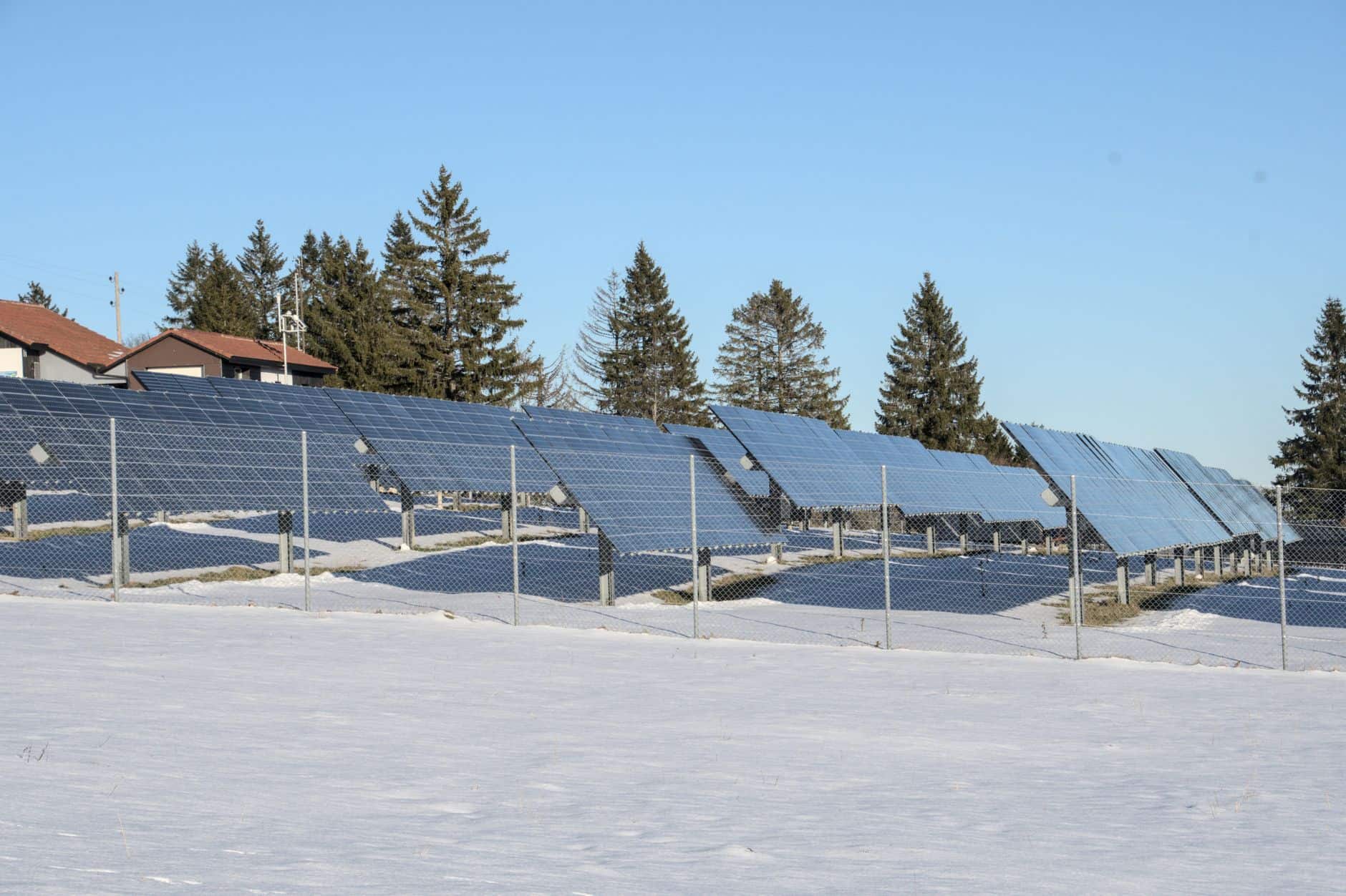
Europe’s AI Data Centres Need Solar Flexibility
Europe can triple its data‑centre capacity by 2035 while staying on track for climate neutrality, but only if solar‑powered demand‑side flexibility, cross‑border trading and smarter grid integration are adopted.