US Cell Production Surge Redefines Solar Future
Why Solar Cell Production Is the New Frontier
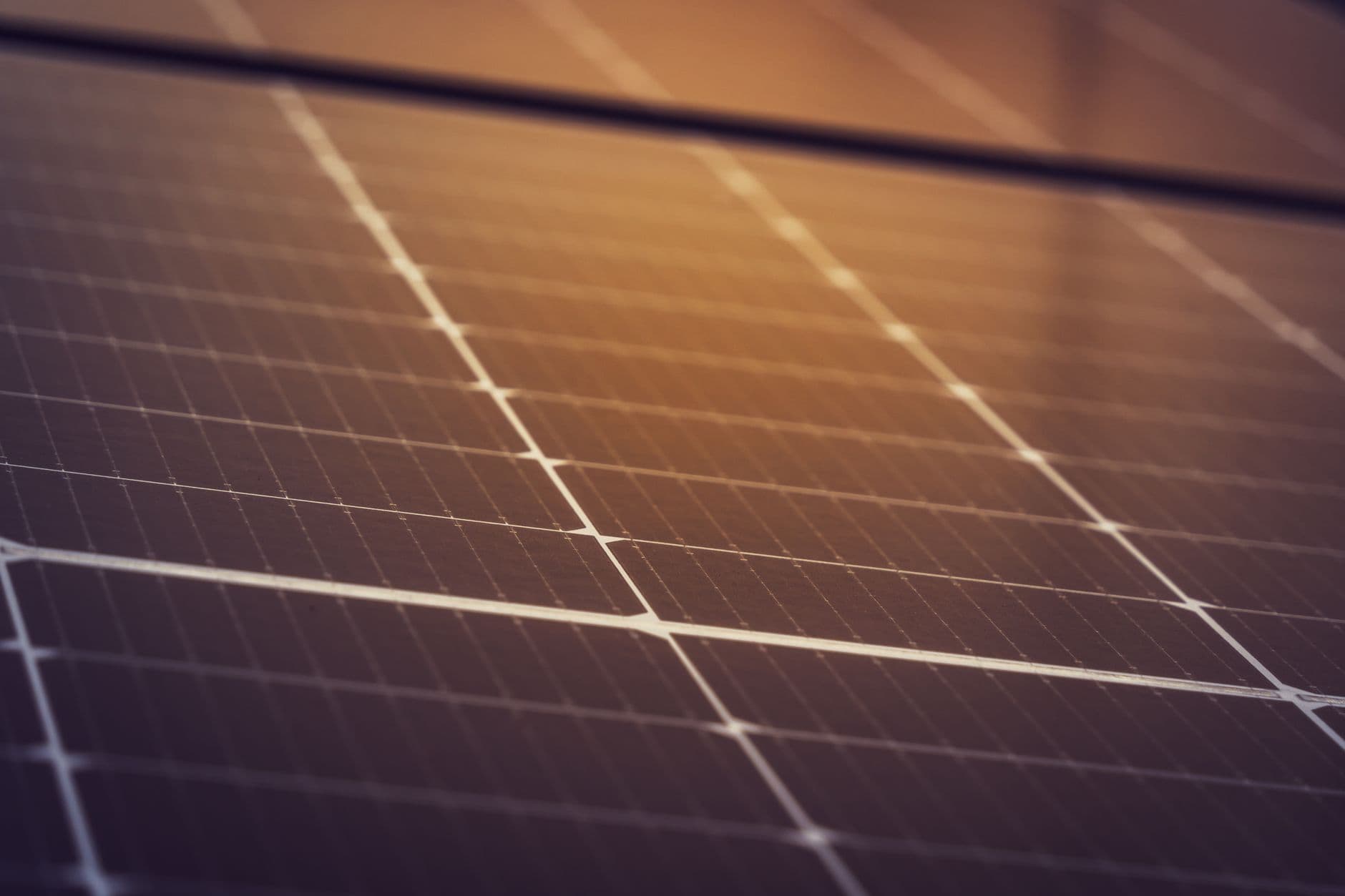
The solar cell stage, not the module, now determines who will dominate the global PV market, because it houses the bulk of technology, IP and value creation. Cell manufacturers control the architecture that dictates module efficiency and cost, making domestic cell capacity the linchpin of a resilient supply chain. As Talon PV’s CEO Adam Tesanovich explains, “If the United States wants a globally competitive photovoltaic sector, domestic cell production is essential.” PV Magazine
Talon PV’s 9.6 GW Domestic Cell Platform
Talon PV is building a 9.6 GW silicon‑cell manufacturing platform in the United States, which is expected to be among the nation’s largest domestic capacities by 2030. The plant will use advanced physical‑vapor‑deposition (PVD) processes and draw on a European research and development pipeline to deliver high‑efficiency c‑Si cells at scale.
Policy Engine: Inflation Reduction Act Powers the Upswing
The 2022 Inflation Reduction Act introduced tax incentives that have spurred a wave of announced capacities across cells, wafers and modules. Talon PV notes that the United States has announced tens of gigawatts of new domestic PV manufacturing capacity, shifting the conversation from “Can we do it?” to “How quickly can we scale?”
Technology Partnerships Turn Research Into Production
Talon PV’s strategy hinges on deep ties with leading European research institutions. These collaborations create a fast‑track from pilot‑scale validation to commercial‑scale cell lines, covering everything from silver‑paste chemistry to screen‑printing automation. The result is a domestic supply chain that can continuously introduce next‑generation cell architectures without relying on foreign IP.
What It Means for Israel
For Israeli investors and policymakers, Talon PV’s 9.6 GW ambition illustrates how a strong domestic cell base can lower module prices and improve supply‑chain security—issues that also affect Israel’s own solar rollout. Using Israel’s typical residential tariff of ₪0.48 /kWh and a 10 kWp rooftop system that yields ~17 000 kWh/yr, a homeowner recoups a ₪31 500 installation in ≈ 3.9 years (see the illustrative example in the verified Israeli facts). This economic case supports Israel’s goal of reaching a 30 % renewable electricity target by 2030.
Outlook: Scaling Speed Over Capacity Alone
Talon PV’s roadmap shows that sheer gigawatt numbers are only half the story; the other half is a living ecosystem of research, supply‑chain resilience and workforce development. As the U.S. continues to fund domestic cell fabs, the global PV market will likely see faster cost declines, higher efficiencies, and a more diversified manufacturing geography—trends that will ripple to every solar‑dependent economy, Israel included.
Key takeaways
- Solar cells, not modules, are the decisive technology lever for PV leadership.
- Talon PV aims for a 9.6 GW U.S. cell capacity by 2030, positioning it among the nation’s largest domestic platforms.
- The Inflation Reduction Act has spurred the announcement of tens of gigawatts of new U.S. PV manufacturing capacity.
- Strong research partnerships enable rapid commercialization of next‑gen cell technology.
- A typical Israeli rooftop system pays back in about 3.9 years, supporting the country’s 2030 renewable target.
FAQ
What is Talon PV’s main goal in the United States?
To establish a 9.6 GW domestic silicon‑cell manufacturing platform by 2030, making the U.S. a global leader in PV technology.
Why is solar‑cell production more important than module assembly?
Cell production houses the core technology, IP and process innovation that dictate module efficiency and overall system cost.
How does the Inflation Reduction Act affect U.S. solar manufacturing?
It provides tax credits and financing that have unlocked tens of gigawatts of new domestic cell, wafer and module capacity.
What partnerships does Talon PV rely on for technology development?
Talon works with Fraunhofer ISE, NEXUS GreenTech and its German Talon Technologies arm to bridge research and commercial production.
How could Talon PV’s scale impact solar prices in Israel?
If U.S. cell costs drop 20 %, Israeli turnkey prices could fall about ₪630/kWp, shortening a typical 10 kWp home system’s payback to under three years.
What does 9.6 GW of cell capacity mean in practical energy terms?
Assuming 1.7 kWh/kW‑peak yearly, it could generate roughly 16 TWh of electricity per year—about 23 % of Israel’s current electricity demand.
Share this post
More from Technology
6
Lightweight Solar Panels Set to Boost Rooftops
Apollo Power unveiled ultra‑light, flexible solar panels at Intersolar Europe, promising a much lower weight than traditional modules and faster, cheaper rooftop installations.
Trina Solar Unveils 670 W TOPCon Panels for Utility Scale
Trina Solar’s new 670 W TOPCon module reaches 24.8 % efficiency and over 85 % bifaciality, promising up to a 5 % LCOE cut for utility‑scale farms and a quicker payback for a typical Israeli rooftop system.
Europe’s AI Data Centres Need Solar Flexibility
Europe can triple its data‑centre capacity by 2035 while staying on track for climate neutrality, but only if solar‑powered demand‑side flexibility, cross‑border trading and smarter grid integration are adopted.

Europe’s Solar Buildout Hits a Pause
Europe’s solar‑panel boom is flattening as grid upgrades and battery storage lag behind, causing an 8 % drop in new installations in H1 2026.

CdTe Solar Panels Cut Costs by Up to 30%
CdTe thin‑film solar cells employ a cadmium‑telluride semiconductor layer and are made by depositing a thin film, offering manufacturing advantages such as lower energy consumption and reduced capital intensity compared with traditional silicon panels.

Storm‑Damaged Solar Farm Doubles Output
Photosol rebuilt the storm‑damaged Ychoux 2 farm in France, doubling its capacity without expanding the site, showing how repowering can boost output while limiting land use.