Europe’s AI Data Centres Need Solar Flexibility
Europe’s AI data centre boom can meet climate goals – but only with solar flexibility
Europe plans to triple its data‑centre capacity by 2035 while still hitting a 2050 climate‑neutral target. The only realistic path is to pair that growth with massive solar‑powered demand‑side flexibility, cross‑border electricity trading and smarter grid integration. The EU’s own forecasts show data‑centre electricity demand rising from 3 % of total consumption today to 5.7 % by 2035, a substantial increase in electricity demand unless the sector becomes a flexible load.
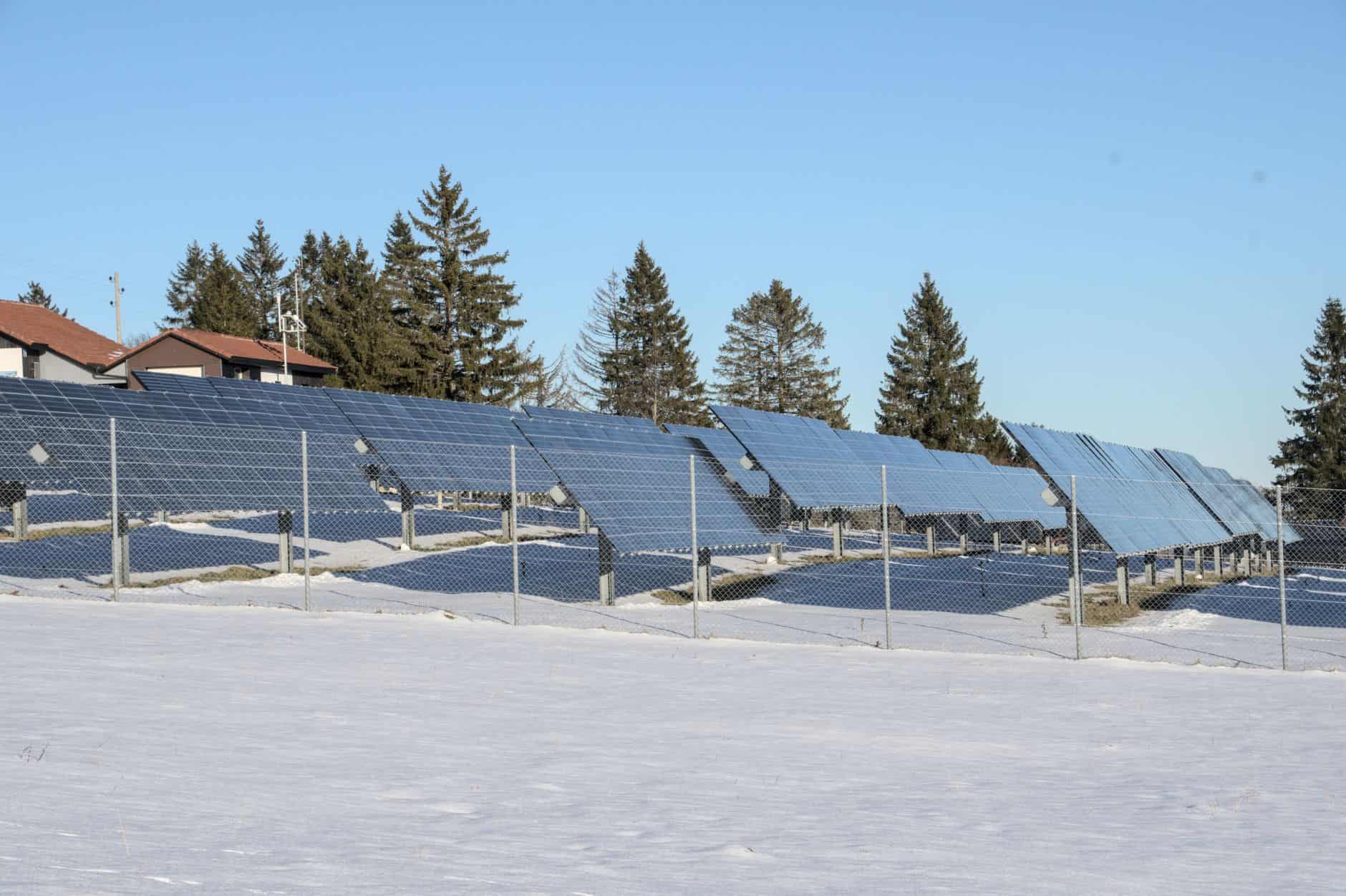
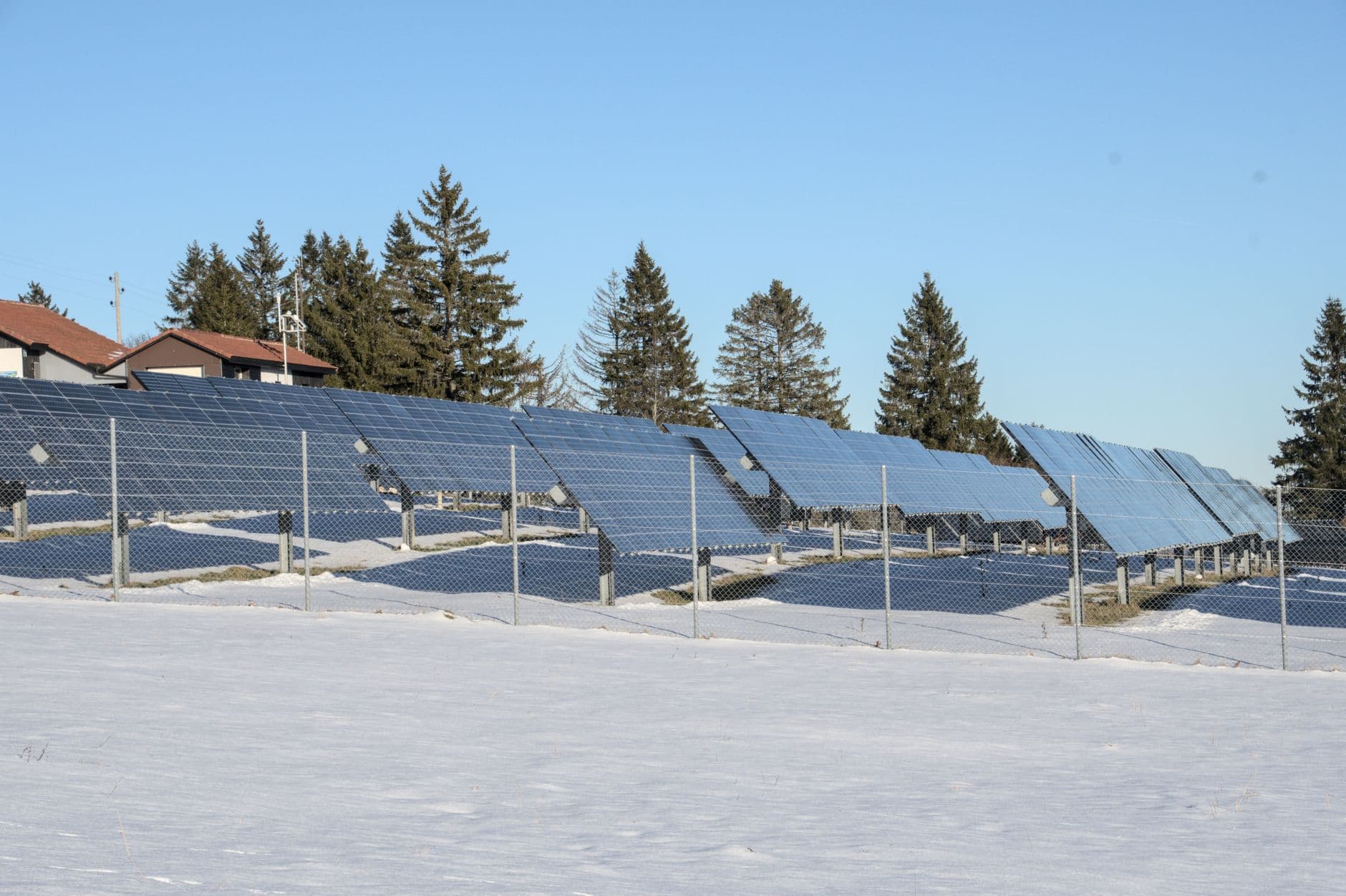
According to the State of European Data Centres 2026 report, 90 % of the energy consumed by European data centres now comes from renewable sources, driven by high‑impact Power Purchase Agreements (PPAs) and on‑site solar installations like Google’s Saint‑Ghislain campus in Belgium. Yet the report also warns that without flexibility, the surge in AI‑driven workloads could overload grids, especially in regions where solar capacity is still limited.
Solar‑powered PPAs are the backbone of the transition
Google’s 2024 announcement that it signed contracts for ≈8 GW of clean‑energy capacity – the largest single‑year purchase in its history – illustrates how tech giants are locking in solar power to meet AI demand. The company’s Belgian data centre now runs on a mix of on‑site solar panels and a 24/7 carbon‑free PPA that guarantees renewable electricity at all hours, a model highlighted by the European Commission’s 2026 roadmap as a template for other operators.
The EUDCA 2026 analysis adds that the sector’s renewable procurement is growing alongside advanced cooling technologies and heat‑reuse projects, which together achieve significant reductions in overall energy intensity. However, the same study notes that the share of electricity demand from data centres will rise from 3 % to 4.5 % by 2030 and 5.7 % by 2035, meaning that even with high renewable shares, absolute consumption will still strain the grid.
Demand‑side flexibility turns data centres into grid assets
A Deloitte‑Agora 2026 report quantifies the economic upside: €71 billion per year could be saved for EU consumers if data‑centre flexibility reduces peak‑load costs. Flexibility means data centres can shift non‑critical workloads to periods of high solar output, store excess energy in batteries, or even feed surplus power back to the grid. The ENTSO‑E 2026 study confirms that AI‑driven workloads are becoming “systemically relevant” loads whose real‑time behavior will affect grid stability.
Cross‑border electricity trading is another lever. The European Commission’s June 2026 measures propose a coordinated market for renewable electricity that would allow data centres in one country to draw solar power generated elsewhere during midday and export excess later, smoothing out regional imbalances.
What it means for Israel’s solar market
Israel’s own renewable targets – 30 % of electricity from renewables by 2030 – mirror Europe’s ambition, and the country’s solar economics are already well‑defined. Using the typical residential tariff of ₪0.48/kWh and a standard installation cost of ₪3 150/kWp, a 10 kWp rooftop system in central Israel would generate about 17 000 kWh/year, worth roughly ₪8 160 annually. The payback period is just under 4 years, far shorter than the 25‑year system life.
If Israeli data‑centre operators adopted a similar flexibility model, they could shift workloads to daylight hours, effectively turning their servers into controllable solar loads. This would reduce peak‑grid demand and help Israel meet its 20 % renewable target for 2025. Moreover, the same cross‑border trading concepts could be explored within the Mediterranean grid, allowing Israeli solar farms to export surplus power during high‑sun periods.
The road ahead – policy, investment and technology
The EU’s upcoming Data Centre Energy Efficiency Package (expected Q1 2026) will tighten performance standards for data centres. Companies that invest in on‑site solar, battery storage and AI‑driven workload scheduling will be best positioned to comply and to capture the €71 billion annual savings.
For Europe, the message is clear: the AI‑driven data‑centre boom can coexist with climate neutrality, but only if solar power becomes a flexible, grid‑interactive resource. Israel can learn from this by encouraging similar flexibility incentives, leveraging its already‑cost‑effective rooftop solar market, and exploring regional electricity trade.
Bottom line: Europe’s data‑centre expansion will bring a large increase in electricity demand by 2035, but solar‑powered flexibility, PPAs and cross‑border trading can turn that challenge into a net‑zero opportunity.
What it means for Israel
- A typical 10 kWp home system in central Israel produces ~17 MWh/year, worth ~₪8 160 at the residential tariff.
- At a cost of ~₪31 500, the simple payback is ~3.9 years, well within the 25‑year lifespan.
- Applying demand‑side flexibility to Israeli data centres could shave peak‑grid loads, mirroring the EU’s projected €71 billion consumer savings.
- Cross‑border solar trade across the Mediterranean could further balance supply and demand, supporting Israel’s 30 % renewable target.
Sources: State of European Data Centres 2026, Google’s 24/7 carbon‑free PPA, EU Commission demand‑side flexibility report, Deloitte‑Agora flexibility value study, ENTSO‑E data‑centre impact paper, Google €5 B Belgium investment
Read more: Use our solar ROI calculator to see how a rooftop system pays for itself, or explore the latest market data for Israel’s solar sector.
Sources & further reading
FAQ
How much extra electricity will European data centres need by 2035?
Roughly 1 000 TWh, raising their share of total EU demand from 3 % today to about 5.7 %.
What percentage of EU data‑centre power already comes from renewables?
About 90 % according to the 2026 State of European Data Centres report.
How does Google secure clean power for its Belgian data centre?
Through a 24/7 carbon‑free PPA and on‑site solar panels that together guarantee renewable electricity at all hours.
What financial benefit could EU consumers see from data‑centre flexibility?
Up to €71 billion per year in lower electricity costs, according to the European Commission.
Can Israeli data centres use the same flexibility model?
Yes – shifting workloads to daylight hours and using rooftop solar can cut peak‑grid demand and lower costs.
What is the typical payback time for a residential solar system in Israel?
Around 4 years for a 10 kWp system at the standard residential tariff.
Share this post
More from Technology
6
Trina Solar Unveils 670 W TOPCon Panels for Utility Scale
Trina Solar’s new 670 W TOPCon module reaches 24.8 % efficiency and over 85 % bifaciality, promising up to a 5 % LCOE cut for utility‑scale farms and a quicker payback for a typical Israeli rooftop system.
US Cell Production Surge Redefines Solar Future
Talon PV plans a 9.6 GW U.S. solar‑cell platform by 2030, positioning the United States to lead the next wave of PV technology and supply‑chain resilience, with implications for Israel’s renewable goals.

Europe’s Solar Buildout Hits a Pause
Europe’s solar‑panel boom is flattening as grid upgrades and battery storage lag behind, causing an 8 % drop in new installations in H1 2026.

CdTe Solar Panels Cut Costs by Up to 30%
CdTe thin‑film solar cells employ a cadmium‑telluride semiconductor layer and are made by depositing a thin film, offering manufacturing advantages such as lower energy consumption and reduced capital intensity compared with traditional silicon panels.

Storm‑Damaged Solar Farm Doubles Output
Photosol rebuilt the storm‑damaged Ychoux 2 farm in France, doubling its capacity without expanding the site, showing how repowering can boost output while limiting land use.

Vietnam's Solar Battery Recycling Takes Off
Vietnam’s solar battery recycling market is projected to reach about $127 million by 2034, driven by new EPR laws, generous subsidies, and high‑efficiency recovery technologies.