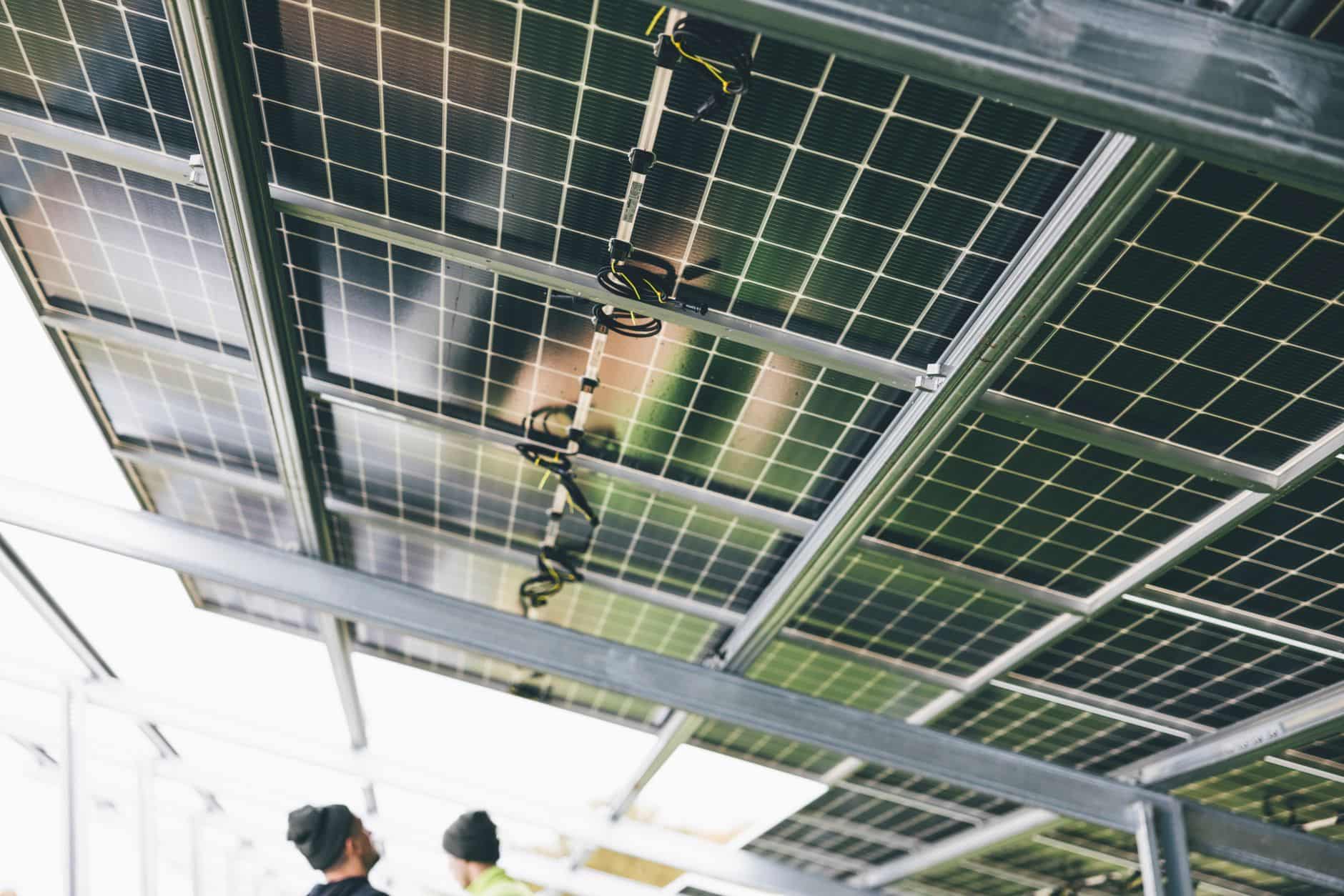
Lightweight Solar Panels Set to Boost Rooftops
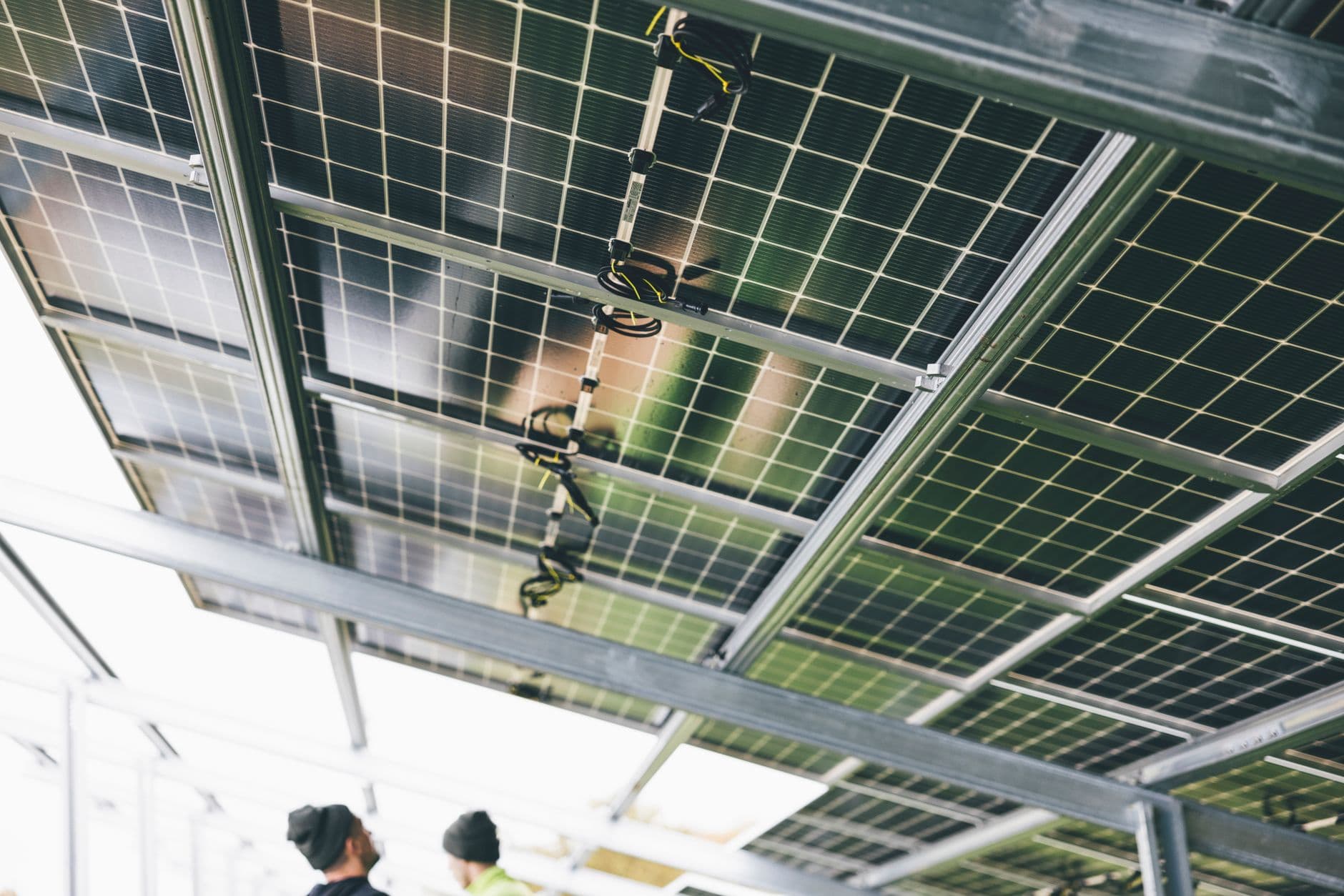
Israeli firm unveils ultra‑light panels at European expo
Apollo Power, the Israeli solar specialist, rolled out its next‑generation flexible, lightweight PV modules at the Intersolar Europe exhibition in Munich. The company highlighted panels that are described as significantly lighter than conventional glass‑glass modules while delivering comparable efficiency. The debut was timed to attract developers looking for weight‑sensitive installations across Europe.
How the technology works
Apollo’s panels use a thin‑film polymer substrate laminated with high‑efficiency perovskite‑silicon tandem cells. Perovskite, described by the IEA‑PVPS as the fastest‑advancing solar technology, boosts conversion rates without adding bulk. The flexible architecture allows the modules to conform to curved surfaces and be shipped rolled, cutting logistics costs.
Market momentum in Europe
The European lightweight rooftop market is already expanding, driven by demand for thin‑film and polymer‑based panels on historic buildings and industrial roofs. Solar capacity in the EU is projected to double between 2025 and 2030, with flexible PV expected to capture a growing share of new installations. Apollo’s recent 5,000 m² Amazon logistics project in France and a €33 million order from Volkswagen illustrate how multinational corporates are betting on this low‑weight solution.
Why weight matters for rooftop solar
Traditional glass‑glass modules are relatively heavy, often requiring structural reinforcement on older roofs. Reducing panel weight can:
- Speed permitting, as fewer load‑assessment studies are needed.
- Lower installation labor and mounting‑hardware costs.
- Enable retrofitting of historic or low‑rise buildings that were previously unsuitable for solar. These advantages translate into faster project timelines and a broader addressable market, especially in dense European cities where roof load limits are strict.
What it means for Israel
Israel’s rooftop solar boom is largely driven by residential and commercial installations that must meet the Electricity Authority’s structural standards. Using Apollo’s lightweight modules could enable:
- Installation on older apartment blocks without costly roof reinforcements.
- Potential overall cost reductions, given the typical turnkey price of ₪3,150/kWp for residential systems.
Illustrative payback: A typical 10 kWp home system in central Israel yields ~17,000 kWh yr⁻¹, worth about ₪8,160 at the residential tariff of ₪0.48/kWh. With an installation cost of ₪31,500, the simple payback is roughly 3.9 years. Weight‑related cost savings could further improve the payback period, accelerating ROI for homeowners and encouraging wider adoption.
Outlook and challenges
While the technology promises rapid deployment, scaling perovskite‑based tandem cells to mass‑production levels remains a hurdle. The IEA forecasts that global solar capacity will keep rising, and the EU’s 62 GW target for 2024‑2027 will require continued policy support and supply‑chain stability. Apollo’s success at the expo signals that Israeli innovators are positioned to capture a slice of this growth, provided they can navigate certification and durability testing for the new materials.
What it means for Israel: Lightweight, flexible panels could unlock rooftop potential on the country’s many older residential towers, speeding progress toward the national goal of 30 % renewable electricity by 2030. By reducing structural constraints and installation costs, the technology aligns with Israel’s aggressive solar targets and could help meet the interim 20 % goal for 2025.
For a deeper dive into Israeli solar economics, try our solar ROI calculator or explore the latest market data here.
Sources & further reading
FAQ
What makes Apollo Power’s panels lighter than conventional ones?
They use a thin‑film polymer substrate with perovskite‑silicon tandem cells, eliminating heavy glass and reducing weight to under 5 kg m⁻².
How much can a typical Israeli home save with a 10 kWp system?
At the residential tariff of ₪0.48/kWh, a 10 kWp system generates about ₪8,160 worth of electricity per year, paying back its ₪31,500 cost in roughly 3.9 years.
Why is panel weight important for rooftop solar?
Heavier modules often need roof reinforcement, adding time and cost; lighter panels can be installed on older or weight‑restricted roofs without extra structural work.
Is the lightweight technology ready for large‑scale deployment?
Apollo has already secured projects like a 5,000 m² installation for Amazon in France and a €33 million order from Volkswagen, showing commercial readiness, though perovskite scaling still faces certification challenges.
How does this development fit Israel’s renewable targets?
By enabling more rooftop installations on existing buildings, lightweight panels help Israel move toward its 30 % renewable electricity goal for 2030.
Share this post
More from Technology
6
Trina Solar Unveils 670 W TOPCon Panels for Utility Scale
Trina Solar’s new 670 W TOPCon module reaches 24.8 % efficiency and over 85 % bifaciality, promising up to a 5 % LCOE cut for utility‑scale farms and a quicker payback for a typical Israeli rooftop system.
US Cell Production Surge Redefines Solar Future
Talon PV plans a 9.6 GW U.S. solar‑cell platform by 2030, positioning the United States to lead the next wave of PV technology and supply‑chain resilience, with implications for Israel’s renewable goals.
Europe’s AI Data Centres Need Solar Flexibility
Europe can triple its data‑centre capacity by 2035 while staying on track for climate neutrality, but only if solar‑powered demand‑side flexibility, cross‑border trading and smarter grid integration are adopted.

Europe’s Solar Buildout Hits a Pause
Europe’s solar‑panel boom is flattening as grid upgrades and battery storage lag behind, causing an 8 % drop in new installations in H1 2026.

CdTe Solar Panels Cut Costs by Up to 30%
CdTe thin‑film solar cells employ a cadmium‑telluride semiconductor layer and are made by depositing a thin film, offering manufacturing advantages such as lower energy consumption and reduced capital intensity compared with traditional silicon panels.

Storm‑Damaged Solar Farm Doubles Output
Photosol rebuilt the storm‑damaged Ychoux 2 farm in France, doubling its capacity without expanding the site, showing how repowering can boost output while limiting land use.