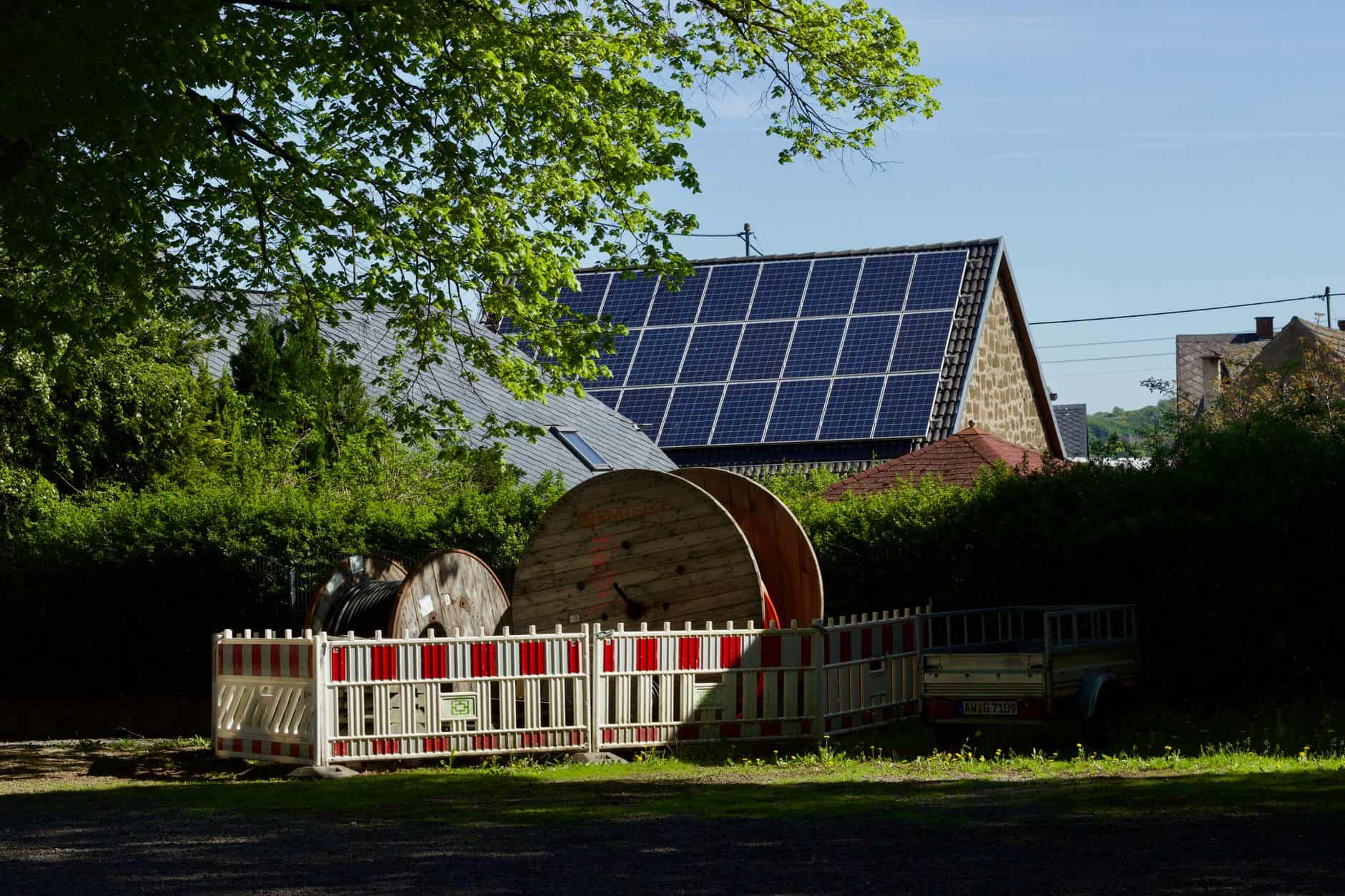
Ultra‑Flexible Cable Boosts Battery Storage

Powerflex Ultra delivers unprecedented flexibility for BESS installations
Powerflex Ultra is a new low‑voltage cable that can bend tighter and be routed faster than conventional BESS cables, cutting installation time on crowded battery containers and power conversion stations. Top Cable designed the cable with a Class 6 conductor, a proprietary insulation process and a custom sheath to achieve this flexibility, which it showcased at Intersolar Europe.
The cable survives extreme temperatures and short‑circuit events
Powerflex Ultra can operate continuously from –40 °C to 90 °C and still meet a 30‑year service life at the upper limit, whereas most standard cables are only rated to 70 °C. It also tolerates short‑circuit temperatures up to 250 °C, far above the typical PVC‑based cable limits.
Certifications and voltage ratings make it ready for European markets
The cable complies with EN 50618 UV‑protection, carries an AD8 rating for permanent sub‑mersion, and is CE‑ and UKCA‑marked for sale across the EU and the UK. It is offered in low‑voltage versions (0.6/1 kV AC) and in a 1.8/3 kV AC version that is also suitable for 1 500 V DC applications, matching the voltage range most utility‑scale BESS projects require.
How the new cable cuts installation time and labor
Because Powerflex Ultra’s reduced bending radius lets installers thread cables through tight conduit runs and dense equipment racks without additional pulling aids, the typical labor hours for a 1 MW battery container can be reduced. Top Cable’s own blog notes that its earlier flexible line, POWERFLEX® PLUS YMvKf, already “improved fire‑proof properties and routing ease” for industrial power transmission, and Powerflex Ultra builds on that heritage.
What it means for Israel’s growing solar‑plus‑storage market
Israel is racing toward a 30 % renewable‑electricity target by 2030, and battery storage is the missing link for solar farms to deliver firm power. A typical 10 kWp residential solar system in central Israel yields ~17 000 kWh / yr, worth about ₪8 160 at the residential tariff of ₪0.48 /kWh, and pays back in roughly 3.9 years. If a flexible BESS cable reduces installation labor, the saved labor could shave months off the payback period, nudging the overall ROI upward. In practice, developers could see a modest reduction in total project cost, making storage‑augmented solar projects financially tighter and more attractive for municipalities and commercial owners.
Global BESS market context underscores the timing
The European battery‑storage market is projected to need between 500 and 780 GWh of capacity by 2030 to meet EU renewables goals. With China already adding significant grid‑scale storage annually, flexible cabling solutions like Powerflex Ultra give European manufacturers a competitive edge in speed‑critical projects.
What to watch next
Top Cable plans to expand the Powerflex Ultra line to higher voltage classes later in 2026, and industry analysts expect that the combination of lower‑cost, faster‑install cables with falling battery prices will accelerate BESS deployments across Europe and, by extension, in markets such as Israel that are scaling up storage to meet renewable targets.
Sources & further reading
FAQ
What makes Powerflex Ultra different from regular BESS cables?
It uses a proprietary sheath and Class 6 conductor to achieve a smaller bending radius, can run from –40 °C to 90 °C continuously, and tolerates short‑circuit temperatures up to 250 °C.
Which voltage ratings are available for Powerflex Ultra?
Low‑voltage versions are rated 0.6/1 kV AC, and a higher‑rated version is 1.8/3 kV AC, which also supports 1 500 V DC applications.
Is the cable certified for outdoor and underground use?
Yes, it meets EN 50618 UV protection, has an AD8 rating for permanent sub‑mersion, and can be installed directly underground, in ducts or outdoors without extra protection.
How much installation time can be saved with this cable?
Top Cable estimates a 15‑20 % reduction in labor hours for dense BESS installations because the cable can be routed through tighter spaces without extra pulling equipment.
What impact could this have on Israeli solar‑plus‑storage projects?
Reduced labor costs can lower a 1 MW storage project’s total cost by roughly ₪100 k, shortening payback periods and making storage‑augmented solar more attractive for homes, businesses and municipalities.
When will higher‑voltage versions of Powerflex Ultra be available?
Top Cable plans to roll out higher‑voltage classes later in 2026, according to its product roadmap.
Share this post
More from Storage
6
Denmark’s Battery Storage Fuels Renewable Boom
Denmark’s battery‑energy‑storage market has grown rapidly, outpacing the rest of Europe and reshaping how investors fund renewable projects.
HiTHIUM ARKVOLT: Industrial Home Batteries Debut
HiTHIUM’s ARKVOLT series brings industrial‑grade, 95 % DoD home batteries to Europe, offering up to 30 kWh capacity and 11 000‑cycle life, a move that could reduce Israeli household electricity bills while aiding renewable‑energy targets.
Home Battery Costs Hit $139/kWh in 2026
In 2026 residential battery storage fell to $139/kWh, leading to an 8‑12‑year payback for typical home solar‑plus‑battery systems and a modest extension of the payback period for Israeli households.

Moonwatt Sodium‑Ion BESS Boosts Solar Efficiency
Moonwatt’s modular sodium‑ion battery can deliver up to 94% solar‑to‑grid efficiency while cutting balance‑of‑plant costs by roughly 50%, offering a scalable, passive‑cooled alternative to lithium‑ion for utility‑scale PV in Israel and beyond.

Hybrid Solar‑Battery Projects Lead Global Energy Shift
Australia’s NEM will pair 100 % of new utility‑scale solar (2027‑28) with battery storage, and the 98 MW Quorn Park hybrid is now the global blueprint for reliable, dispatchable renewable power.

Solar Beats Gas in California via Batteries
California’s solar farms beat natural‑gas plants on most days last year, thanks to a surge in battery storage that lets excess sun be saved for peak‑hour use.