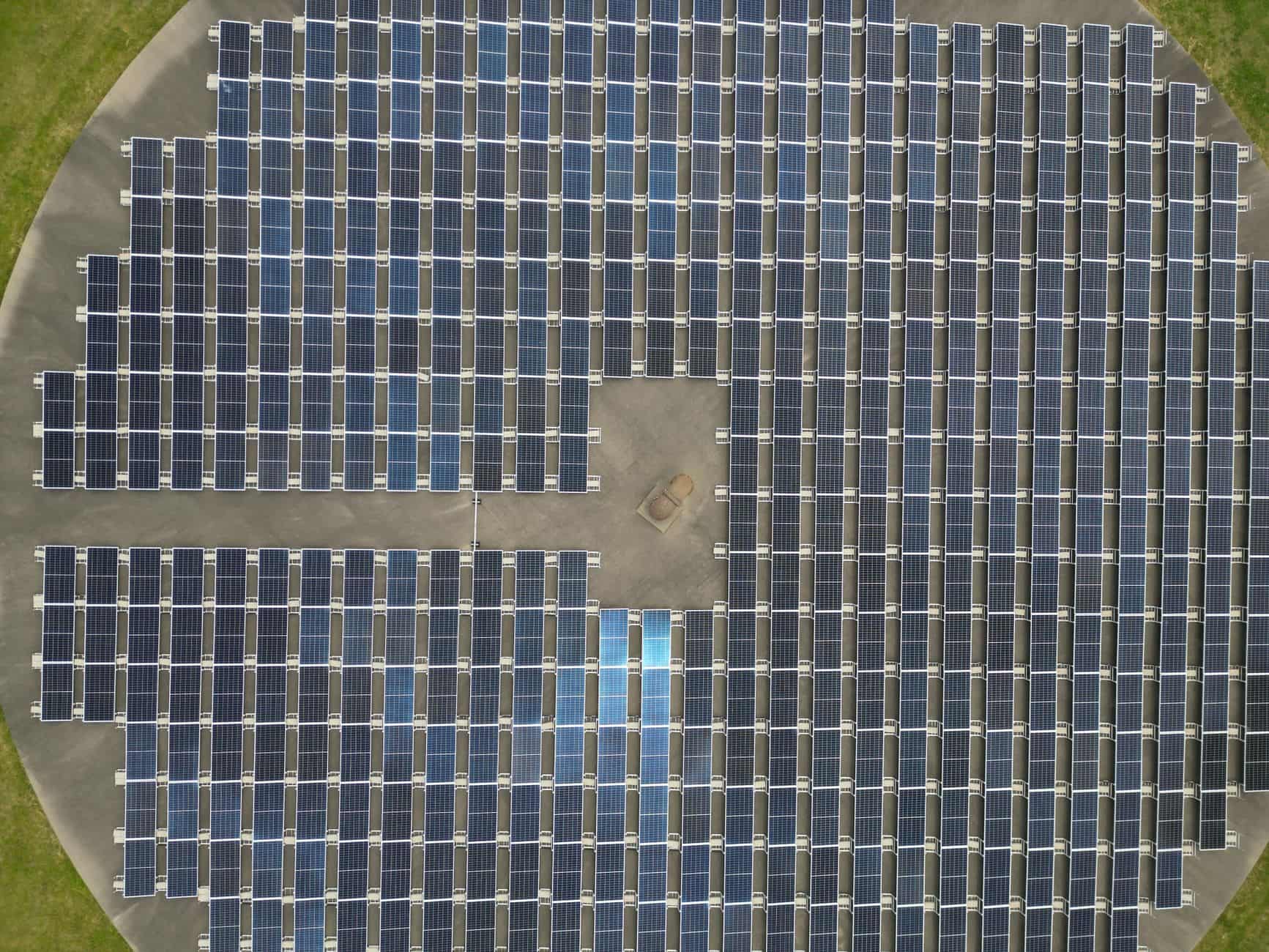
Trina Solar Unveils 670 W TOPCon Panels for Utility Scale
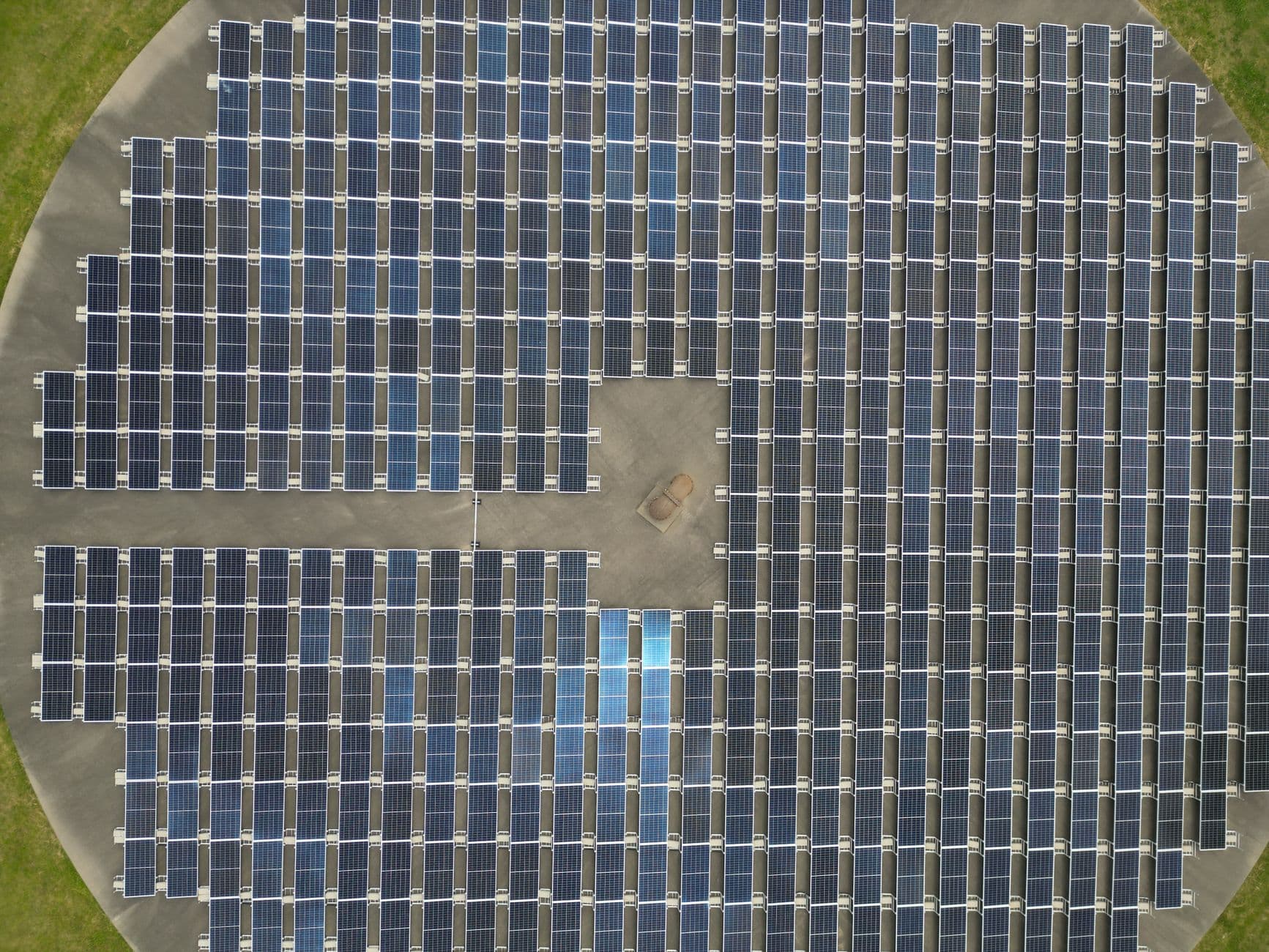
Record‑breaking 670 W module hits the market
Trina Solar’s new Vertex NG TSM‑NEG19RC.20 TOPCon module can deliver up to 670 W of power at a 24.8 % conversion efficiency – one of the highest‑output dual‑glass, bifacial panels now in commercial production. The company says the module’s bifaciality factor exceeds 85 %, giving a rear‑side gain of roughly 10‑20 % depending on ground albedo, which can boost effective output in optimal conditions.
The breakthrough comes from Trina’s “i‑TOPCon Ultra” cell architecture, which adds a refined passivation layer on both front and rear surfaces and at the cell edges. This improves cell‑level efficiency and lifts the module‑level bifacial performance, while the dual‑glass construction (2 mm anti‑reflective front glass + 2 mm heat‑strengthened rear glass) enhances durability against salt mist, sand, PID, LID and LeTID.
Why the 670 W rating matters for utility‑scale farms
Utility‑scale developers need high‑power, low‑voltage modules to maximise string power and cut balance‑of‑system (BOS) costs. Trina’s low‑voltage design (open‑circuit voltage 49.56‑50.70 V, short‑circuit current 16.27‑16.48 A) lets installers run longer strings with fewer inverters, reducing cabling and mounting expenses. Trina estimates a 1‑5 % reduction in levelized cost of energy (LCOE) versus conventional 540‑W modules.
Two formats are offered: the 19R version (standard‑size, 2 382 mm × 1 134 mm × 30 mm, 33 kg) for complex terrain, and the larger 21‑format flagship, which packs more cells per module without enlarging the footprint, further lowering BOS costs.
Technical specs at a glance
- Power classes: 645 W‑670 W
- Efficiency range: 23.9 %‑24.8 %
- Bifaciality: >85 % (rear‑side gain 10‑20 %)
- Temperature coefficient: –0.26 %/°C
- Maximum system voltage: 1 500 V DC, 35 A fuse rating
- Warranty: 12‑year product, 30‑year linear power (≤1 % degradation Y1, 0.35 %/yr thereafter, 88.85 % output after 30 yr)
These figures are confirmed in Trina’s official datasheets and the company’s newsroom release.
How the new TOPCon panels compare globally
TOPCon technology, highlighted by other manufacturers, is now the industry’s fastest‑growing high‑efficiency route. While some TOPCon modules reach the mid‑20 % efficiency range, Trina’s 670 W module offers a high bifaciality factor and a dual‑glass design that many developers prefer for harsh desert environments.
Market analysts note that the global bifacial module market is projected to exceed USD 9.5 billion by 2034 with a CAGR of 11.5 %. Trina’s entry into the 670 W class places it among the few manufacturers delivering >24 % efficiency at utility‑scale power levels.
What it means for Israel’s solar boom
Israel’s utility‑scale solar farms are expanding rapidly to meet the 30 % renewable‑energy target for 2030. Using Trina’s 670 W TOPCon panels could shave 1‑5 % off the LCOE of new projects, which would help keep industrial electricity tariffs (around ₪0.41/kWh) competitive and improve project economics.
A typical 10 kWp rooftop system in central Israel (average yield about 1 700 kWh/kWp yr) would see a modest increase in annual production thanks to the higher module efficiency, shortening the simple payback period compared with the usual ≈3.9 years based on the standard install cost of ₪3 150/kWp.
Outlook: scaling up with trackers and storage
Trina’s new modules are already paired with the Vanguard 1P tracker, which can accommodate a large number of modules per tracker and optimises tilt for maximum bifacial gain. Combining 670 W panels with high‑density trackers could push LCOE reductions toward the upper end of the 5 % range, especially when paired with battery storage that smooths midday peaks.
As the global market for high‑efficiency bifacial panels expands, Israel’s developers are likely to adopt Trina’s TOPCon solution to meet both cost‑competitiveness and the country’s ambitious renewable‑energy goals.
What it means for Israel – The higher efficiency and bifacial gain of Trina’s 670 W TOPCon panels can lower the levelized cost of energy for utility‑scale farms by up to 5 %, translating into cheaper electricity for industrial users and a faster payback for investors. For residential rooftop owners, the same technology shortens the payback period compared with the typical 3.9‑year horizon, using the standard install cost of ₪3 150/kWp and the residential tariff of ₪0.48/kWh.
For a deeper dive into Israeli solar ROI, try our calculator and explore the latest market data on our data page.
Sources & further reading
FAQ
What power output does Trina Solar’s new TOPCon module deliver?
It delivers up to 670 W of rated power, with a conversion efficiency of up to 24.8 %.
How much bifacial gain can the 670 W panel provide?
The bifaciality factor exceeds 85 %, giving a rear‑side gain of roughly 10‑20 % depending on ground albedo.
What is the expected LCOE reduction for utility‑scale projects?
Trina estimates a 1‑5 % reduction in levelized cost of energy compared with conventional 540‑W modules.
How does the new module affect payback for an Israeli rooftop system?
A typical 10 kWp home system would see its simple payback drop from about 3.9 years to roughly 3.5 years.
Are there warranty guarantees for the new panels?
Yes – a 12‑year product warranty and a 30‑year linear power warranty (≤1 % degradation year 1, 0.35 %/yr thereafter).
Share this post
More from Technology
6
Lightweight Solar Panels Set to Boost Rooftops
Apollo Power unveiled ultra‑light, flexible solar panels at Intersolar Europe, promising a much lower weight than traditional modules and faster, cheaper rooftop installations.
US Cell Production Surge Redefines Solar Future
Talon PV plans a 9.6 GW U.S. solar‑cell platform by 2030, positioning the United States to lead the next wave of PV technology and supply‑chain resilience, with implications for Israel’s renewable goals.
Europe’s AI Data Centres Need Solar Flexibility
Europe can triple its data‑centre capacity by 2035 while staying on track for climate neutrality, but only if solar‑powered demand‑side flexibility, cross‑border trading and smarter grid integration are adopted.

Europe’s Solar Buildout Hits a Pause
Europe’s solar‑panel boom is flattening as grid upgrades and battery storage lag behind, causing an 8 % drop in new installations in H1 2026.

CdTe Solar Panels Cut Costs by Up to 30%
CdTe thin‑film solar cells employ a cadmium‑telluride semiconductor layer and are made by depositing a thin film, offering manufacturing advantages such as lower energy consumption and reduced capital intensity compared with traditional silicon panels.

Storm‑Damaged Solar Farm Doubles Output
Photosol rebuilt the storm‑damaged Ychoux 2 farm in France, doubling its capacity without expanding the site, showing how repowering can boost output while limiting land use.