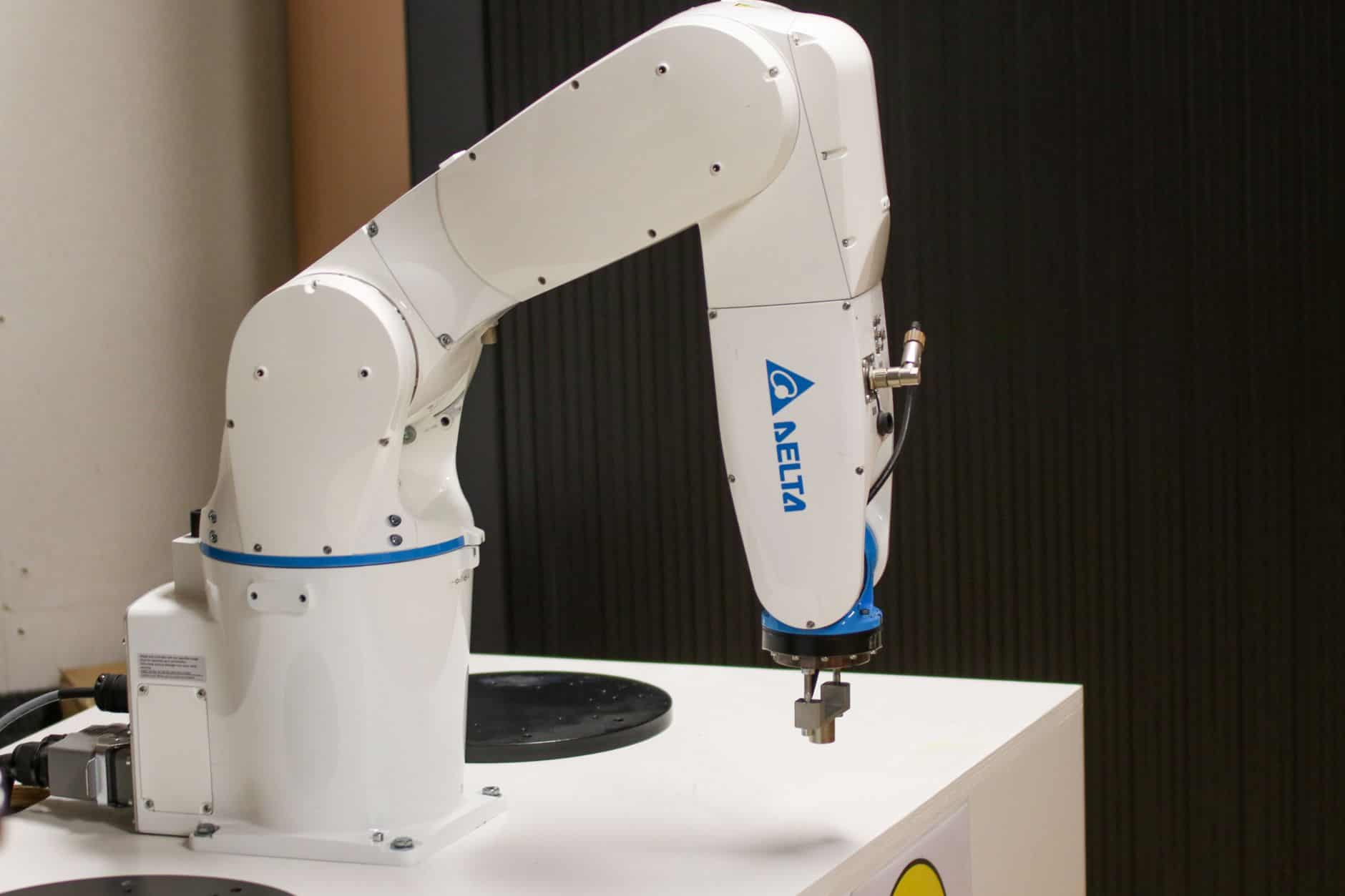
AI‑Chef Revolutionizes Solar Factories Worldwide
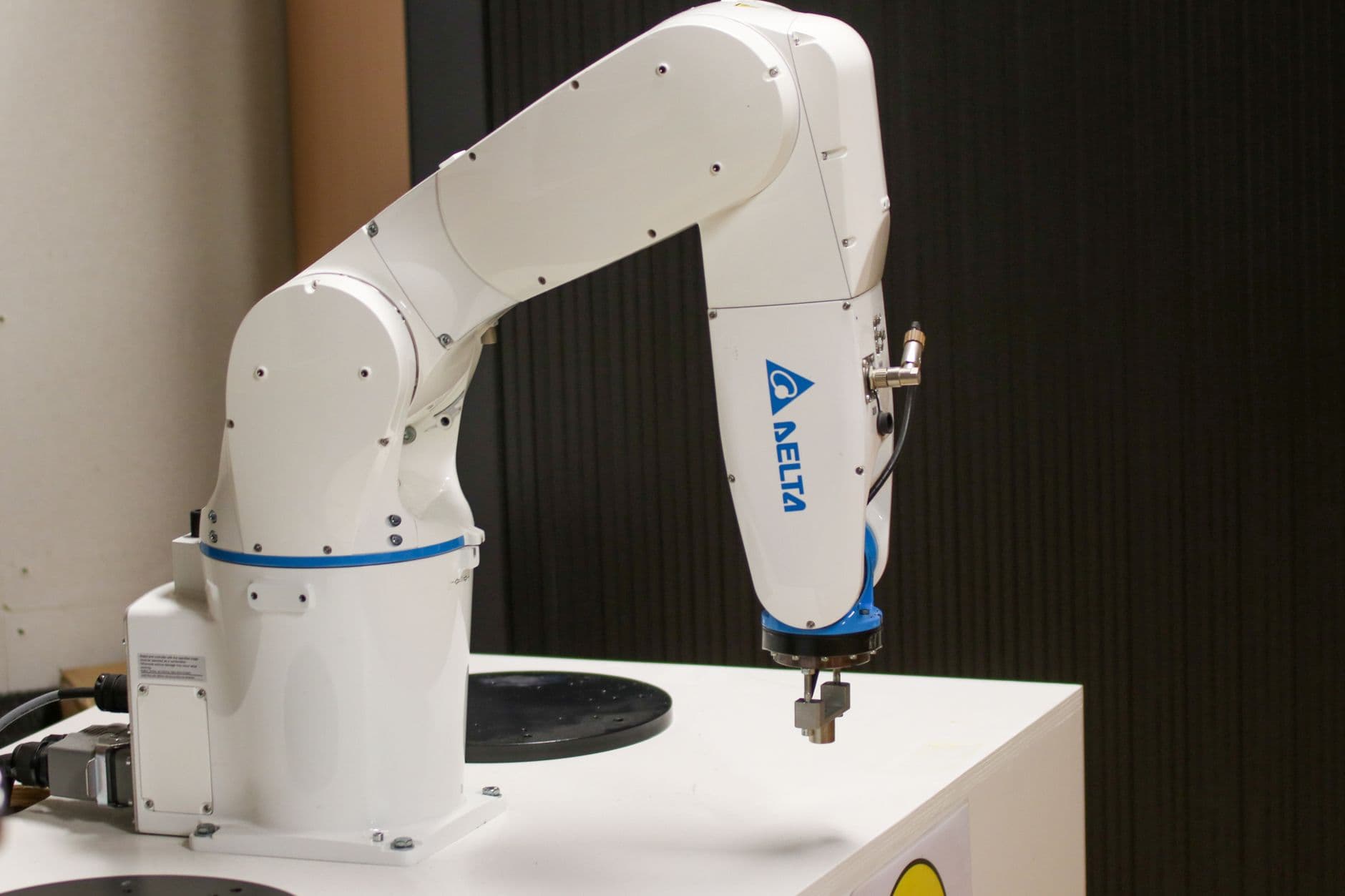
ATW’s Revenue Surge Shows AI‑Chef Power
ATW jumped from about $100 million in 2019 to roughly $1.2 billion today, proving that its AI‑driven approach is delivering real commercial growth. The company credits a hard‑working culture and rapid diversification from module stringers into cell, ingot, wafer and even battery equipment for this near‑exponential rise, as explained by Deputy International Sales Director Paulo Rocha at SNEC 2026.
AI‑Chef: A Central “Brain” That Automates the Full PV Line
The AI Chef is ATW’s proprietary, cloud‑based AI platform that stores the entire process know‑how for ingot, wafer, cell and module production. It acts like a movable “brain”, allowing a factory in any country to run with the same efficiency as a top‑tier Chinese plant without shipping dozens of experts. For example, AI Chef replaces manual seeding decisions in ingot casting with vision‑system‑driven AI models that trigger the melt at the optimal moment, boosting yield and traceability.
Turnkey Factories for Overseas Markets – What ATW Delivers
Unlike in China, where ATW sells individual process tools, overseas customers receive complete, turnkey factories. ATW designs, builds, operates, and then transfers the plant, integrating third‑party equipment where needed. This “build‑operate‑transfer” model matches the needs of emerging manufacturers that lack deep integration expertise, and it has become a pillar of ATW’s revenue, with overseas sales growing from about 10 % of revenue in 2019 to a much larger share today.
Southeast Asia Becomes ATW’s Main Growth Engine
ATW identifies Southeast Asia as its top overseas region, led by Malaysia, Vietnam and Thailand. The area’s rapid manufacturing relocation—driven by tariffs and geopolitics—offers a fertile market for ATW’s turnkey solutions. Industry data shows Southeast Asia hosts about 93 GW of PV modules and roughly 70 GW of cells as of the first quarter of 2024, underscoring the scale of opportunity for ATW’s AI‑enabled factories.
Global PV Equipment Market Context – Overcapacity & Opportunities
The worldwide PV equipment market was valued at $16.6 billion in 2024 and is projected to grow at a CAGR of over 23 % through 2034. However, China is now in an overcapacity phase, with domestic orders falling while overseas demand rises. ATW’s strategy of exporting mature, AI‑optimized lines directly addresses this shift, turning Chinese overcapacity into export growth.
What It Means for Israel’s Solar Landscape
For Israeli installers, ATW’s AI‑Chef could lower the cost of high‑efficiency cell and wafer lines, eventually bringing cheaper, higher‑yield modules to the local market. Using typical Israeli figures, a 10 kW home system would cost about ₪31,500 (10 kW × ₪3,150/kWp). In the central region, the system would generate roughly 17,000 kWh/year (10 kW × 1,700 kWh/kWp). At the residential tariff of ₪0.48/kWh, that electricity is worth ≈₪8,160 per year, giving a simple payback of about 3.9 years—well within the 25‑year system life. Faster, AI‑driven manufacturing could shrink module prices further, shortening payback periods and helping Israel meet its 30 % renewable electricity target for 2030.
Outlook: AI‑Driven Manufacturing and Israel’s Renewable Targets
As ATW scales its AI‑Chef platform across Southeast Asia and beyond, the global supply of high‑quality PV modules is set to expand while costs fall. For Israel, this translates into more affordable solar panels, faster deployment of rooftop and utility‑scale projects, and a clearer path to the 20 % (2025) and 30 % (2030) renewable electricity goals. Stakeholders should watch ATW’s overseas roll‑outs, as they often herald the next generation of cost‑effective, AI‑optimized solar hardware that will soon enter the Israeli market.
Sources & further reading
- ATW Technology 2025 Company Profile: Stock Performance & Earnings | PitchBook
- ATW at SNEC 2026: Optimizing the full spectrum of PV manufacturing...
- CES 2024: Tech companies transforming kitchens with AI, robots | AP News
- AI-Powered Workforce Engagement Management Software - Verint
- Full article: The Algorithmic Appetite: Reflections on the Future of...
FAQ
What is ATW’s AI Chef?
AI Chef is ATW’s cloud‑based AI platform that stores and runs the complete process knowledge for ingot, wafer, cell and module production, allowing factories to operate with minimal human intervention.
How fast has ATW grown recently?
Revenue rose from about $100 million in 2019 to roughly $1.2 billion today, and overseas sales have climbed from ~10 % to nearly one‑third of total revenue.
Which region is ATW focusing on for overseas sales?
Southeast Asia – led by Malaysia, Vietnam and Thailand – is ATW’s top market, accounting for the bulk of its recent export growth.
How does ATW’s turnkey model differ from its China sales?
In China ATW sells individual process tools; abroad it delivers complete factories, handling design, construction, operation and eventual hand‑over to the customer.
What could ATW’s technology mean for Israeli homeowners?
Cheaper, higher‑efficiency modules could lower the cost of a 15 kW rooftop system to a ~4‑year payback, accelerating Israel’s move toward its 30 % renewable electricity target.
Is the global PV equipment market growing?
Yes – valued at $16.6 billion in 2024 and expected to grow at a CAGR above 23 % through 2034, despite overcapacity challenges in China.
Share this post
More from Technology
6
Colored Perovskite Tandems Boost BIPV Efficiency
Microquanta has launched a commercial 26 % efficient coloured perovskite‑silicon tandem BIPV module, offering higher power density and in‑house colour customisation for architects.
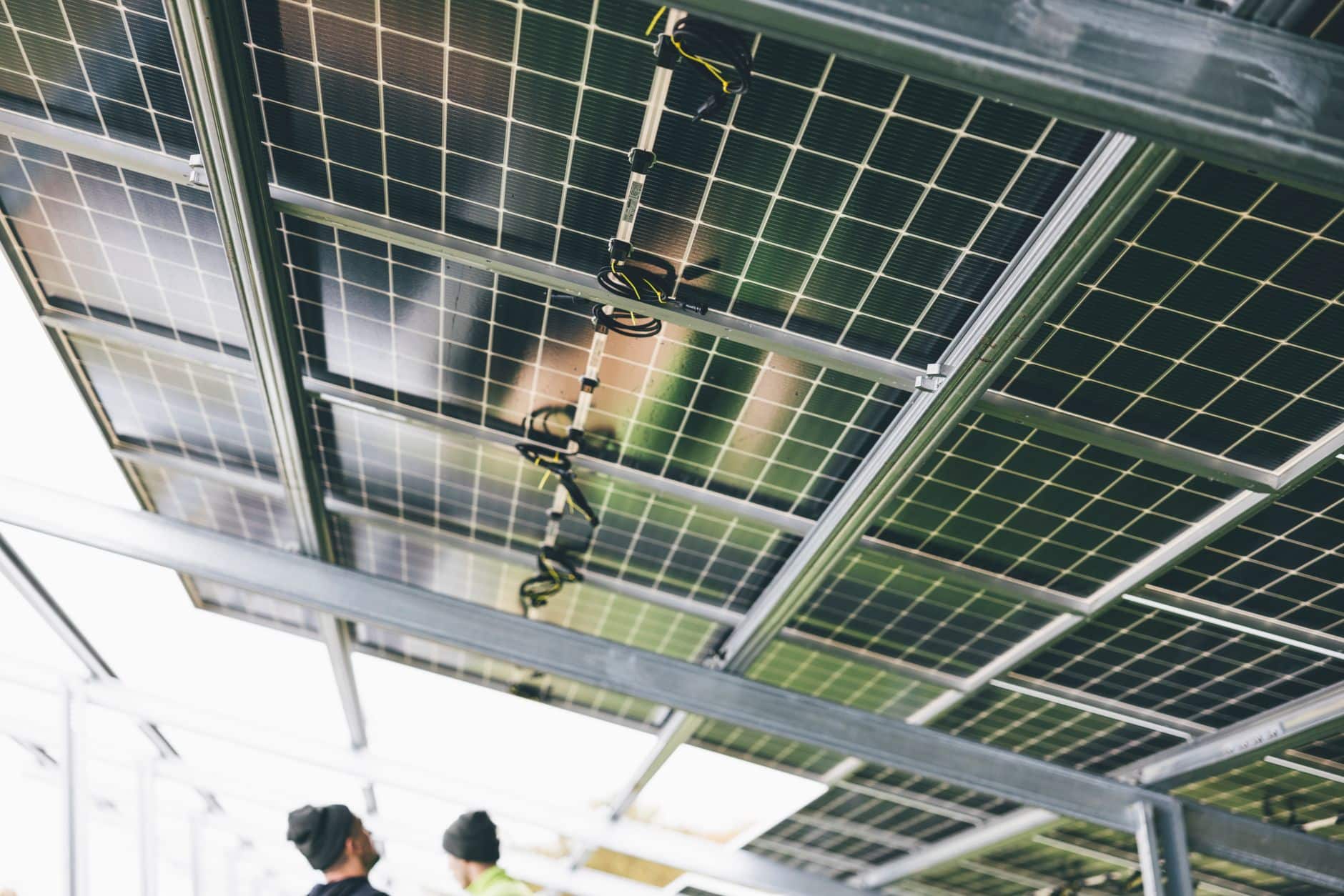
Lightweight Solar Panels Set to Boost Rooftops
Apollo Power unveiled ultra‑light, flexible solar panels at Intersolar Europe, promising a much lower weight than traditional modules and faster, cheaper rooftop installations.
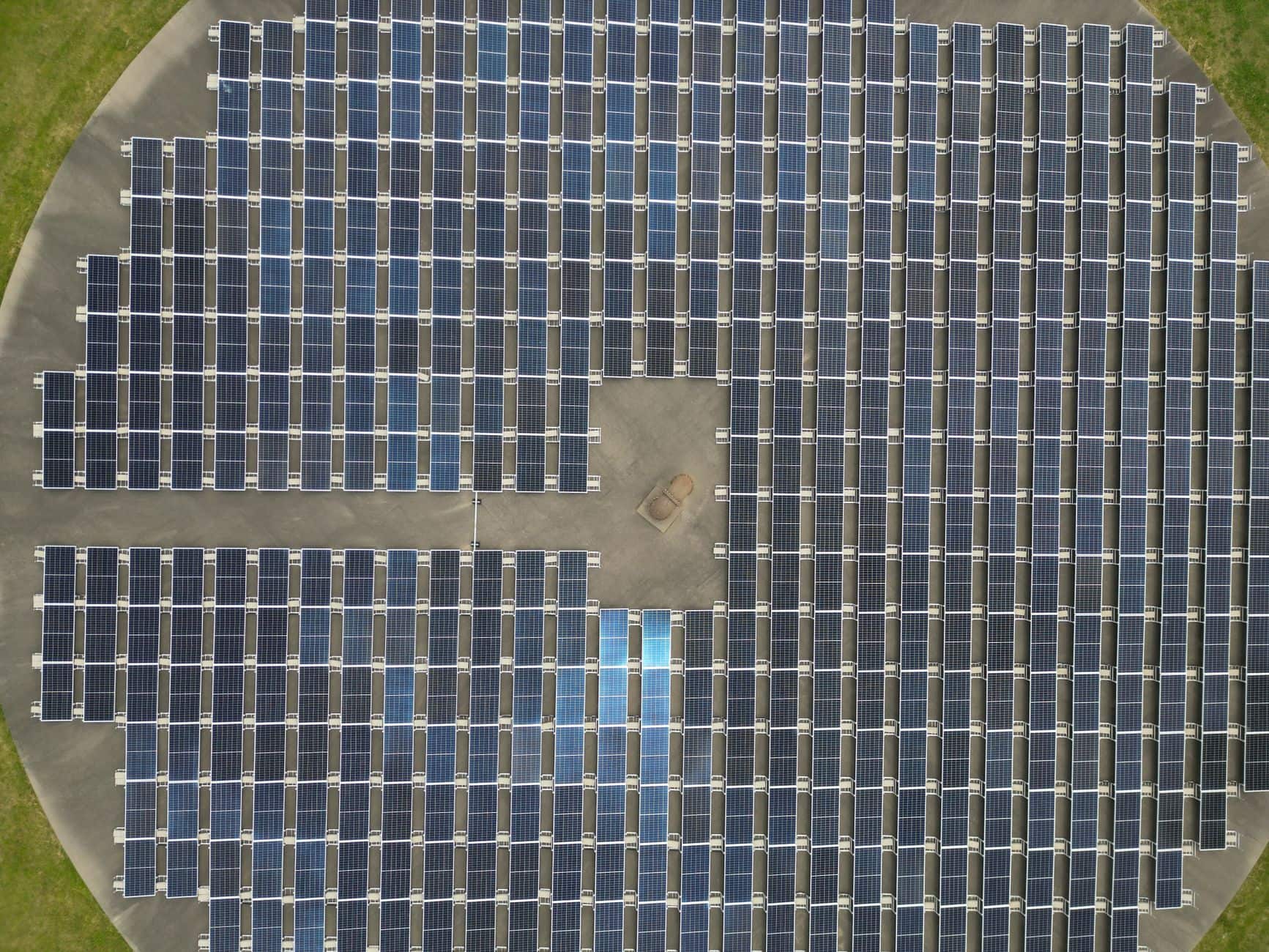
Trina Solar Unveils 670 W TOPCon Panels for Utility Scale
Trina Solar’s new 670 W TOPCon module reaches 24.8 % efficiency and over 85 % bifaciality, promising up to a 5 % LCOE cut for utility‑scale farms and a quicker payback for a typical Israeli rooftop system.
US Cell Production Surge Redefines Solar Future
Talon PV plans a 9.6 GW U.S. solar‑cell platform by 2030, positioning the United States to lead the next wave of PV technology and supply‑chain resilience, with implications for Israel’s renewable goals.
Europe’s AI Data Centres Need Solar Flexibility
Europe can triple its data‑centre capacity by 2035 while staying on track for climate neutrality, but only if solar‑powered demand‑side flexibility, cross‑border trading and smarter grid integration are adopted.

Europe’s Solar Buildout Hits a Pause
Europe’s solar‑panel boom is flattening as grid upgrades and battery storage lag behind, causing an 8 % drop in new installations in H1 2026.