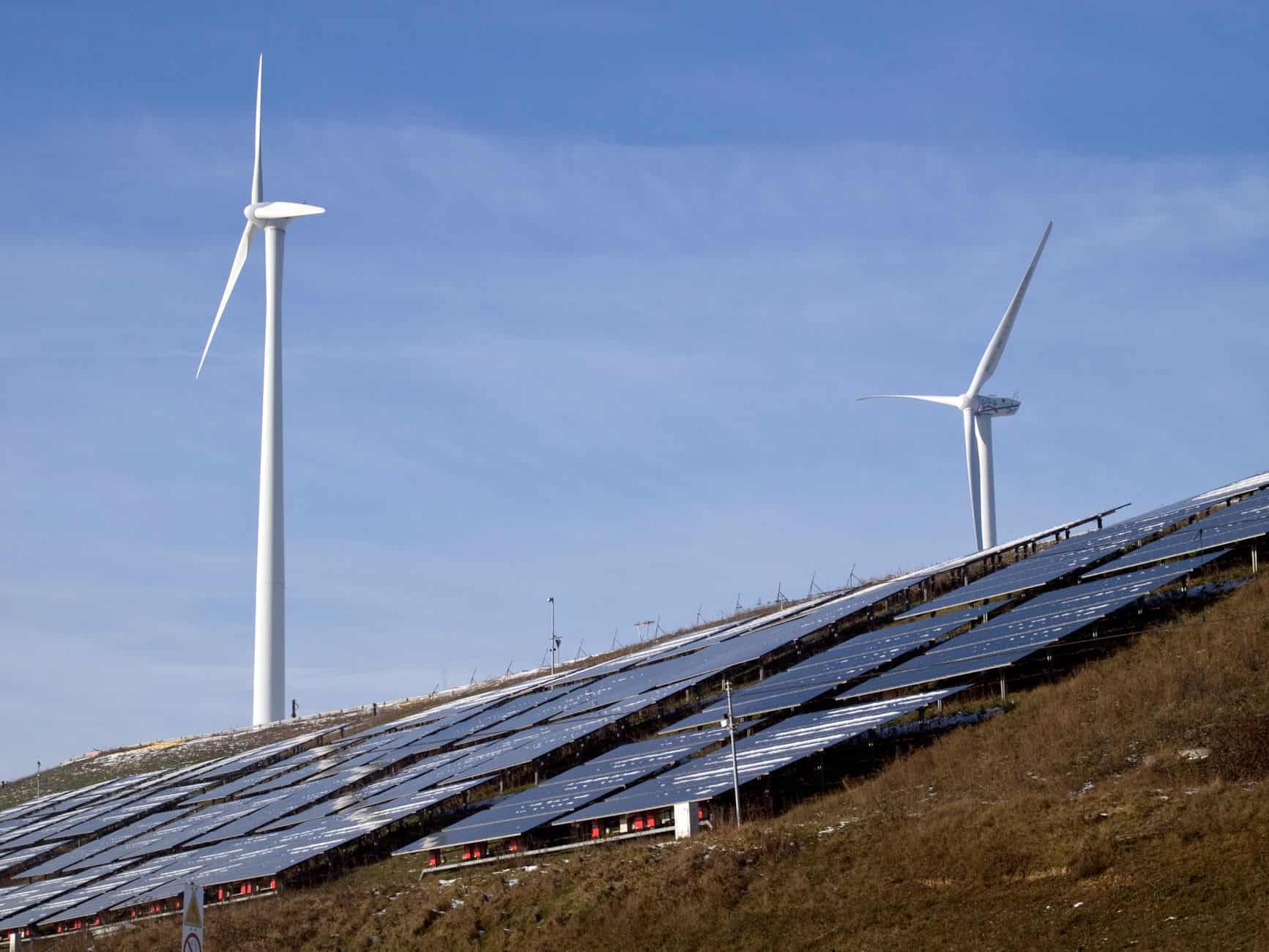
Denmark’s Battery Storage Fuels Renewable Boom
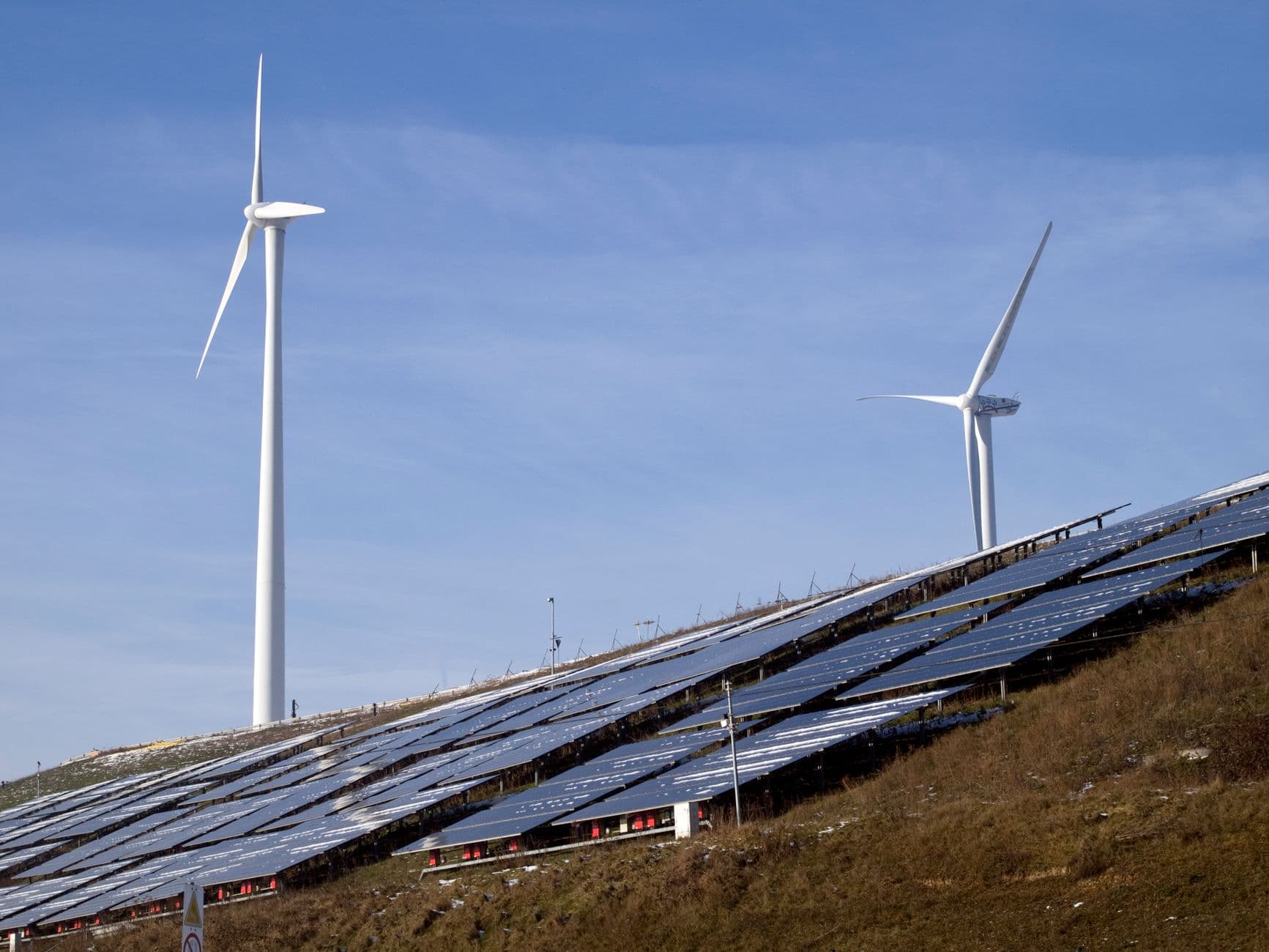
Battery storage is now Denmark’s fastest‑growing renewable segment
Denmark’s battery‑energy‑storage (BESS) market has seen rapid growth over the past year, according to board members of the Danish Solar Association. The surge is driven by volatile electricity prices and the need to make solar and wind projects financially viable, not by subsidies – Denmark offers no direct incentives for batteries.
Market size: billions in revenue and double‑digit growth
The >500 MWh segment of Denmark’s BESS market is projected to generate a large amount of revenue in 2024 and to grow at a strong double‑digit CAGR through 2032. By comparison, the whole European BESS market is valued at tens of billions of dollars in 2024 and is expected to reach around US$18 billion by 2030 with a 14.4 % CAGR. Denmark’s single segment therefore outpaces the broader European market both in absolute revenue and growth rate.
Investors are chasing hybrid solar‑wind‑storage projects
Developers say pure‑PV or pure‑battery projects are seen as too risky by lenders. When a solar farm, a wind park and a battery are bundled, the combined asset delivers a smoother power profile, higher capacity factors and better cash‑flow certainty, which “pulls the money”. The Danish Solar Association notes that adding storage to an existing plant faces far less bureaucracy than building a brand‑new solar site, further sweetening the deal for financiers.
Grid bottlenecks are the new limiting factor
While financing is plentiful, the transmission system operator (TSO) Energinet has temporarily paused new large‑scale grid connections as it evaluates the impact of a surge in renewable generation and rising electricity demand. Developers report that communication gaps with the TSO and distribution system operators (DSOs) are the biggest practical hurdle, and that flexible grid‑connection procedures could unlock more projects.
What it means for Israel’s rooftop solar owners
Israel’s residential solar market still relies heavily on PV alone, but Denmark’s experience shows that adding a battery can improve economics in a volatile price environment. Using the typical Israeli figures (₪0.48 /kWh residential tariff, ₪3 150 /kWp installation cost, 1 700 kWh /kWp annual yield in the central region), a 10 kWp home system produces about 17 000 kWh / year, worth ≈₪8 160 annually. Adding a battery would increase the upfront cost and could provide additional savings on electricity bills, shortening the payback period compared with PV alone. This illustrates that Israeli homeowners can improve project economics and hedge against price spikes by pairing solar panels with storage – especially as the national target of 30 % renewable electricity by 2030 tightens the grid.
Outlook: policy lessons and market momentum
Denmark’s rapid BESS expansion shows that clear permitting pathways and market signals can replace subsidies in spurring storage adoption. For Israel, the lesson is to streamline the approval process for residential and commercial battery additions and to provide transparent price‑signal mechanisms (e.g., time‑of‑use tariffs) that make storage financially attractive. If policymakers follow that playbook, the next decade could see a wave of hybrid rooftop systems that not only cut bills but also bolster grid stability.
Sources & further reading
FAQ
Why is Denmark’s battery storage market growing so fast?
Because volatile electricity prices and easy permitting make storage the most reliable way to improve returns on solar and wind projects, even without subsidies.
How much revenue does the >500 MWh segment generate?
It is projected to bring in about US$747.8 billion in 2024.
What’s the main challenge for new renewable projects in Denmark?
The transmission system operator has paused large‑scale grid connections, creating a bottleneck despite abundant financing.
Can Israeli homeowners benefit from adding batteries?
Yes – a 5 kWh battery can shave roughly ₪2 500 off the yearly electricity bill of a typical 10 kWp rooftop system, cutting the payback period to about five years.
Is Denmark offering subsidies for batteries?
No, the market growth is driven purely by market signals and a streamlined permitting process.
How does Denmark’s BESS growth compare to Europe’s overall market?
Denmark’s single segment is growing at 17 % CAGR, faster than the European BESS market’s 14.4 % CAGR.
Share this post
More from Storage
6
HiTHIUM ARKVOLT: Industrial Home Batteries Debut
HiTHIUM’s ARKVOLT series brings industrial‑grade, 95 % DoD home batteries to Europe, offering up to 30 kWh capacity and 11 000‑cycle life, a move that could reduce Israeli household electricity bills while aiding renewable‑energy targets.
Home Battery Costs Hit $139/kWh in 2026
In 2026 residential battery storage fell to $139/kWh, leading to an 8‑12‑year payback for typical home solar‑plus‑battery systems and a modest extension of the payback period for Israeli households.
Moonwatt Sodium‑Ion BESS Boosts Solar Efficiency
Moonwatt’s modular sodium‑ion battery can deliver up to 94% solar‑to‑grid efficiency while cutting balance‑of‑plant costs by roughly 50%, offering a scalable, passive‑cooled alternative to lithium‑ion for utility‑scale PV in Israel and beyond.

Hybrid Solar‑Battery Projects Lead Global Energy Shift
Australia’s NEM will pair 100 % of new utility‑scale solar (2027‑28) with battery storage, and the 98 MW Quorn Park hybrid is now the global blueprint for reliable, dispatchable renewable power.

Solar Beats Gas in California via Batteries
California’s solar farms beat natural‑gas plants on most days last year, thanks to a surge in battery storage that lets excess sun be saved for peak‑hour use.

FRV Secures 2.3 GW Germany, Pushes Solar‑Battery
FRV secured 2.3 GW of grid access in Germany and will pair the new solar farms with battery storage, a move that could drive down solar panel prices worldwide.