
Colored Perovskite Tandems Boost BIPV Efficiency

Microquanta’s 26% colored tandem modules are now a commercial BIPV product
Microquanta has rolled out a fully‑commercial line of perovskite‑silicon tandem solar modules that reach 26 % conversion efficiency while offering in‑house colour customisation such as a marble‑effect façade. The launch was announced at the Smarter E event in Munich and targets architects who need both high power output and aesthetic flexibility.
How four‑terminal perovskite‑silicon tandems overcome the colour penalty
Traditional coloured BIPV panels typically experience a reduction in output because coloured glass filters part of the solar spectrum. Microquanta’s design stacks a wide‑gap perovskite top cell (≈1.75 eV) on a TOPCon n‑type silicon bottom cell in a four‑terminal configuration, so each sub‑cell can be optimised independently. The perovskite layer absorbs the high‑energy photons, while the silicon layer harvests the remaining spectrum, preserving much of the power that would otherwise be lost to colour filters. This architecture is the same that enabled record‑breaking laboratory efficiencies above 30 % in tandem cells reported by LONGi in 2024 GreenLancer.
Performance specs and durability guarantees
- Efficiency: 26 % (certified).
- Power range: 65 W – 165 W per module, suitable for low‑rise façades and high‑rise curtain walls.
- Degradation: 2 % loss in the first year, then 0.7 % per year, guaranteeing 80 % of the original output after 25 years.
- Warranty: 25‑year linear power output warranty plus a 12‑year product and workmanship warranty.
- Mechanical robustness: Rated for 2 400 Pa static load, hail‑tested with 25 mm stones at 23 m s⁻¹, and approved for systems up to 1 500 V and 15 A.
These figures are comparable to the durability standards of premium silicon BIPV products, but the coloured tandem adds the aesthetic advantage of on‑site colour tailoring – a capability highlighted by Microquanta’s spokesperson as a differentiator from competitors that rely on externally sourced coloured glass.
Market context: premium BIPV is growing fast
The global building‑integrated photovoltaics (BIPV) market is projected to reach US$ 16.66 bn in 2026 ‑ Mordor Intelligence. Within that, the colored BIPV segment is expected to jump from US$ 4.01 bn in 2025 to US$ 19.02 bn by 2036 Future Market Insights. Analysts attribute this surge to growing demand for integrated aesthetics and the willingness to pay a premium for façade‑integrated power.
Perovskite‑silicon tandems are the technology driving that premium. A 2025‑2035 market study notes that perovskite‑based tandem modules are moving from pilot to mass‑production phase, with several gigawatt‑scale lines under construction worldwide IDTechEx. Microquanta’s own gigawatt‑scale perovskite line in Quzhou, Zhejiang, signals that the supply chain is scaling up fast enough to meet the projected demand.
Cost outlook: higher price but competitive in the premium niche
Microquanta acknowledges that the coloured tandem modules will cost more than conventional single‑junction BIPV panels, yet the company argues they remain competitive within the premium BIPV segment where design flexibility outweighs raw price. Premium BIPV projects often accept higher costs for custom finishes, integrated mounting, and higher efficiency Perovskite‑Info.
What it means for Israel
Israel’s dense urban fabric makes roof‑area a scarce resource. A higher‑efficiency coloured tandem module can deliver the same power output with a smaller roof footprint compared with typical silicon BIPV panels. Using Israel’s typical residential tariff of ₪0.48 /kWh and the average installation cost of ₪3 150 /kWp, a standard 10 kW silicon BIPV system costs about ₪31 500 and generates roughly 17 000 kWh yr⁻¹ (1700 kWh kWp⁻¹ for the central region). A coloured tandem system of comparable output would be somewhat more expensive due to the premium finish, but the annual revenue would remain similar, keeping the simple payback within a few years and well under the 25‑year module lifetime.
Beyond economics, the higher power density helps meet Israel’s 30 % renewable electricity target for 2030 by allowing more megawatts to be installed on limited rooftop space, especially in high‑rise residential towers where façade integration is the only viable option.
Outlook: from niche façade to mainstream rooftop
Microquanta’s launch demonstrates that coloured perovskite‑silicon tandems have moved from laboratory curiosity to market‑ready product. With durability warranties matching traditional silicon, and with the global coloured BIPV market set to grow substantially, we can expect architects and developers in Israel and abroad to start specifying these modules for high‑visibility projects. The upcoming gigawatt‑scale production line should also drive costs down, potentially narrowing the premium gap and making coloured tandem BIPV a mainstream choice for the next generation of solar‑powered buildings.
What it means for Israel
- Roof‑area savings: coloured tandem modules require less roof surface for the same power output, freeing space for other uses or additional PV.
- Payback: still well within the 25‑year lifespan, even with a modest price premium.
- Policy fit: Helps meet the 30 % renewable electricity goal for 2030 without requiring new land.
- Design appeal: Enables high‑rise façades to blend solar generation with premium architecture, aligning with Israel’s urban development trends.
For a quick ROI estimate, try our solar calculator. For market data, see our BIPV data page.
Sources & further reading
- Perovskite-Info | Perovskite Industry Portal
- Perovskite Photovoltaic Market 2025-2035: Technologies, Players...
- Perovskite Solar Cells Market Size, Forecasts Report 2025-2034
- Perovskite Solar Cell vs. Silicon: Working Principle & 2026 Outlook
- Thin-film solar photovoltaics: Trends and future directions - ScienceDirect
FAQ
What is a perovskite‑silicon tandem solar cell?
It stacks a thin perovskite top cell on a silicon bottom cell, letting each capture a different part of the solar spectrum for higher overall efficiency.
Why do coloured solar panels usually lose efficiency?
Colouring glass or coatings filter out portions of sunlight, reducing the amount of energy that reaches the cells.
How does Microquanta avoid the colour penalty?
The company colours the module itself after cell fabrication, so the perovskite‑silicon stack still receives the full spectrum before the colour is applied.
Are coloured tandem modules durable enough for real buildings?
Yes – they come with a 25‑year linear power warranty, a 12‑year product warranty, and have passed hail and static‑load tests.
Can Israeli homeowners benefit from this technology?
Higher‑efficiency panels need less roof area, which is valuable in dense cities, and the payback time remains under five years at today’s tariffs.
When will these modules be widely available?
Microquanta says the product is fully commercial now, and a gigawatt‑scale perovskite line under construction should boost supply in the next 12‑18 months.
Share this post
More from Technology
6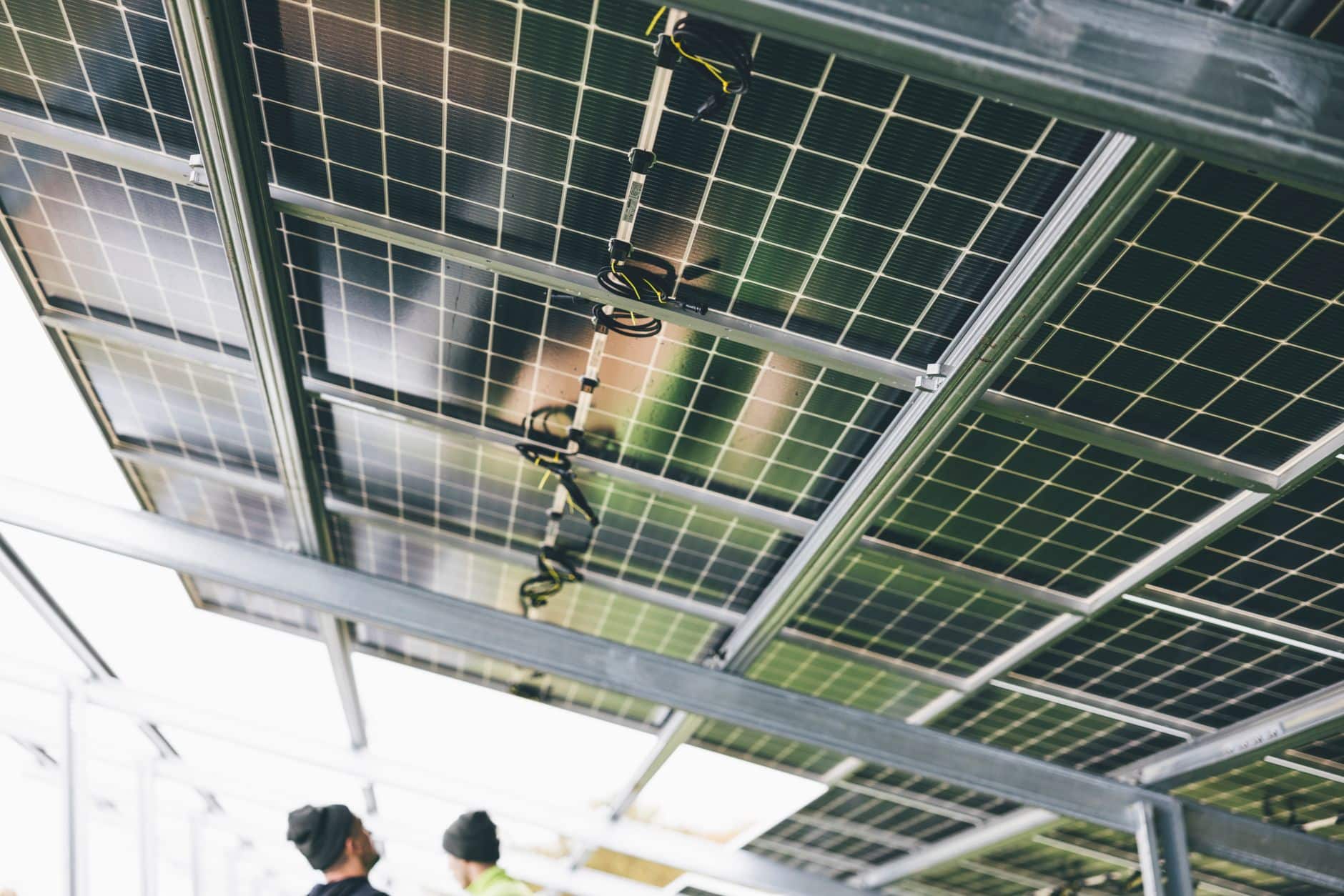
Lightweight Solar Panels Set to Boost Rooftops
Apollo Power unveiled ultra‑light, flexible solar panels at Intersolar Europe, promising a much lower weight than traditional modules and faster, cheaper rooftop installations.
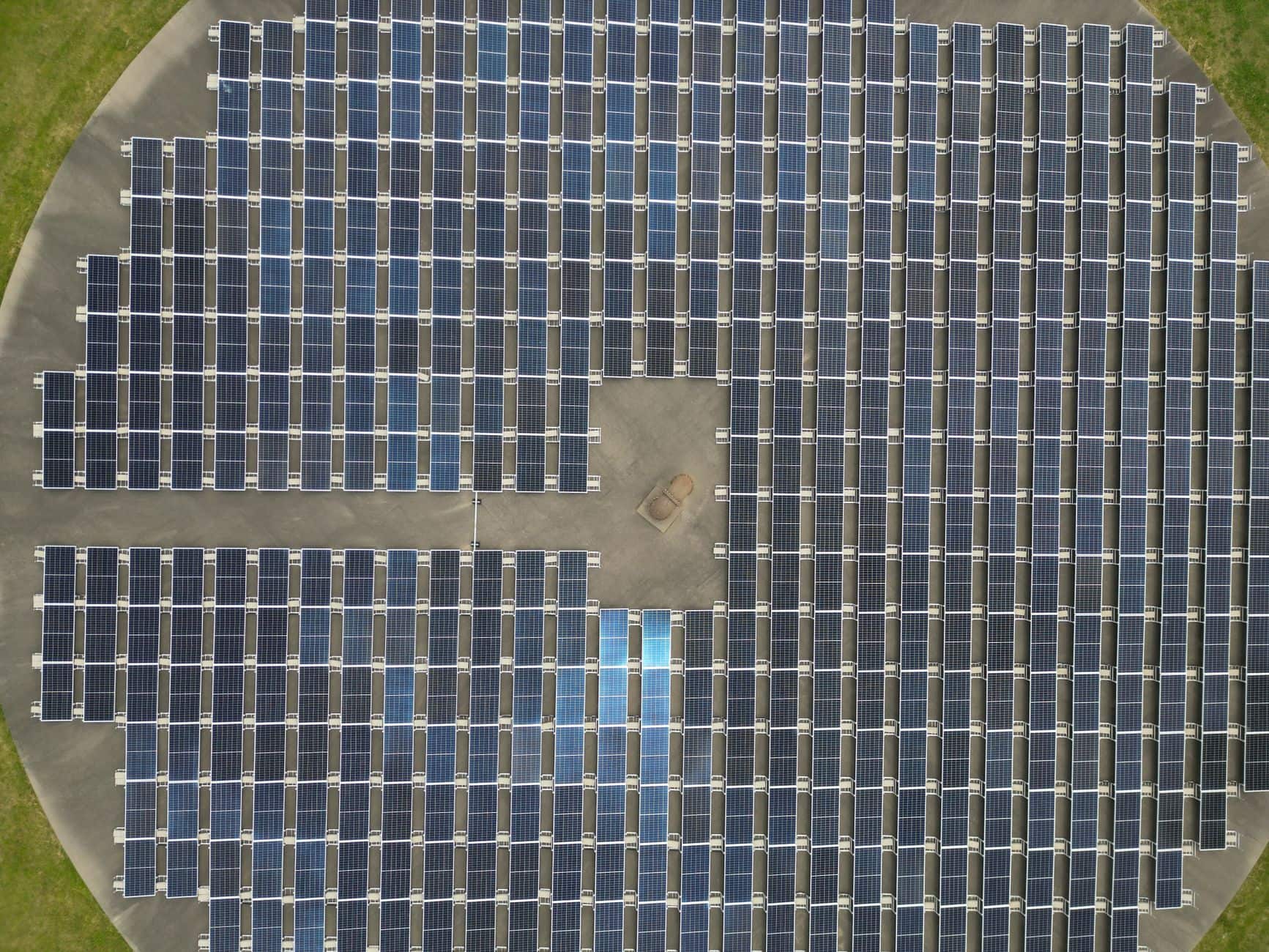
Trina Solar Unveils 670 W TOPCon Panels for Utility Scale
Trina Solar’s new 670 W TOPCon module reaches 24.8 % efficiency and over 85 % bifaciality, promising up to a 5 % LCOE cut for utility‑scale farms and a quicker payback for a typical Israeli rooftop system.
US Cell Production Surge Redefines Solar Future
Talon PV plans a 9.6 GW U.S. solar‑cell platform by 2030, positioning the United States to lead the next wave of PV technology and supply‑chain resilience, with implications for Israel’s renewable goals.
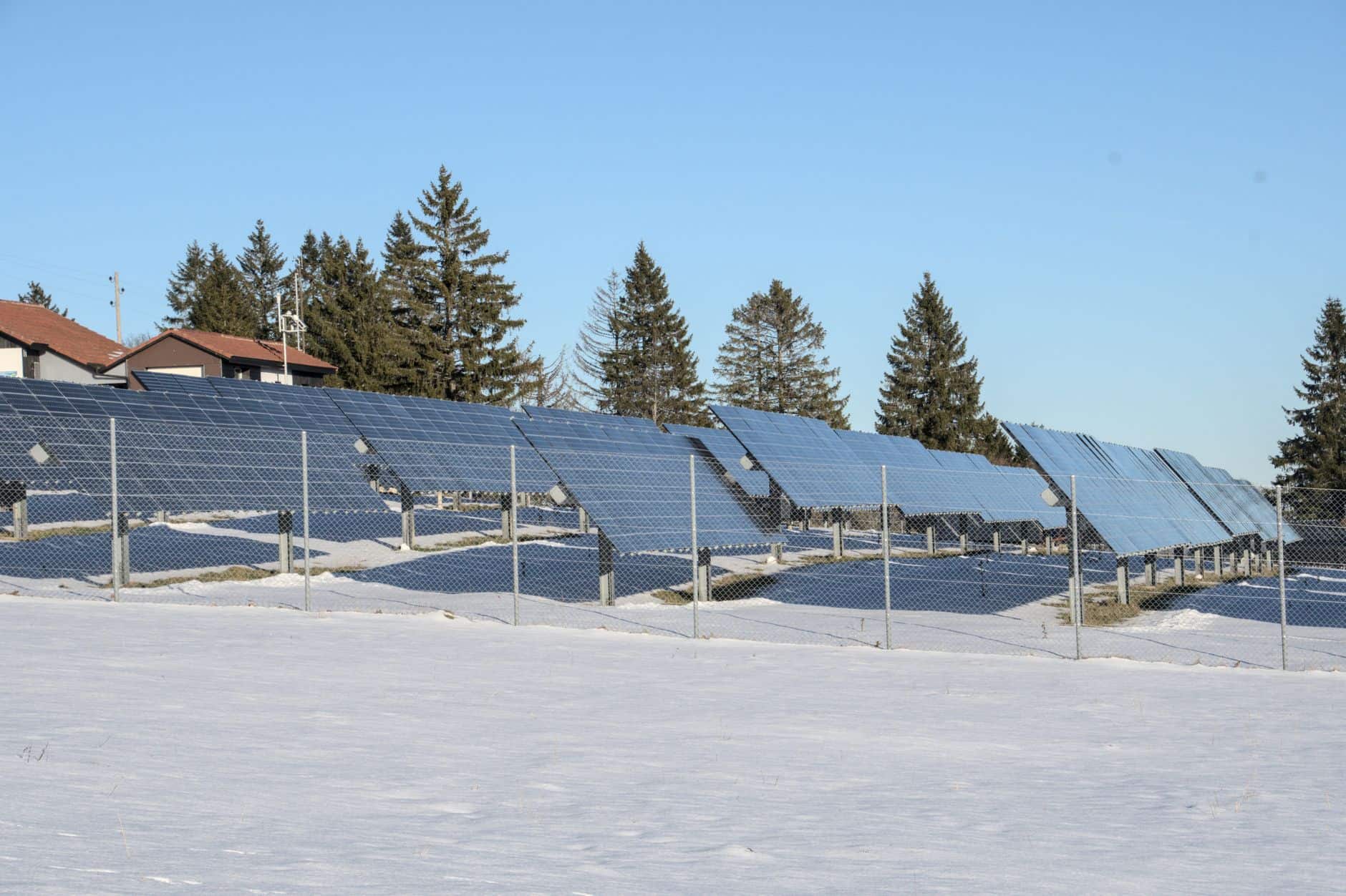
Europe’s AI Data Centres Need Solar Flexibility
Europe can triple its data‑centre capacity by 2035 while staying on track for climate neutrality, but only if solar‑powered demand‑side flexibility, cross‑border trading and smarter grid integration are adopted.

Europe’s Solar Buildout Hits a Pause
Europe’s solar‑panel boom is flattening as grid upgrades and battery storage lag behind, causing an 8 % drop in new installations in H1 2026.

CdTe Solar Panels Cut Costs by Up to 30%
CdTe thin‑film solar cells employ a cadmium‑telluride semiconductor layer and are made by depositing a thin film, offering manufacturing advantages such as lower energy consumption and reduced capital intensity compared with traditional silicon panels.