Nigeria's Solar Gap: Why Tinubu Needs Backing Now
Nigeria’s Energy Deficit in One Number
Nigeria’s grid is delivering under 4,000 MW, far below the level needed to meet national demand, creating daily blackouts for millions and a pressing need for rapid capacity additions.
Solar Capacity Today: A Drop in the Bucket
As of 2023, Nigeria’s total installed solar‑PV capacity is only ≈112 MW, barely a fraction of the nation’s electricity demand. Even with recent projects, the country’s solar footprint remains small relative to the overall deficit.
Ambitious Plans: 3.7 GW Solar Hub by 2030
The Rural Electrification Agency announced that the country has already built 300 MW of solar farms and is targeting 3.7 GW of new solar capacity to position Nigeria as a West‑African renewable‑energy hub. If achieved, solar would still cover only a modest share of the overall shortfall, underscoring the scale of the challenge.
Financing the Transition: Loans and Investment Targets
At the London Climate Summit, the African Development Bank pledged a US$500 million loan to expand renewable‑energy access and modernise the grid. Separately, the federal government has announced a US$410 billion renewable‑energy investment goal by 2060. These funds are essential but will need to be leveraged alongside private capital to reach the 3.7 GW target.
What It Means for Israel
For Israeli homeowners, the economics of rooftop solar are already clear. A typical 10 kWp system in central Israel yields about 17,000 kWh / year. At the residential tariff of ₪0.48 /kWh, that translates to ≈₪8,160 / year in avoided electricity costs. With a turnkey cost of ₪3,150 /kWp, the upfront investment is ≈₪31,500, giving a simple payback of ~3.9 years.
If a similar 10 kW system were deployed widely in Nigeria, a very large number of installations would be required to make a noticeable dent in the overall deficit, illustrating the massive scale needed compared with Israel’s modest rooftop market.
Outlook: Challenges and Timeline
Even with the 3.7 GW pipeline, Nigeria must overcome grid‑integration bottlenecks, financing gaps, and policy uncertainty. The AfDB loan and the 2060 investment pledge are promising, but without accelerated private‑sector participation the energy deficit will likely persist beyond 2030. Observers note that renewable‑energy’s share of Nigeria’s electricity mix remains a tiny fraction of total generation, highlighting the need for substantial growth.
Key takeaway: Nigeria’s power shortfall is massive, its current solar capacity is tiny, but a bold 3.7 GW solar push backed by multibillion‑dollar financing could start to narrow the gap – a lesson that resonates with Israel’s own successful rooftop‑solar model.
Sources & further reading
FAQ
How much solar power does Nigeria currently have?
Around 112 MW of solar PV was installed by the end of 2023, which is less than 1 % of the country’s electricity demand.
What is Nigeria’s electricity shortfall?
The grid delivers under 4,000 MW while demand is expected to exceed 15,000 MW by 2025, leaving a deficit of roughly 11,000 MW.
What solar capacity is Nigeria planning to add?
The government aims to build 3.7 GW of new solar capacity, adding to the 300 MW already commissioned.
Is there international financing for Nigeria’s renewable push?
Yes, the African Development Bank has pledged a US$500 million loan to expand renewable energy and modernise the grid.
How does the solar payback in Israel compare?
A typical 10 kWp home system in Israel pays for itself in about 3.9 years, earning roughly ₪8,160 per year in avoided electricity costs.
What would it take to close Nigeria’s deficit with rooftop solar?
About 1.5 million 10 kW rooftop systems would be needed to supply the 15 GW shortfall, highlighting the massive scale required.
Share this post
More from Markets
6
Turkey Launches 900 MW Solar Tender
Turkey will open a 900 MW solar tender on 13 October, part of its push to reach 120 GW of renewable capacity by 2035.

Spain’s 20‑GW Wafer Plant Fuels Europe’s Solar
Sunwafe secured a €200 million grant to build a 20 GW silicon wafer factory on a 30‑hectare site in northern Spain, a plant that could supply half of Europe’s wafer demand by 2030.
US Solar Module Prices Hold at $0.30/W
U.S.-assembled solar module prices held steady at $0.30 per watt in Q2 2026, driven by FEOC‑related divestitures and a fresh South Korean tariff petition.
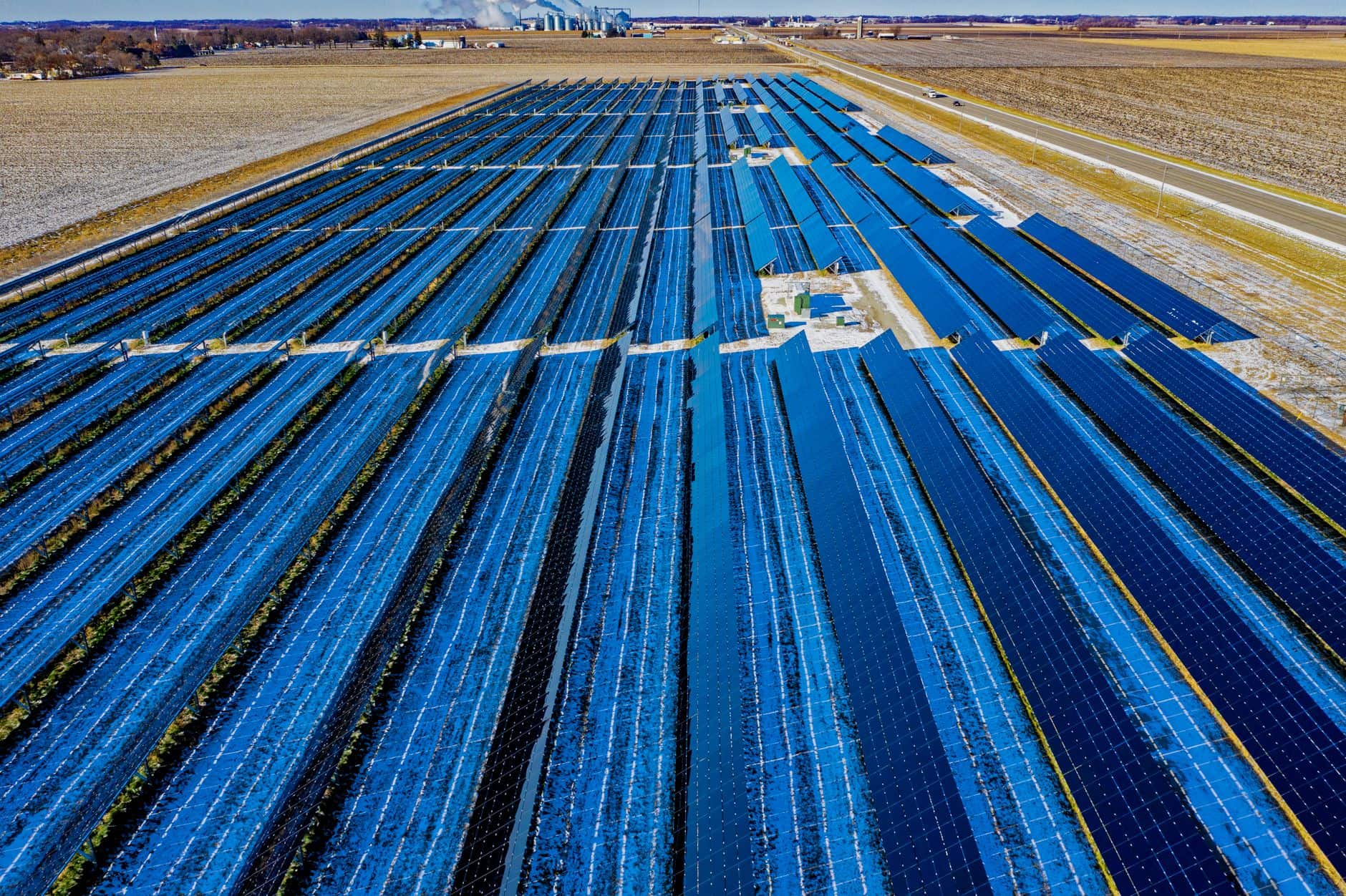
Zambia's Solar Boom: New Deals Power the Future
Zambia is rapidly becoming Africa’s most attractive solar market thanks to new procurement mechanisms, a Norway‑backed carbon‑finance facility, and open‑access rules that de‑risk large‑scale solar‑plus‑storage projects.
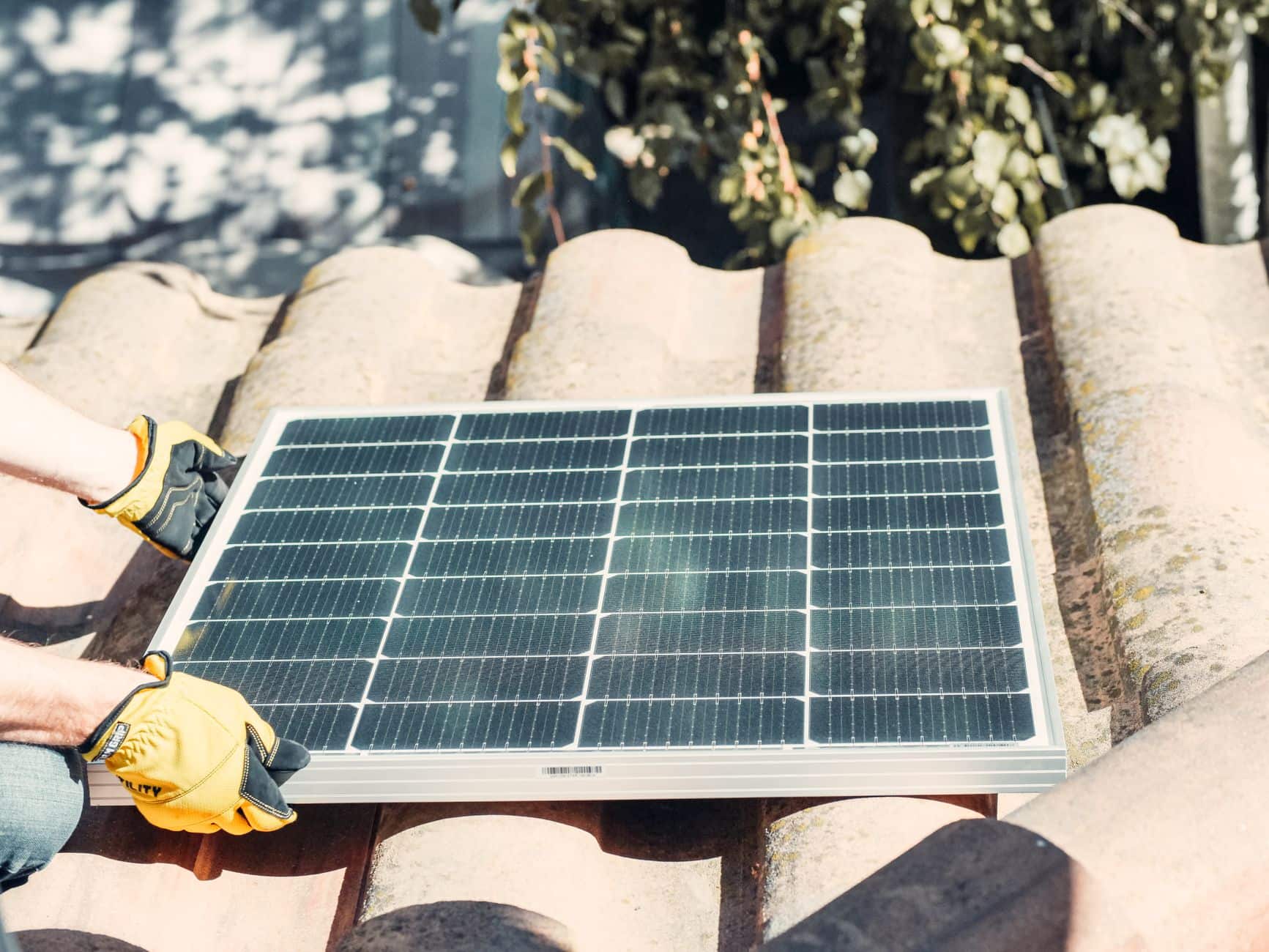
Australia June Solar Install Drop Still Record
Australia installed 322 MW of rooftop solar in June 2026 – a 4 % dip month‑on‑month but still the strongest June on record, adding about 0.7 % to the nation’s total PV stock.
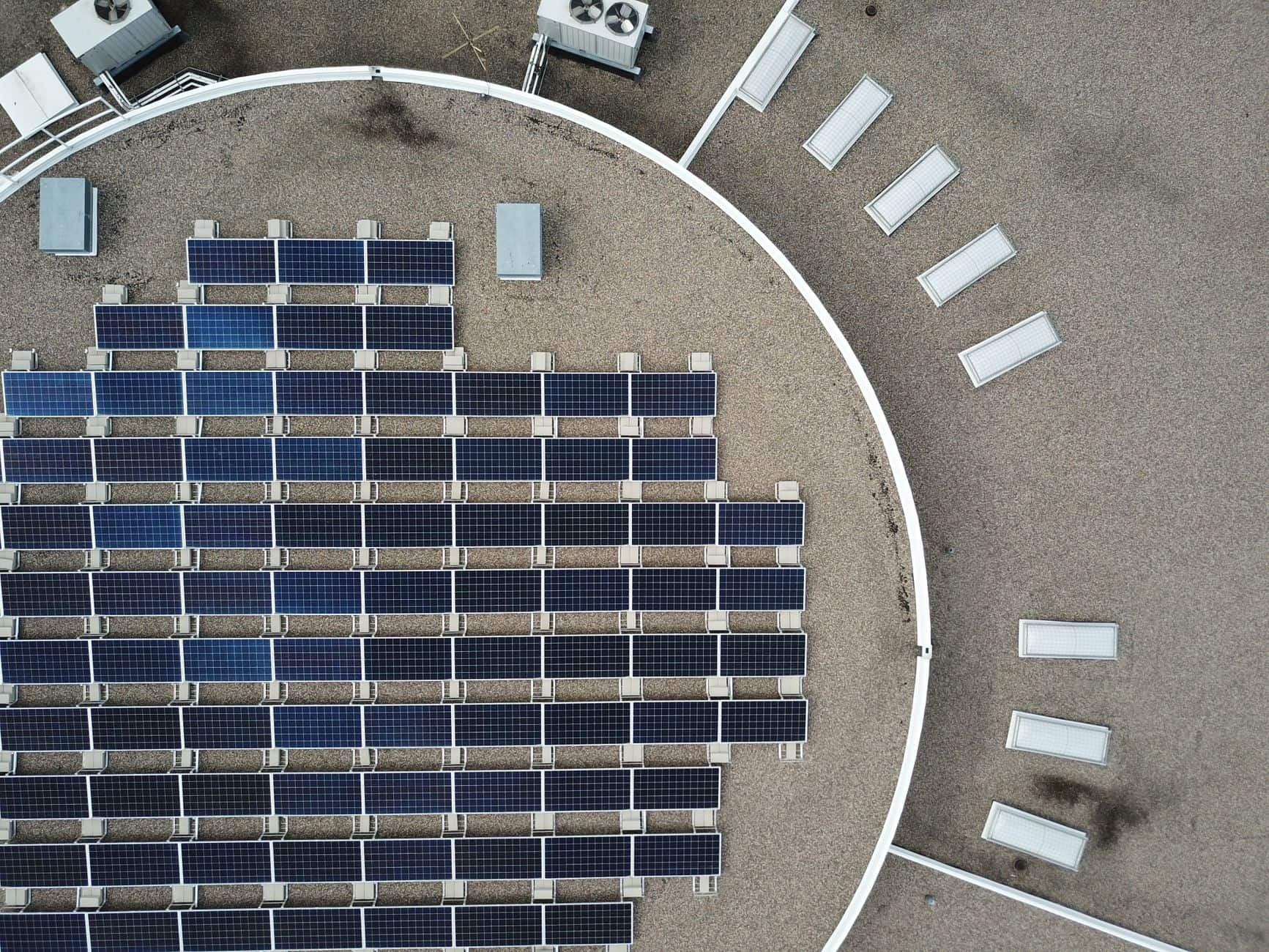
France’s C&I Rooftop Solar Hits Record Low Price
France awarded 300 MW of C&I rooftop solar at a record‑low €0.082/kWh, with demand five times the supply and rooftop projects making up 62 % of the allocation.