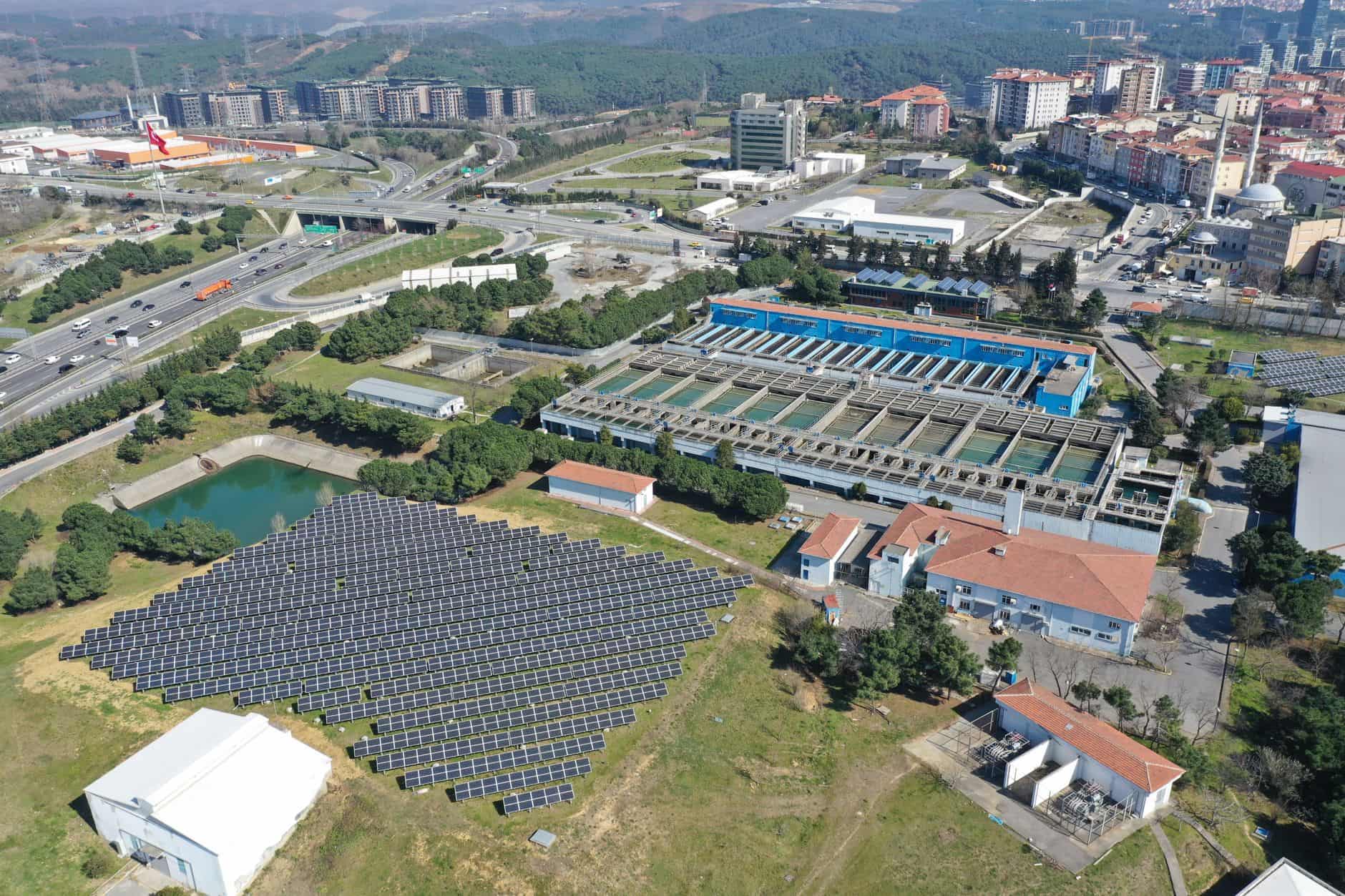
Turkey Launches 900 MW Solar Tender
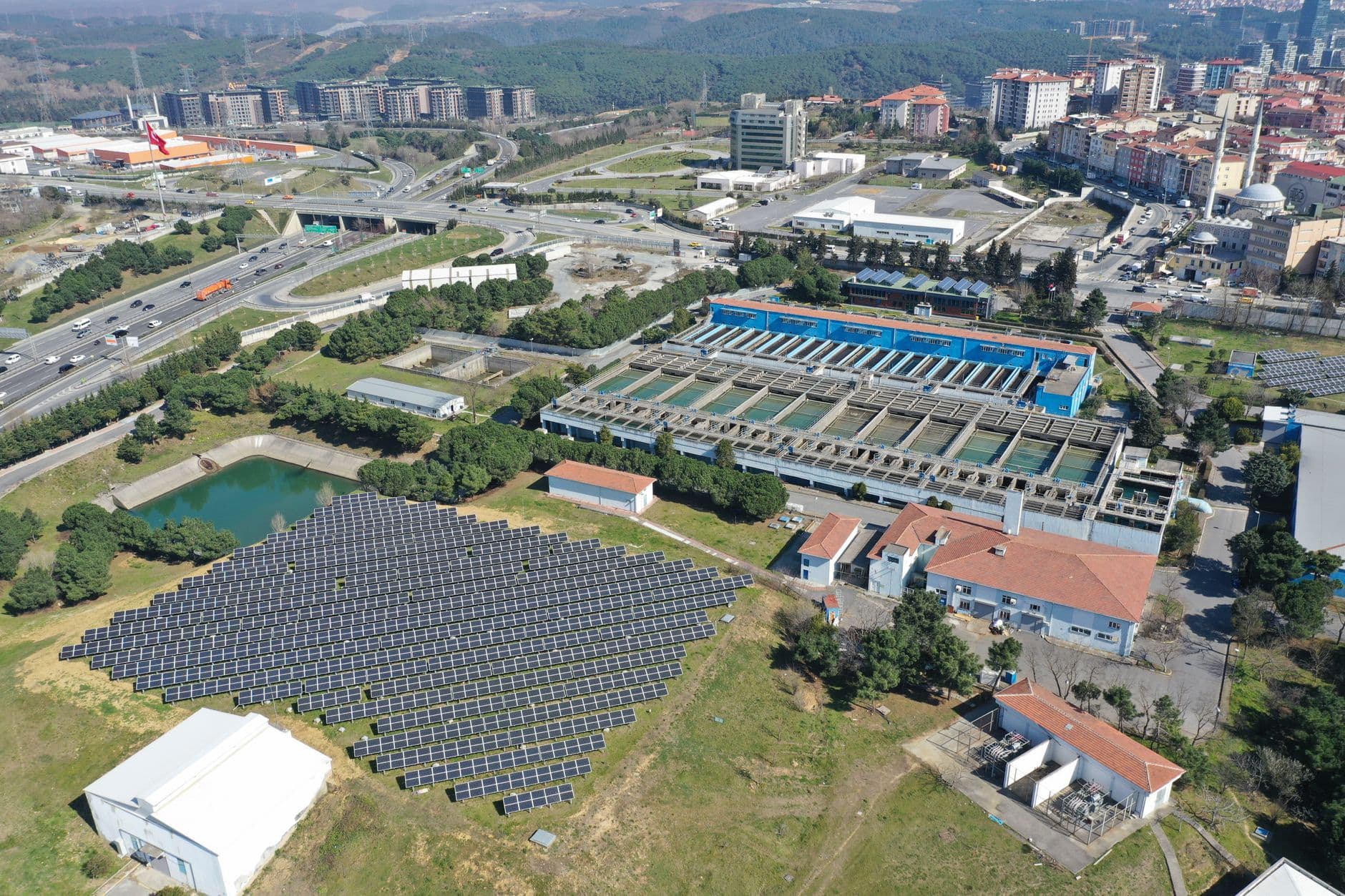
Turkey’s 900 MW solar tender opens Oct 13 – key facts
Turkey will start a new round of Renewable Energy Resource Area (YEKA) auctions on 13 October, offering 14 solar projects totalling 900 MW of capacity. The projects range from 25 MW up to 230 MW and are spread across nine provinces, including Ankara, Diyarbakır and Konya.
Tender pricing and contract structure
The ceiling price for the solar bids is fixed at €0.055 /kWh (about $0.063/kWh) and the floor price at €0.0325 /kWh – the same levels used in the previous YEKA rounds. If the floor price is met, the Ministry of Energy will raise the contribution based on a minimum starting price of €10,000 per MW. Winners will sell electricity on the free market for 60 months, after which a 20‑year power purchase agreement (PPA) at the awarded tender price will apply.
How the tender fits Turkey’s 2035 renewable target
The 900 MW solar auction is part of a broader plan to add at least 2 GW of new renewable capacity each year and reach 120 GW of wind and solar by 2035. The government aims to install 5 GW of renewables annually, with around 3.5 GW expected from solar (AA.com.tr). As of April 2024, Turkey’s total renewable capacity stood at ≈78 GW, and solar capacity alone had passed 26.7 GW. The YEKA mechanism, launched in 2018, has already awarded 800 MW of solar and 1.2 GW of wind in its first round last year (PwC Turkey).
Revenue snapshot: what €0.0325/kWh means for a 100 MW plant
A 100 MW solar farm that clears the floor price would generate revenue in the tens of millions of euros per year. Over the five‑year free‑market window, the project could earn a substantial amount before the 20‑year PPA period begins. This back‑of‑the‑envelope illustration shows why the floor price remains attractive for large‑scale investors.
What it means for Israel’s solar market
Turkey’s 900 MW auction is roughly nine times the size of a typical 100 kW commercial rooftop in Israel. Using Israel’s representative numbers – a commercial install cost of ₪2,200/kW and a tariff of ₪0.41/kWh – a 100 kW system would cost ≈₪220,000 and produce about 170,000 kWh/year (central‑region yield 1,700 kWh/kW). At the commercial tariff, that electricity is worth ≈₪69,700 per year, giving a simple payback of ~3.2 years, well before the typical 25‑year lifespan. Compared with Turkey’s €0.0325/kWh floor price, Israeli commercial yields a higher revenue per kWh, but the Turkish market benefits from scale and long‑term PPAs. Israeli investors watching the YEKA auction can learn that large‑scale, low‑price contracts can still deliver multi‑year cash flows, while domestic rooftop projects remain attractive for faster payback.
Outlook: future auctions and investor interest
Minister Alparslan Bayraktar has pledged at least 2 GW of new renewable capacity each year, meaning another solar auction of similar size is likely in late 2024. The unchanged price caps suggest the government is confident the market can absorb the current rates, while the €10,000/MW contribution floor provides a safety net against under‑bidding. Analysts expect international EPCs and financiers to target the Turkish market, especially as the country moves toward its 120 GW 2035 goal (TSKB Energy Outlook 2024). For Israeli firms, the Turkish tender offers a chance to export expertise in large‑scale solar‑farm development, grid integration and PPA structuring.
For a quick Israeli ROI check, try our solar calculator or explore the latest market data on our data page.
Sources & further reading
FAQ
When does Turkey’s 900 MW solar tender take place?
The tender opens on 13 October, with applications accepted between 10:00 and 12:00 at the Ministry of Energy headquarters.
What is the price range for the Turkish solar bids?
The ceiling price is €0.055/kWh and the floor price is €0.0325/kWh, unchanged from previous YEKA rounds.
How long will winners sell power on the free market?
Winners have a 60‑month free‑market sales period before a 20‑year PPA at the awarded price begins.
How does the tender support Turkey’s 2035 renewable target?
It adds 900 MW of solar to the annual 2 GW renewable pipeline that aims for 120 GW of wind and solar by 2035.
What revenue could a 100 MW solar plant earn at the floor price?
At €0.0325/kWh, a 100 MW plant would generate about €28.5 million per year, or roughly €142 million over the 5‑year free‑market period.
Is the Turkish tender relevant for Israeli solar investors?
Yes – it shows how large‑scale, low‑price contracts can be profitable, offering a model for Israeli firms to export solar‑farm expertise abroad.
Share this post
More from Markets
6
Spain’s 20‑GW Wafer Plant Fuels Europe’s Solar
Sunwafe secured a €200 million grant to build a 20 GW silicon wafer factory on a 30‑hectare site in northern Spain, a plant that could supply half of Europe’s wafer demand by 2030.
US Solar Module Prices Hold at $0.30/W
U.S.-assembled solar module prices held steady at $0.30 per watt in Q2 2026, driven by FEOC‑related divestitures and a fresh South Korean tariff petition.
Zambia's Solar Boom: New Deals Power the Future
Zambia is rapidly becoming Africa’s most attractive solar market thanks to new procurement mechanisms, a Norway‑backed carbon‑finance facility, and open‑access rules that de‑risk large‑scale solar‑plus‑storage projects.
Australia June Solar Install Drop Still Record
Australia installed 322 MW of rooftop solar in June 2026 – a 4 % dip month‑on‑month but still the strongest June on record, adding about 0.7 % to the nation’s total PV stock.
France’s C&I Rooftop Solar Hits Record Low Price
France awarded 300 MW of C&I rooftop solar at a record‑low €0.082/kWh, with demand five times the supply and rooftop projects making up 62 % of the allocation.
Israel’s Solar Boom: 30% CAGR to 2032
Israel’s solar market is projected to jump from US$187 million in 2024 to US$1.63 billion by 2032, a 31 % CAGR, driven by a 1.3 GW project pipeline and new tariff incentives.