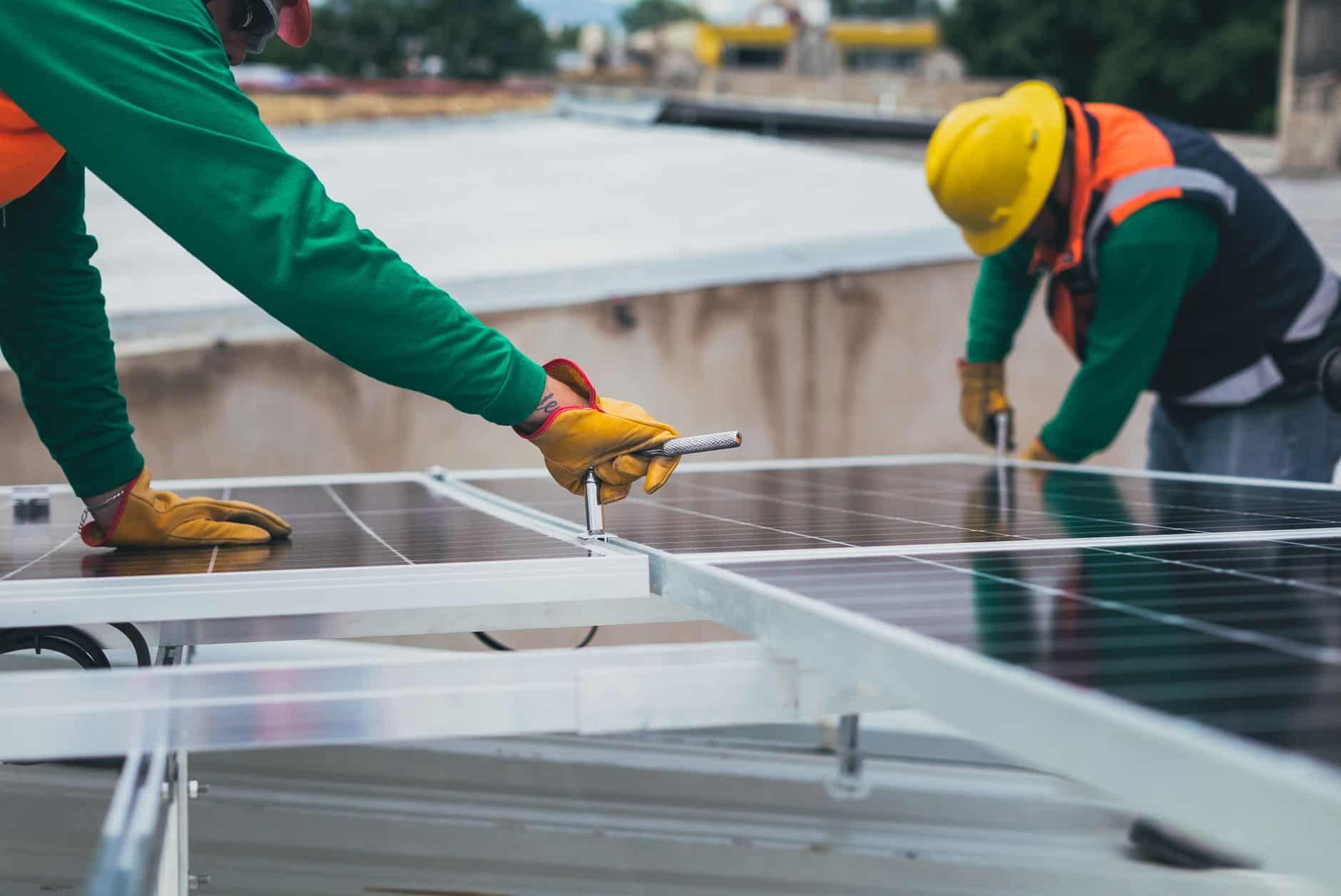
Nigerian Youth Grant Fuels Solar Innovation
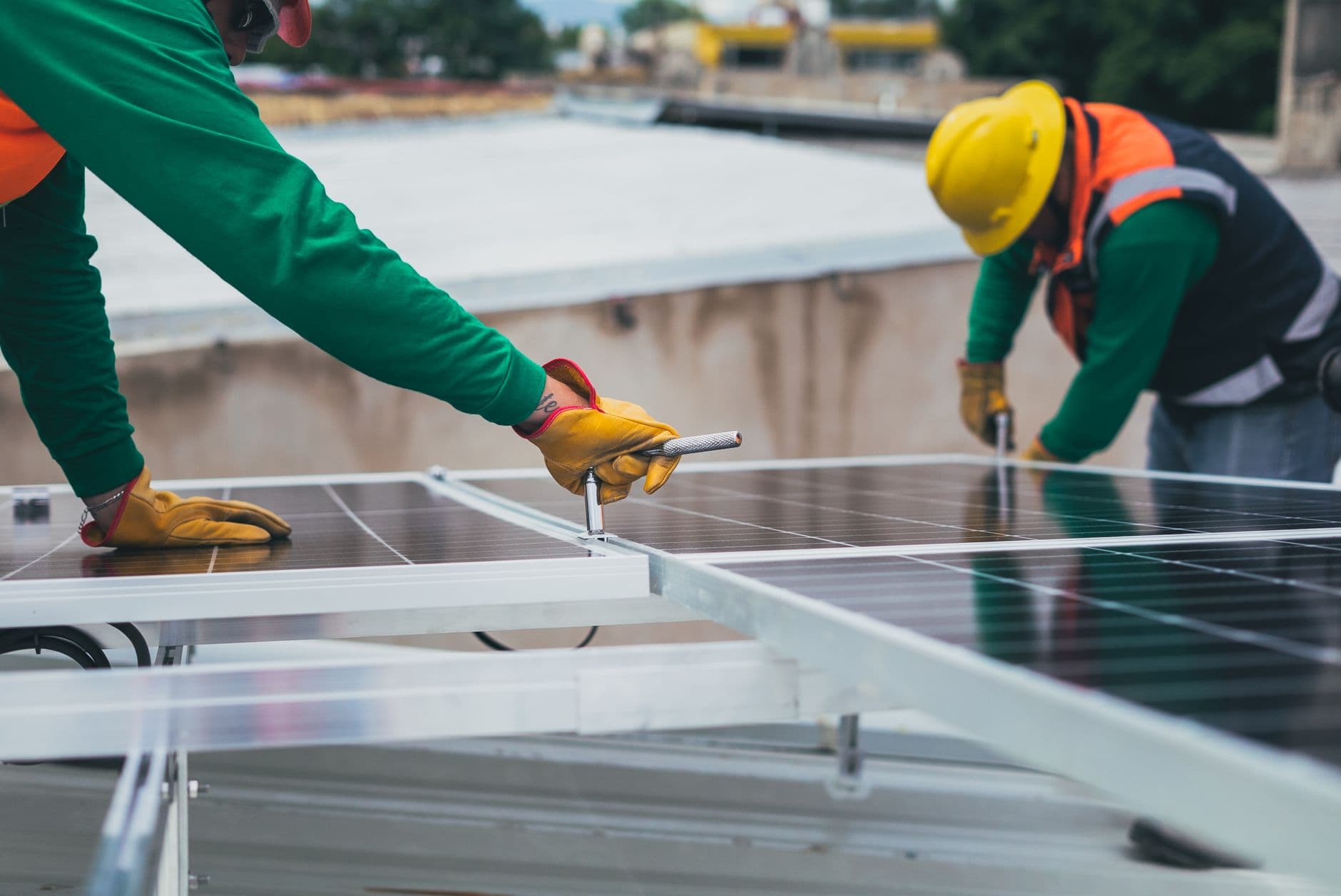
APC youth wing pledges ₦17.5 million to spark renewable ideas
The All Progressives Congress (APC) National Youth Wing announced a ₦17.5 million grant pool aimed at young innovators who want to develop solar, biogas or other clean‑energy solutions. The programme, called the Mustapha Abdullahi Energy Leadership Fellowship, is run in partnership with the DAM Foundation and will combine cash awards, mentorship and a pitch competition.
How the grant works – size, eligibility and timeline
Applicants must be Nigerian youths with a prototype or business plan that tackles energy access, grid stability or emissions reduction. The week‑long fellowship provides training on project design, financing and market entry, after which participants compete for a share of the ₦17.5 million pool. The exact award per winner has not been disclosed, but the total amount is large enough to support several substantial projects.
Nigeria’s renewable surge gives the grant extra punch
Nigeria’s renewable‑energy market is on a rapid growth trajectory: analysts estimate the country will have around 14 GW of renewable capacity by 2031, up from about 4.5 GW in 2026, driven by a roughly 25 % CAGR. Solar and biogas are among the fast‑growing segments, and the APC grant arrives at a moment when investors are looking for home‑grown innovators to help de‑risk projects.
Israeli perspective – what the money could buy locally
A typical 10 kWp home solar system in Israel costs about ₪31,500 and generates roughly 17,000 kWh per year in the central region [verified Israeli facts]. If the Nigerian grant were used to fund several 5 kW systems (a common size for community projects), each would produce about 8,500 kWh annually (5 kW × 1,700 kWh/kW). Collectively, a handful of such systems would generate a sizable amount of electricity, illustrating how a modest pool can create a noticeable renewable footprint.
What it means for Israel
Even though the grant is Nigerian, the model offers lessons for Israel’s own clean‑energy ecosystem. Israeli startups that specialise in low‑cost solar modules, storage or off‑grid kits could explore partnerships with Nigerian fellows, gaining a foothold in Africa’s fast‑growing market. Conversely, Israeli investors can use the grant’s structure as a template for youth‑focused venture funds that blend cash, mentorship and pitch events – a formula that could help accelerate early‑stage clean‑tech.
Outlook – youth power driving the energy transition
The APC youth wing’s initiative reflects a broader global shift: governments and parties are turning to young innovators to meet ambitious renewable targets. With Nigeria planning to expand its clean‑energy capacity in the coming years and Israel pushing for 30 % renewables by 2030, programmes that blend funding with capacity‑building are likely to multiply. For both countries, the real payoff will be new technologies, jobs and cleaner grids.
What it means for Israel (quick recap)
- The ₦17.5 million pool could support several small‑scale solar projects, delivering a noticeable amount of clean electricity.
- Israeli firms can leverage the programme to test affordable solar kits in a high‑growth market.
- The grant showcases a replicable model for youth‑led clean‑energy financing that Israel could adopt domestically.
Frequently Asked Questions
- Q: Who can apply for the APC youth grant? A: Nigerian youths with a renewable‑energy prototype or business plan.
- Q: How much money could a single project receive? A: The total pool is ₦17.5 million; the exact amount per winner will depend on the competition outcome.
- Q: What types of clean energy are eligible? A: Solar, biogas and other technologies that improve energy access or reduce emissions.
- Q: When does the fellowship take place? A: A week‑long training and pitch event scheduled for later this year (exact dates not yet published).
- Q: How does this compare to Israeli solar costs? A: One Israeli 10 kWp home system costs ₪31,500, so the Nigerian pool could theoretically cover the hardware for several such systems.
- Q: Can Israeli companies get involved? A: Yes – partnerships with Nigerian fellows can open market entry and joint‑development opportunities.
Key Facts
- APC youth wing announced a ₦17.5 million renewable‑energy grant pool.
- The programme targets young Nigerian innovators and includes mentorship, training and a pitch competition.
- Nigeria’s renewable capacity is projected to reach about 14 GW by 2031, growing at roughly 25 % CAGR.
- A typical Israeli 10 kWp home system costs ₪31,500 and pays back in ≈3.9 years.
Sources & further reading
FAQ
What is the total amount of the APC youth grant?
The APC National Youth Wing pledged a total of **₦17.5 million** for renewable‑energy projects.
Who is eligible to apply?
Nigerian youths, typically under 35, with a solar, biogas or other clean‑energy prototype or business plan.
How much could a single project receive?
If the pool is divided equally among ten projects, each could receive roughly **₦1.75 million**.
When will the fellowship take place?
A week‑long training and pitch event is planned for later in the year; exact dates are pending.
How does the grant size compare to Israeli solar costs?
A typical Israeli 10 kWp home system costs about **₪31,500**; the Nigerian pool could theoretically cover the hardware for roughly five such systems.
Can Israeli companies participate?
Yes – Israeli clean‑tech firms can partner with Nigerian fellows to test products and enter Africa’s fast‑growing renewable market.
Share this post
More from Technology
6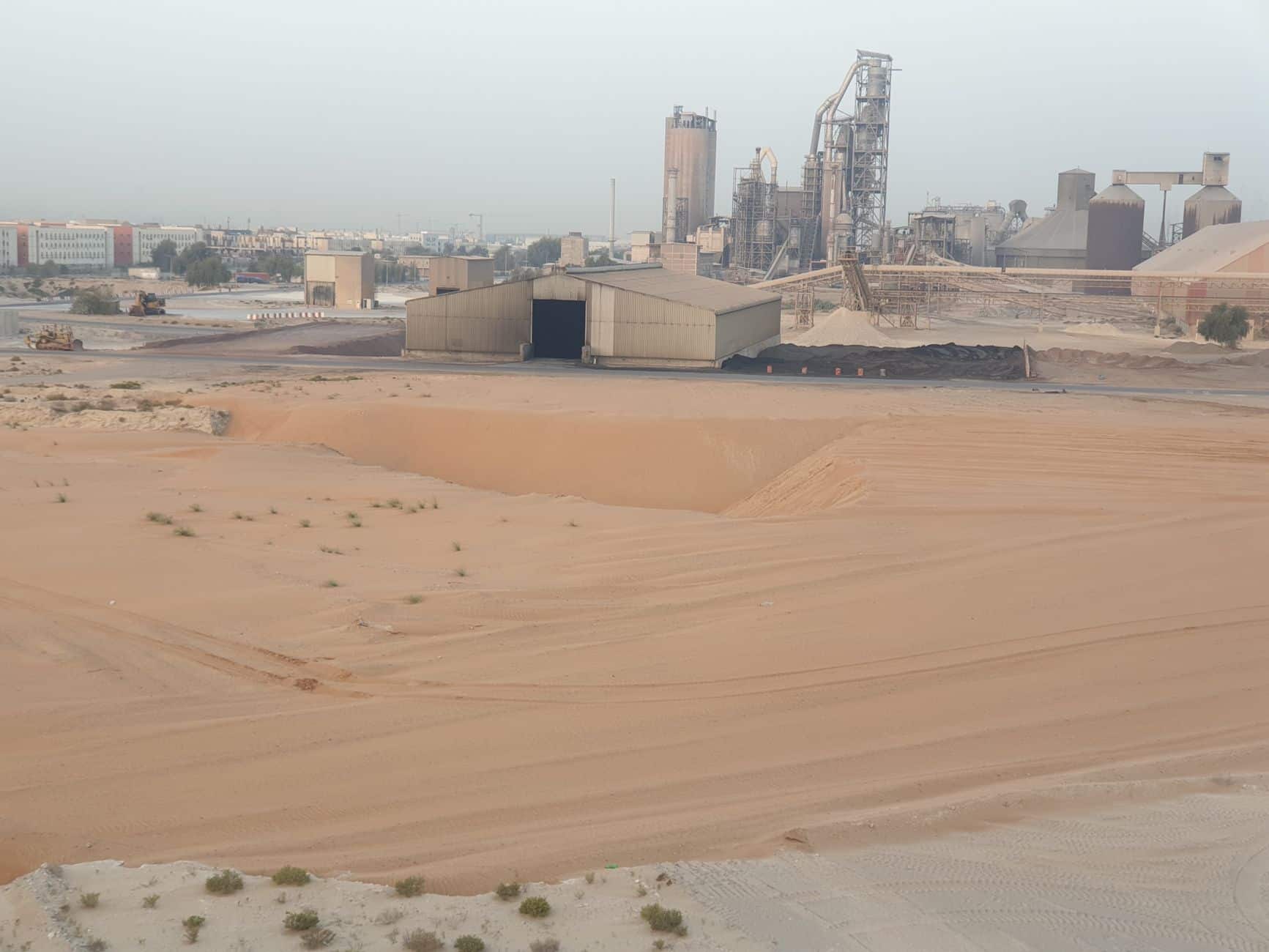
Oman's New Polysilicon Plant Boosts Solar Supply
United Solar has completed a $1.6 billion financing round to build a 100,000‑tonne‑per‑year polysilicon plant in Oman, diversifying global supply and potentially lowering solar module prices for Israel.
Hoymiles Solar Inverter Fix Arrives Aug 30
Hoymiles will release a free AES‑encrypted firmware update on 30 August to fix an unauthenticated OTA vulnerability in its discontinued HM‑series micro‑inverters.
Daikin Nexio Max Heat Pump Slashes Energy Use
Daikin’s Nexio Max rooftop heat pump, available in 7.5‑10 ton sizes, achieves up to 3.85 COP and can operate down to –25 °C, offering Israeli commercial buildings a low‑carbon heating option when combined with solar PV.

Geothermal Hydrogen Hits $1.75/kg in Iceland
Syntholene’s Icelandic pilot shows geothermal‑integrated SOEC can produce hydrogen at $1.75‑$2.10 /kg, about one‑third the cost of European green hydrogen.
China’s TCL Shifts 45 GW to Back‑Contact Solar
TCL Zhonghuan will convert 45 GW of TOPCon capacity into back‑contact production by early 2027, launching 680 W, 25.2 % efficient modules that could improve Israeli rooftop solar paybacks.
Solar Light Empowers Women Across Africa
אור שמש משפר מיידית בטיחות, בריאות והכנסה בכפרים אפריקאיים ללא רשת, ונשים מובילות מרבות את ההשפעה.