Philippines Revamps Grid Code to Boost Solar
New 2026 Grid Code Integrates Solar‑Plus‑Storage
The Energy Regulatory Commission (ERC) will roll out a 2026 edition of the Philippine Grid Code that explicitly accommodates variable renewable energy and storage technologies. It adds technical requirements for solar‑plus‑storage plants that use grid‑forming inverters, and sets standards for standalone battery, pumped‑storage and compressed‑air systems to improve grid stability and response time. The move follows extensive consultations across Luzon, Visayas and Mindanao and is meant to keep the high‑voltage transmission network “stable, reliable, and secure” as renewable penetration rises.
Net‑Metering Timeline Cut in Half
ERC proposes to shrink the interconnection approval window for net‑metering projects from 20 working days to 10. If a distribution utility fails to install the required bidirectional meter on schedule, the application will be deemed approved automatically. This faster pathway is designed to remove bureaucratic delays that have long discouraged residential and commercial adopters.
1 MW Cap Removed and Multi‑Site Credit Added
The upcoming rules eliminate the previous 1 MW cap on distributed energy resources (DER), allowing larger rooftop or community solar projects to qualify. They also introduce digital submissions, e‑signatures, multi‑site crediting, and priority dispatch for renewables in off‑grid areas. ERC will revisit the extra cost imposed on residential bidirectional meters to improve affordability, and may exempt small‑scale systems from full technical studies, limiting checks to essential safety requirements.
Current Scale and Expected Growth
As of 30 June 2026, the Philippines counted 23,684 net‑metering prosumers with a combined capacity of 232 MW‑peak, plus 181 DER participants adding another 226 MW. The commission says that with its proposed new rules, it is aiming to significantly increase deployment under both schemes.
What It Means for Israel
For Israeli homeowners, the Philippines’ reforms illustrate how regulatory streamlining can shrink payback periods. A typical 10 kWp rooftop system in central Israel yields about 17 MWh / year, valued at ₪8,160 at the residential tariff of ₪0.48 /kWh, and costs roughly ₪31,500 to install. That translates to a 3.9‑year simple payback. If Israel were to halve the interconnection approval time—as the Philippines plans—installers could close more sales per year, effectively accelerating the national target of 30 % renewable electricity by 2030. Faster approvals also reduce financing costs, which, when combined with the country’s ₪0.48/kWh tariff, could shave months off the payback curve for new rooftop projects.
Outlook: A More Resilient, Solar‑Friendly Grid
The 2026 grid code and net‑metering overhaul signal the Philippines’ commitment to a cleaner, more flexible power system. By embracing grid‑forming inverters and removing outdated caps, the country positions itself to absorb a larger share of solar and storage, mirroring trends seen in Southeast Asia’s broader energy transition. For investors and policymakers worldwide—including Israel—these reforms provide a concrete case study of how technical standards and procedural shortcuts together can unlock rapid solar growth.
Sources & further reading
FAQ
When will the new Philippine Grid Code take effect?
The ERC plans to finalize the 2026 edition later this year after a series of public consultations, with implementation expected shortly thereafter.
What are grid‑forming inverters and why are they important?
Grid‑forming inverters can create a stable voltage reference even when the main grid is weak, allowing solar‑plus‑storage plants to support frequency and voltage regulation.
How much faster will net‑metering applications be approved?
The interconnection timeline is being cut from 20 working days to 10, and applications can be deemed approved automatically if utilities miss the deadline.
Will the 1 MW cap on DER projects be lifted completely?
Yes, the proposed rules remove the 1 MW ceiling, enabling larger rooftop or community solar projects to qualify for net‑metering.
How does this affect solar prices for Filipino consumers?
By reducing administrative costs and speeding up approvals, the reforms are expected to lower overall system costs and make solar more affordable.
Can Israel adopt similar reforms?
Israel already benefits from relatively fast interconnection, but further streamlining—like digital signatures and reduced study requirements—could accelerate rooftop solar deployment even more.
Share this post
More from Policy
6
US Solar Tax Credits Slashed – Impact
The U.S. is cutting the federal solar Investment Tax Credit from 30% to 22% after 2025, raising net residential system costs by about 12% and slowing installations.

Golan Heights Solar Project Stalls Amid Security Tensions
The 104 MW Clean Wind Energy hybrid project in the Golan Heights was halted due to heightened security tensions, creating a gap in Israel’s renewable‑energy plans.

EU Sets €500M Hydrogen Auction Rules
The EU will launch its fourth hydrogen auction by the end of 2026 with a €500 million budget, tightening supply‑chain rules and offering fixed premiums per kilogram of renewable hydrogen produced.
EU Sets First Solar ESG Standard
The Solar Stewardship Initiative has introduced the EU’s first ESG and traceability standard for solar PV, covering everything from labour rights to polysilicon sourcing.
Ukraine Cuts Solar Feed‑in Tariffs to $0.14/kWh
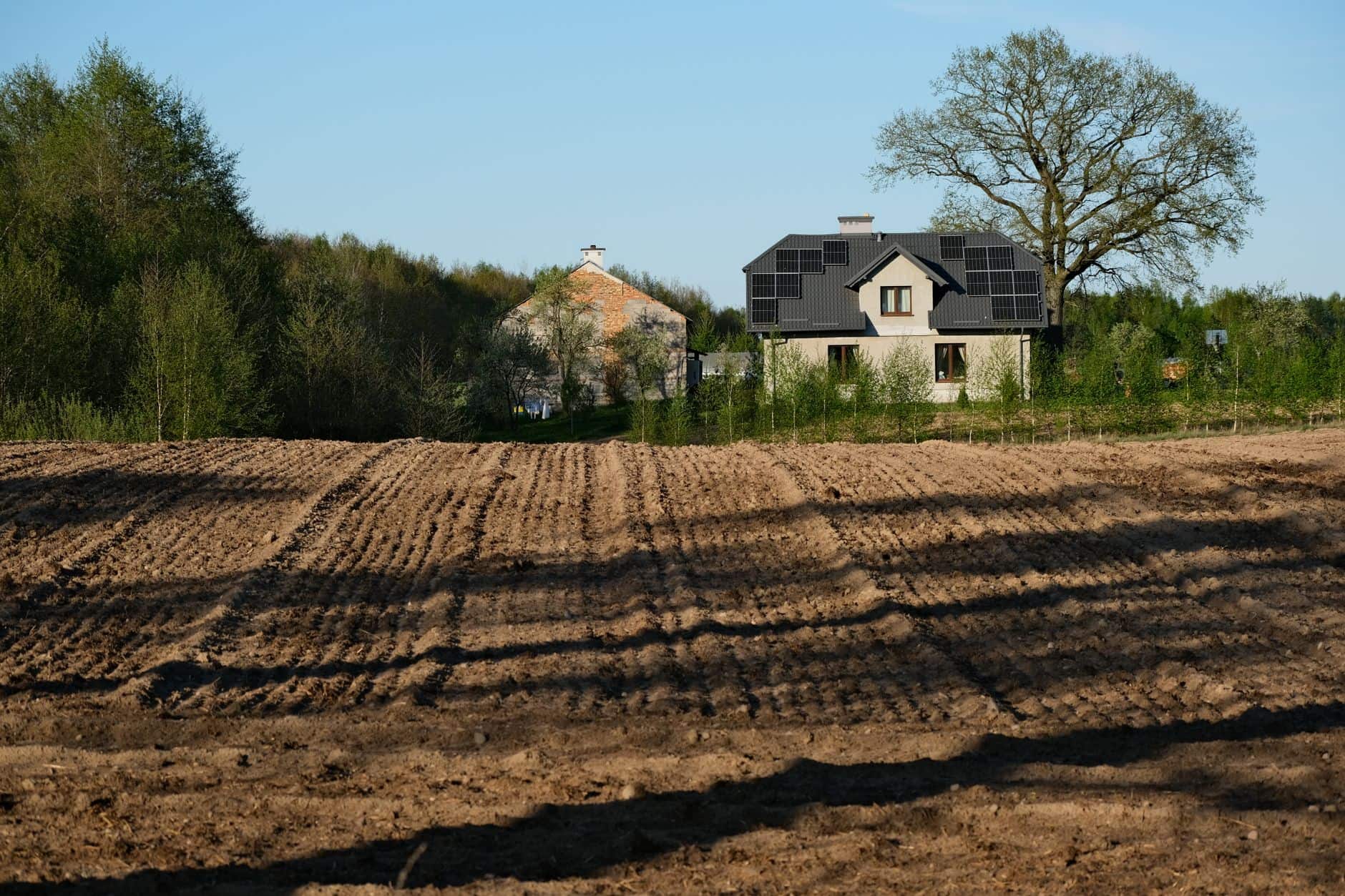
Ukraine lowered its solar feed‑in tariffs to UAH 6.13/kWh for households and UAH 5.49/kWh for small businesses, with rates locked in until the end of 2029.
€200M Unused in Southern Italy Solar Incentive
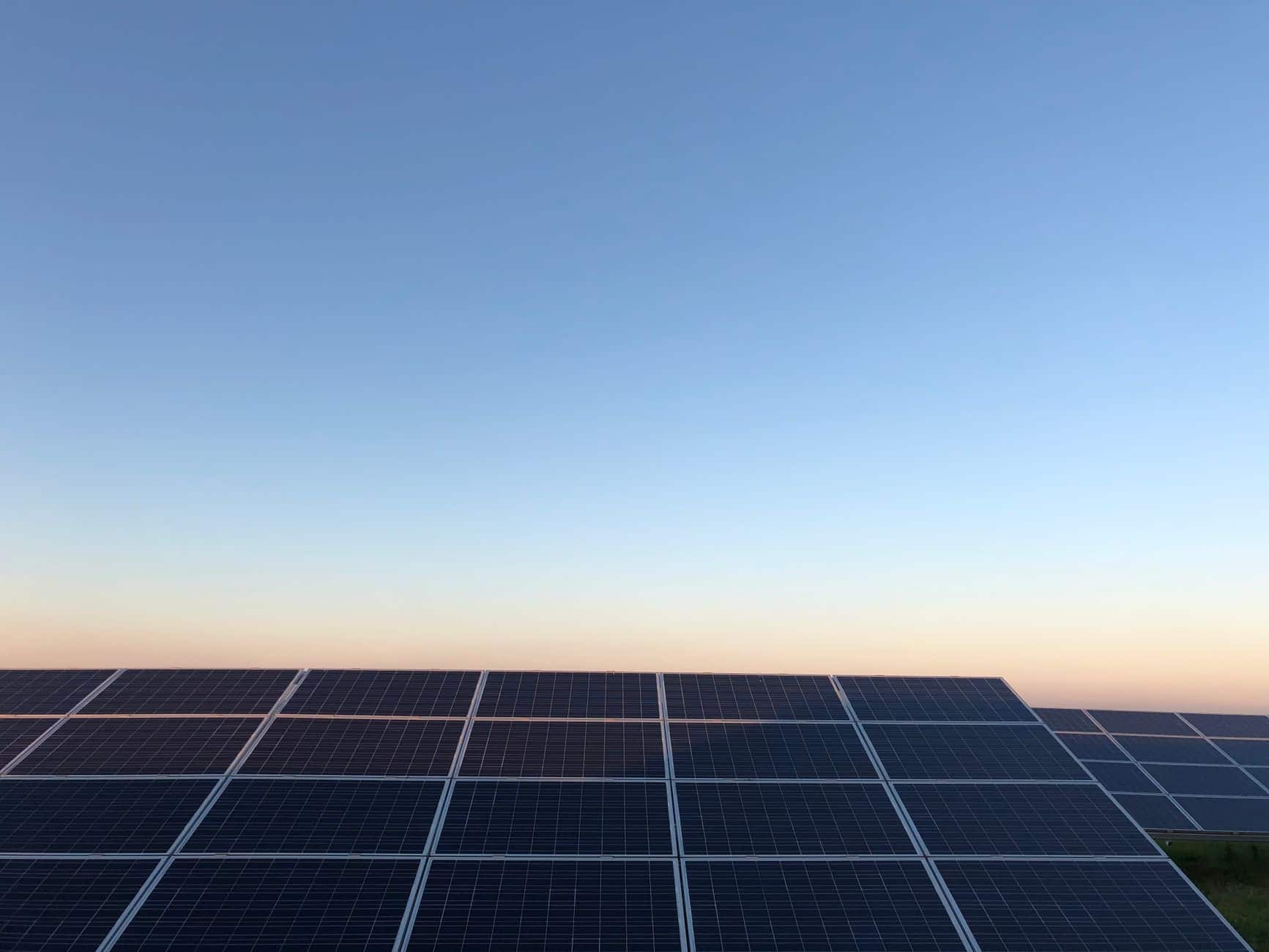
Italy’s southern business solar incentive still has over €200 million unspent, with only €59 million of requests submitted, leaving ample room for new projects.