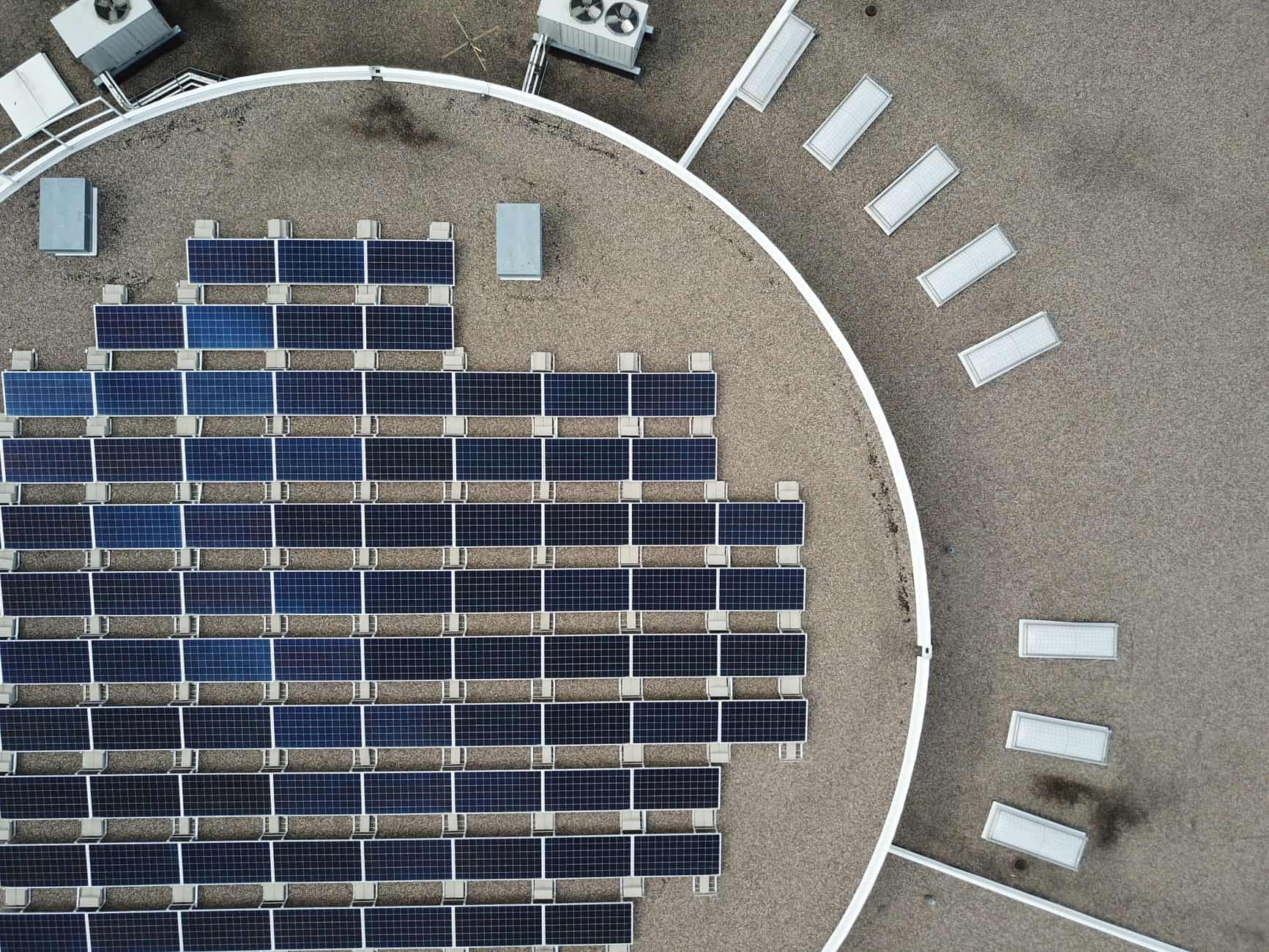
France’s C&I Rooftop Solar Hits Record Low Price
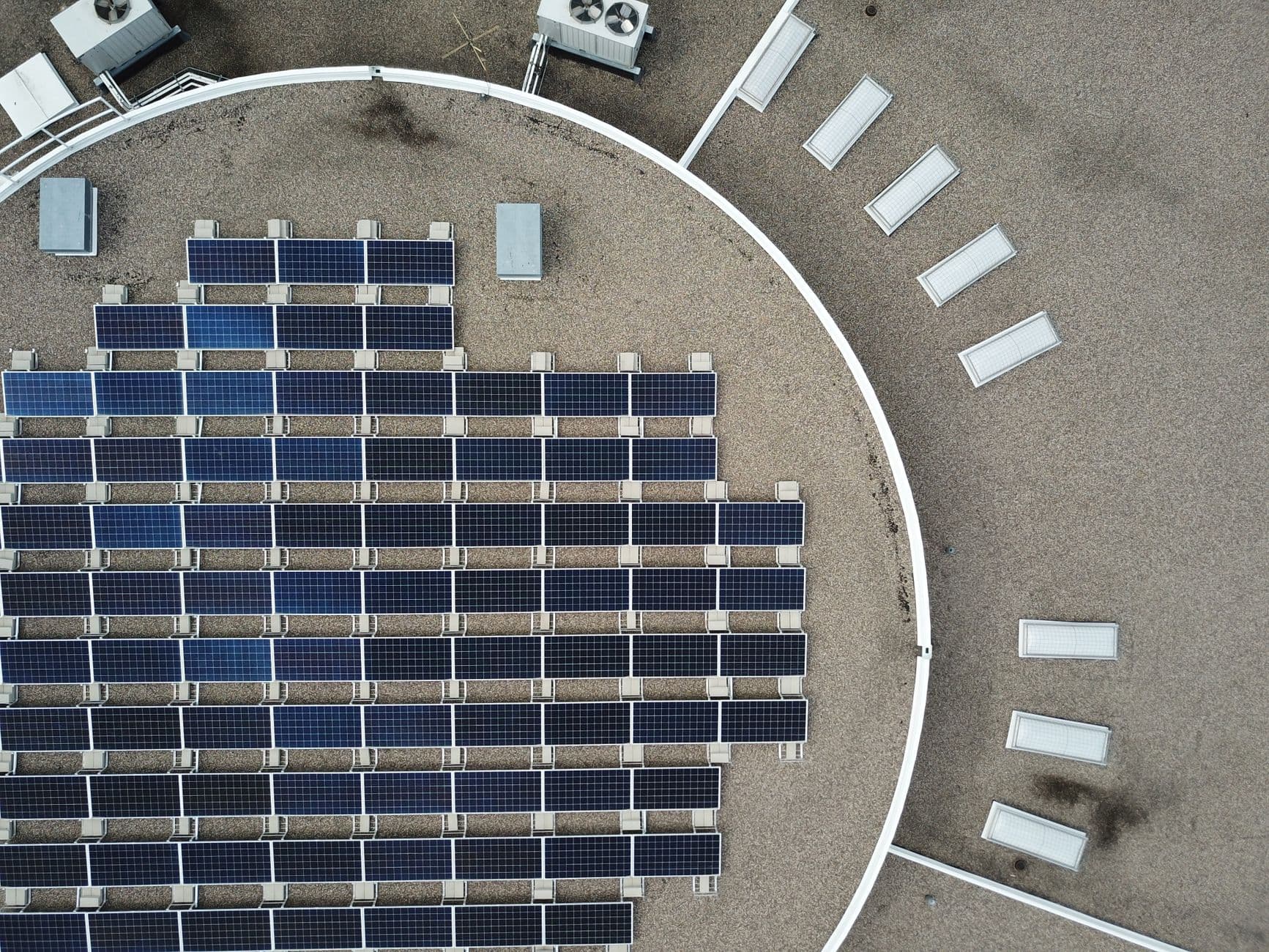
French C&I rooftop tender hits record low price
France’s latest commercial‑and‑industrial (C&I) rooftop solar tender awarded 300.2 MW at an average price of €0.082 /kWh – the cheapest ever for this segment. The Ministry of Ecological and Solidarity Transition confirmed the figures in its 12th‑round results, underscoring how rapidly costs are falling for rooftop PV in Europe.
Demand outstripped supply five‑fold
The tender attracted 1,159 applications totalling 1,560 MW, meaning interest was more than five times the capacity the state planned to allocate. This intense competition mirrors the surge seen in earlier rounds, where the number of bids also far exceeded the awarded volume.
Rooftop installations dominate the award mix
Rooftop projects made up 62 % of the awarded capacity, equivalent to ≈186 MW of rooftop PV. "Other" installations (ground‑mounted, car‑park, etc.) accounted for 17 %, while agrivoltaic projects captured 13 %. Small‑scale projects under 1 MW represented 70 % of all applications and 81 % of the winners, showing a clear shift toward distributed, lower‑capacity builds.
Chinese modules still dominate, French Voltec gets a slice
The French market remains heavily reliant on imports: DMEGC Solar and Jinko Solar together supplied 35.7 % and 16.2 % of the awarded volume, respectively. A single project using panels from French‑made Voltec Solar was also selected, highlighting a modest but growing domestic presence.
Price trend: from €0.10/kWh in 2023 to €0.082/kWh now
The €0.082/kWh price continues a downward trajectory. In the 11th tender the average price was €0.0965/kWh; the 10th round (June 2023) saw €0.0953/kWh; the 9th round was €0.0982/kWh; and the 8th round recorded €0.0999/kWh. The latest round therefore represents a 15 % drop from the previous tender, confirming the trend reported by the IEA‑PVPS that European rooftop PV costs are falling faster than utility‑scale installations IEA‑PVPS 2025.
What it means for Israel
Israel’s residential solar tariff sits at ≈₪0.48/kWh, while a typical 10 kWp rooftop system in the central region yields about 17,000 kWh/year worth ≈₪8,160 annually. At the standard install cost of ₪3,150/kWp, the system costs ≈₪31,500, delivering a simple payback of ≈3.9 years [Verified Israeli Solar Facts]. This price is well below Israel’s residential tariff, suggesting that if similar module cost reductions are achieved, Israeli rooftop projects could see shorter payback periods.
For Israeli investors, the French example underscores two take‑aways:
- Scale matters – aggregating many sub‑MW projects created a deep‑discount price; Israeli rooftop aggregators could replicate this model.
- Domestic manufacturing can add value – even a single Voltec‑panel project was selected, hinting that supporting local PV production could improve supply‑chain resilience and potentially qualify for additional incentives.
Bottom line: France’s record‑low C&I rooftop price shows that the European market is already operating at cost levels that, if mirrored in Israel, would make rooftop solar an even more compelling investment for businesses and homeowners alike.
FAQ
- What was the average price of electricity in France’s latest C&I rooftop tender? €0.082 per kilowatt‑hour.
- How many projects were awarded in the tender? 326 projects received allocations.
- What share of the awarded capacity is rooftop PV? 62 % (about 186 MW) of the total 300.2 MW.
- Which manufacturers supplied most of the modules? DMEGC Solar (35.7 %) and Jinko Solar (16.2 %).
- How does the French price compare to earlier tenders? It is about 15 % lower than the previous round’s €0.0965/kWh.
- Can Israeli rooftop owners benefit from this price trend? Yes – if similar module cost reductions are achieved, Israeli rooftop solar could see shorter payback periods.
Key facts
- France allocated 300.2 MW of C&I rooftop solar at €0.082/kWh.
- 1,159 applications were received for 1,560 MW, a 5‑fold oversubscription.
- 62 % of awarded capacity (≈186 MW) is rooftop‑mounted.
- Chinese makers DMEGC and Jinko supplied >50 % of the modules.
- The price is 15 % lower than the previous tender’s €0.0965/kWh.
Sources & further reading
FAQ
How much electricity will the French rooftop projects produce?
The tender covers 300.2 MW of capacity; assuming a typical 1,200 kWh/kW‑year yield, that translates to roughly 360 GWh per year.
What is the average size of each awarded project?
Dividing the total 300.2 MW by 326 winners gives an average project size of about **0.92 MW**.
Are French manufacturers winning any contracts?
Yes, one project using panels from French‑made Voltec Solar was selected, marking a small domestic win amid Chinese dominance.
How does the French tender price compare to Israeli residential tariffs?
At a typical Israeli tariff of ₪0.48/kWh, the French price of €0.082/kWh (≈₪0.33/kWh at a 4 NIS/EUR rate) is roughly 30 % lower.
What does the price drop mean for solar investors?
Lower prices improve project economics, shortening payback periods and making rooftop solar more attractive for commercial and residential investors.
Will the French tender affect global solar module prices?
Large‑scale tenders at record‑low prices put pressure on manufacturers worldwide, reinforcing the downward trend seen in global utility‑scale solar LCOE reports.
Share this post
More from Markets
6
Israel’s Solar Boom: 30% CAGR to 2032
Israel’s solar market is projected to jump from US$187 million in 2024 to US$1.63 billion by 2032, a 31 % CAGR, driven by a 1.3 GW project pipeline and new tariff incentives.
India’s New Renewables Face 33% Curtailment
About a third of India’s newly commissioned renewable capacity is being curtailed, with 50‑60% solar curtailment during peak hours, due to transmission delays.
Algeria’s Race to 15 GW Solar by 2035
Algeria has set a 15 GW solar target for 2035 and is already moving a 3.2 GW pipeline forward, but achieving it will require private‑sector financing, clear PPAs and a shift to an IPP model.
Europe’s Rooftop Solar Is Going Unmaintained
Europe’s 65 GW of new solar in 2025 left millions of rooftop systems without a maintenance provider after installer bankruptcies, creating a growing pool of orphaned PV assets.
Solar Market Dip Until 2028, Jinko Bets on Storage
התקנות סולאריות גלובליות צפויות לעצור עד 2027, אך JinkoSolar משקיעה באחסון משולב וצופה לעלייה בשוק משנת 2028.
Ivory Coast Turns On 52 MW Solar Plant
Ivory Coast has switched on a 52 MW solar plant that will generate 90 GWh a year – enough to power over 370 000 households and push the country toward its 46.3 % renewable‑energy target by 2035.