Zambia's Solar Boom: New Deals Power the Future
Zambia’s solar market is booming – new procurement tools are unlocking record‑breaking projects
Zambia has become one of Africa’s hottest spots for renewable‑energy investment, thanks to a suite of fresh procurement mechanisms, a carbon‑finance facility backed by Norway, and the opening of its power‑grid to private traders. Developers say they are witnessing “an unprecedented level of PPA activity” as the country moves from a hydropower‑dominated system to a dispatchable solar‑plus‑storage future.
Why the rush now? Drought, debt relief and a stronger credit rating
A severe 2023‑24 drought exposed Zambia’s reliance on hydropower – more than 80 % of its electricity comes from dams – and forced many factories onto diesel generators for over ten hours a day. At the same time, the government’s sovereign‑debt restructuring and a rating upgrade to a stable‑to‑positive outlook have restored investor confidence after the 2020 default. These twin shocks created a perfect storm: a clear need for reliable, non‑hydro power and a financing environment that can support large‑scale projects.
New procurement approaches that de‑risk projects
- Carbon Finance Procurement Facility – Norway purchases the carbon credits generated by Zambian renewables, adding a steady revenue stream that makes solar‑plus‑storage projects bankable.
- Competitive procurement framework – Published in May, the framework mimics South Africa’s REIPPPP, with standardized documents, regular bidding windows and a target first round around mid‑2027.
- ZAMWatt programme – A public‑private partnership between state utility ZESCO, Stanbic Bank and Africa GreenCo that uses open‑access rules to let industrial off‑takers buy directly from independent power producers, pooling generators and off‑takers to reduce single‑buyer risk.
These tools address the three classic barriers to African renewable finance: sovereign risk, creditworthiness of the off‑taker and the single‑buyer model.
Projects on the ground – capacity is exploding
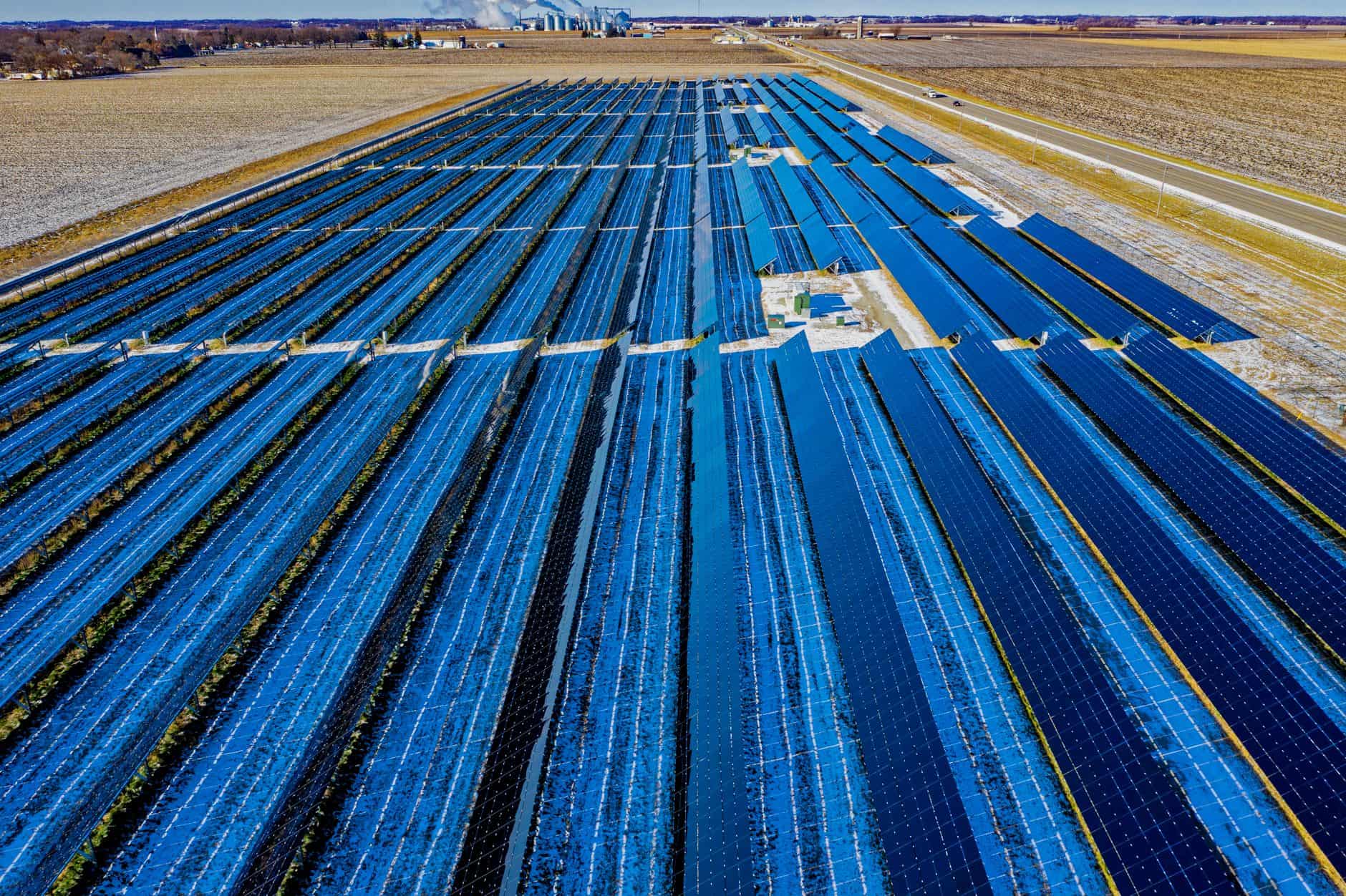
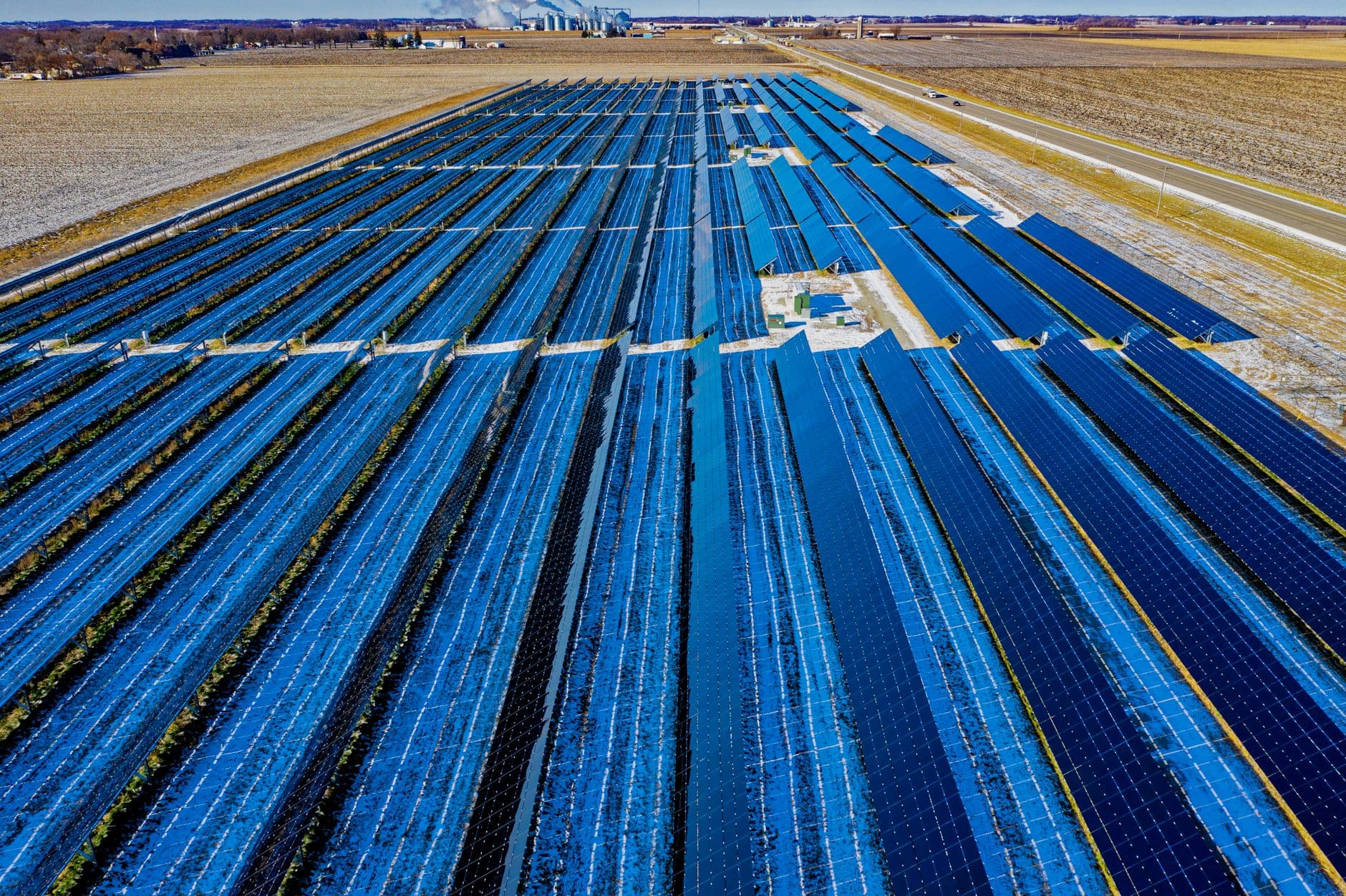
- Operational solar capacity now stands at 1.15 GW (according to the Africa Solar Industry Association) and 1.64 GW is under construction.
- The largest operating plant, Itimpi II (136 MW), was switched on in May.
- Construction began in April on a 250 MW solar + 150 MW/600 MWh storage project – the biggest solar‑plus‑storage venture in the country to date.
- Zambia aims to deploy 1 GW of utility‑scale solar as part of its longer‑term plan, with the first competitive bidding window expected around mid‑2027.
Regional ripple effects – a template for neighbours
Analysts say Zambia’s reforms could be replicated in Zimbabwe, the Democratic Republic of Congo, Namibia and Botswana, all of which are eyeing similar liberalisation of their power markets. The main challenges remain currency volatility and the need for more transmission lines, but the Zambian model is already being touted as a regional blueprint.
What it means for Israel – a perspective on scale and economics
Using Israel’s typical residential yield of 1,700 kWh per kW per year (central region) and a residential tariff of ₪0.48/kWh, a single 10 kW rooftop system generates about 17 MWh annually, worth roughly ₪8,160 per year. At a turnkey cost of ₪3,150/kW, the system pays for itself in ≈3.9 years.
Zambia’s 1.15 GW of operational solar capacity is comparable to tens of thousands of typical Israeli 10 kW home systems. Given the CO₂ avoidance factor of about 0.5 kg per kWh, the Zambian fleet would avoid a substantial amount of emissions each year, on a scale that could be likened to removing a large number of passenger cars from the road.
For Israeli investors, Zambia’s emerging market offers a high‑growth, high‑risk‑adjusted opportunity: the carbon‑finance facility creates an extra revenue stream, while open‑access rules lower the barrier to entry for private power‑purchase agreements. Those looking to diversify beyond the domestic market can benchmark the Zambian payback against the Israeli 3.9‑year residential example, adjusting for higher financing costs and currency risk.
Outlook – the next three years will decide if the boom becomes a lasting market
If the first competitive bidding window launches as projected for mid‑2027, and the ZAMWatt programme successfully aggregates generators and off‑takers, Zambia could lock in several gigawatts of dispatchable solar‑plus‑storage capacity before 2030. That would cement its status as a renewable‑energy hub in Southern Africa and provide a model for other resource‑rich, land‑locked economies seeking energy security without relying on fossil fuels.
Sources
FAQ
What new procurement mechanisms are driving solar growth in Zambia?
Zambia has introduced a carbon‑finance procurement facility, a competitive bidding framework similar to South Africa’s REIPPPP, and the ZAMWatt programme that pools generators and off‑takers under open‑access rules.
How much solar capacity is already operating in Zambia?
According to the Africa Solar Industry Association, Zambia has about 1.15 GW of operational solar capacity.
Why is the 2023‑24 drought important for Zambia’s energy policy?
The drought exposed Zambia’s over‑reliance on hydropower (over 80 % of supply) and forced many businesses onto diesel, highlighting the need for dispatchable renewable power.
What is the ZAMWatt programme?
ZAMWatt is a public‑private partnership that lets industrial customers buy directly from independent power producers, reducing single‑buyer risk by aggregating generators and off‑takers.
How does Zambia’s solar growth compare to Israel’s rooftop market?
Zambia’s 1.15 GW of solar equals roughly 115,000 typical Israeli 10 kW home systems, each generating about 17 MWh per year.
When is Zambia’s first competitive solar bidding expected?
The first bidding window is projected for mid‑2027, after the procurement framework was published in May 2024.
Share this post
More from Markets
6
Australia June Solar Install Drop Still Record
Australia installed 322 MW of rooftop solar in June 2026 – a 4 % dip month‑on‑month but still the strongest June on record, adding about 0.7 % to the nation’s total PV stock.
France’s C&I Rooftop Solar Hits Record Low Price
France awarded 300 MW of C&I rooftop solar at a record‑low €0.082/kWh, with demand five times the supply and rooftop projects making up 62 % of the allocation.
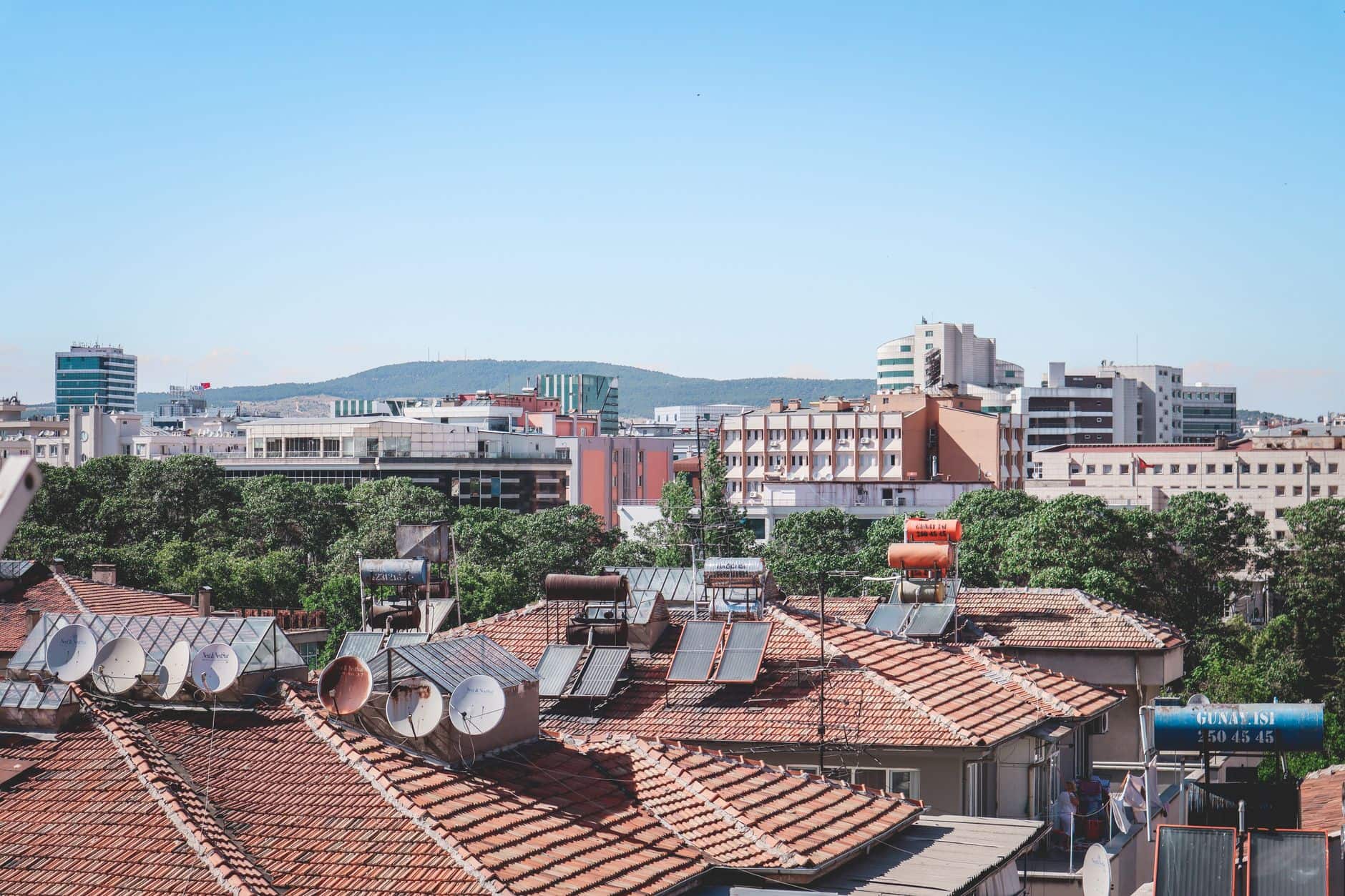
Israel’s Solar Boom: 30% CAGR to 2032
Israel’s solar market is projected to jump from US$187 million in 2024 to US$1.63 billion by 2032, a 31 % CAGR, driven by a 1.3 GW project pipeline and new tariff incentives.
India’s New Renewables Face 33% Curtailment
About a third of India’s newly commissioned renewable capacity is being curtailed, with 50‑60% solar curtailment during peak hours, due to transmission delays.
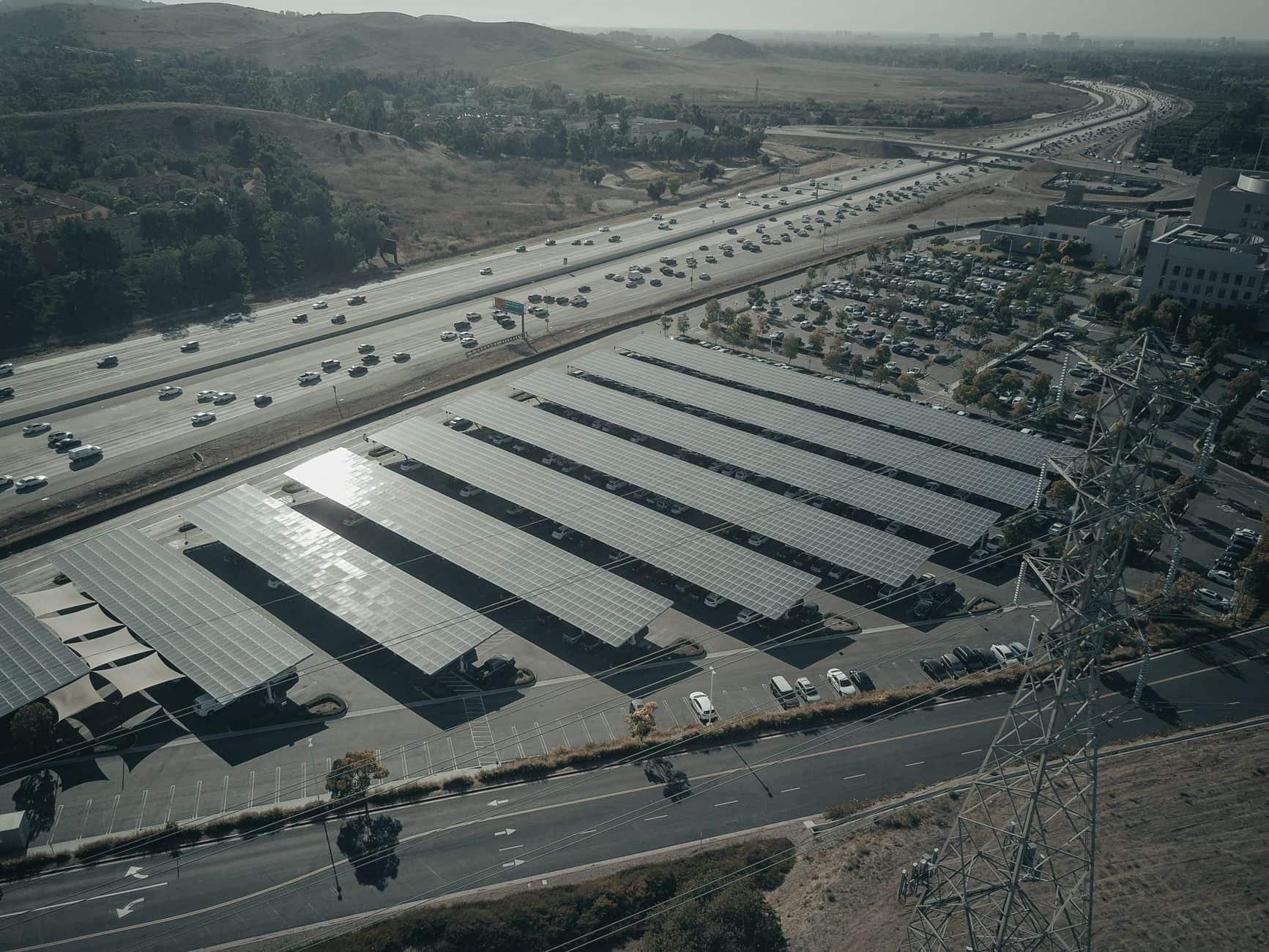
Algeria’s Race to 15 GW Solar by 2035
Algeria has set a 15 GW solar target for 2035 and is already moving a 3.2 GW pipeline forward, but achieving it will require private‑sector financing, clear PPAs and a shift to an IPP model.
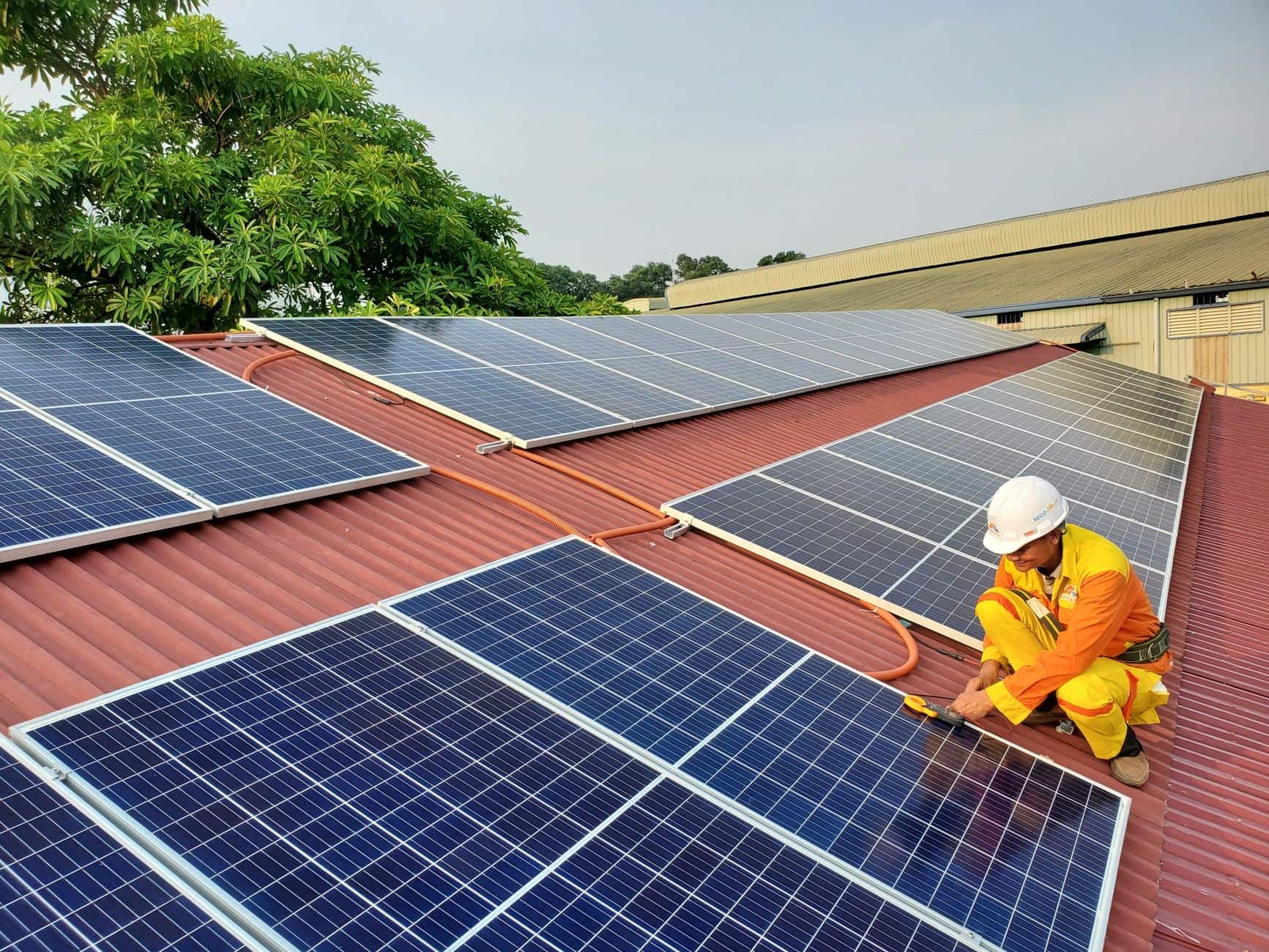
Europe’s Rooftop Solar Is Going Unmaintained
Europe’s 65 GW of new solar in 2025 left millions of rooftop systems without a maintenance provider after installer bankruptcies, creating a growing pool of orphaned PV assets.