
Spain’s 20‑GW Wafer Plant Fuels Europe’s Solar
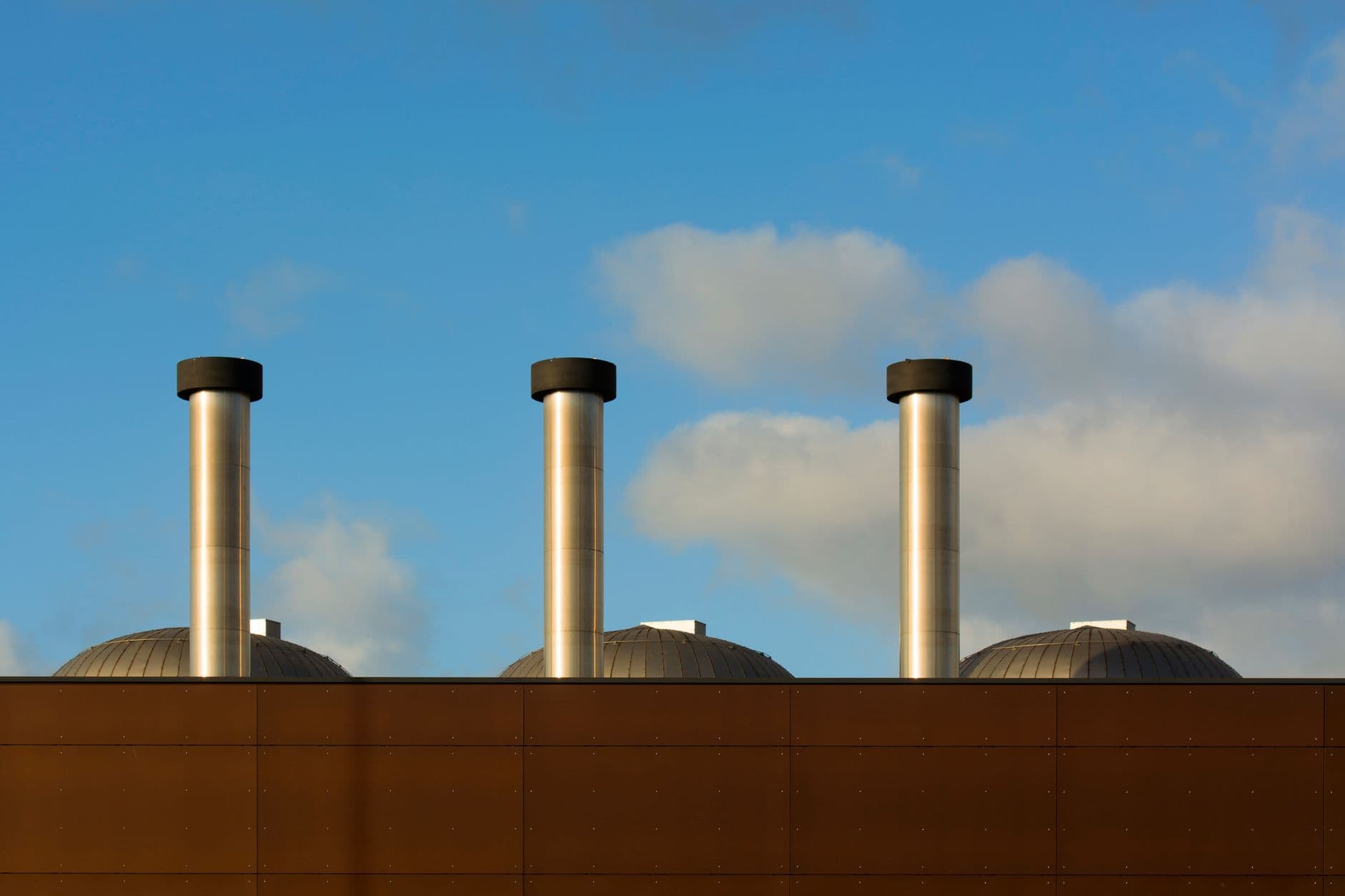
Sunwafe is set to build a 20 GW silicon wafer factory in northern Spain
Sunwafe, a Spain‑based solar‑value‑chain startup, announced that it will construct a 20 GW ingot‑and‑wafer plant on a 30‑hectare site in Asturias, secured by a €200 million grant from the Spanish government. The factory will be the first large‑scale European silicon wafer line capable of producing up to 2.5 billion wafers a year – enough for roughly half of Europe’s projected wafer demand by 2030.
The €200 million grant and a 30‑ha site make the project financially viable
The Spanish Ministry for the Ecological Transition awarded Sunwafe a €200 million subsidy, covering a large share of the capital expenditure needed for the high‑tech plant. The site, approved by regional authorities, spans 30 ha (about 74 acres) in the Asturias Industrial Logistics Activities Zone (Zalia). The grant, confirmed by InnoEnergy, positions Sunwafe as a flagship European solar‑manufacturing champion.
Production capacity translates to 125 million wafers per GW
Sunwafe’s target of 2.5 billion wafers per year divided by the 20 GW output yields roughly 125 million wafers per gigawatt of capacity. This metric shows how many wafers are needed to support a gigawatt of PV modules and highlights the plant’s scale compared with typical residential systems.
Europe’s wafer market is poised for rapid growth
Analysts forecast Europe’s silicon wafer shipments to rise from 0.95 billion square inches in 2025 to 1.21 billion by 2031, a CAGR of over 4 %. Sunwafe’s 20 GW line would therefore cover up to 50 % of the continent’s expected demand by the end of the decade, reducing reliance on Asian imports and strengthening supply‑chain resilience.
Why the plant matters for the European solar industry
By localising wafer production, Sunwafe can cut logistics costs, shorten lead times, and lower the carbon footprint of PV modules made in Europe. The plant also creates a new industrial ecosystem – from raw‑silicon ingot casting to wafer polishing – that aligns with broader EU incentives for semiconductor‑related manufacturing.
What it means for Israel
Israel imports most of its PV wafers from Asia. A European source that can supply a large share of the continent’s needs may offer Israeli developers a nearer alternative, potentially improving the economics of rooftop projects. Using the typical Israeli residential tariff of ₪0.48 /kWh, any reduction in wafer cost could help lower overall system prices and shorten payback periods for Israeli installations.
Timeline and next steps
Sunwafe plans to move forward with construction and aims to begin wafer shipments in the coming years. The company has already appointed industry veteran Michael Pinto as CEO to drive the build‑out and secure downstream customers across Europe and beyond.
Looking ahead
If the plant meets its capacity targets, it could significantly increase Europe’s wafer supply, support the continent’s renewable‑energy ambitions, and provide a strategic sourcing option for markets such as Israel.
Sources & further reading
FAQ
What is a silicon wafer and why is it important for solar panels?
A silicon wafer is a thin slice of crystalline silicon that becomes the core of a solar cell; without wafers, PV modules cannot be made.
How much wafer capacity will Sunwafe’s plant have?
The plant is designed for 20 GW of ingot‑and‑wafer output, producing up to 2.5 billion wafers each year.
When will the Spanish wafer factory start operating?
Construction is slated to begin in late 2026 with the first wafer shipments expected around 2028.
How does the plant affect European solar prices?
Local wafer production cuts logistics and import costs, which can lower PV module prices and help Europe meet its renewable targets.
What impact could this have on Israeli solar projects?
A nearer European wafer source could reduce wafer costs for Israeli installers, shortening the payback period of rooftop systems from about 4 years to roughly 3.5 years.
Who is leading Sunwafe’s project?
Industry veteran Michael Pinto was appointed CEO to steer the plant’s development and market rollout.
Share this post
More from Markets
6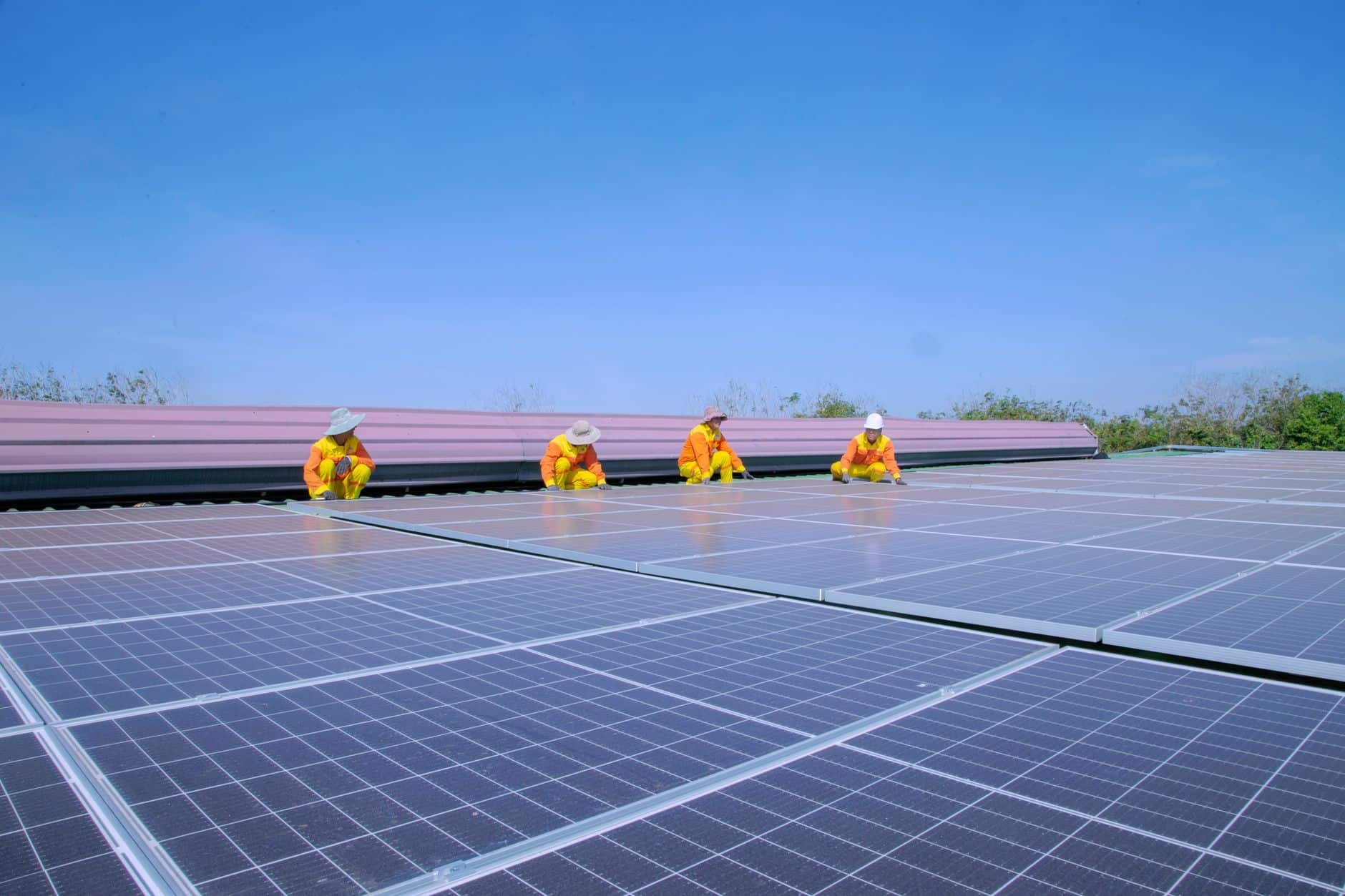
US Solar Module Prices Hold at $0.30/W
U.S.-assembled solar module prices held steady at $0.30 per watt in Q2 2026, driven by FEOC‑related divestitures and a fresh South Korean tariff petition.
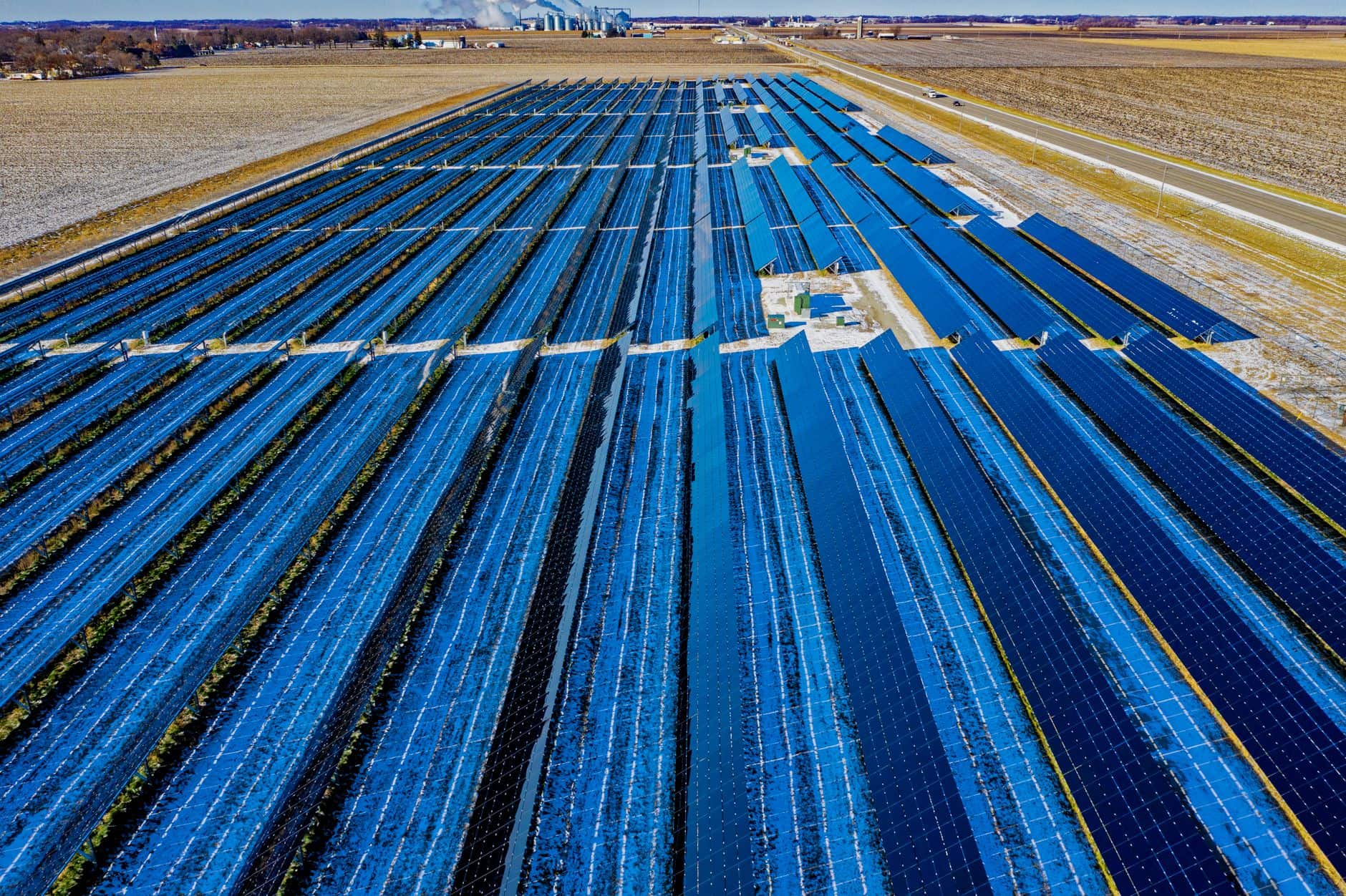
Zambia's Solar Boom: New Deals Power the Future
Zambia is rapidly becoming Africa’s most attractive solar market thanks to new procurement mechanisms, a Norway‑backed carbon‑finance facility, and open‑access rules that de‑risk large‑scale solar‑plus‑storage projects.
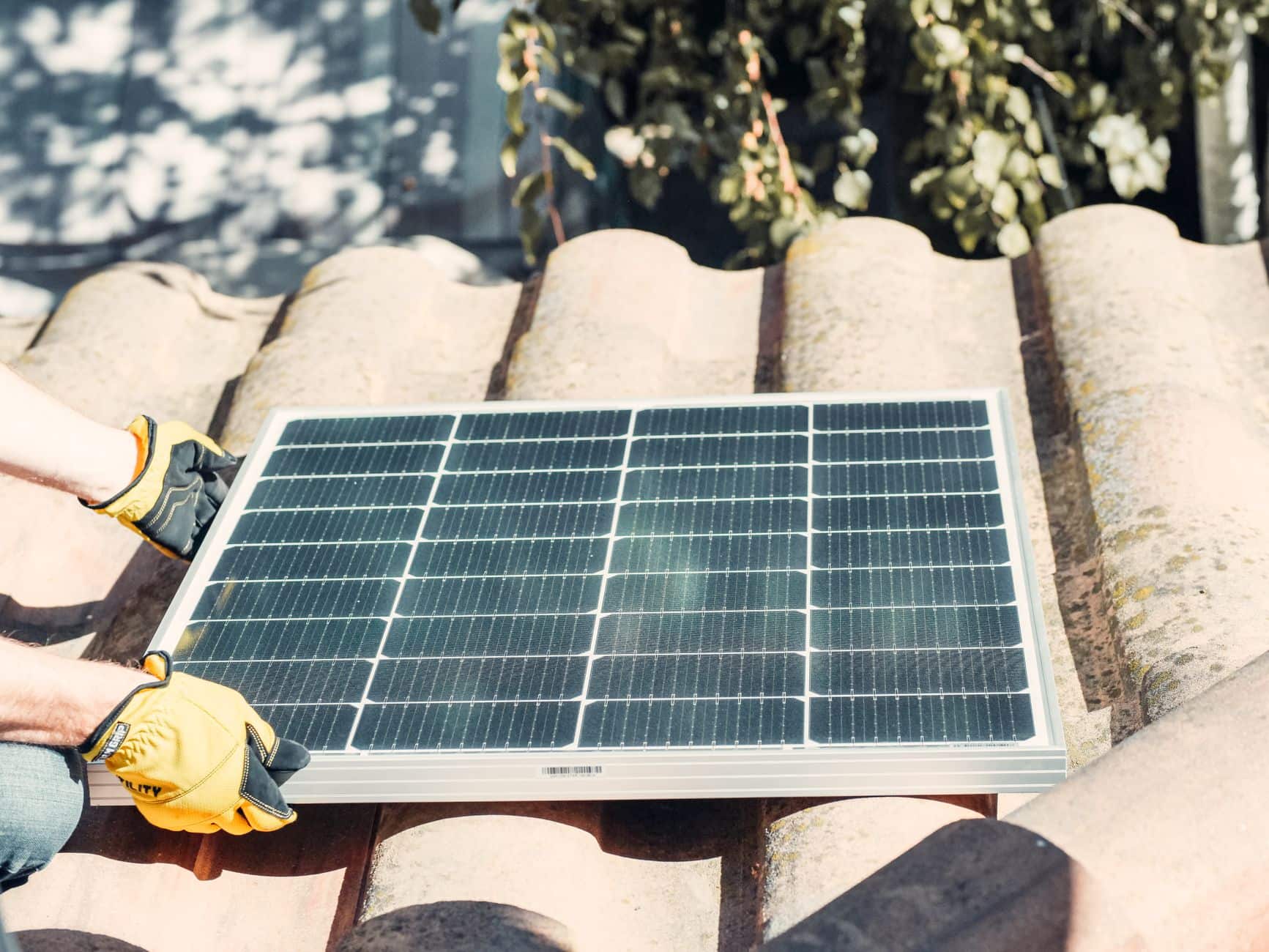
Australia June Solar Install Drop Still Record
Australia installed 322 MW of rooftop solar in June 2026 – a 4 % dip month‑on‑month but still the strongest June on record, adding about 0.7 % to the nation’s total PV stock.
France’s C&I Rooftop Solar Hits Record Low Price
France awarded 300 MW of C&I rooftop solar at a record‑low €0.082/kWh, with demand five times the supply and rooftop projects making up 62 % of the allocation.
Israel’s Solar Boom: 30% CAGR to 2032
Israel’s solar market is projected to jump from US$187 million in 2024 to US$1.63 billion by 2032, a 31 % CAGR, driven by a 1.3 GW project pipeline and new tariff incentives.
India’s New Renewables Face 33% Curtailment
About a third of India’s newly commissioned renewable capacity is being curtailed, with 50‑60% solar curtailment during peak hours, due to transmission delays.