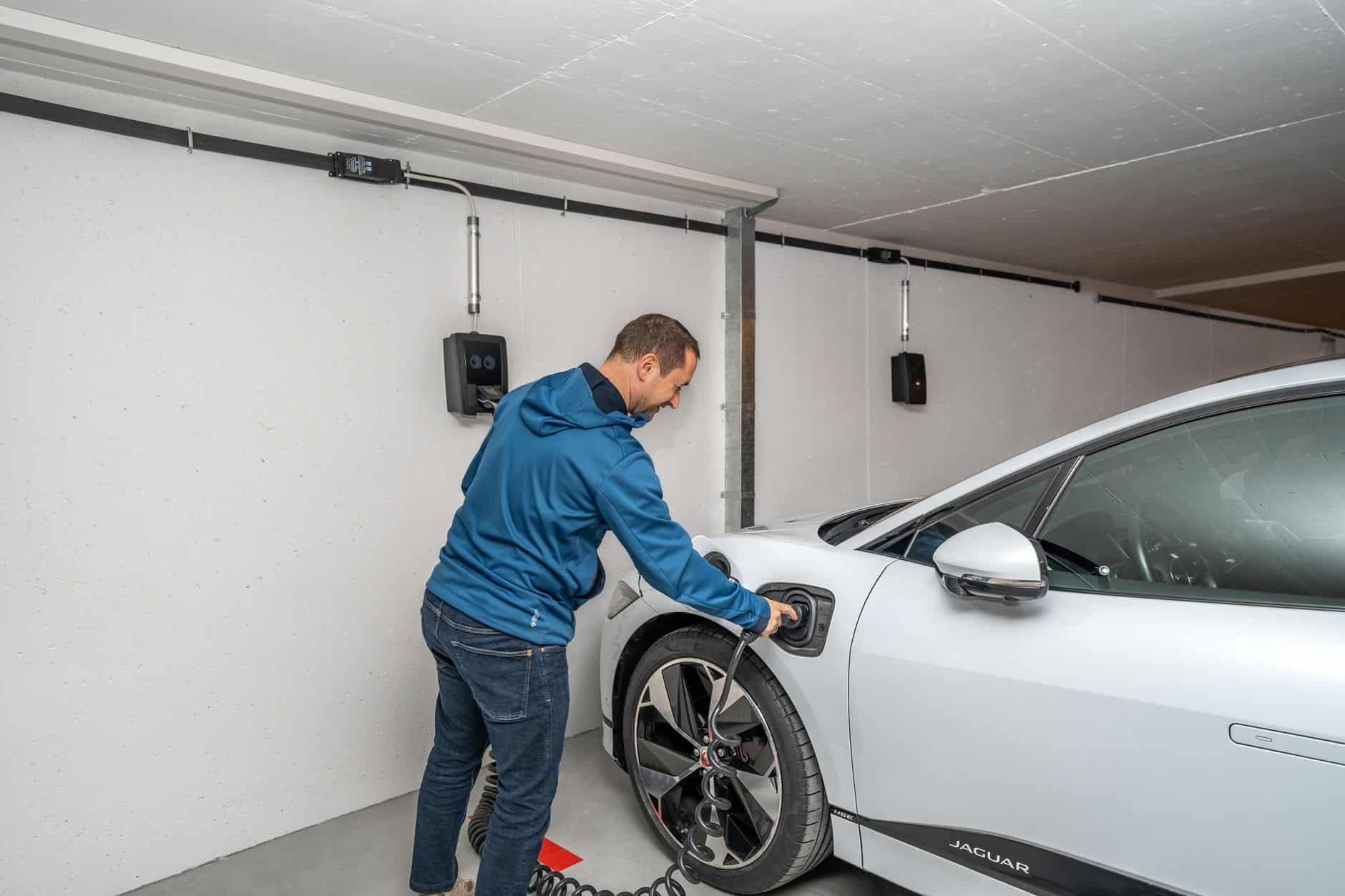
High‑Voltage Sodium‑Ion Home Battery Hits Market
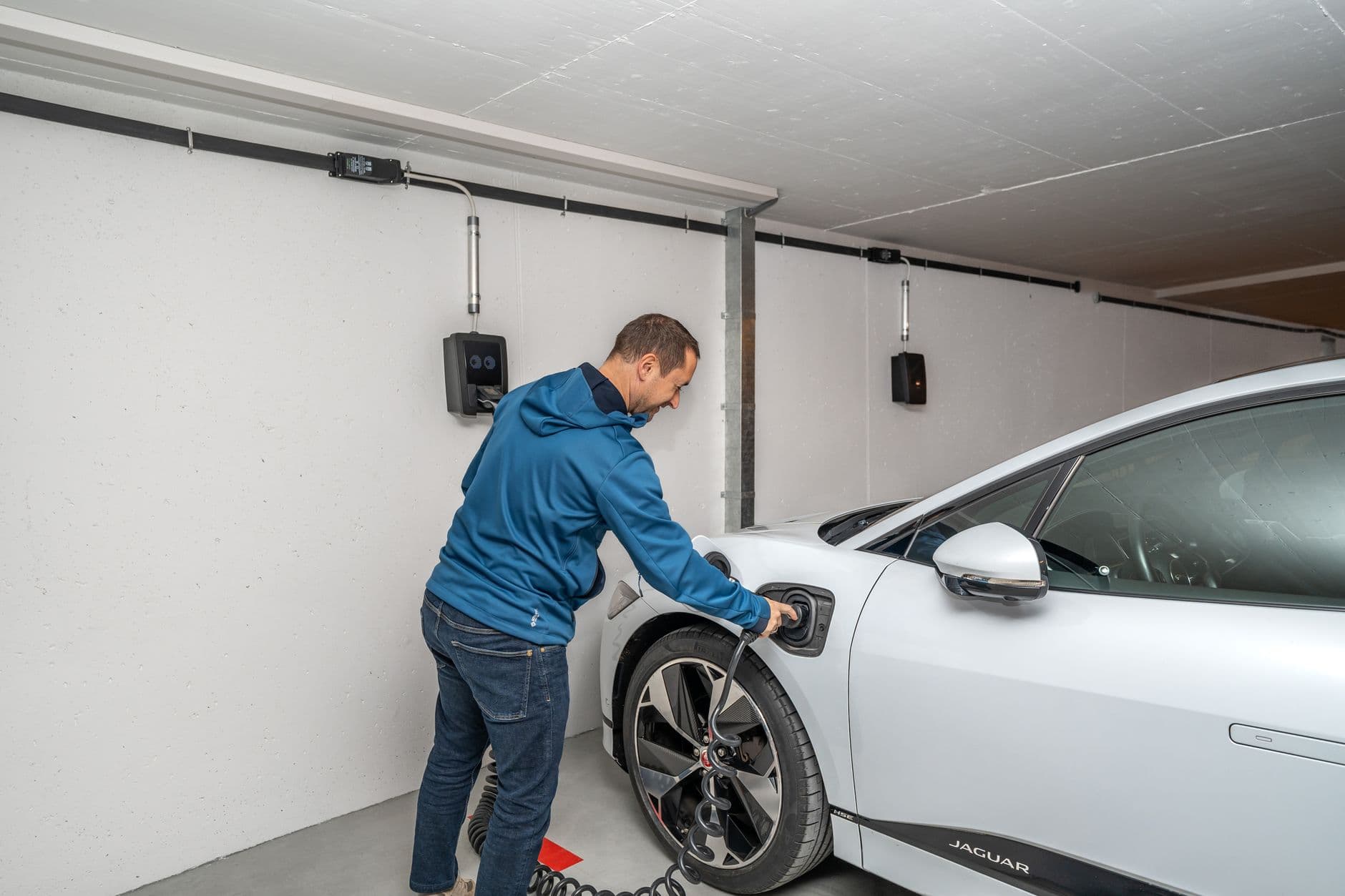
Revolta’s sodium‑ion battery packs up to 20 kWh for homes
Revolta’s new residential storage system can be built from 2 kWh modules up to a total of 20 kWh, delivering a nominal 450 V DC and more than 95 % round‑trip efficiency. The compact unit (284 × 186 × 260 mm, 19 kg) is rated for 0.6‑1.2 kW charge/discharge power and carries an IP65 protection rating, meaning it can withstand dust and water jets. The company says the battery can sit idle for over a year without needing a recharge, and the whole system is commissioned via a “plug‑and‑play over‑the‑air” process using a smartphone app or Bluetooth. Sources: PV‑Magazine, ESS‑News, SodiumBatteryHub.
Compared with lithium‑ion, the specs are competitive but the chemistry is cheaper
At 105 Wh kg⁻¹, Revolta’s sodium‑ion cells sit below the energy density of typical NMC lithium‑ion packs, yet they still outperform many older lithium chemistries. The high nominal voltage (450 V) lets the system connect directly to a residential inverter, avoiding a separate DC‑DC step‑up stage. Industry analysts note that sodium‑ion batteries avoid the costly cobalt and nickel raw materials that drive lithium‑ion prices, which has helped push the average European home‑battery cost down to €400‑500 per kWh in 2026 (https://en.u-energie.de/blogs/home-battery-storage-price-trends).
The market is warming up: sodium‑ion and German storage growth
The global sodium‑ion market was valued at about $410 million in 2025 and is projected to exceed $1 billion by 2034, a CAGR of roughly 11 % (https://www.imarcgroup.com/sodium-ion-battery-market). Europe is the fastest‑adopting region, with Germany alone installing 1.2 GW of residential battery capacity in 2022 – a 52 % year‑on‑year jump (https://interactanalysis.com/insight/analysis-of-energy-storage-policies-in-key-countries-germany/). Revolta plans to roll out the product in Germany this September and reach a full sales network across Europe by 2027, targeting the traditional three‑tier distribution model of wholesalers‑installers‑end‑users.
Plug‑and‑play installation cuts labour and time
Unlike many lithium‑ion systems that require a dedicated electrician to wire a separate battery management unit, Revolta’s unit plugs straight into the inverter and is activated remotely via the app. The OTA commissioning means the installer can finish the job quickly, and the battery can stay on standby for more than a year without a top‑up – a convenience that could lower installation labour effort.
What it means for Israeli homeowners
In Israel a typical 10 kWp rooftop PV system generates about 17 MWh per year, worth roughly ₪8,160 at the residential feed‑in tariff of ₪0.48 kWh⁻¹ [Verified Israeli Facts]. Adding a 10 kWh sodium‑ion battery would allow a homeowner to store a meaningful portion of daily solar generation, providing some offset of electricity purchases. However, using the European price range of €400‑500 /kWh, a 10 kWh unit would represent a substantial investment, leading to a payback period that extends well beyond the few‑year horizon typical for PV‑only installations. This suggests that wider adoption in Israel will likely depend on further price reductions or supportive incentives. For a step‑by‑step ROI check, try our solar ROI calculator.
Outlook: opportunities and hurdles
Revolta’s high‑voltage design sidesteps many grid‑interconnection hurdles, making it easier to export the concept to markets with strict inverter‑only rules. However, the current energy density means the system is heavier than a comparable lithium pack, and the €400‑500 /kWh price remains above the level many European homeowners are currently targeting. If sodium‑ion chemistry continues to scale – as the IEA forecasts a six‑fold expansion of global storage capacity by 2030 (https://www.pv-magazine.com/2024/04/26/iea-calls-for-sixfold-expansion-of-global-energy-storage-capacity/) – we can expect unit costs to fall further, opening the door for wider adoption in price‑sensitive markets like Israel.
Key take‑aways
- Modular 2‑20 kWh, 450 V, >95 % efficient sodium‑ion home battery launched by Revolta.
- Energy density 105 Wh kg⁻¹, charge/discharge 0.6‑1.2 kW, IP65, OTA commissioning.
- European market sees sodium‑ion battery value rise from $410 M (2025) to >$1 B (2034).
- In Israel a 10 kWh unit could offset some electricity costs, but at current European pricing the payback would be well over a decade.
- Revolta aims for a Europe‑wide sales network by 2027, starting with Germany.
Sources & further reading
FAQ
How much energy can Revolta’s battery store?
It scales from 2 kWh per module up to 20 kWh when ten modules are paralleled.
What is the nominal voltage of the system?
The battery operates at a nominal 450 V DC.
Is the battery compatible with existing inverters?
Yes, it connects directly to a residential inverter, avoiding extra DC‑DC conversion.
How does the efficiency compare to lithium‑ion?
Revolta reports round‑trip efficiency above 95 %, which is on par with most modern lithium‑ion home batteries.
When will the product be available in Europe?
The official market launch is scheduled for September 2024, with a full sales network expected by 2027.
Can Israeli homeowners benefit from this technology?
A 10 kWh unit could offset roughly ₪1,440 of electricity per year, but current European prices mean a payback of 10‑12 years, longer than a typical PV‑only system.
Share this post
More from Storage
6
Ecosolex Battery Storage Boosts Solar Savings
Topband introduced its Ecosolex all‑in‑one battery storage line at ees Europe 2026, promising easier installation, high safety standards and a boost to solar self‑consumption for both commercial and residential users.

Battery Fire in Germany Highlights Storage Safety Risks
A 1.5 MW lithium‑ion battery storage in Germany ignited on July 21, prompting massive water cooling and evacuations; experts say such fires are rare but highlight the need for stricter EU safety standards and careful planning for Israel’s expanding storage market.
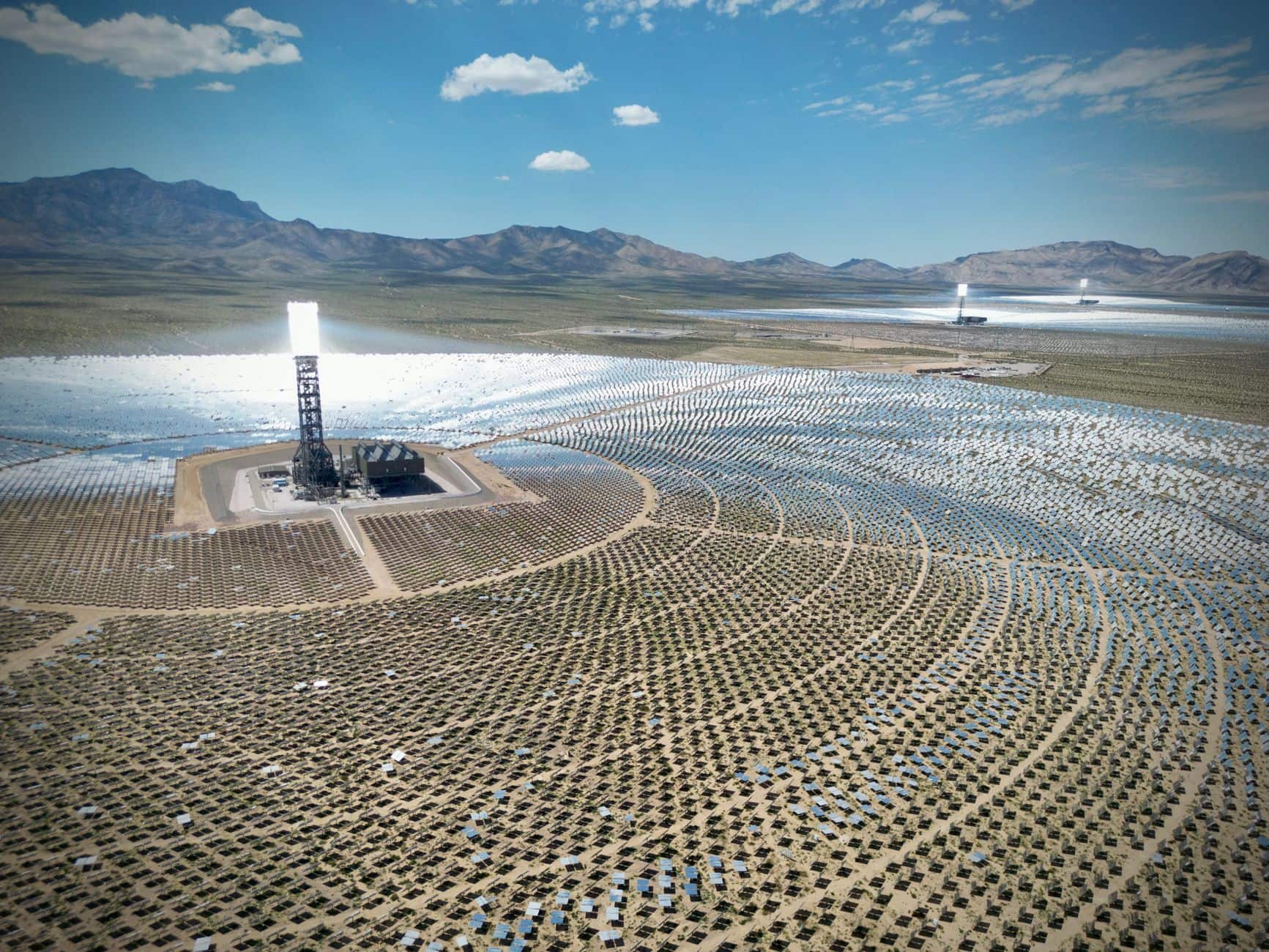
Turning Curtailed Solar into Dispatchable Power
Geo2Watts’ Borehole Battery Platform converts curtailed solar power into heat stored in idle wells, creating dispatchable electricity and new revenue for solar projects.
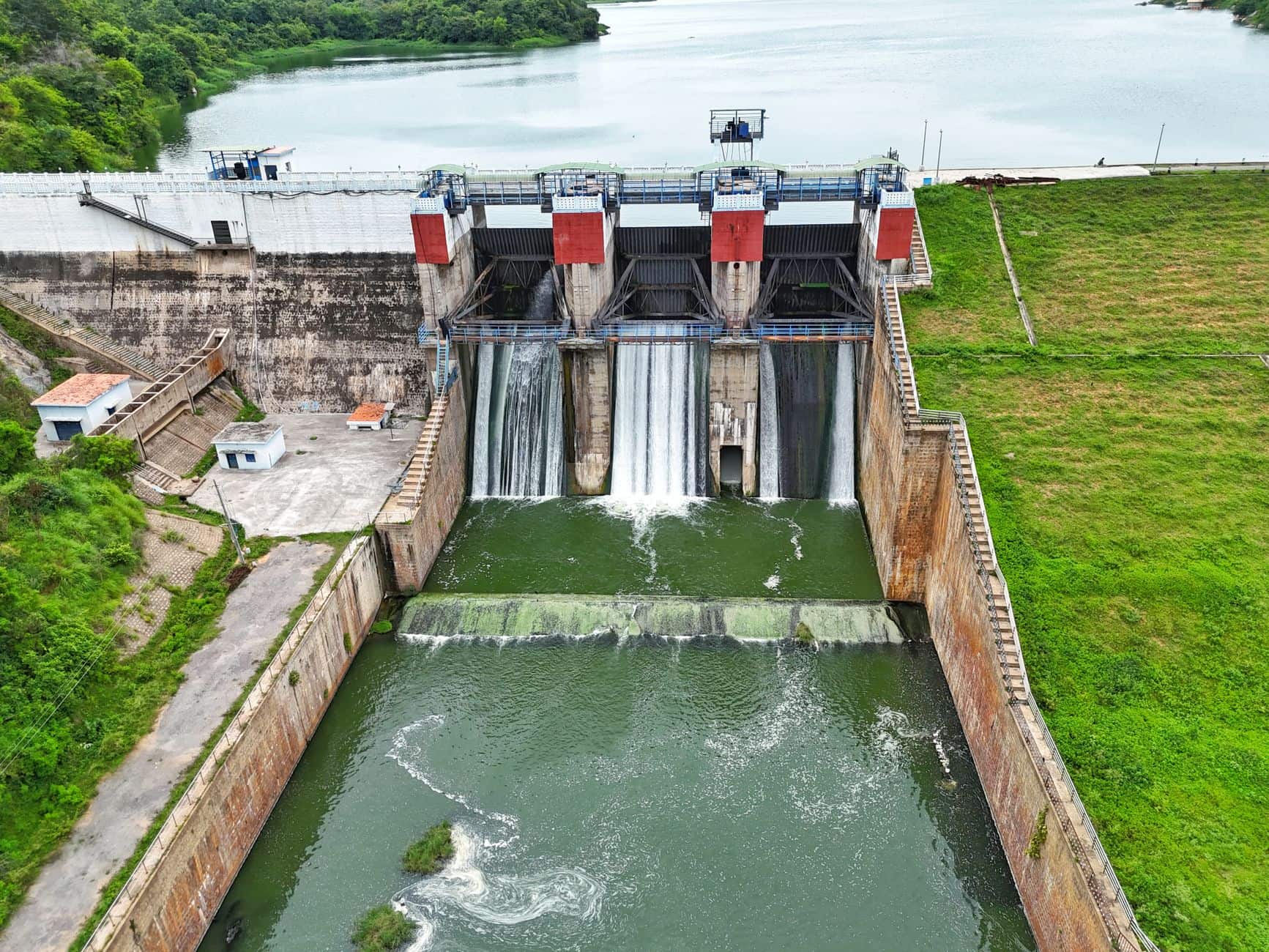
Spain Pumps €165M into 2 GW Storage
Spain’s government is injecting €165 million into seven pumped‑hydro projects that will add 2.071 GW of generation and 21.091 GWh of storage, a move that could serve as a model for Israel’s own renewable‑storage ambitions.

Sodium‑Ion Battery Deal Sets New Scale
HyperStrong has signed a three‑year, 60 GWh supply deal with CATL – the largest contract ever for sodium‑ion batteries – as the global market races toward multi‑billion‑dollar valuations.

Envision Energy Shows 4 MWh Storage
Envision Energy unveiled a 4 MWh, fully integrated storage block at The smarter E 2026, alongside a solid‑state transformer and 800 V DC battery for AI data centres, signalling a push into Europe’s long‑duration storage market and offering a potential tool for Israel’s renewable‑energy goals.