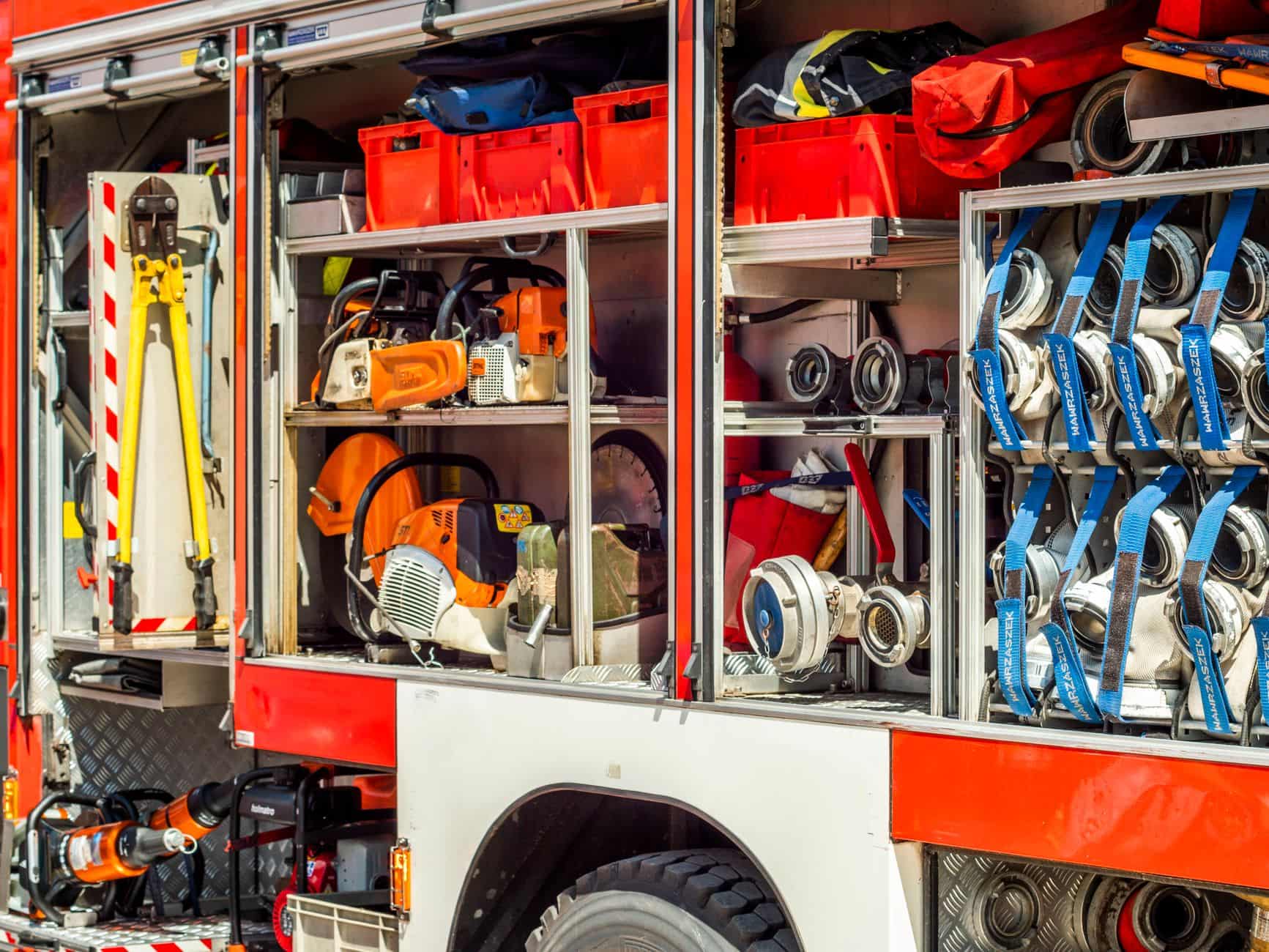
Battery Fire in Germany Highlights Storage Safety Risks
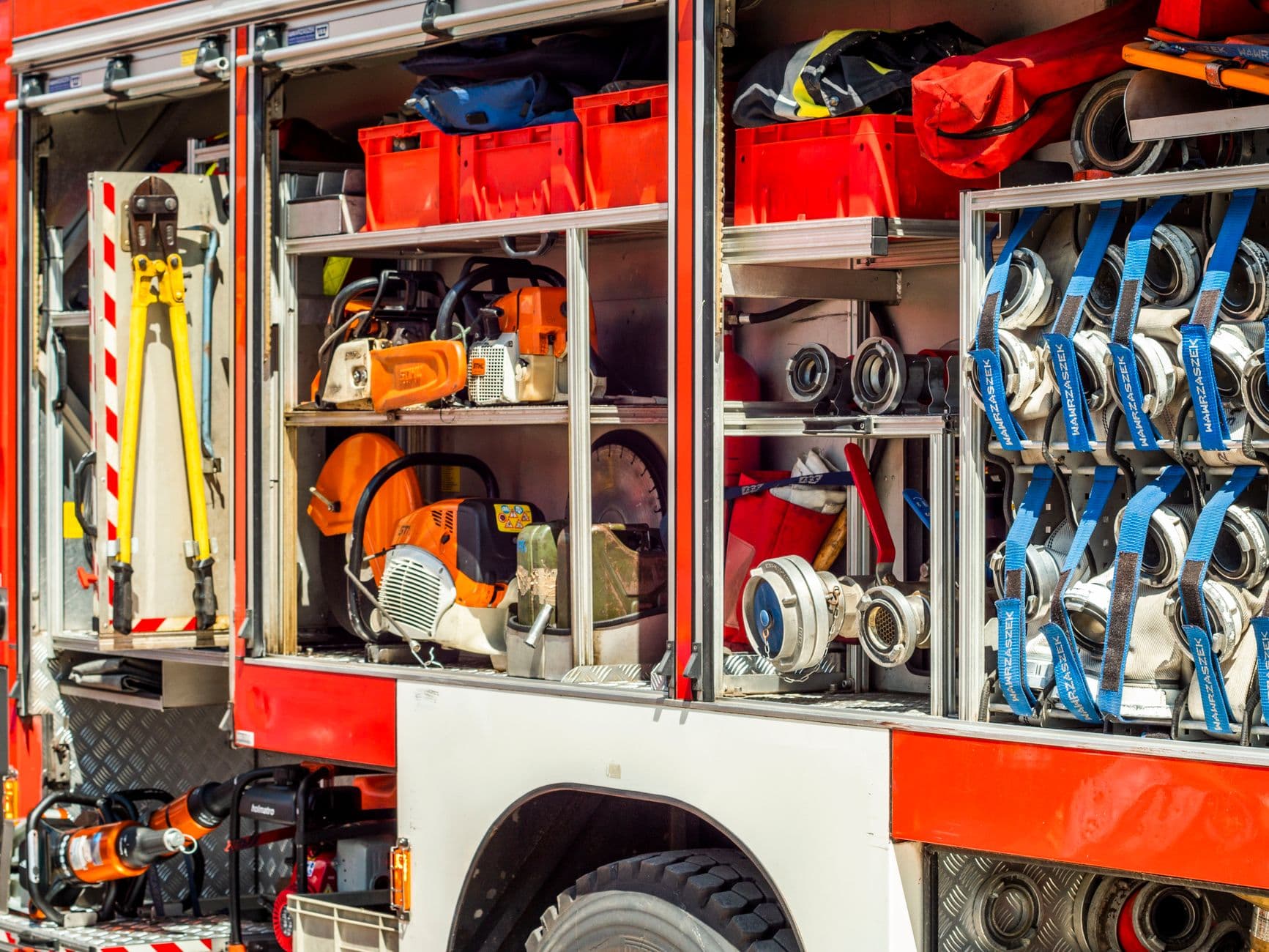
Fire broke out at a 1.5 MW battery storage in Bautzen, Germany – the facts
A lithium‑ion battery energy‑storage system (BESS) housed in four shipping containers ignited on July 21 2024 in the eastern German city of Bautzen. The 1.5 MW installation was immediately cooled with a continuous spray of roughly 5,000 L of water per minute, while drones monitored temperature hotspots. Authorities evacuated 42 residents from the old‑town area, but no injuries were reported. The fire remains under investigation and the site is expected to stay under cooling operations through July 22 2024.
Why lithium‑ion BESS fires are hard to fight – cooling, not extinguishing
Firefighters cannot simply douse a lithium‑ion fire with water because the reaction can reignite if the cell temperature is not reduced below the thermal runaway threshold. German crews therefore focused on massive cooling to prevent escalation or explosion, a tactic recommended in the UK’s Health and safety in grid‑scale electrical energy storage systems guidance, which stresses that water is used primarily to absorb heat rather than to extinguish the flame. Drones provide real‑time thermal imaging, a best‑practice highlighted by the European Safety Best Practices for Battery Energy Storage Systems report, which calls for remote monitoring to protect personnel and limit exposure.
How likely are such fires? – the numbers are reassuring
Despite the dramatic headlines, the probability of a fire in a stationary BESS is extremely low. A recent RWTH Aachen study calculated an annual fire likelihood of 0.0049 %, which is about 50 times lower than the chance of a typical house fire. This rarity stems from stringent design standards and the inherent stability of modern lithium‑ion chemistries, though the risk rises with larger, containerised installations that concentrate many cells in a confined space.
EU safety framework and remaining gaps – regulation meets practice
The EU Battery Regulation (EU) 2023/1542 obliges BESS operators to ensure safety during normal operation and to implement fire‑suppression systems where needed. However, the Guidelines for the fire protection of battery energy storage systems note that many European countries still lack detailed national fire‑code requirements for large containerised BESS, creating a regulatory vacuum that can delay emergency response planning. The UK’s PAS 63100:2024 standard, meanwhile, provides specific fire‑safety criteria for small‑scale domestic BESS, illustrating how national codes can complement EU‑wide rules.
What it means for Israel’s growing storage market – a practical view
Israel is racing toward a 30 % renewable electricity target by 2030 and a 20 % interim goal for 2025. To meet these ambitions, large‑scale battery storage will be needed to balance solar generation, especially as the country’s solar yield varies from 1,700 kWh/kWp / yr in the central region to 2,200 kWh/kWp / yr in the Arava.
Illustrative calculation: A typical 10 kW rooftop solar system in central Israel produces about 17,000 kWh per year, worth roughly ₪8,160 at the residential tariff of ₪0.48/kWh. If a home battery were to store a portion of that surplus, the economic return would be modest given current tariffs and typical installation costs, highlighting that without subsidies or ancillary revenue streams, battery economics remain challenging in Israel today.
Lessons for operators and regulators – next steps
- Prioritise active cooling over direct extinguishing for large containerised BESS, as demonstrated in Bautzen.
- Adopt remote monitoring (thermal drones, CCTV) to keep responders safe and to detect early temperature spikes.
- Align national fire codes with EU Regulation 2023/1542, filling the current gap identified across Europe.
- Educate Israeli developers on the long payback horizon for residential batteries and the critical role of safety to avoid costly incidents that could stall the nation’s storage rollout.
What it means for Israel
Israel’s ambitious renewable targets mean that battery storage will become a cornerstone of the grid, especially to smooth the output of its rapidly expanding solar farms. The German fire illustrates the worst‑case scenario if safety is overlooked. By integrating EU‑level safety practices, investing in active cooling systems, and ensuring that national fire‑code provisions keep pace with technology, Israel can safeguard its multi‑billion‑shekel storage investments while delivering reliable, clean power to households and businesses.
FAQ
- Q: How big was the German battery that caught fire? A: It was a 1.5 MW lithium‑ion system housed in four shipping containers.
- Q: Why didn’t firefighters use water to put out the fire? A: Water is used to cool lithium‑ion cells, not to extinguish them, because the fire can reignite if the temperature isn’t lowered below the thermal‑runaway point.
- Q: How common are battery‑storage fires in Europe? A: The RWTH Aachen study estimates an annual fire probability of 0.0049 %, about fifty times lower than a typical house fire.
- Q: What safety standards apply to BESS in the EU? A: The EU Battery Regulation 2023/1542 sets safety requirements, and national guidelines like the UK’s PAS 63100:2024 provide detailed fire‑protection rules for smaller installations.
- Q: Will Israel need large batteries for its solar expansion? A: Yes, to balance solar output and meet the 30 % renewable target, large‑scale storage will be essential.
- Q: Are residential batteries financially viable in Israel? A: At current tariffs and typical costs, a home battery would have a long payback period, making it a long‑term investment unless subsidies or additional revenue streams are introduced.
Key Facts
- The German 1.5 MW battery fire required 5,000 L/min of water for cooling.
- EU Regulation 2023/1542 mandates fire‑safety design for all stationary battery systems.
- RWTH Aachen research estimates the annual fire risk at 0.0049 %, far below typical house‑fire odds.
- Israel’s residential solar tariff is ₪0.48/kWh, yielding about ₪8,160 per year from a typical 10 kW rooftop system.
Sources & further reading
- Health and safety in grid scale electrical energy storage systems...
- Quantitative fire likelihood assessment of battery home storage...
- Safety Best Practices for Battery Energy Storage Systems
- Guidelines for the fire protection of battery energy storage systems
- Electrical installations. Protection against fire of battery energy...
FAQ
What caused the fire at the German battery storage?
The exact cause is still under investigation, but the fire started in a containerised lithium‑ion system and required intensive cooling rather than direct extinguishing.
How do firefighters normally handle lithium‑ion battery fires?
They focus on cooling the cells with large volumes of water and use drones for thermal monitoring, because water alone may not fully extinguish the fire.
Is the risk of battery fires high in Europe?
No—research shows an annual fire probability of just 0.0049 %, which is about fifty times lower than the chance of a typical house fire.
What EU regulation governs BESS safety?
The EU Battery Regulation (EU 2023/1542) requires safety measures for stationary battery systems, complemented by national codes such as the UK’s PAS 63100:2024.
Why does this matter for Israel?
Israel’s renewable targets demand large‑scale storage, so adopting robust safety practices like those highlighted by the German incident is essential to protect investments and ensure reliable power.
Are residential battery systems financially attractive in Israel?
At current tariffs and typical costs, a 10 kWh home battery would need about 20‑plus years to break even, making it a long‑term investment unless subsidies are added.
Share this post
More from Storage
6
Turning Curtailed Solar into Dispatchable Power
Geo2Watts’ Borehole Battery Platform converts curtailed solar power into heat stored in idle wells, creating dispatchable electricity and new revenue for solar projects.
Spain Pumps €165M into 2 GW Storage
Spain’s government is injecting €165 million into seven pumped‑hydro projects that will add 2.071 GW of generation and 21.091 GWh of storage, a move that could serve as a model for Israel’s own renewable‑storage ambitions.

Sodium‑Ion Battery Deal Sets New Scale
HyperStrong has signed a three‑year, 60 GWh supply deal with CATL – the largest contract ever for sodium‑ion batteries – as the global market races toward multi‑billion‑dollar valuations.

Envision Energy Shows 4 MWh Storage
Envision Energy unveiled a 4 MWh, fully integrated storage block at The smarter E 2026, alongside a solid‑state transformer and 800 V DC battery for AI data centres, signalling a push into Europe’s long‑duration storage market and offering a potential tool for Israel’s renewable‑energy goals.
Ingeteam Unveils 4.5 MW BESS Inverter
Ingeteam’s new Ingecon Sun Storage M Series delivers up to 4.54 MVA, 98.9 % efficiency and modular scalability for utility‑scale battery storage, a useful tool for Israel’s expanding BESS market.
High‑Efficiency 460 kW PCS Boosts EU Solar‑Storage
HIZEnergy’s new PCS‑460K delivers 460 kW with up to 99.2 % efficiency and dual AC outputs, positioning it as a top‑choice for Europe’s fast‑growing C&I solar‑plus‑storage market.