
Sodium‑Ion Battery Deal Sets New Scale

HyperStrong secures 60 GWh sodium‑ion supply deal – the biggest ever
HyperStrong has inked a three‑year agreement with CATL to receive 60 GWh of sodium‑ion battery cells, the largest contract recorded for the emerging technology. The deal, announced on 21 July 2026, positions HyperStrong as a key integrator for long‑duration storage projects across China and beyond.
Sodium‑ion market surges to multi‑billion‑dollar size
The global sodium‑ion market is already worth billions. Fortune Business Insights reports a valuation of $2.22 billion in 2026, projected to climb to $7.08 billion by 2034. Grand View Research estimates the market at $661.7 million in 2026, while Coherent Market Insights sees a $25.20 billion valuation for 2026 with a 14.2 % CAGR to 2033. These divergent figures all agree that the sector is moving from niche to mainstream.
Why sodium‑ion could challenge lithium for long‑duration storage
Sodium‑ion cells offer lower material costs and better thermal stability than lithium‑ion, making them attractive for grid‑scale, multi‑hour storage where total cost of ownership matters more than upfront price. HyperStrong’s CEO Jianhui Zhang emphasizes that “for long‑duration assets, operational stability and asset lifetime are becoming more important than initial investment alone.”
Cost and scale: 60 GWh in perspective for solar integration
At 20 GWh per year (60 GWh ÷ 3 years), the supply can store the output of roughly 1,176 typical Israeli homes (each 10 kWp system produces ~17,000 kWh / year in the central region). This calculation uses the verified Israeli yield of 1,700 kWh per kWp‑year and shows how a single contract could underpin a sizable portion of residential solar‑plus‑storage deployments.
What it means for Israel’s solar‑plus‑storage future
Israel’s residential solar tariff (₪0.48 /kWh) and installation cost (₪3,150 /kWp) make rooftop PV attractive, but storage remains pricey. If a typical 10 kWp home adds a modest sodium‑ion battery, the stored energy would generate a modest additional value at the residential tariff. Scaling to a 20 GWh yearly supply could enable utilities to offer grid‑level storage contracts that shave peak‑hour prices and improve renewable penetration without the need for massive lithium‑ion roll‑outs. Israeli developers should watch HyperStrong’s rollout as a template for cost‑effective, long‑duration storage that complements the nation’s goal of 30 % renewable electricity by 2030.
Outlook
With the 60 GWh contract, HyperStrong and CATL are setting a benchmark for volume‑driven sodium‑ion production. As market valuations climb and technology matures, sodium‑ion batteries could become the go‑to solution for both utility‑scale and residential storage, accelerating the global shift toward cleaner, more resilient power systems.
Sources & further reading
- How much was the global sodium-ion battery market worth in 2026?
- Sodium-Ion Battery Market Size, Share Report, 2026-2033
- Sodium-ion Battery Market | Global Market Analysis Report - 2036
- Sodium-Ion Battery Market Size, Share & Analysis, 2026-2033
- Automotive Sodium Ion Battery Market in the world | Report - IndexBox - Prices, Size, Forecast, and Companies
FAQ
What is sodium‑ion battery technology?
Sodium‑ion batteries use sodium ions instead of lithium to store energy, offering lower material costs and better thermal stability, making them suited for large‑scale, long‑duration storage.
Why is the HyperStrong‑CATL deal significant?
The 60 GWh contract is the largest ever for sodium‑ion cells, signalling confidence in the technology’s scalability and commercial viability.
How fast is the global sodium‑ion market growing?
Estimates range from $2.22 billion in 2026 to $7.08 billion by 2034, with a projected CAGR of around 14 % according to multiple market reports.
Can sodium‑ion batteries replace lithium for solar storage?
They can complement lithium‑ion, especially for multi‑hour storage where cost of ownership and stability matter more than upfront price.
What does this mean for Israeli homeowners?
A 60 GWh supply could enable grid‑scale storage that supports rooftop solar, potentially lowering peak‑hour costs and helping Israel reach its 30 % renewable target.
Share this post
More from Storage
6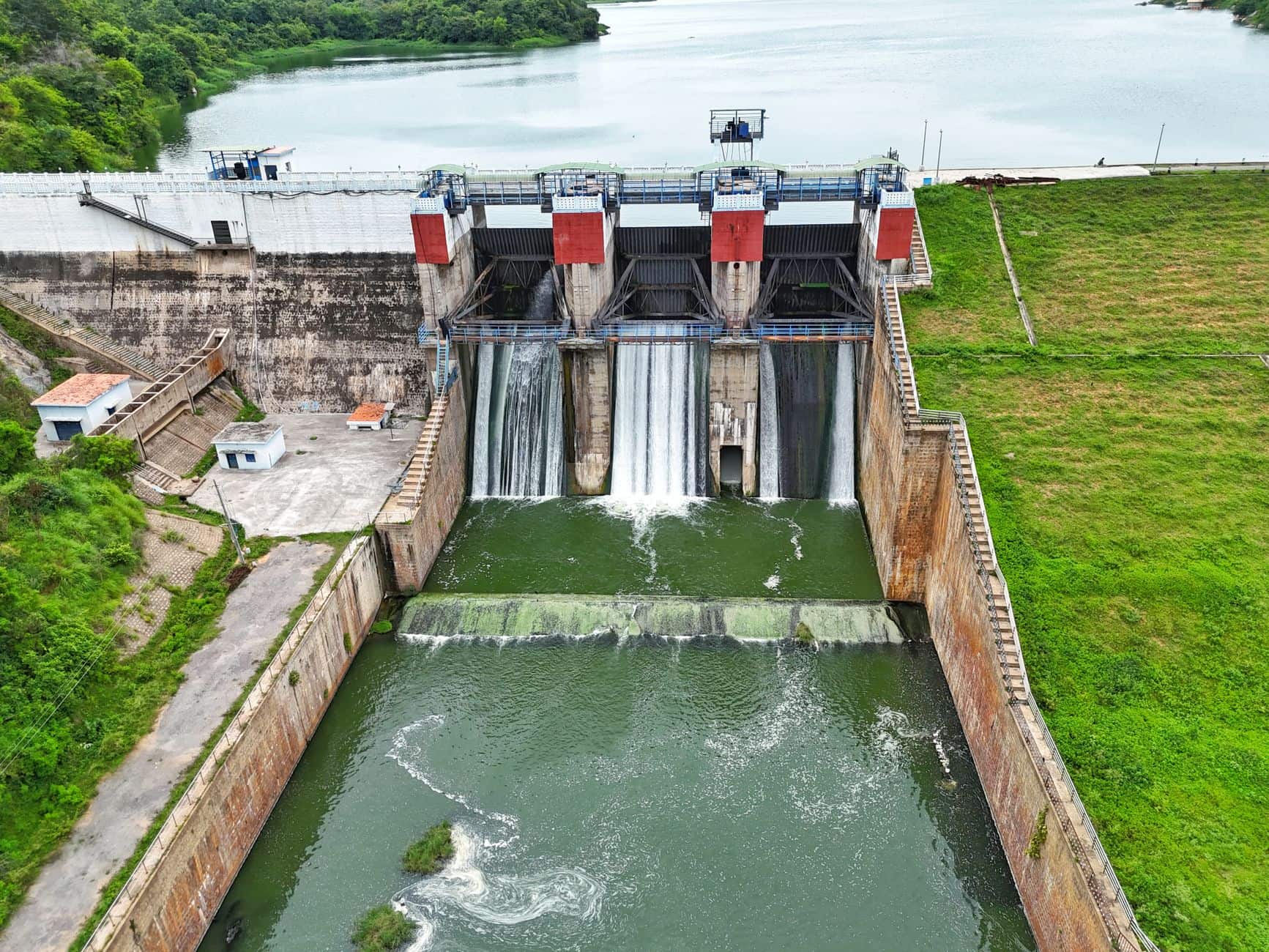
Spain Pumps €165M into 2 GW Storage
Spain’s government is injecting €165 million into seven pumped‑hydro projects that will add 2.071 GW of generation and 21.091 GWh of storage, a move that could serve as a model for Israel’s own renewable‑storage ambitions.

Envision Energy Shows 4 MWh Storage
Envision Energy unveiled a 4 MWh, fully integrated storage block at The smarter E 2026, alongside a solid‑state transformer and 800 V DC battery for AI data centres, signalling a push into Europe’s long‑duration storage market and offering a potential tool for Israel’s renewable‑energy goals.
Ingeteam Unveils 4.5 MW BESS Inverter
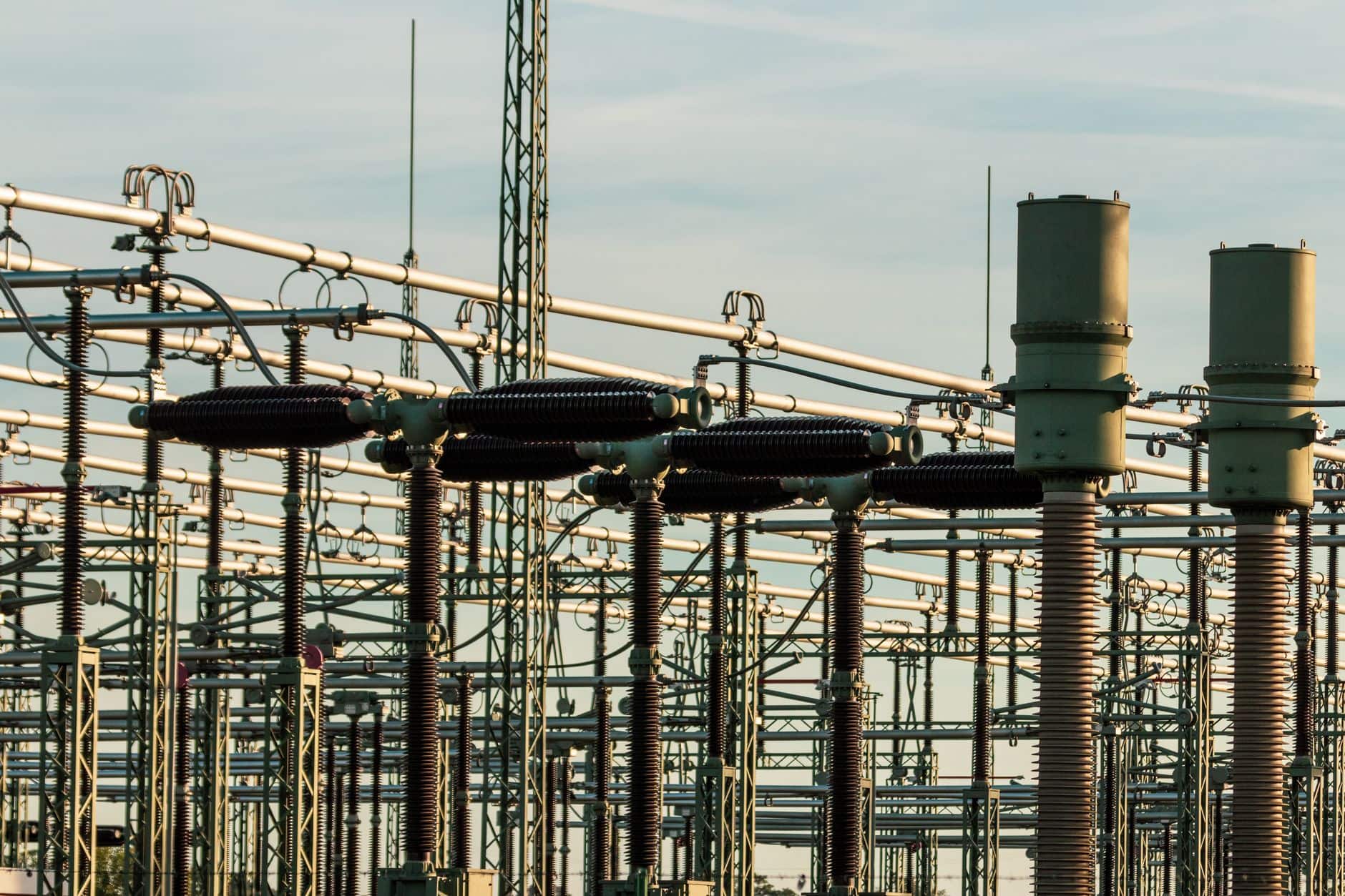
Ingeteam’s new Ingecon Sun Storage M Series delivers up to 4.54 MVA, 98.9 % efficiency and modular scalability for utility‑scale battery storage, a useful tool for Israel’s expanding BESS market.
High‑Efficiency 460 kW PCS Boosts EU Solar‑Storage
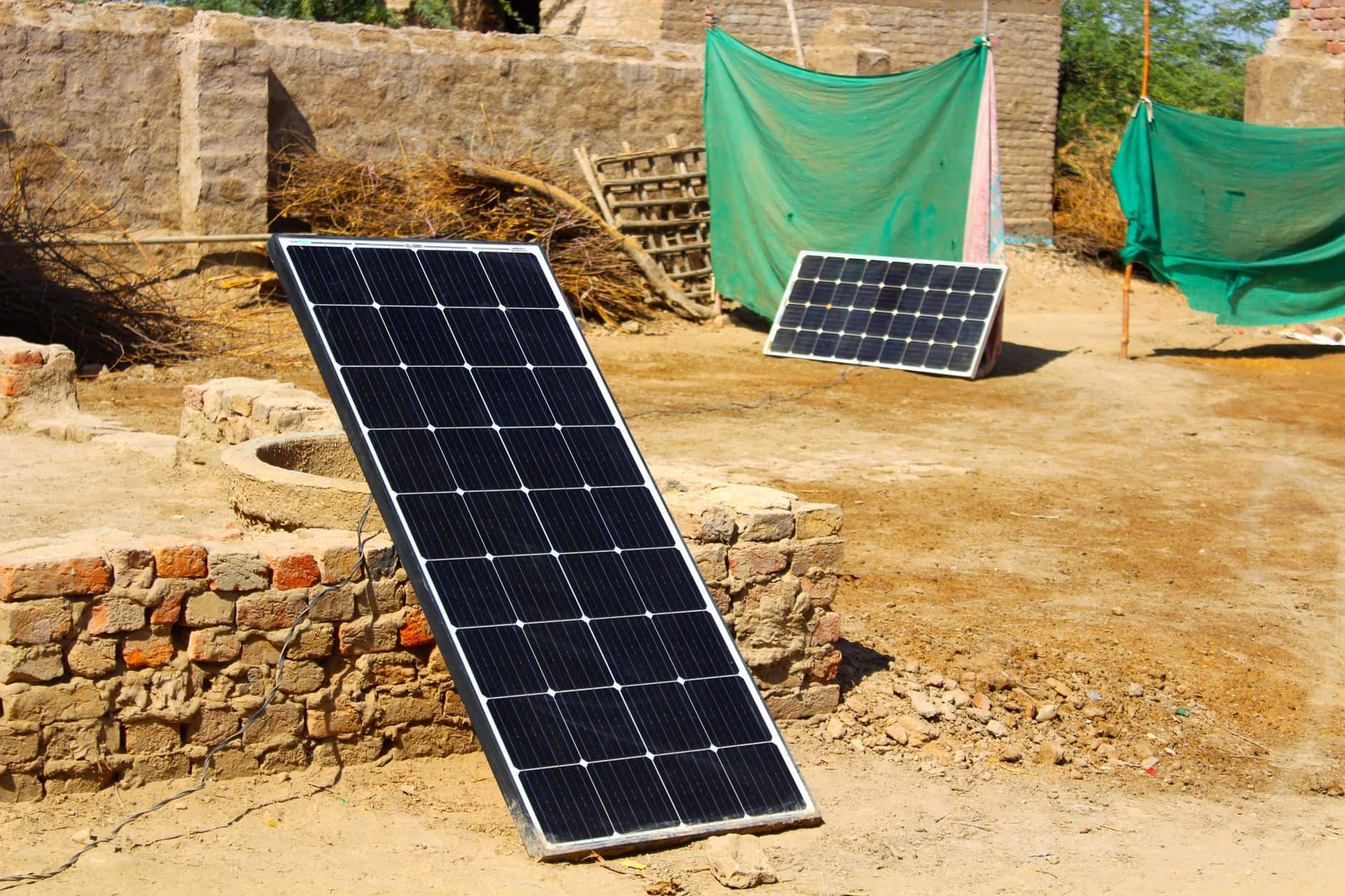
HIZEnergy’s new PCS‑460K delivers 460 kW with up to 99.2 % efficiency and dual AC outputs, positioning it as a top‑choice for Europe’s fast‑growing C&I solar‑plus‑storage market.
China Set to Outproduce Global Battery Demand by 2030
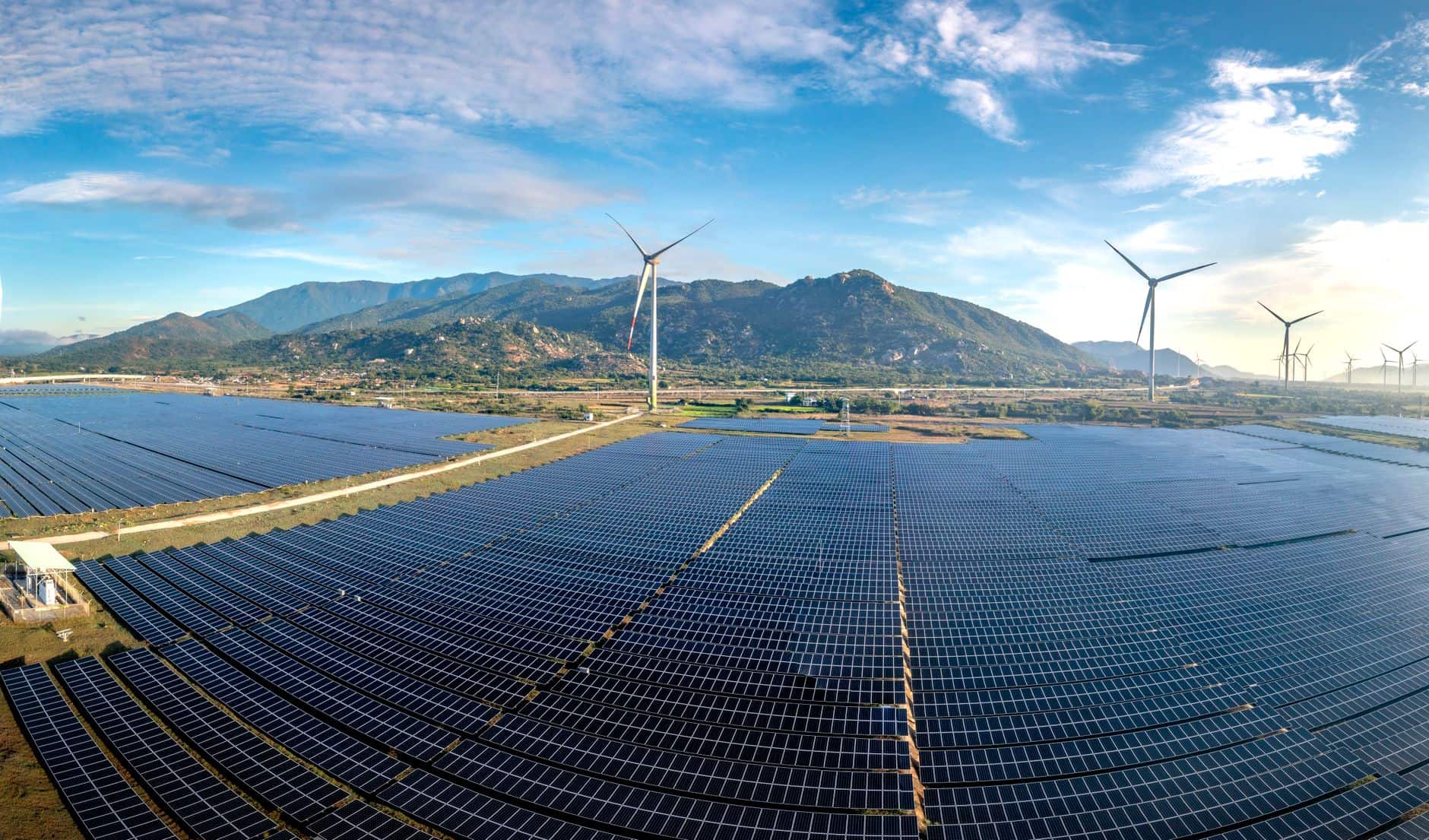
China will build 5,862‑6,720 GWh of battery capacity by 2030, outstripping the world’s projected demand of 4,000‑5,100 GWh and creating a risk of oversupply.
Canadian Solar's EP Cube Boosts Home Power
Canadian Solar’s new EP Cube storage systems deliver up to 20 kW AC, four MPPTs, and scalable storage up to 200 kWh, cutting Israeli home payback to under 4 years.