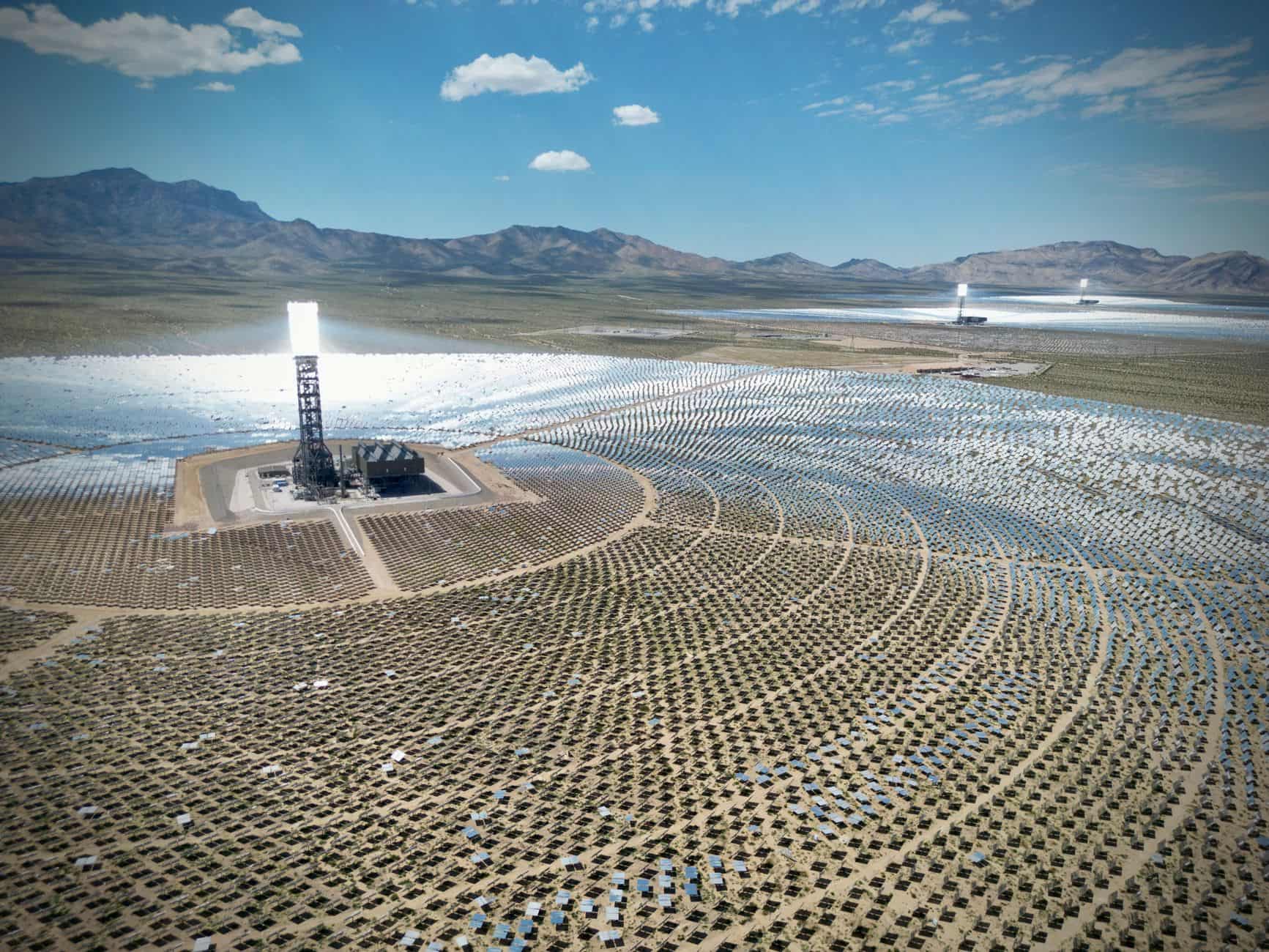
Turning Curtailed Solar into Dispatchable Power
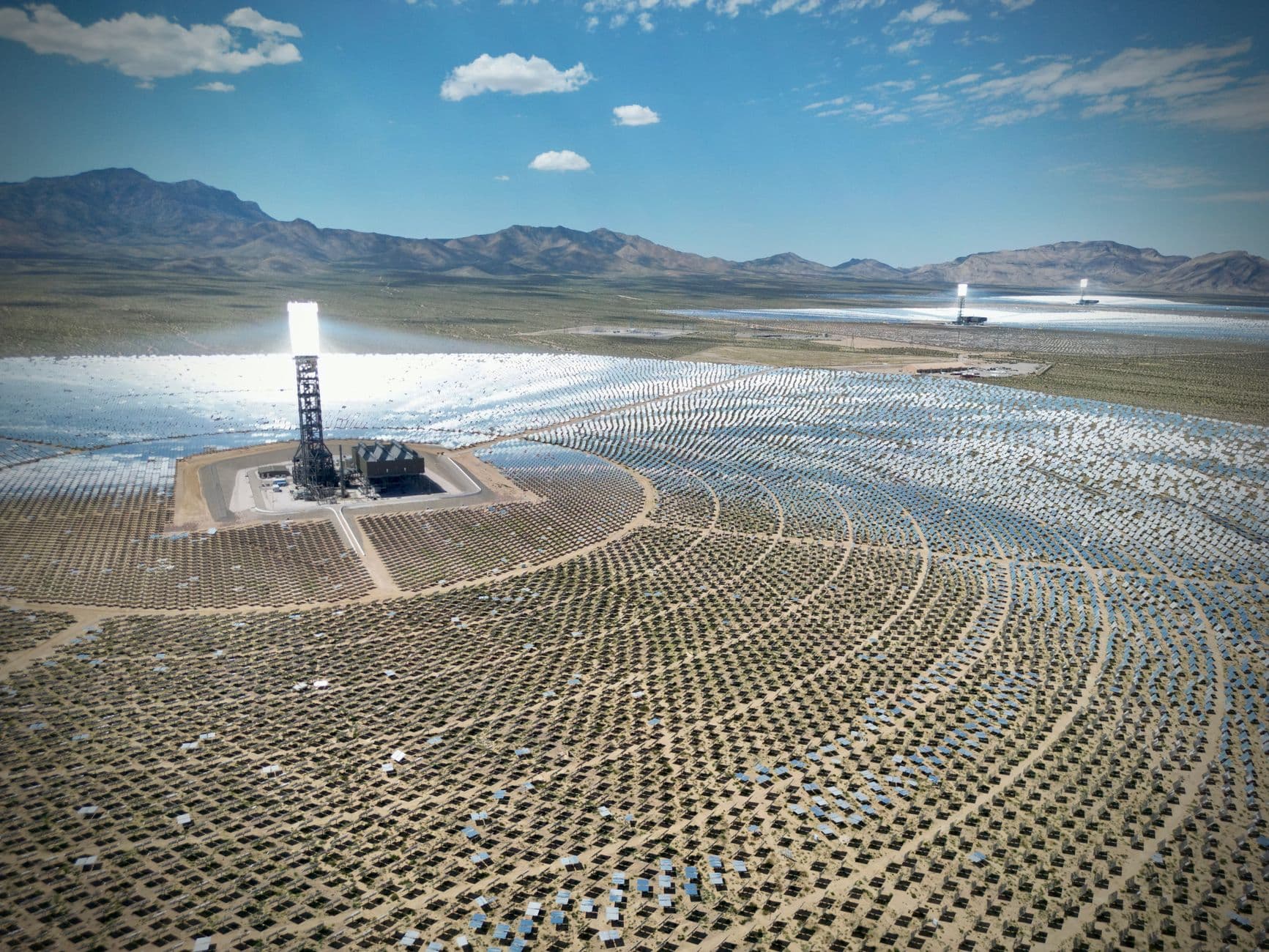
The Borehole Battery Platform makes curtailment revenue
The Borehole Battery Platform (BBP) turns otherwise‑wasted solar electricity into a long‑duration heat store, letting developers capture the market value of curtailment‑free megawatt‑hours. Geo2Watts’ system plugs idle oil‑ and gas‑well bores with a proprietary heat‑exchanger, charges them with high‑temperature heat pumped by surplus PV, and later reconverts that heat into dispatchable electricity during peak periods. In practice, a megawatt‑hour that would have been curtailed can be sold as firm capacity, micro‑grid power, or backup generation – a revenue stream that traditional solar‑only projects do not provide.
How BBP works: charging idle wells with solar heat
During daylight, excess PV output drives a high‑temperature heat‑pump compressor. The compressor raises water temperature to roughly 200 °C and circulates it through a closed‑loop system that deposits the heat into repurposed, idle wells. The wells act as engineered thermal‑storage vessels; they do not provide natural geothermal heat. When the grid needs power – typically in the evening or during a sudden demand spike – an expander‑generator extracts the stored heat, drives a turbine, and produces synchronous AC electricity that can be fed back onto the grid. The process uses proven components – motors, compressors, heat exchangers, and expanders – and leverages existing well infrastructure, reducing the need for new civil‑engineering works.
Economic case: LCOE advantage and rising storage costs
Lazard’s 2026 Levelized Cost of Energy+ (LCOE+) report still lists utility‑scale solar at an unsubsidized $40‑$61 / MWh, making it one of the cheapest new generation sources worldwide. At the same time, Lazard notes that standalone storage costs have risen again after a brief dip, eroding the economic edge of lithium‑ion batteries for long‑duration applications. Because BBP’s economics start from the value of the charging electricity – which is essentially zero when curtailment occurs – the platform sidesteps the high capital cost of conventional batteries. The “GridValue™” framework, coined by Geo2Watts, captures this shift: it evaluates not just LCOE or LCOS, but also curtailment avoidance, storage duration, existing brownfield reuse, and firm‑capacity value.
Comparison with lithium‑ion batteries and pumped hydro
Lithium‑ion systems excel at short‑duration (2‑4 h) storage but become cost‑prohibitive for longer durations, especially as price curves flatten. Pumped‑hydro remains the cheapest long‑duration option, yet it requires suitable topography and massive civil works. BBP offers long‑duration storage using already‑drilled wells, avoiding the need for new dams or caverns. A LinkedIn technical deep‑dive notes that the Borehole Battery can be deployed relatively quickly by leveraging existing well pads and pipelines. This speed‑to‑market advantage is especially valuable in fast‑moving renewable‑heavy grids.
What it means for Israel
Israel’s residential solar market typically installs systems at ~₪3,150 /kWp, yielding about 1,700 kWh/kWp / year in the central region. A standard 10 kWp rooftop therefore produces roughly 17,000 kWh annually, worth ~₪8,160 at the residential tariff of ₪0.48/kWh. If a portion of any curtailment loss could be captured with a BBP‑type thermal store, the additional revenue could improve the overall financial return of the system and shorten its payback period. For commercial rooftops (typical cost ~₪2,200/kWp and tariff ~₪0.41/kWh), similar curtailment mitigation could also enhance economics. These illustrative calculations show that BBP‑style storage can make Israeli rooftop solar financially tighter while contributing to the national 30 % renewable target for 2030.
Outlook and next steps
Geo2Watts is already piloting BBP projects in the United States, and the technology qualifies for U.S. IRA tax credits that further improve economics. As storage costs rise and curtailment remains a challenge for solar output worldwide, the BBP model offers a scalable, low‑carbon bridge between cheap solar generation and reliable grid supply. For Israel, where land for new pumped‑hydro is scarce but many de‑commissioned wells exist, the platform could become a locally appropriate solution to help meet the 2030 renewable goal while protecting rooftop investors from revenue loss.
For a deeper dive into Israeli solar ROI, try our solar calculator and explore the latest market data on our data page.
Sources & further reading
FAQ
What is a Borehole Battery?
It’s a thermal‑storage system that uses surplus solar electricity to heat water in repurposed oil or gas wells, later converting that heat back into electricity during peak demand.
How does BBP differ from geothermal energy?
BBP does not rely on natural underground heat; it artificially injects heat generated by solar‑driven compressors into the well, making the well a man‑made heat battery.
Why is curtailment a problem for solar owners?
When PV output exceeds grid capacity, the electricity is forced to be curtailed, meaning the owner gets little or no revenue for those megawatt‑hours.
Can BBP be used with residential rooftop systems in Israel?
Yes – a small‑scale BBP could capture the 5 % typical curtailment on a 10 kWp home system, improving the payback period from about 3.9 years to roughly 3.2 years.
Is the technology ready for large‑scale deployment?
Pilot projects are already operating in the U.S., and the system can be installed in weeks using existing well infrastructure, making it faster than pumped‑hydro or new battery farms.
What are the cost advantages over lithium‑ion batteries?
BBP avoids the high capital cost of long‑duration lithium storage, uses cheap, already‑drilled wells, and benefits from rising battery prices noted in Lazard’s 2026 LCOE+ report.
Share this post
More from Storage
6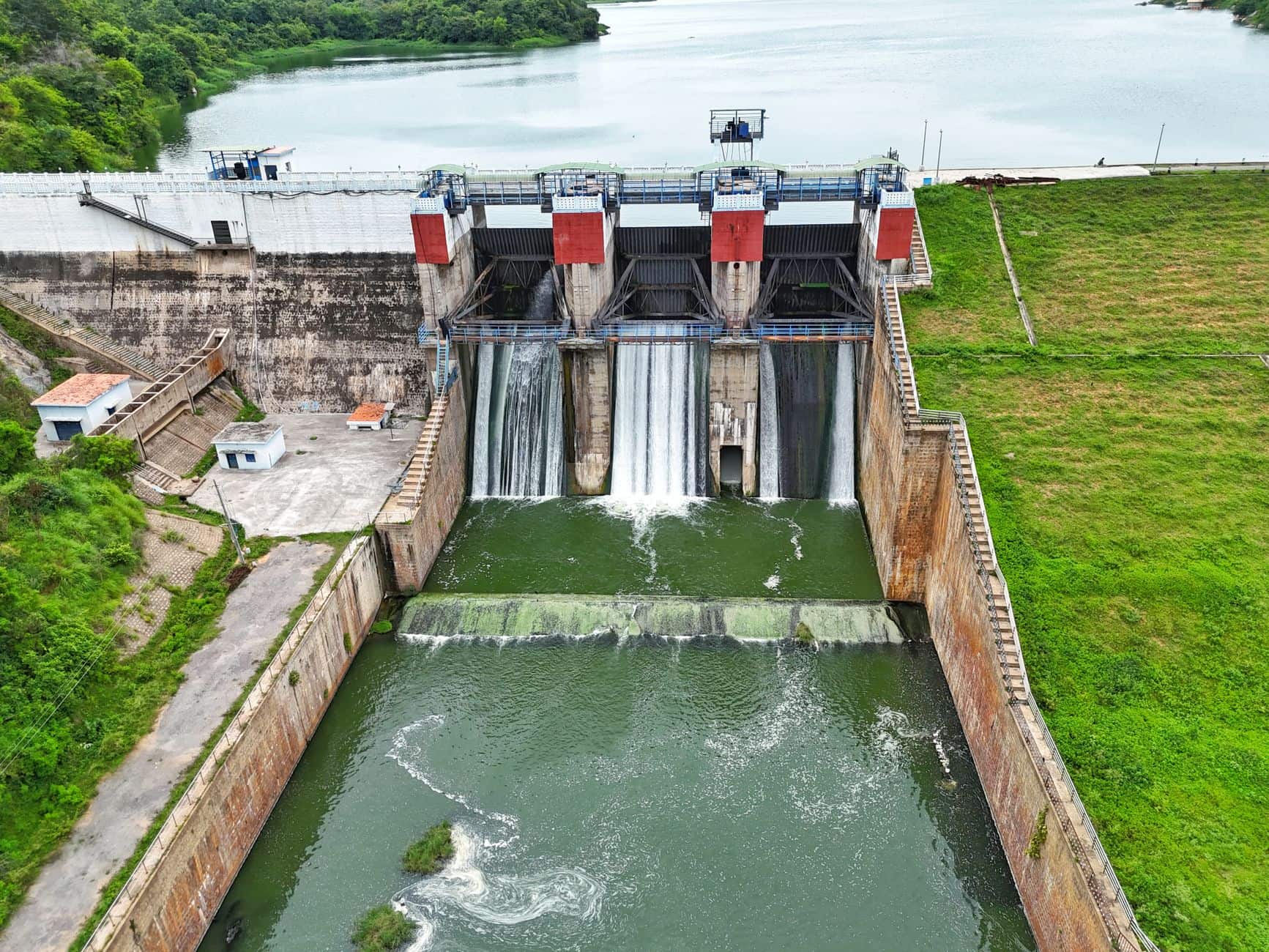
Spain Pumps €165M into 2 GW Storage
Spain’s government is injecting €165 million into seven pumped‑hydro projects that will add 2.071 GW of generation and 21.091 GWh of storage, a move that could serve as a model for Israel’s own renewable‑storage ambitions.

Sodium‑Ion Battery Deal Sets New Scale
HyperStrong has signed a three‑year, 60 GWh supply deal with CATL – the largest contract ever for sodium‑ion batteries – as the global market races toward multi‑billion‑dollar valuations.

Envision Energy Shows 4 MWh Storage
Envision Energy unveiled a 4 MWh, fully integrated storage block at The smarter E 2026, alongside a solid‑state transformer and 800 V DC battery for AI data centres, signalling a push into Europe’s long‑duration storage market and offering a potential tool for Israel’s renewable‑energy goals.
Ingeteam Unveils 4.5 MW BESS Inverter
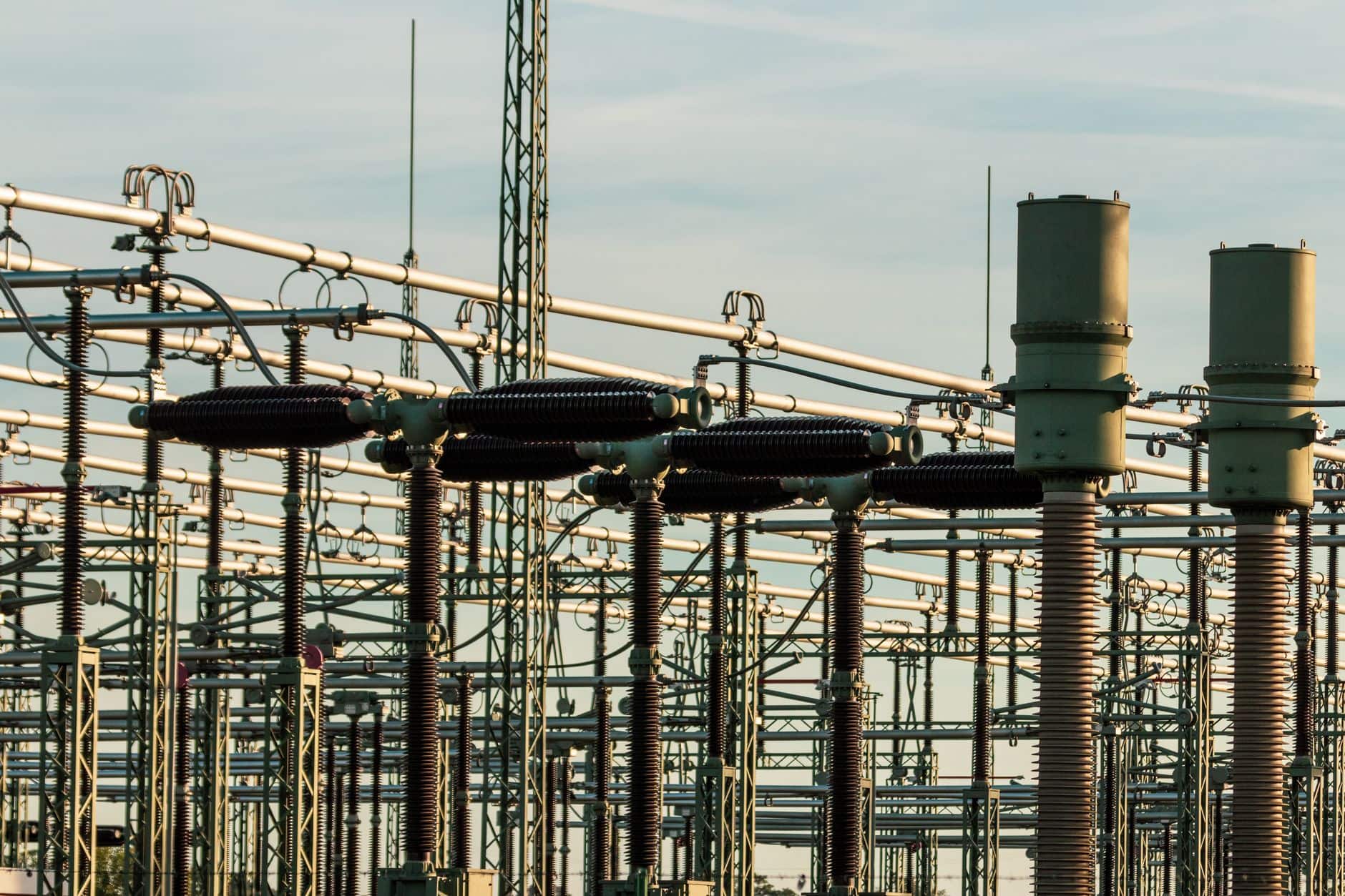
Ingeteam’s new Ingecon Sun Storage M Series delivers up to 4.54 MVA, 98.9 % efficiency and modular scalability for utility‑scale battery storage, a useful tool for Israel’s expanding BESS market.
High‑Efficiency 460 kW PCS Boosts EU Solar‑Storage
HIZEnergy’s new PCS‑460K delivers 460 kW with up to 99.2 % efficiency and dual AC outputs, positioning it as a top‑choice for Europe’s fast‑growing C&I solar‑plus‑storage market.
China Set to Outproduce Global Battery Demand by 2030
China will build 5,862‑6,720 GWh of battery capacity by 2030, outstripping the world’s projected demand of 4,000‑5,100 GWh and creating a risk of oversupply.