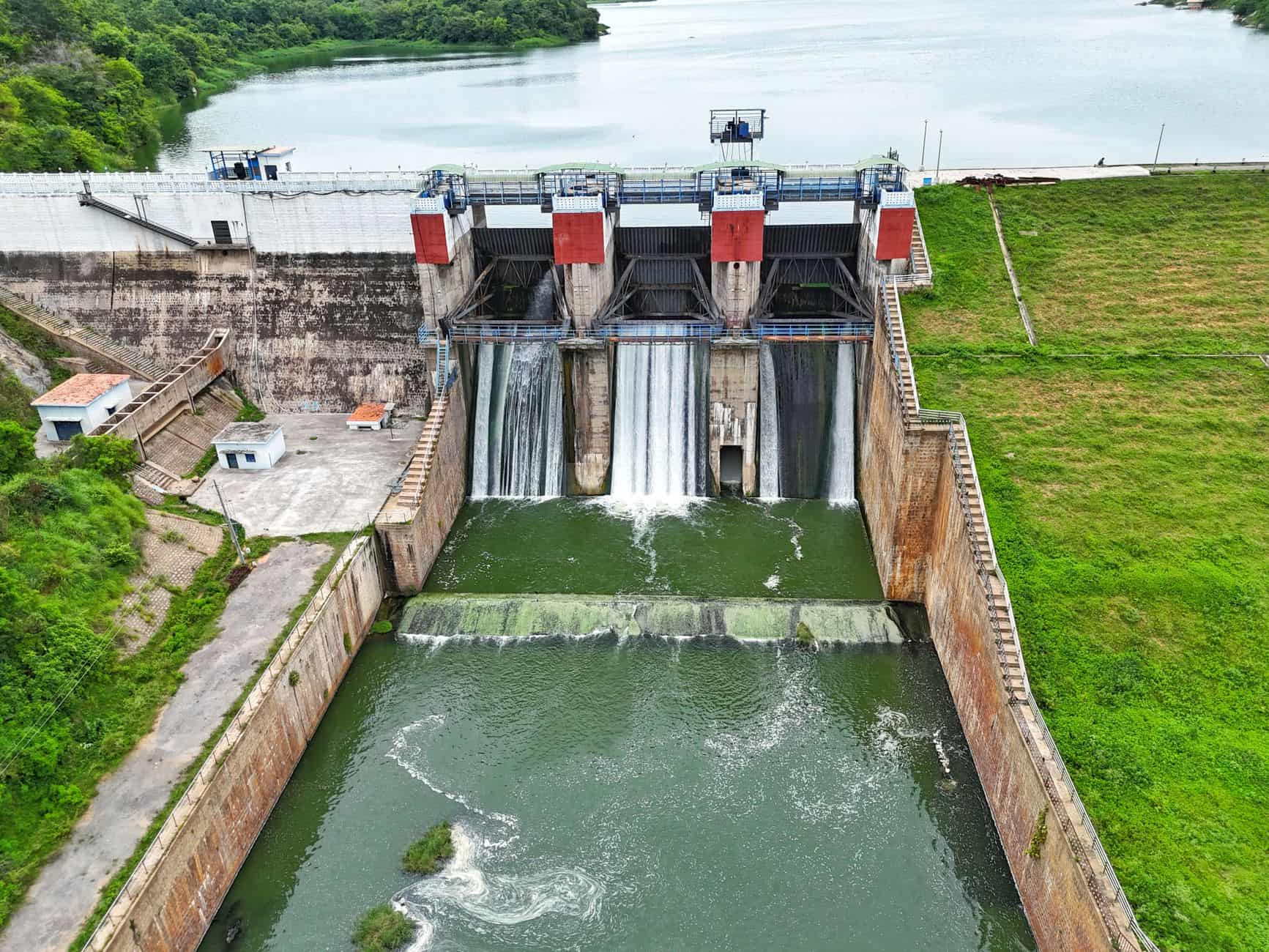
Spain Pumps €165M into 2 GW Storage
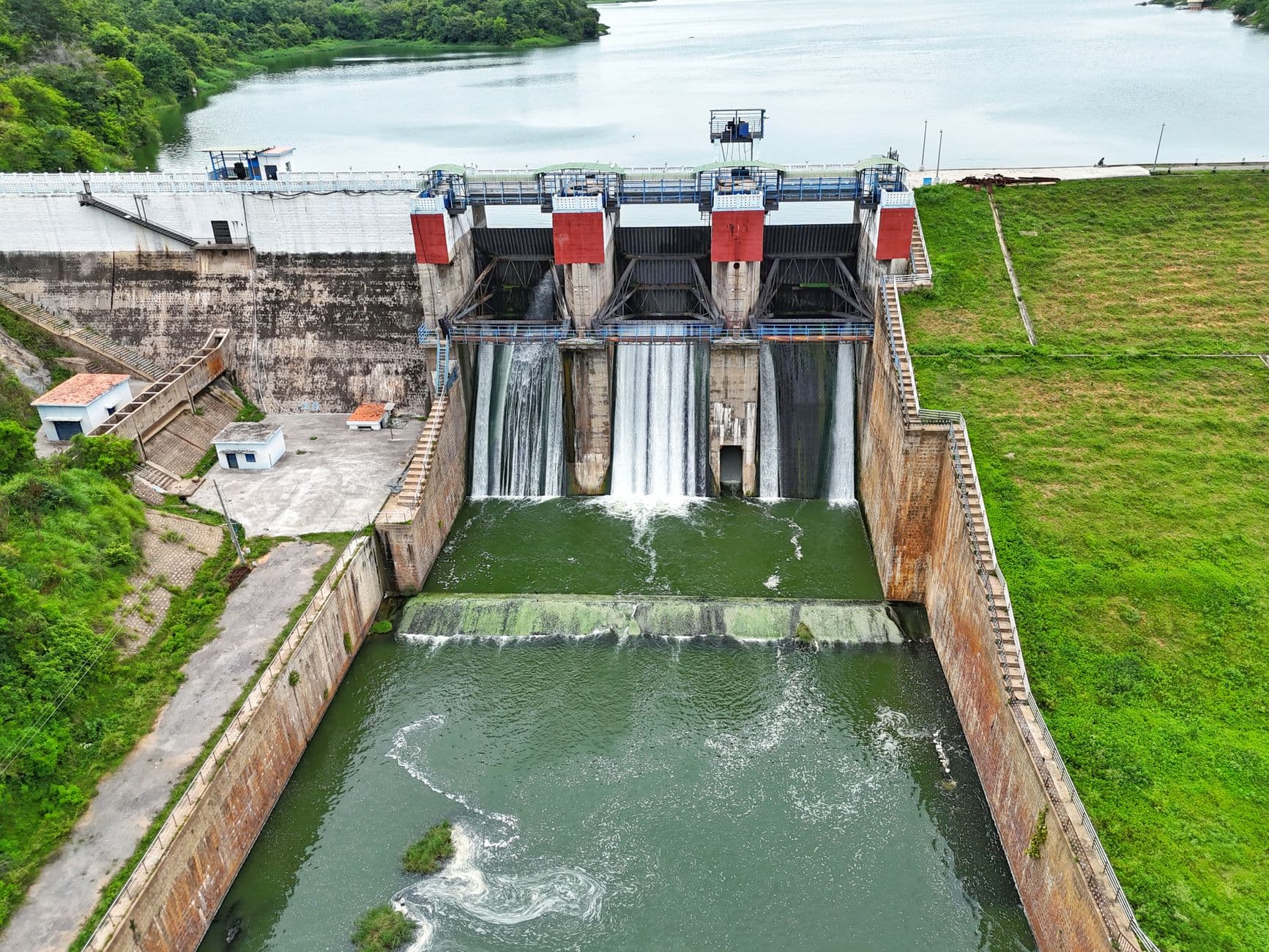
Spain’s pumped‑hydro boost is already quantified – €165 million will fund seven reversible projects that together add 2.071 GW of generation and 21.091 GWh of storage capacity.
The Ministry for the Ecological Transition and the Demographic Challenge (MITECO), acting through the Institute for Energy Diversification and Saving (IDAE), announced the award. Seven innovators won the second call of the BORALMAC programme, receiving a total of €165 million – an increase of €75 million over the original €90 million budget because demand far outstripped the first‑round funding of €100 million for four projects that together stored just over 2 GWh.
Where the projects will sit and what they will do – six new reversible plants plus one upgrade of existing infrastructure.
The selected sites span six Spanish regions: Andalusia, Asturias, Aragon, Extremadura, Catalonia and Galicia. Six proposals involve building brand‑new reversible hydropower stations, while the Extremadura project will retrofit an existing dam to add pumped‑storage capacity. In total the portfolio delivers 2.071 GW of installed generation and 21.091 GWh of energy‑shift capability, enough to run the full 2 GW output for roughly 10 hours of continuous power (21.091 GWh ÷ 2.071 GW ≈ 10.2 h).
Why the funding matters – economic viability, grid resilience and a just transition.
IDAE evaluated each bid on three pillars:
- Economic viability – projects must show a positive net‑present‑value under realistic market prices.
- Technical readiness – the technology must be demonstrably mature and able to integrate with Spain’s growing variable renewable fleet.
- Socio‑economic impact – the scheme should aid regions facing demographic decline, bolster European supply chains and showcase technological innovation.
Advance payments may be granted, subject to guarantees, to help developers secure private financing during the pre‑construction phase. This mirrors the approach taken in the first BORALMAC call, where €100 million was allocated to four projects that together stored a little over 2 GWh of energy.
How the Spanish model compares internationally – a benchmark for Europe and beyond.
Spain’s per‑GW storage cost, calculated from the €165 million award, works out to roughly €80 million per GW of installed capacity (or €7.8 million per GWh of storage). Compared with typical European figures for new pumped‑hydro projects, this suggests that Spain is achieving a competitive cost base thanks to strong public backing and the reuse of existing civil works where possible.
What it means for Israel – pumped storage could accelerate solar integration and lower curtailment.
Israel’s solar‑PV fleet already supplies a growing share of the grid, but the country still faces day‑time over‑generation and evening shortfalls. Pumped‑hydro storage, even at a modest scale, can store excess solar output at the low residential tariff of ≈₪0.48 /kWh and release it later at the higher municipal tariff of ≈₪0.54 /kWh, netting a margin of ≈₪0.06 /kWh. For a 1 MWh storage unit that cycles once per day, the gross revenue would be about ₪60 per day, or ₪21,900 per year – enough to offset a portion of the typical ₪3,150/kWp installation cost for a 10 kWp home system in central Israel.
A representative calculation shows the economic logic:
- Install a 10 kWp rooftop PV system (cost ≈ ₪31,500) → produces ~17,000 kWh/yr → revenue ≈ ₪8,160/yr at the residential tariff.
- Adding pumped‑hydro storage involves a substantial capital outlay, but the revenue margin can improve the overall economics when combined with PV generation.
While Israel does not yet have large‑scale pumped‑hydro due to topographic constraints, the policy precedent set by Spain—public funds de‑risking projects, advance payments, and a clear focus on regional development—offers a template for Israeli ministries (Electricity Authority, NOGA) to design incentive schemes for underground or abandoned mine‑shaft storage, or for the emerging gravity‑based battery sector.
Outlook – Spain’s pumped‑hydro push is a cornerstone of its renewable ambitions.
Spain is pursuing ambitious renewable goals and sees pumped storage as essential for balancing the expected surge in wind and solar capacity. The BORALMAC programme, now in its second call, is expected to continue attracting private capital, especially as European Union funds for “just transition” projects become available. If the seven awarded projects meet their timelines, Spain could have a substantial amount of flexible storage operational in the coming years, helping to reduce curtailment and strengthen cross‑border interconnections.
For other nations—Israel included—the Spanish experience underscores that targeted public financing, clear eligibility criteria, and advance‑payment mechanisms can unlock the capital needed for large‑duration storage, a prerequisite for a fully decarbonised power system.
For readers who want to model their own solar‑plus‑storage economics, try our solar ROI calculator and explore the latest market data on our data page.
FAQ
How much storage capacity will the new Spanish projects provide?
The seven projects together will deliver about 21.1 GWh of pumped‑hydro storage.
What is the total installed generation capacity of the awarded projects?
They will add roughly 2.07 GW of reversible generation capacity.
Which Spanish regions are involved in the BORALMAC second call?
Andalusia, Asturias, Aragon, Extremadura, Catalonia and Galicia.
How does Spain’s storage cost compare to the EU average?
Spain’s award works out to about €80 million per GW, or €7.8 million per GWh, which is lower than the EU average of €9‑12 million per GWh.
Can pumped‑hydro help Israel integrate more solar power?
Yes – by storing cheap daytime solar (≈₪0.48/kWh) and releasing it at higher evening rates (≈₪0.54/kWh), storage can reduce curtailment and improve the economics of rooftop PV.
What financing mechanism is Spain using for these projects?
IDAE may provide advance payments, subject to guarantees, to help developers secure private financing during the development phase.
Share this post
More from Storage
6
Turning Curtailed Solar into Dispatchable Power
Geo2Watts’ Borehole Battery Platform converts curtailed solar power into heat stored in idle wells, creating dispatchable electricity and new revenue for solar projects.

Sodium‑Ion Battery Deal Sets New Scale
HyperStrong has signed a three‑year, 60 GWh supply deal with CATL – the largest contract ever for sodium‑ion batteries – as the global market races toward multi‑billion‑dollar valuations.

Envision Energy Shows 4 MWh Storage
Envision Energy unveiled a 4 MWh, fully integrated storage block at The smarter E 2026, alongside a solid‑state transformer and 800 V DC battery for AI data centres, signalling a push into Europe’s long‑duration storage market and offering a potential tool for Israel’s renewable‑energy goals.
Ingeteam Unveils 4.5 MW BESS Inverter
Ingeteam’s new Ingecon Sun Storage M Series delivers up to 4.54 MVA, 98.9 % efficiency and modular scalability for utility‑scale battery storage, a useful tool for Israel’s expanding BESS market.
High‑Efficiency 460 kW PCS Boosts EU Solar‑Storage
HIZEnergy’s new PCS‑460K delivers 460 kW with up to 99.2 % efficiency and dual AC outputs, positioning it as a top‑choice for Europe’s fast‑growing C&I solar‑plus‑storage market.
China Set to Outproduce Global Battery Demand by 2030
China will build 5,862‑6,720 GWh of battery capacity by 2030, outstripping the world’s projected demand of 4,000‑5,100 GWh and creating a risk of oversupply.